Oct. 30 – Nov. 11
My visit to Stuttgart is unique amongst my traveling experiences. It’s the only place where I’ve known a local. Someone to show me around, translate for me, explain the nuances of the culture, introduce me to new people. The almost two weeks that I spent in Stuttgart were a tremendous primer for the time that I would spend in Germany, and largely accounts for how comfortable I felt as I explored the country.
Rosa and I met in Brussels, while staying at the same hostel. We exchanged information and soon became fast friends. We kept in touch while I was in Canada, and when it was clear that I would be returning to Europe, she agreed to be my tour guide for a bit and how lucky I am for that. I would eventually joke, that if she ever wanted to change careers, Rosa would have a promising future with the Stuttgart Tourism Board. She was overflowing with plans, interesting stories and anecdotes, and things that she wanted to show me.
Arriving in Stuttgart
But first, I needed to arrive. Which I did via the TGV, a high-speed train, reaching speeds of up to 320 km/h. It was quite the experience to leave France behind via Strasbourg, on the banks of the Rhine, and watch the Alsace plains and the foothills of the Black Forest fly by the window. It’s absolutely gorgeous country and absolutely different than what I had seen through the Netherlands, Belgium and France. It reminded me more of the Okanagan, in British Columbia and even that feels like a loose parallel.
Rosa met me at the train station, so that she could get me set up with a D-Ticket. The D-Ticket turned out to be an incredible gift. For only €60, it granted me access to all public transit across Germany for a month! It even includes regional trains, which are slower than the direct ICE inter-city trains, but could still get me from city to city across the country. The D-Ticket does require a German address and German bank account, which is why I needed Rosa to get it for me, and I was incredibly fortunate that I did. I’m sure I got close to triple the value of the D-Ticket by the end of my time in Germany.
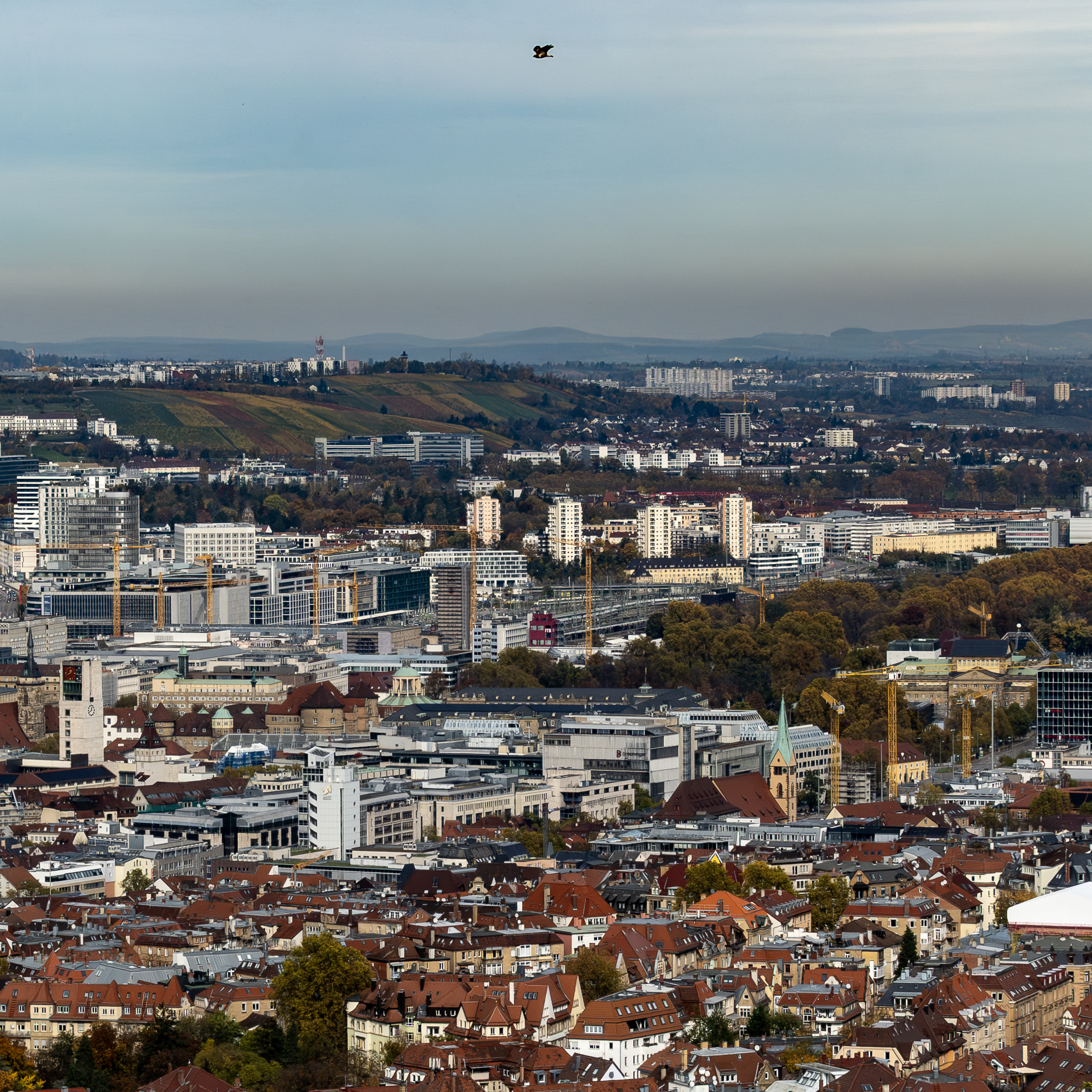
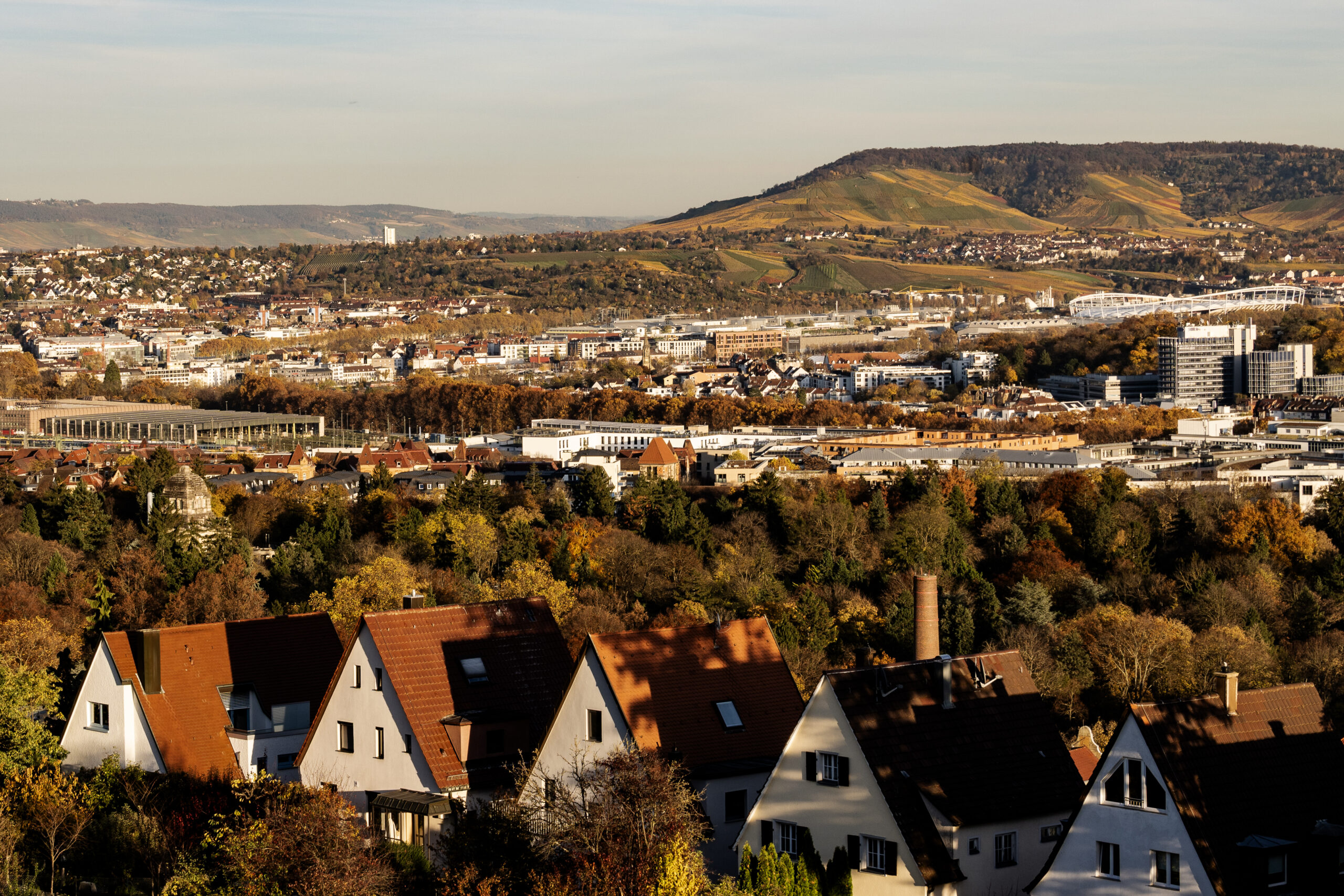
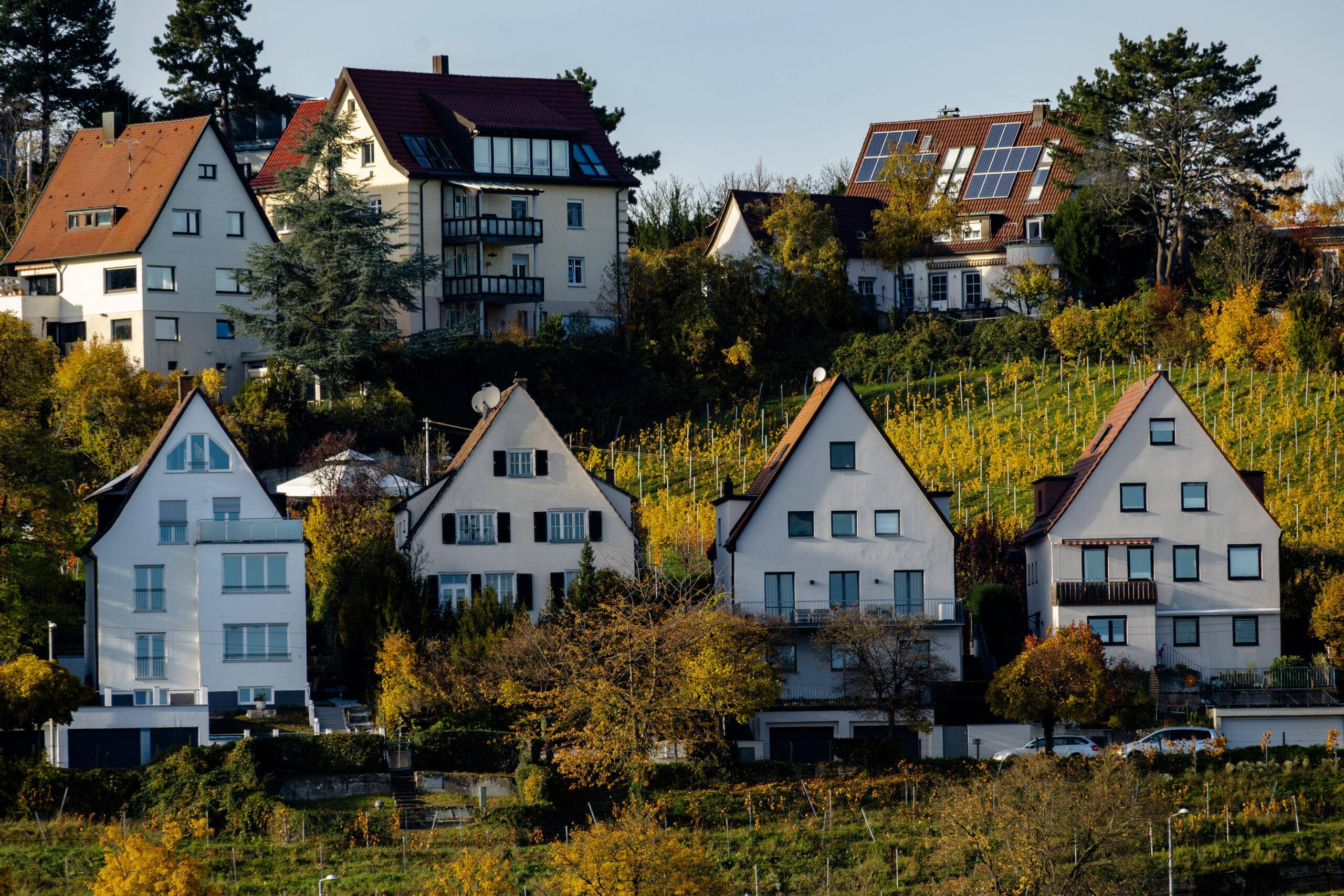
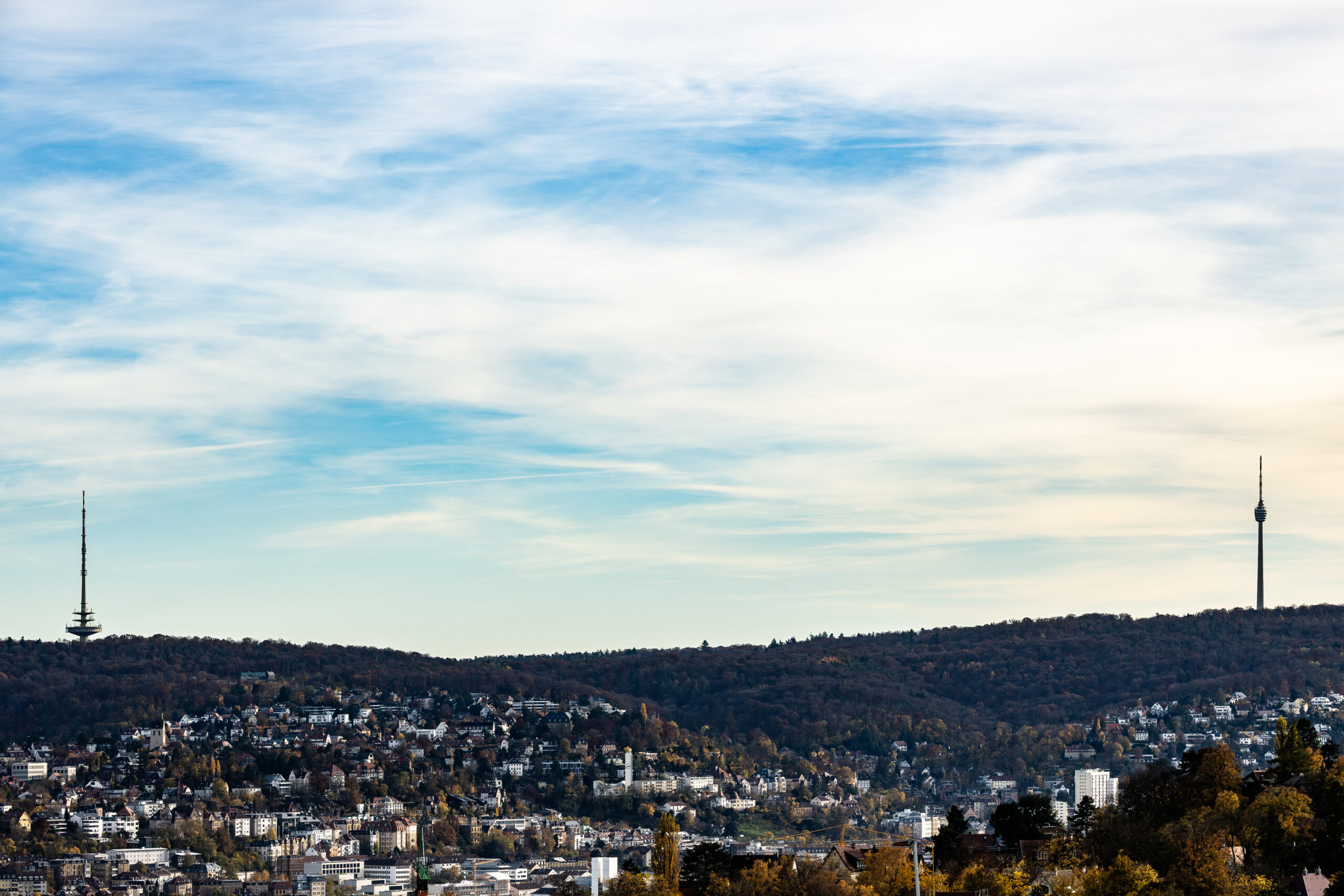
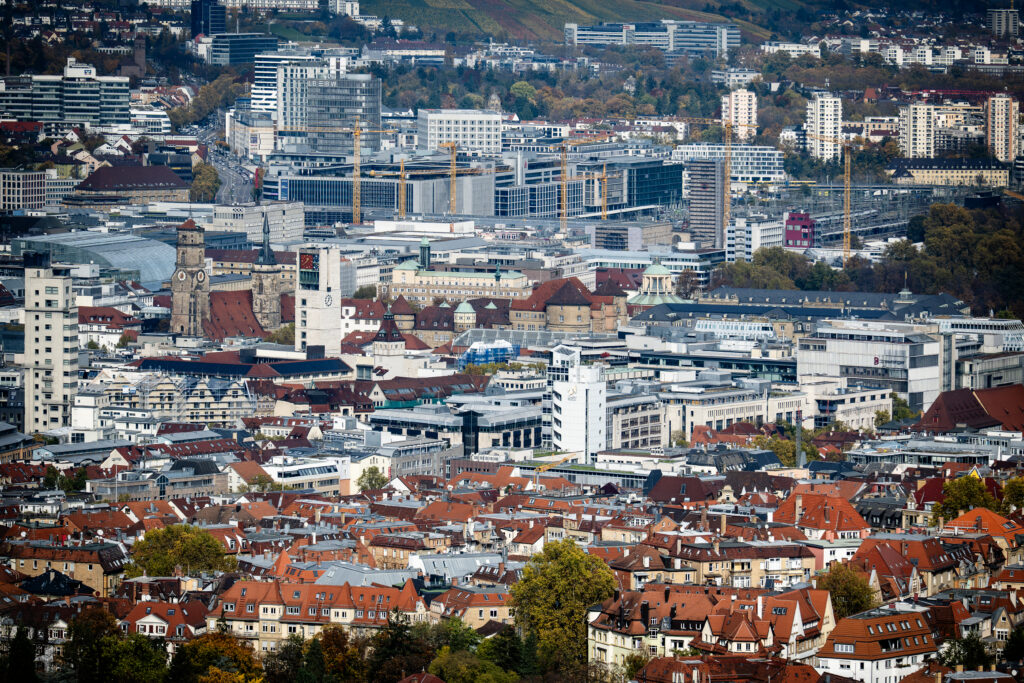
With that, we headed out to the suburb community of Stuttgart where Rosa lives and I’d booked a hotel for my stay. Stuttgart Mitte sits in the bowl of a high-sided valley, flowing over the surrounding hills and even spilling over the high ridges. Here, on the plateaus above, sit a number of suburb communities that each would have been their own independent villages and towns some hundred and fifty years ago. The S-Bahn (surbuban metro, as opposed to the U-Bahn, the metro that services the city proper) to Rosa’s community, carried us up and over the southern hill of Stuttgart, sometimes offering brief glimpses of the city stretched out below, lit up by late afternoon sunlight and glowing orange and red with the turning leaves of fall. It made a hell of an impression.
Germanating
My introduction to the German culture began with an introduction to German food, central to which is the reverence for bread. Of course, we eat plenty of bread in Canada. However, the bread that we typically eat, literally isn’t considered bread by the Germans. The sandwich bread we are familiar with, is known as toast. Whereas, Bröt (bread) is a proper crusty loaf, available in a hundred different configurations. Different colors, different flours, different mix-ins, sweet, salty, dry, moist, chewy, crunchy. There is a bread for every occasion. And that’s not even to mention Brötchen, which we would call rolls or buns. Brotchen were a main staple during my time in Germany. Every supermarket in Germany has a wide selection of rolls, generally cases upon cases of different varieties. And even still, buying Bröt or Brötchen at a supermarket is only for those in a hurry, unable to make it to the Bäckerei (bakery). There are at least five bakeries within two minutes walk of the main street of Rosa’s area of Stuttgart. Bread is a way of life in Germany and, as I can now attest, German bread is incredible.
Other parts of my cultural education were somewhat less universal across the Rhineland. Stuttgart is the capital of the Baden-Württemberg state, which along with parts of Bavaria to the east, once largely comprised the Duchy of Swabia, before Germany was unified in the late 1800s. There still exists an ethnographically distinct group known as the Swabians (Sch-vaa-ben), with their own dialect of German that isn’t quite mutually intelligible with Standard German (similar to how Scots is related to English, but not totally understandable by the average English speaker).
While Rosa was showing me around, I would often read signs and advertisements aloud so she could correct my pronunciation. However, it wasn’t until after I had left Germany that I learned, during a call with Rosa, that she had left me with a somewhat distinct Swabian accent in the minuscule German that I could now speak. I received some weird looks when I had told other German speakers that I had recently visited Stuttgart, which it turns out is pronounced differently in Swabian German and Standard German. When I asked Rosa about this, she realized what had happened and burst out laughing. Apparently, I was now the Canadian tourist with a country-boy (part of the Swabian legacy) accent in my German.
Seeing Stuttgart
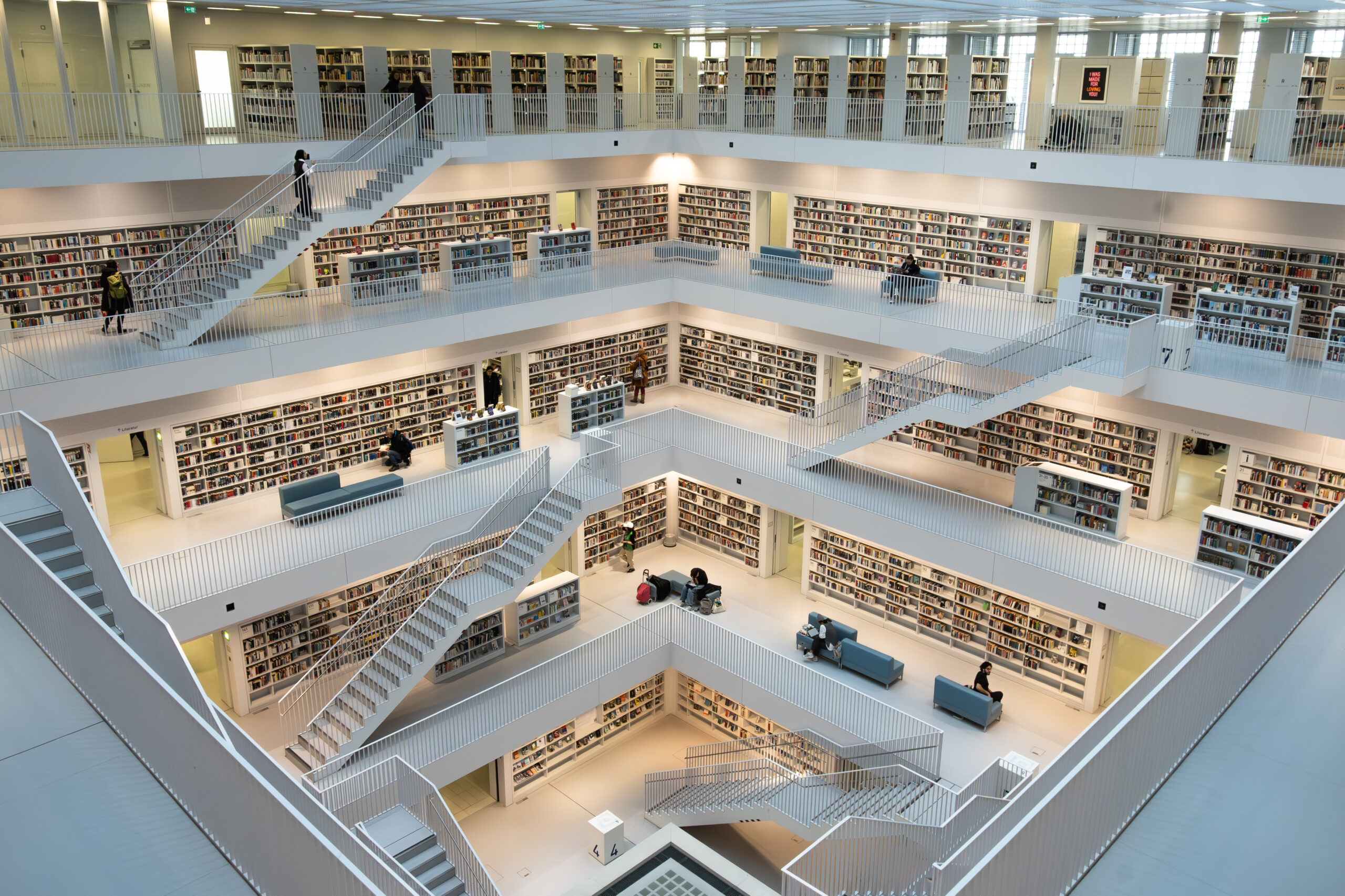
Over the next week and a half, Rosa took me all over Stuttgart and the surrounding areas to show me as much as she could. It was a long weekend for her when I arrived, so we covered a lot of ground together in the first few days, and I did some exploring of my own while she was working during the week.
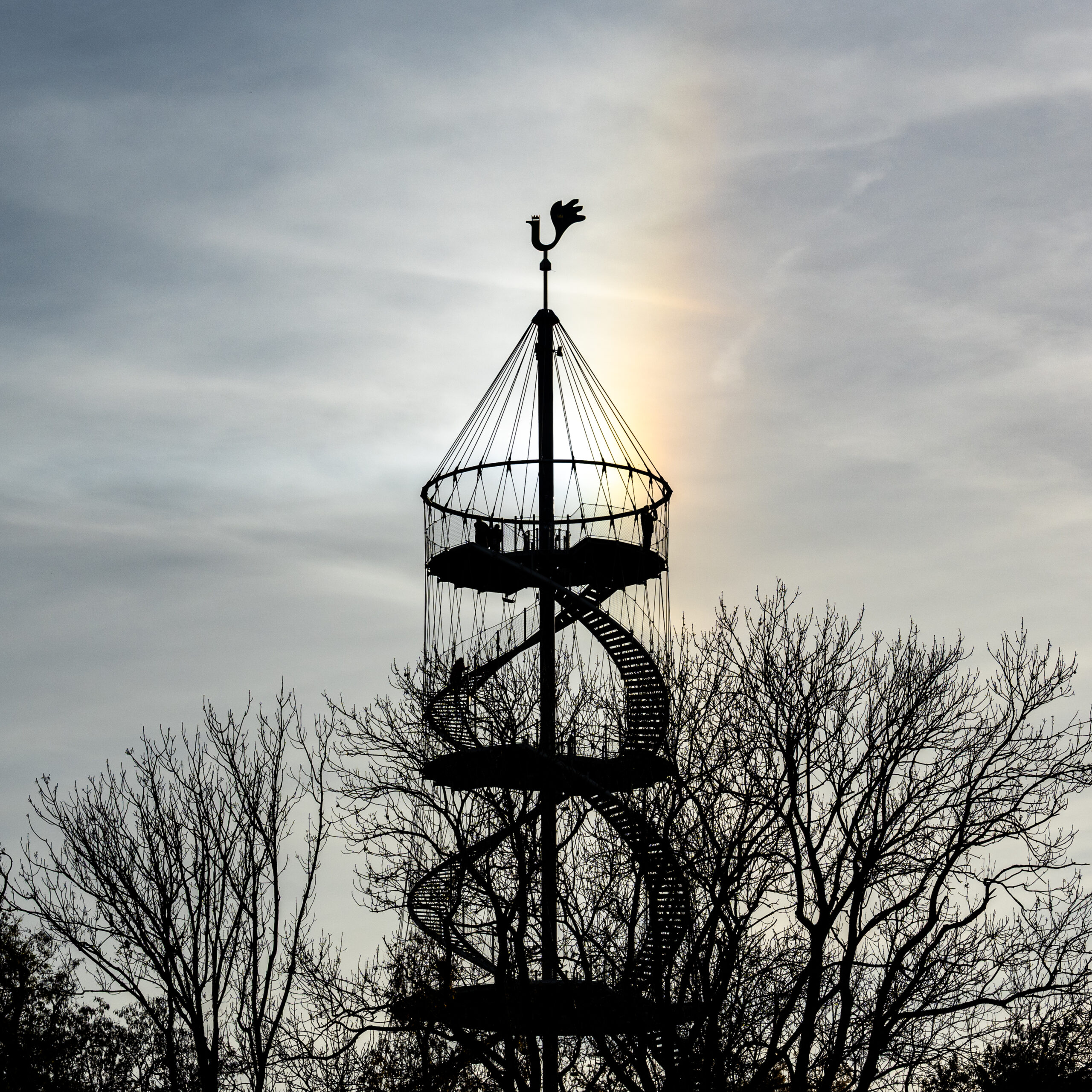
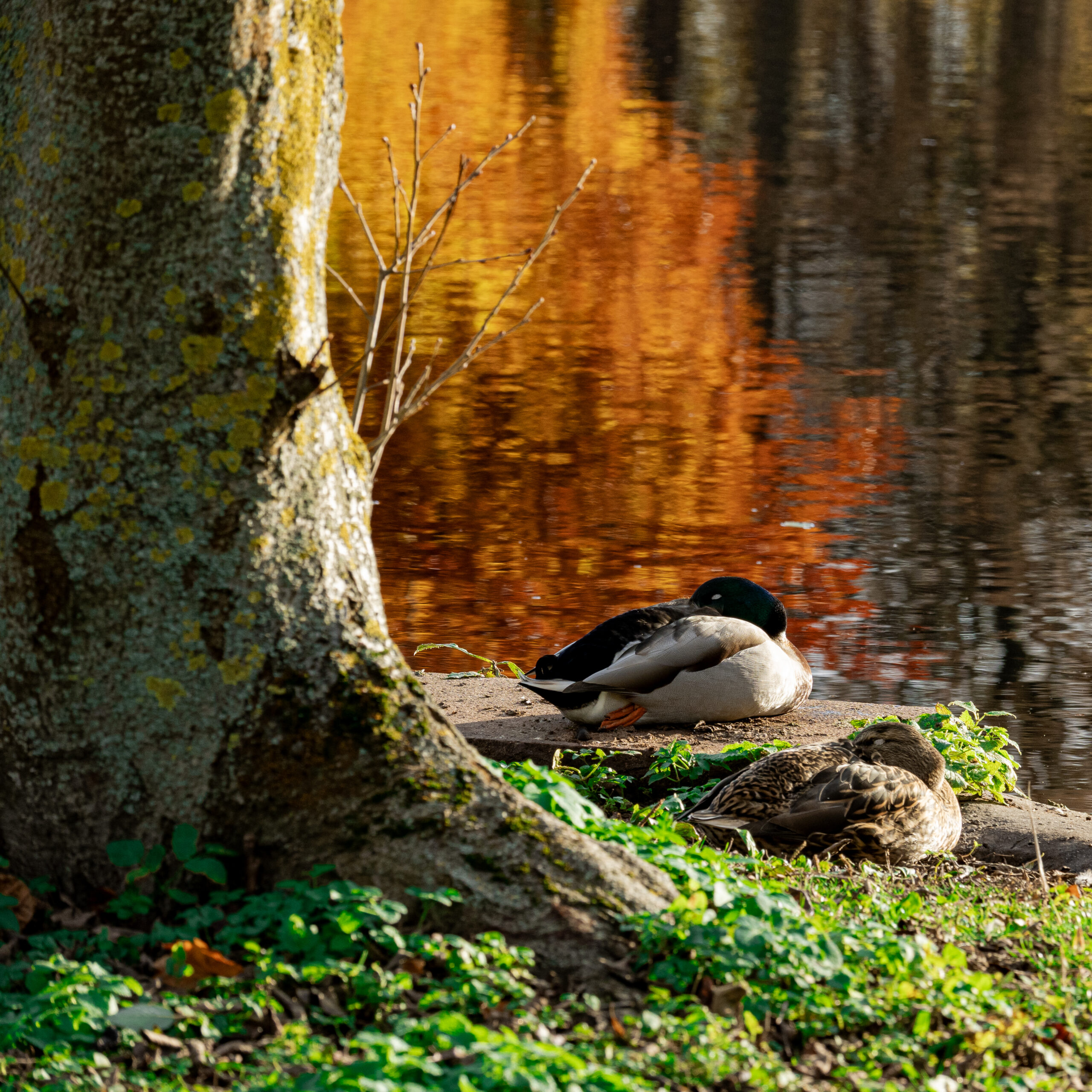
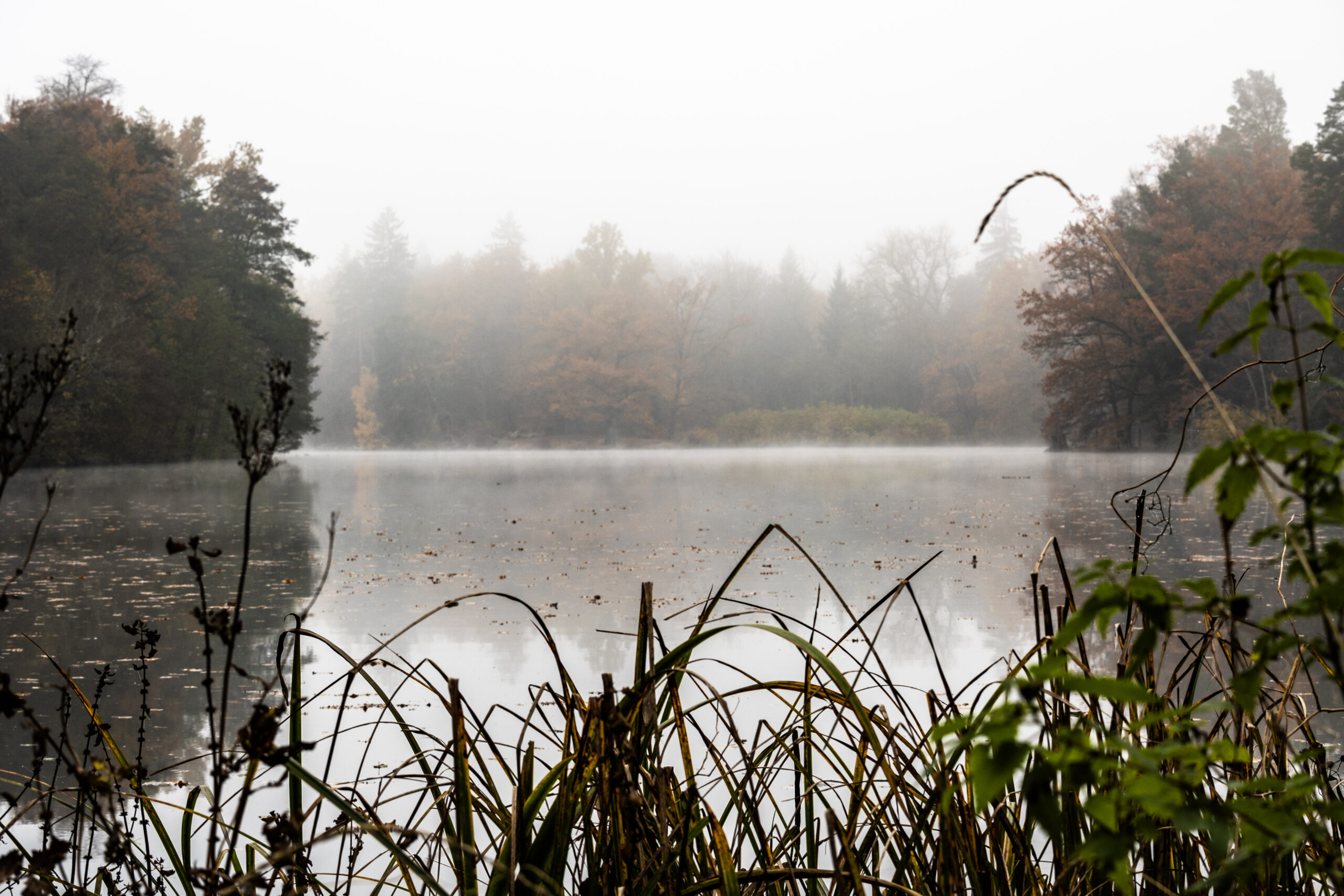
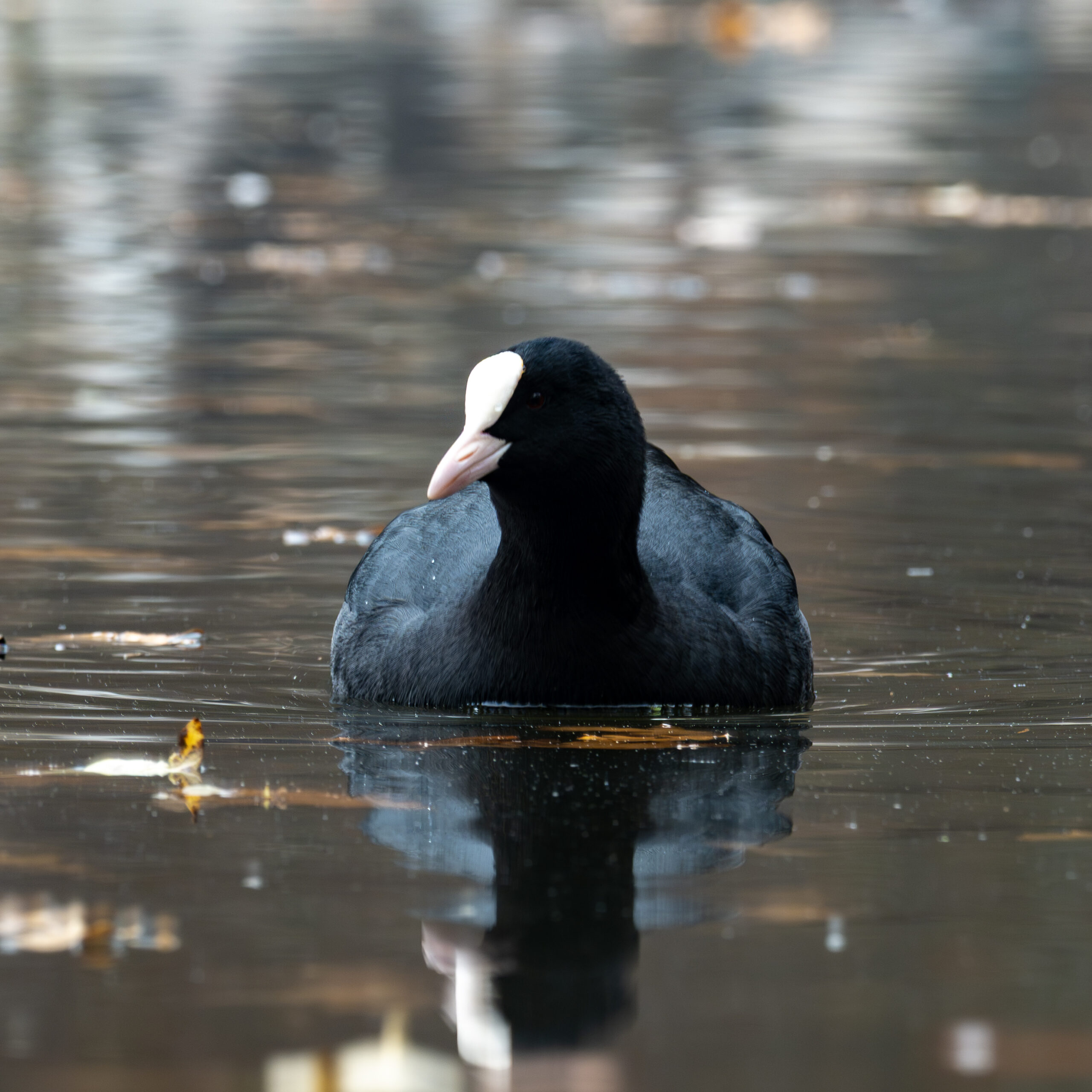
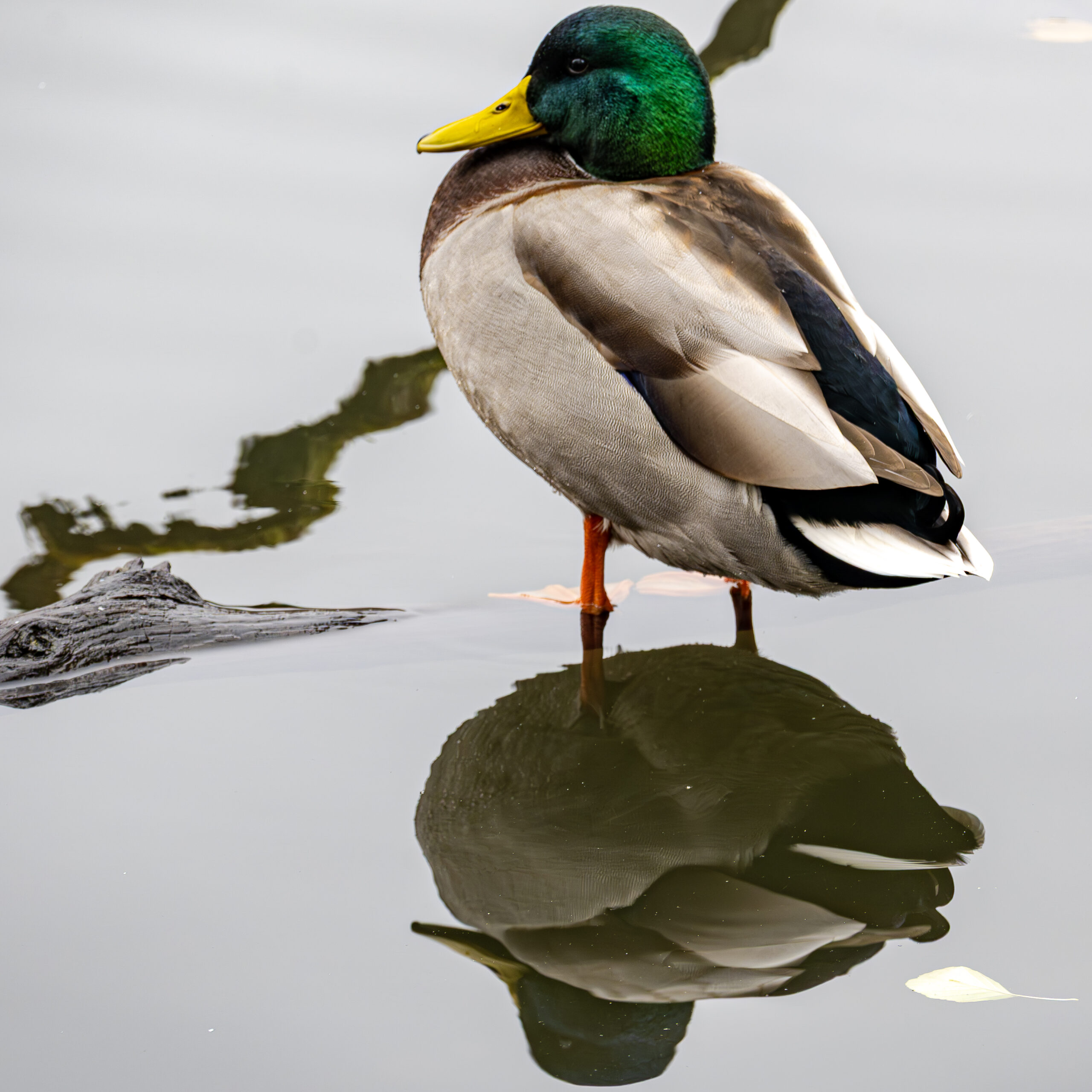
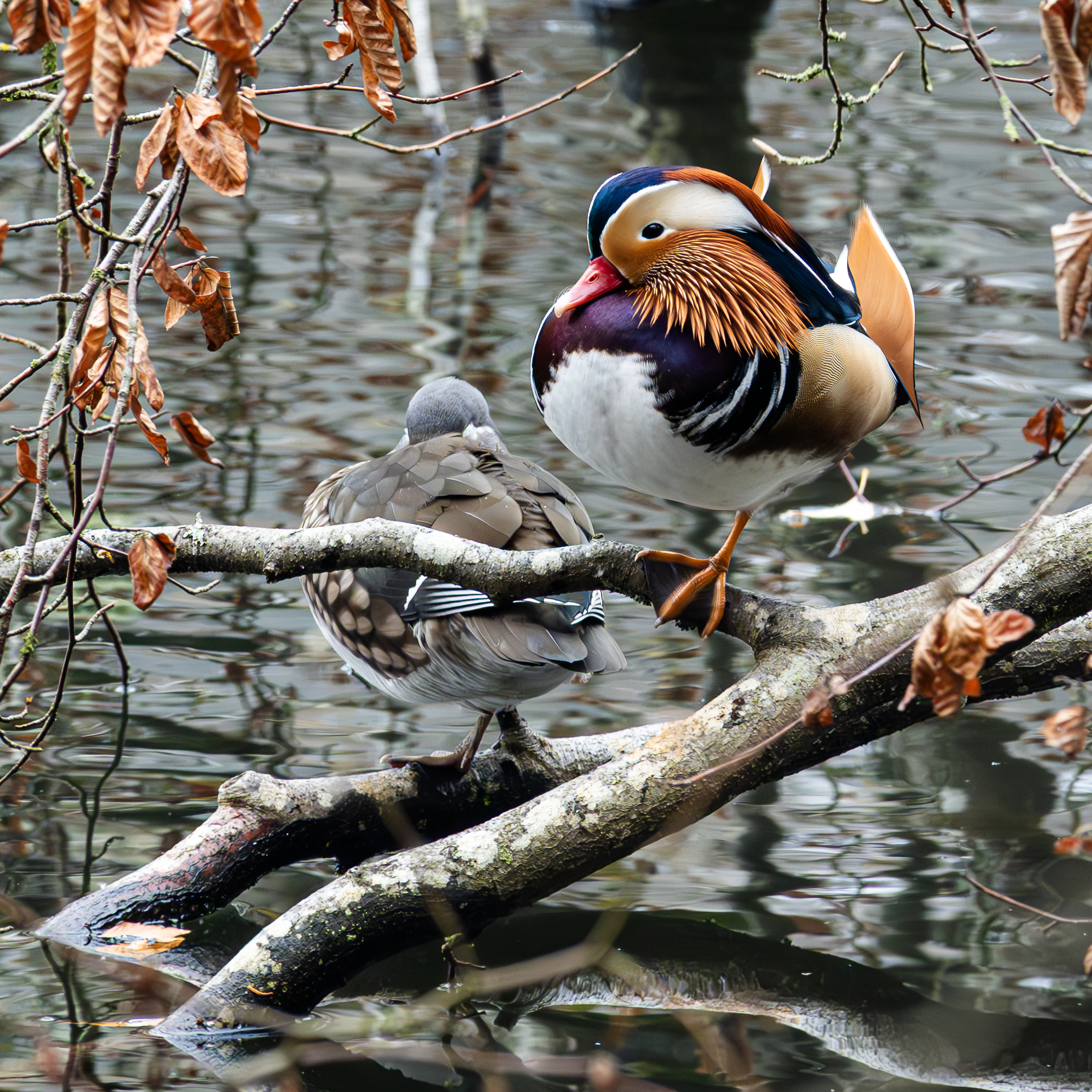
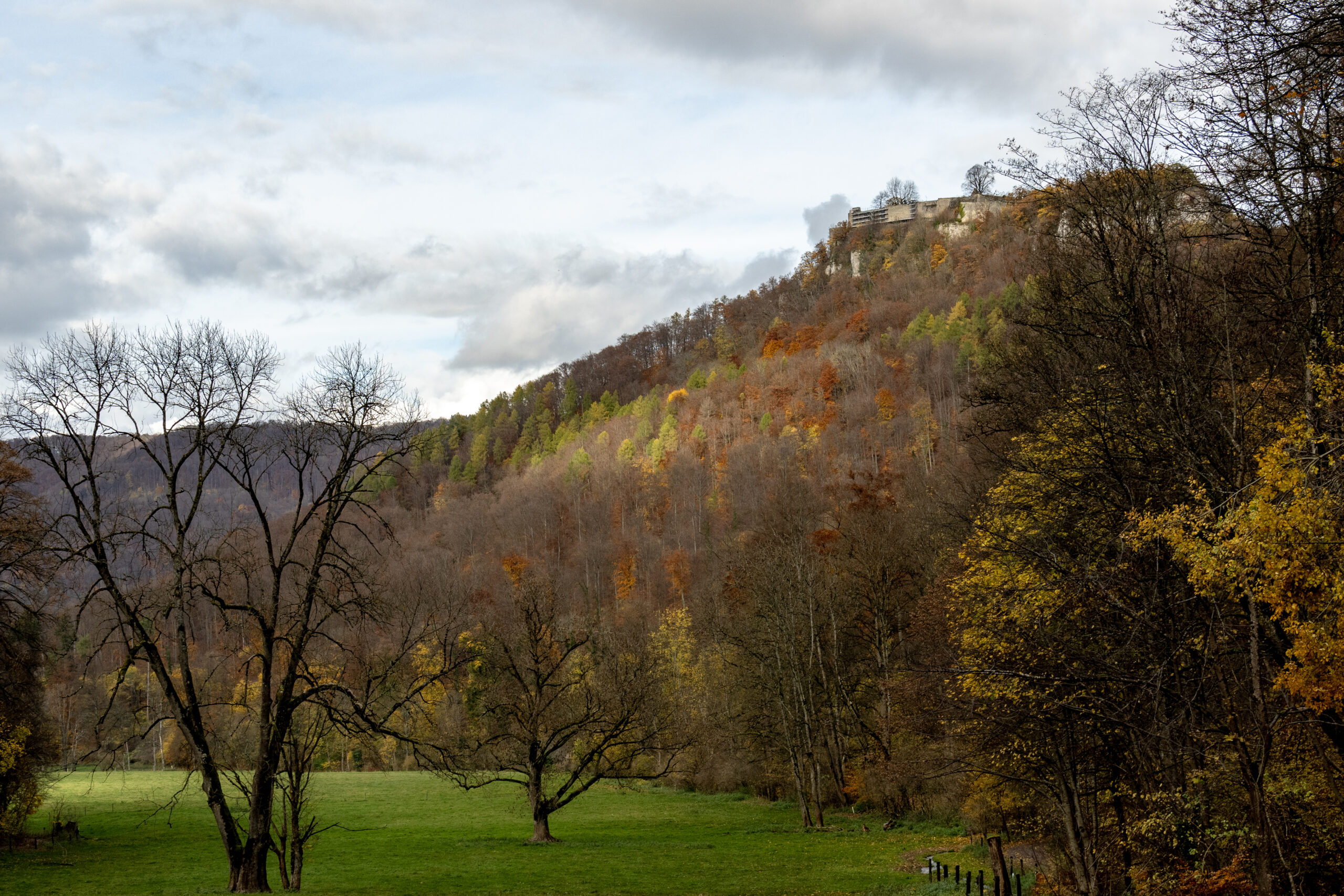
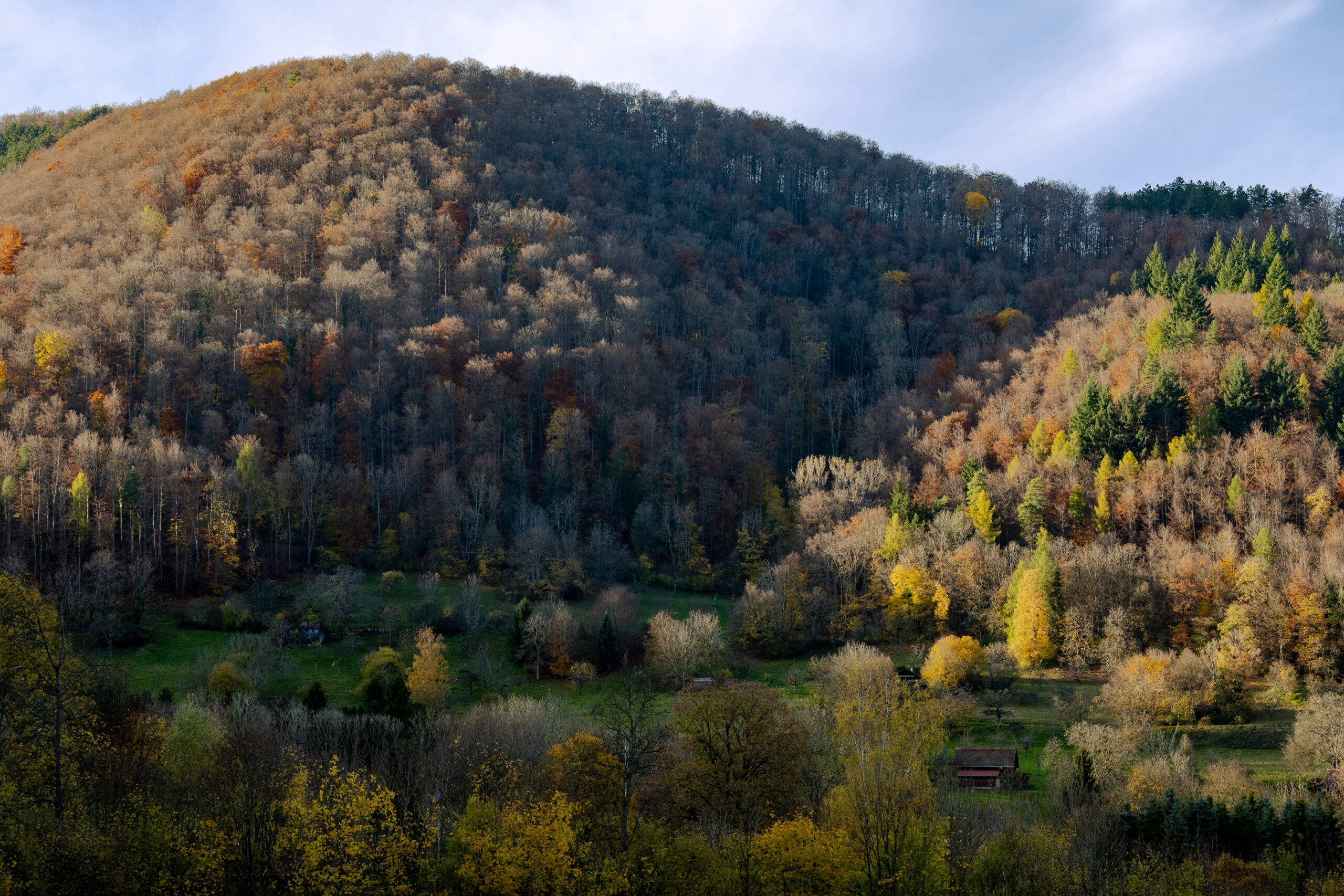
The whole time was a whirlwind of activities. We walked to scenic viewpoints, hiked to a waterfalls, strolled along forested lakes, took countless photos and generally enjoyed what the German landscape had to offer. Rosa also took me along for another favorite German pastime, Sport.
For Rosa, Sport means acroyoga and climbing, and we did both. Acroyoga is a partner-based practice that typically involves one person laying on their back and lifting their partner’s body on their feet, while their partner moves through various shapes and poses. I have some experience with regular yoga, but this was my first time trying the acro version. It was surprisingly difficult, even for the most basic poses. More than just strength and balance, it requires a lot of concentration on body position and coordination with your partner. I think by the end, I was able to complete two or three basic poses, including a supported handstand, which was pretty neat.
As for climbing, I’ve been a climbing enthusiast for over a decade. Prior to the pandemic, climbing was my main form of recreation and I would be found in the bouldering gym two or three times a week. All of this is to say, that I’m not inexperienced on the wall, but the Germans put me to shame. It truly seems like they are part mountain goat, like they are just born knowing how to navigate the rock.
Part of this might have to do with their preference for lead climbing. In Canadian climbing gyms, lead climbing is an intermediate/advanced technique where the climber pulls the rope behind them as they ascend, and clip it in to various anchor points along the route. In Canada, most climbing gyms default to he more basic technique, known as top-rope climbing, where the rope is already anchored at the top of the route. The difference being that if a climber falls when top-roping they are always protected, they will only fall the distance that accounts for the slack in the rope. When lead climbing, if you fall while you’re above your last anchor, you fall the distance to the anchor and then some more. Beyond the mental fortitude required for lead climbing, it’s also more physically demanding, as you are regularly holding on the wall with one hand while manipulating the rope with the other.
Rosa’s friends were conditioning in preparation for the coming season of outdoor climbing and had a routine for each route. They would first ascend the route as a lead climb, but would leave the rope anchored when they descended. Then they would immediately re-climb the route, top-rope style, as fast as they could, twice. Meanwhile, out of practice as I was, I would need a good ten minutes between routes to allow my forearms to relax before I was ready to go again. Truly impressive stuff.
For my solo time in Stuttgart, I would spend time exploring around the city center, the parks and the streets. I found it interesting the amount of diversity the city had to offer, despite being relatively compact. Stuttgart is a car city, home of Mercedes-Benz and Porsche. When one of Rosa’s friends asked how I liked the city, I responded that I thought it was beautiful. She was surprised. She was a recent transplant from north Germany herself, and commented that she didn’t like how car-centric Stuttgart was. Now I was the one surprised. I hadn’t even noticed, though I would later come to agree with her point of view. Stuttgart is surrounded by hills and giant forests, to me it felt like the city just emerged out of nature itself. Not to mention the wide availability of public transit. Coming from a city that is struggling to add a third LRT line, Stuttgart’s U-Bahn has fifteen lines for a city with almost a million fewer people than Calgary.
Saying Goodbye
I wasn’t sure how long I would stay in Stuttgart when I first arrived, but eventually it began to become clear that it was getting to be time to move on. Rosa, gracious hostess that she was, had her own life to lead and had already done more than I could ask in showing me around. And the hotel costs were starting to eat more of my budget than the hostels that it had been planned around. And of course, with the D-Ticket, I had the freedom to go anywhere in Germany. Sad as we both were about my departure, Rosa helped me plan an itinerary for the next few weeks that would take me around Germany, to experience what the different regions had to offer. My first destination, Hamburg, would take me far to the northwest of Germany, back on the road, off to new adventures.