Hamburg — Nov. 11 – 16
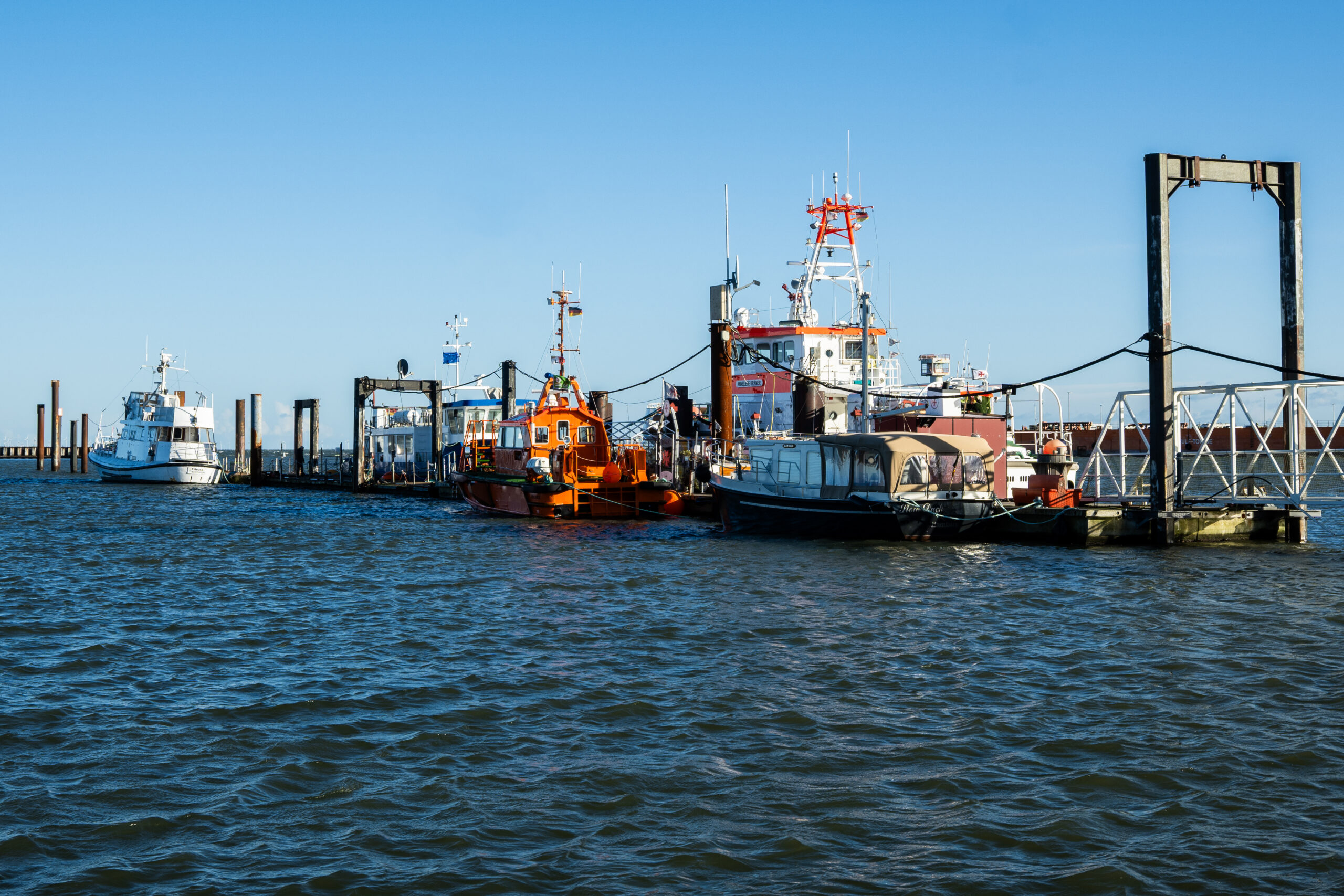
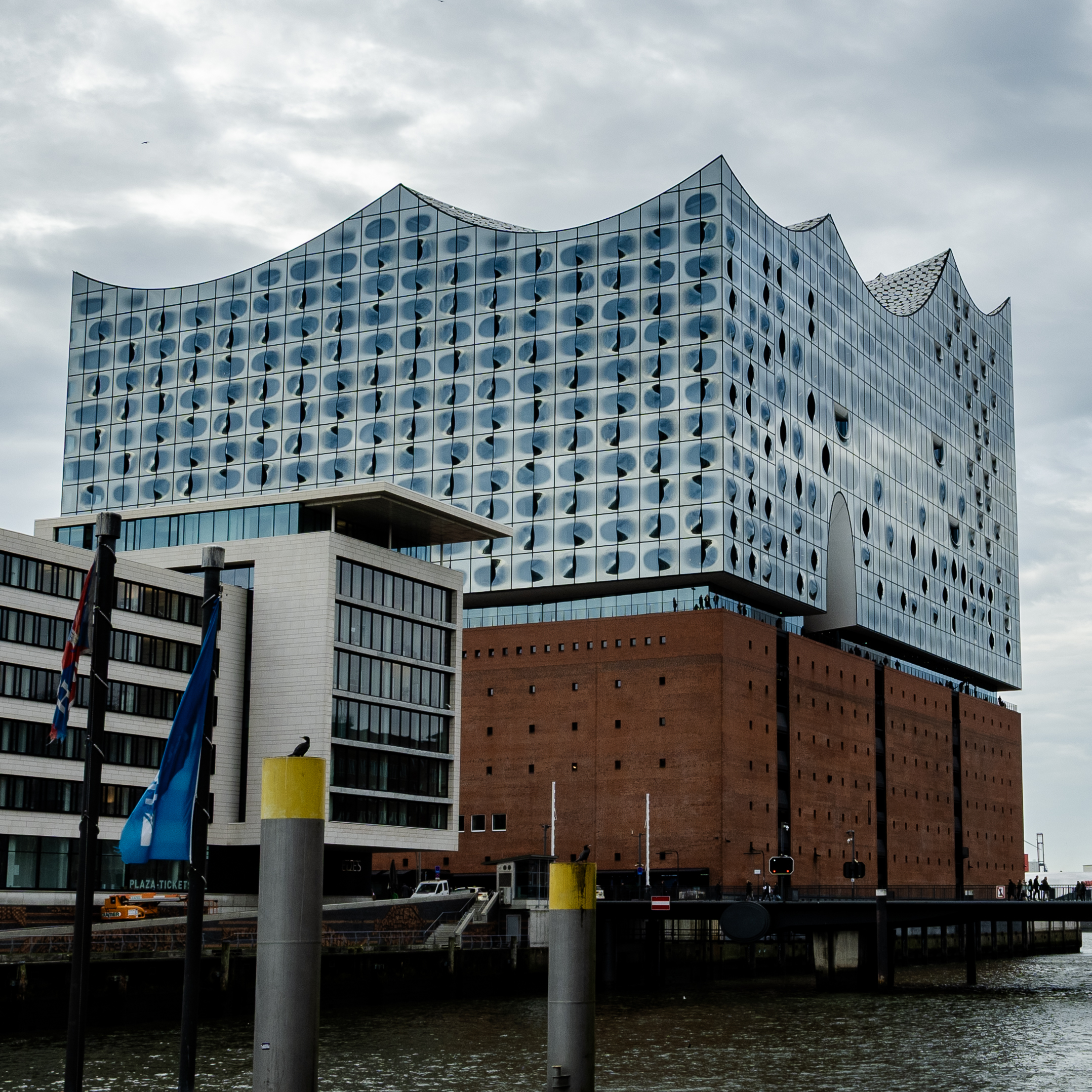
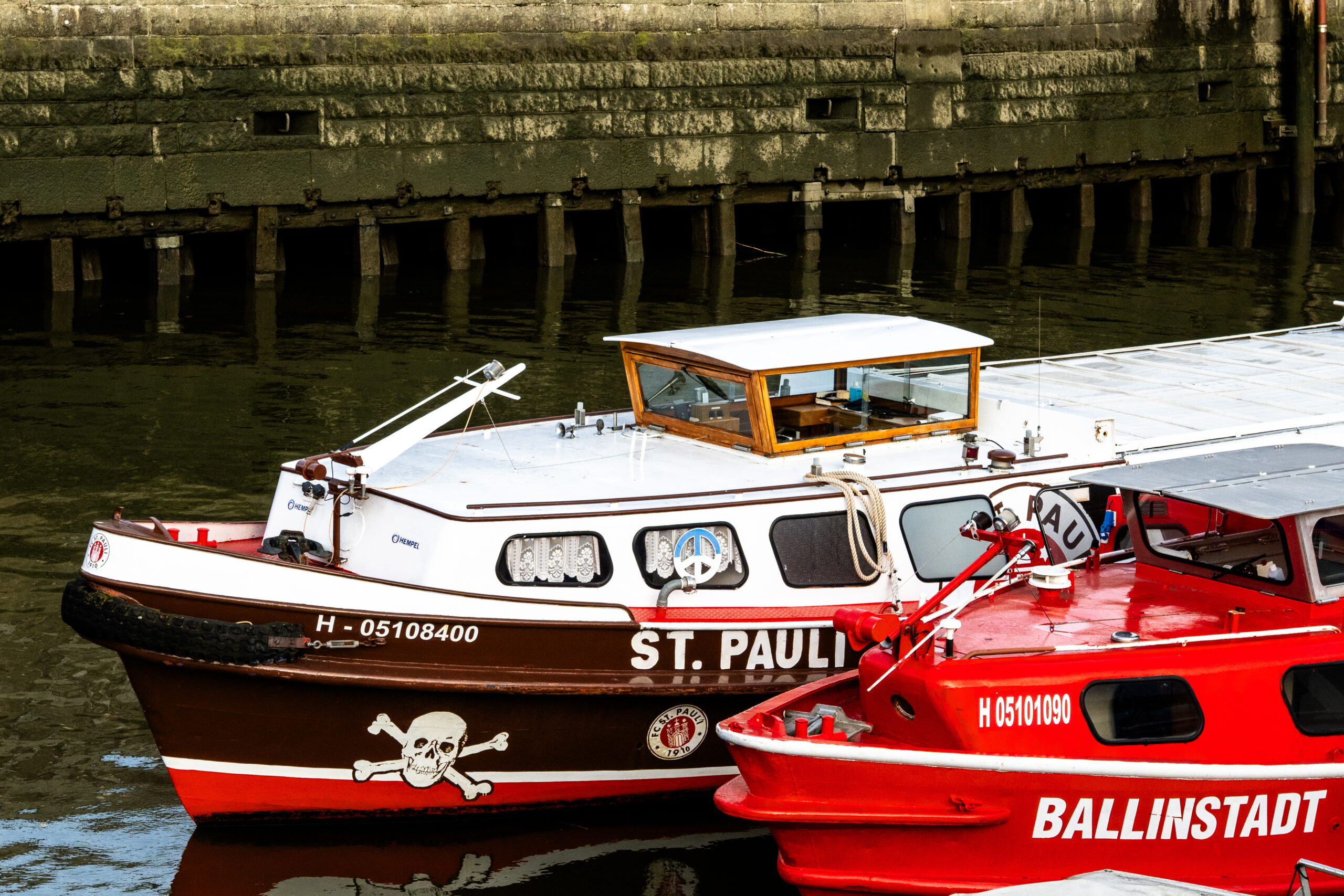
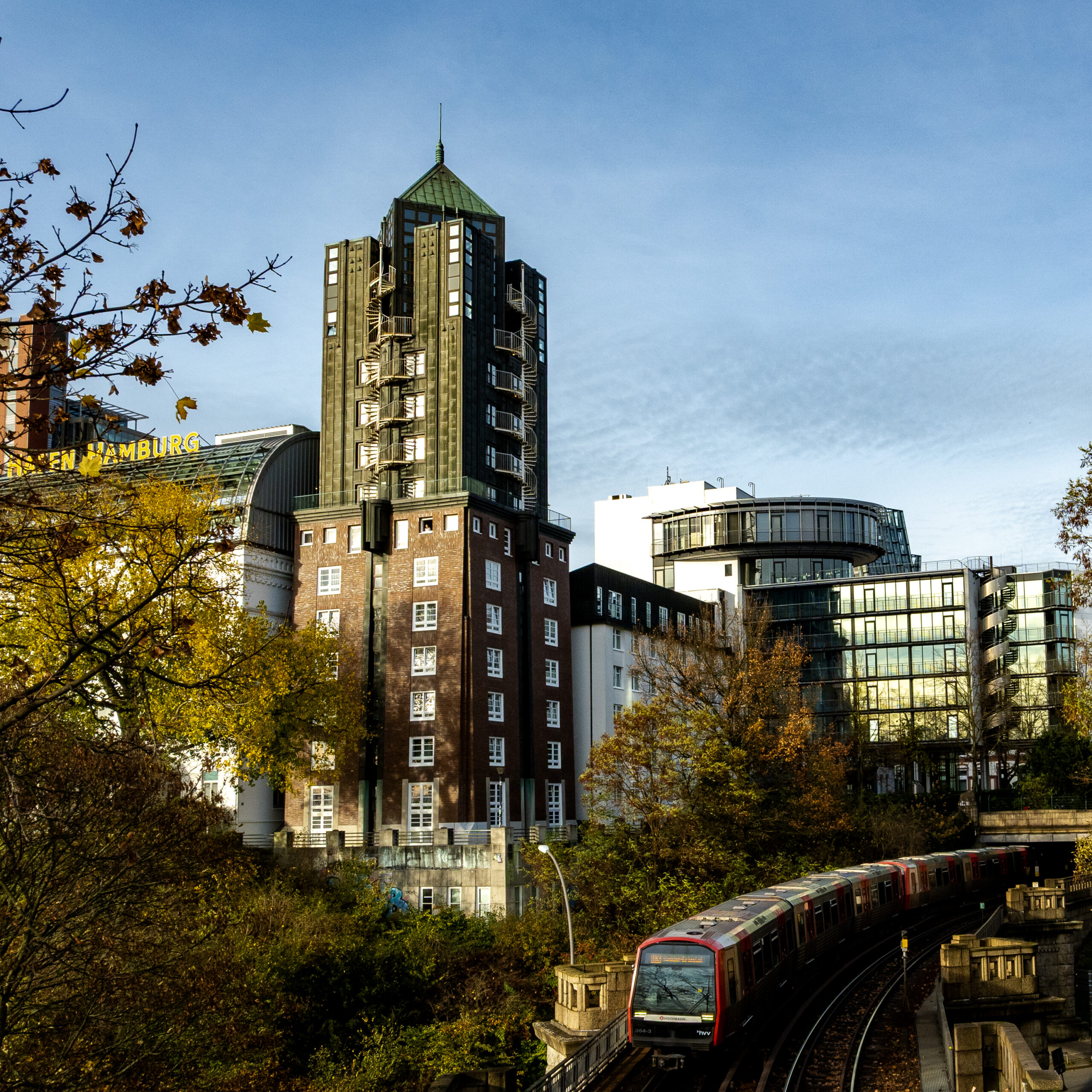
Hamburg is about five hours from Stuttgart by ICE (inter-city express) train. From near the very south of Germany up to the very north. It’s Germany’s largest port city, despite being some 70km from the North Sea. For hundreds of years ships have traveled up the Elbe River to be loaded and unloaded in the docks at Hamburg. The nautical history of the city led to the growth two very prominent districts in the city, the Speicherstadt and St Pauli’s.
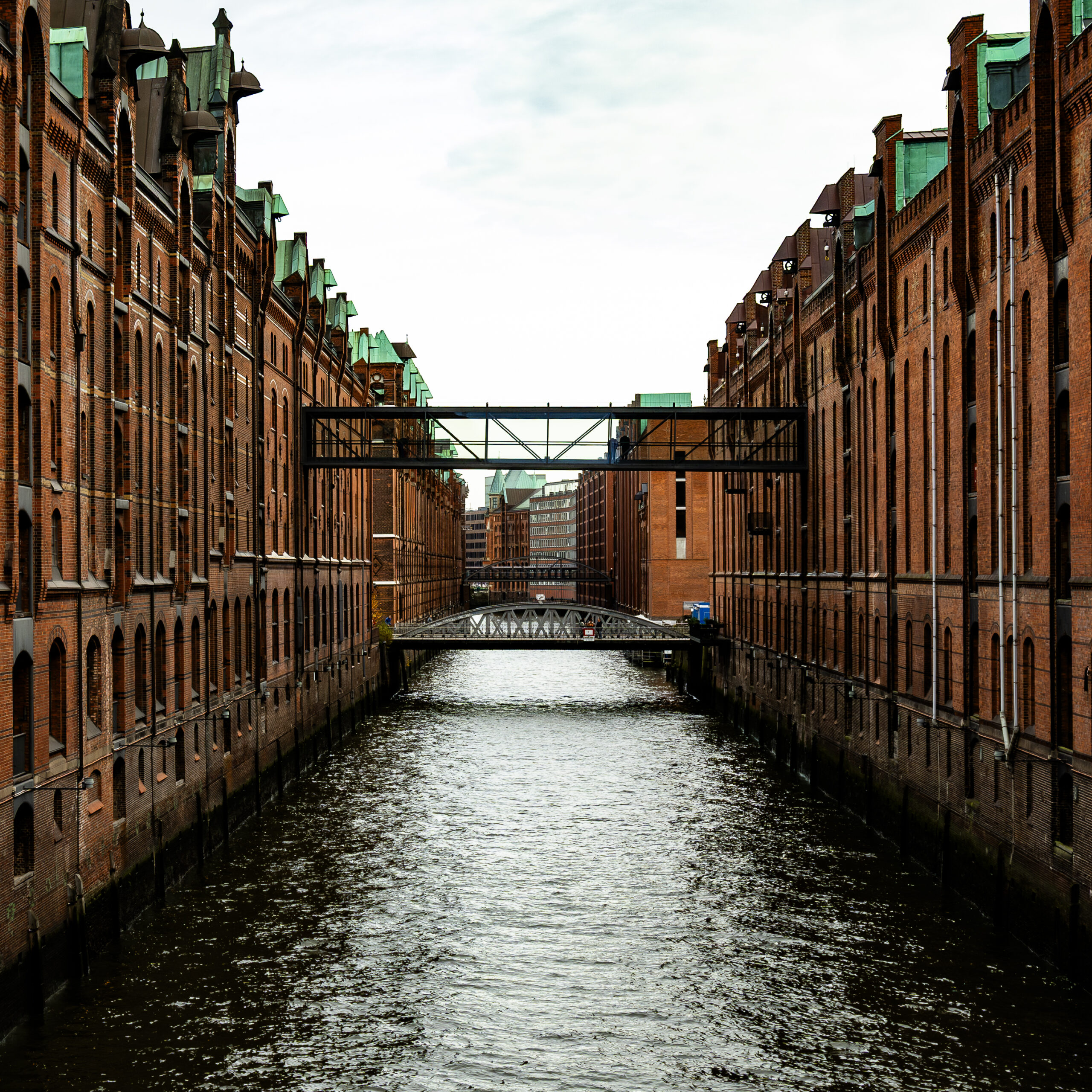
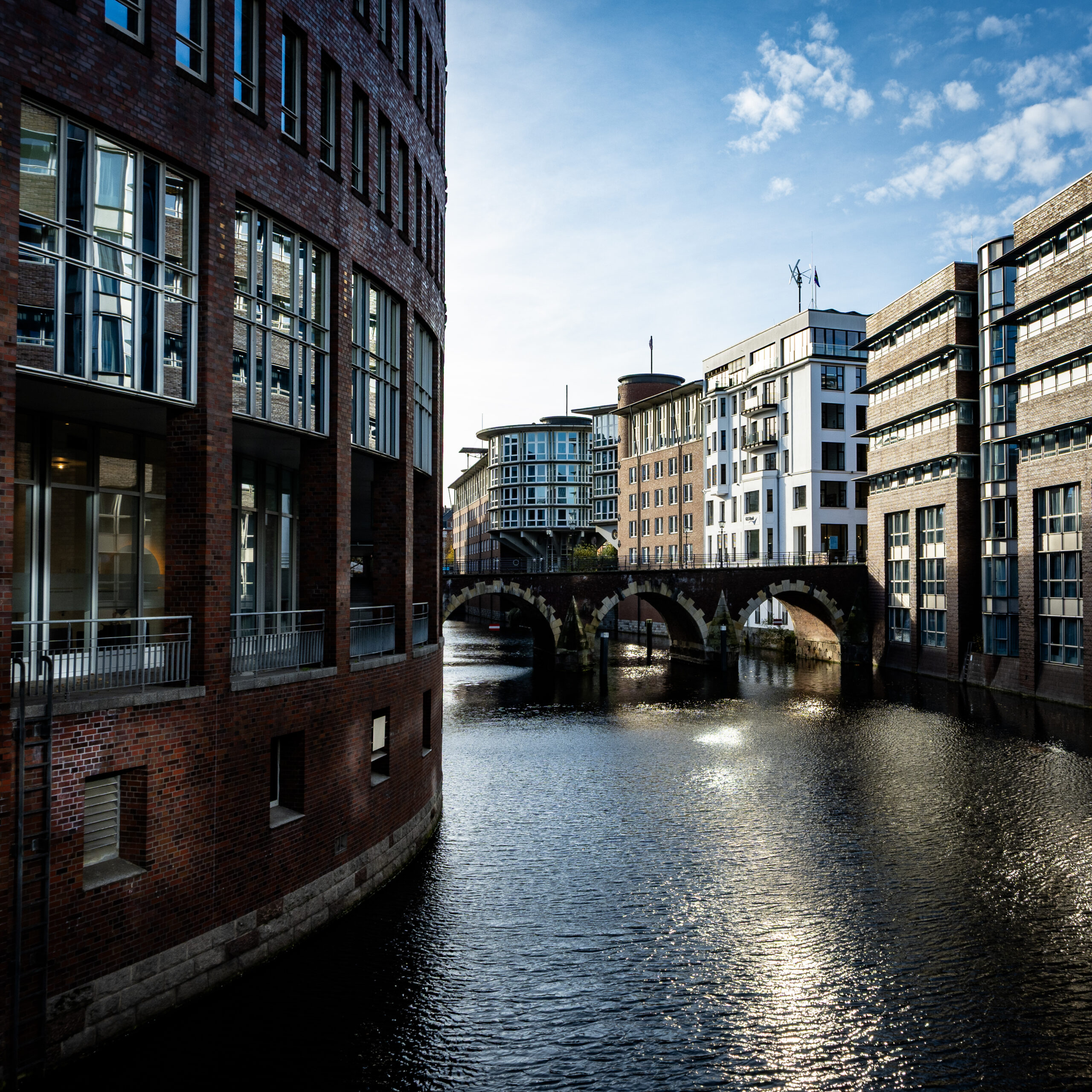
The Speicherstadt, also known as the “City of Warehouses”, is just what that moniker implies. A historical warehouse district, recognized as a UNESCO World Heritage site. The warehouses in question are large 6-8 story brick buildings built in a Neo-Gothic style, separated by a series of canals that run throughout the district. The warehouses are covered in small brickwork decorations, with ornamental features everywhere you look. The effect is a rather beautiful area to walk around, somewhat removed from the industrial, utilitarian nature of the buildings themselves.
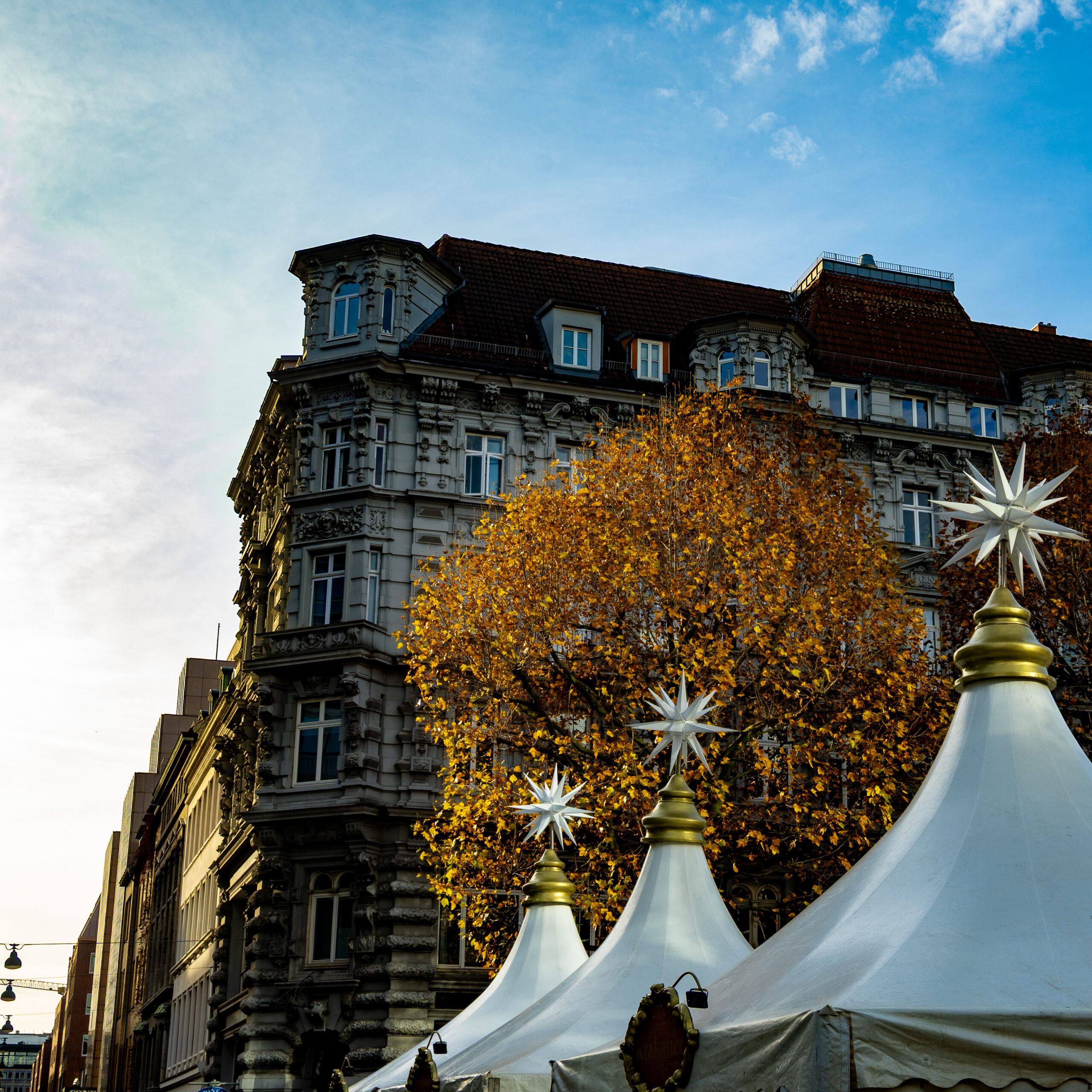
If the Speicherstadt is where the sailors did their work, St. Pauli’s is where they went to play, especially on the Reeperbahn. The Reeperbahn (“rope walk”, denoting it history as a center of the rope making industry) is Hamburg’s Red Light District. Rather than being hidden away in backstreets and alleys, the Reeperbahn occupies a major road with large theatres and more benign entertainment venues on one end and on the other, a large collection of strip-clubs, peep shows, sex shops, and, for some reason, a number of bars promoting beer pong. A large Christmas market was being set up along a promenade when I visited. St Pauli truly is an all in one entertainment district.
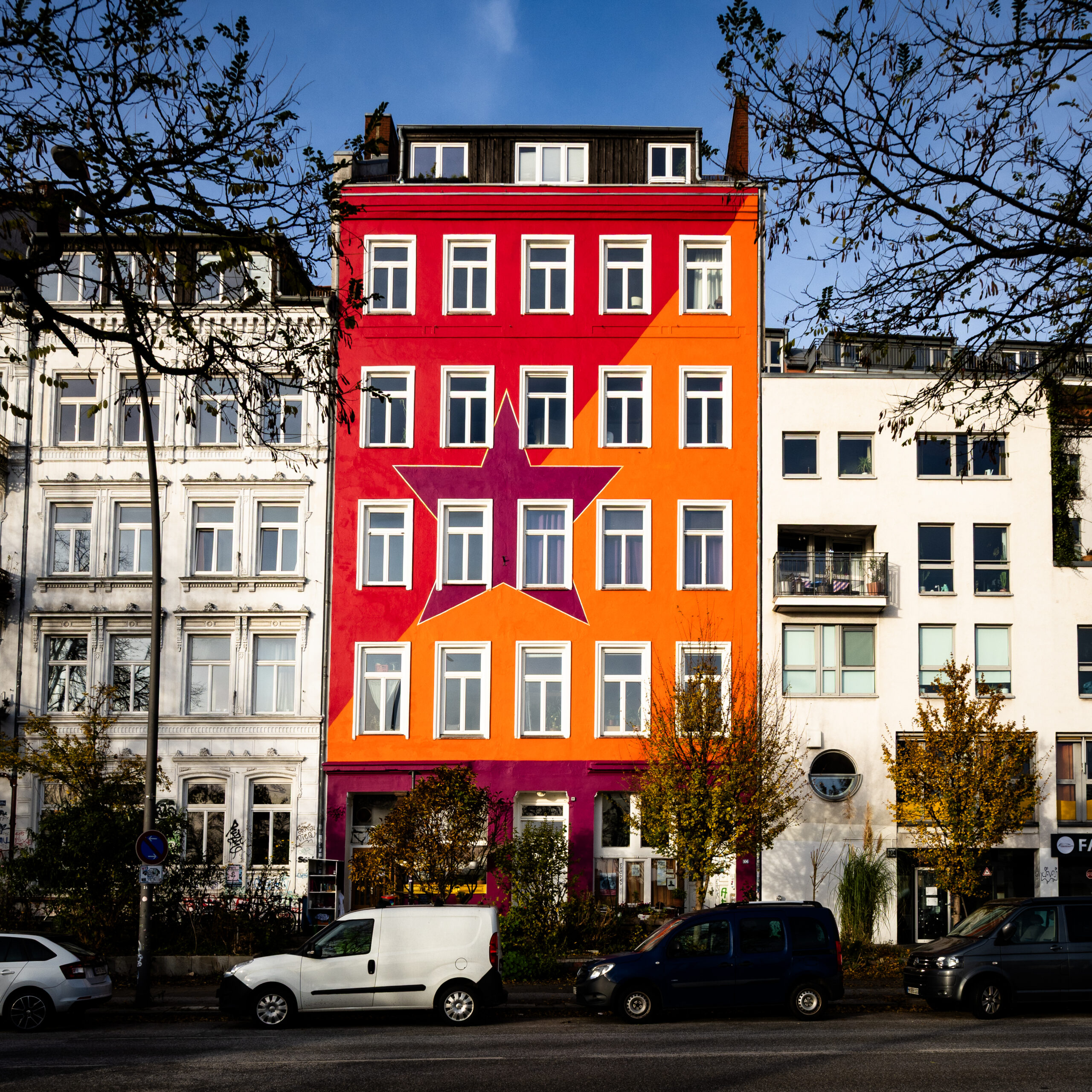
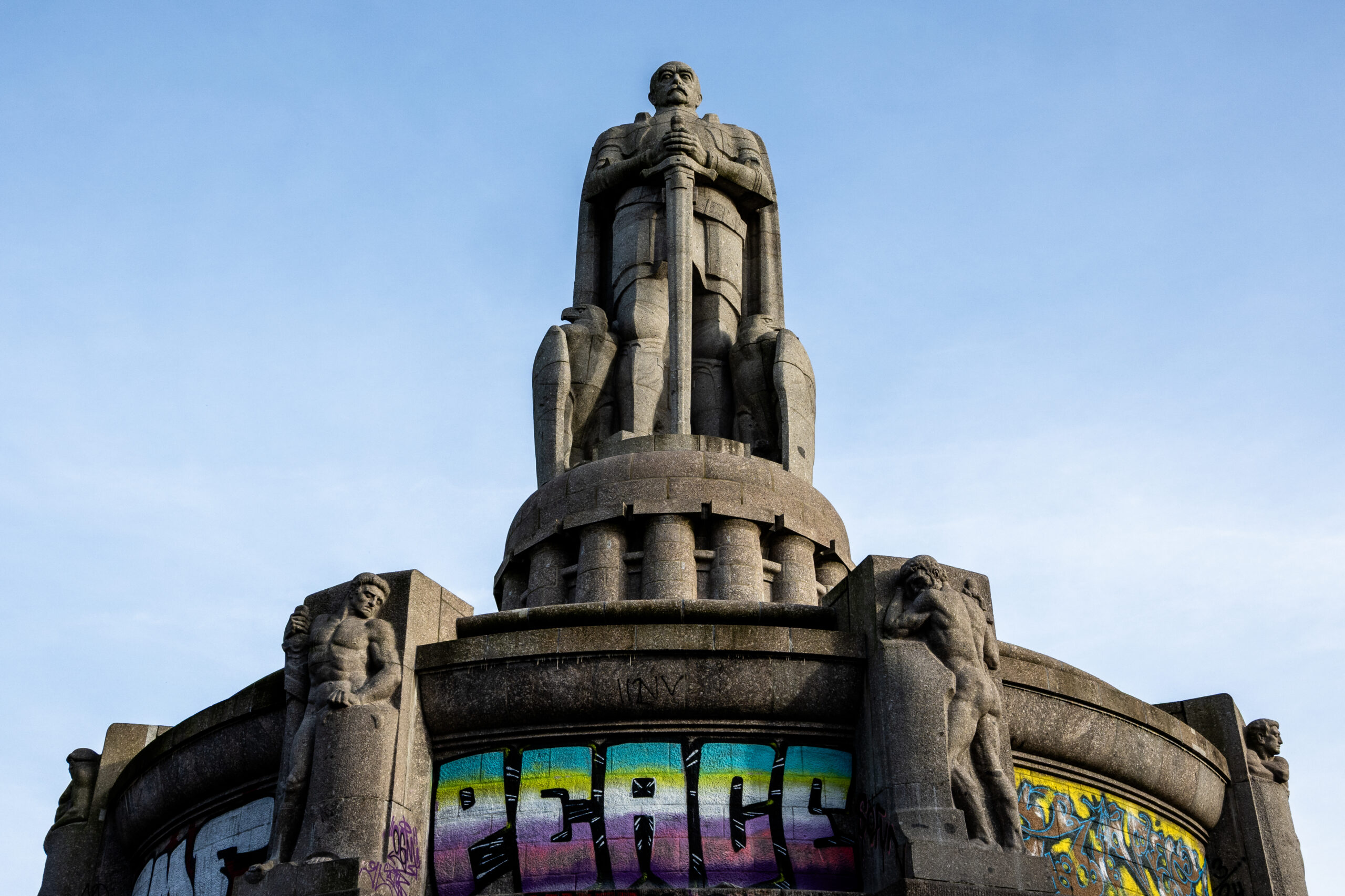
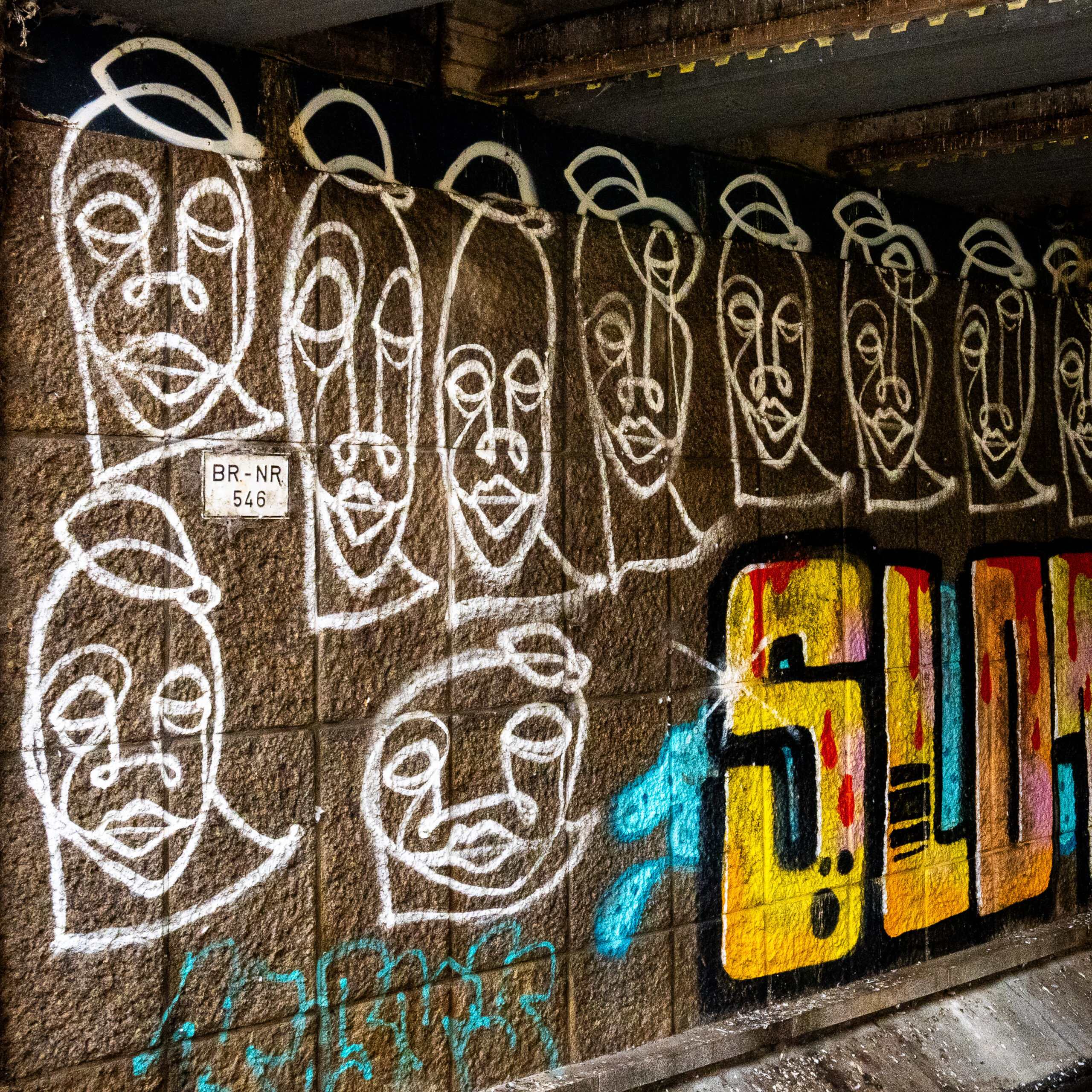
My impressions of Hamburg were generally positive. But at first glance, the city seemed a little rough around the edges. This was largely informed by the area of the city that I stayed in. Sternschanze is packed with graffiti-covered restaurants, cafes, clubs, bars, boutiques. Literally every surface within two meters of the ground is covered in spray paint, stickers and wheatpaste posters. Some building owners have sought some reprieve from the illicit art by commissioning official murals, but even then, there is no guarantee that the taggers will not seek to leave their mark if they spot the opportunity.
Emerging for the S-Bahn station into the graffitied streets of Sternschanze was a bit of a shock coming from the idyllic forested suburbs of Stuttgart. This was a city, rough and gritty. Punk beyond a mere aesthetic. It was cold, wet and unwelcoming in the early evening darkness. Even the door to the hostel resolved to be a barrier, stuck hard in its frame, refusing to pay heed to my fruitless pulling. Ringing the bell did nothing either, no one was coming to my aid. Tired after a long day of travel, it took me a least three or four minutes to understand what I was doing wrong. It was a push, not a pull.
(Which is how I learned a weird quirk about German doors, especially in older buildings. They’re not guaranteed to swing outward. I’m not sure why I hadn’t run into this much in other European cities and their old buildings. But for some reason, not all German doors have been updated for modern fire safety standards. So, if it doesn’t open when you really put your back into it, maybe try pushing.)
On reflection, I now know that my troubles with the hostel door were foreshadowing of my general experience with the Instant Sleep Backpacker’s Hostel. To date, I think this was my least favorite hostel that I’ve stayed in. It’s a fairly small hostel, occupying the third and fourth floor of a commercial building. I booked a bed in a 12 person dorm, so I wasn’t exactly going in expecting roses but this place was odd in ways that I didn’t expect.
The room itself wasn’t all that bad. The other occupants were generally nice, quiet, and respectful. I had a good conversation with a couple of my roommates one night, even despite our differing opinions on matters in the world, we got along fine. The oddness was largely contained outside of the room. Other guests were not quite as respectful, with private rooms hosting bumping discos complete with hoots and hollers, and maybe a small moshpit or two. These parties would go on late in to the night, compounded by the fact that the hostel is either above or below (I never did figure it out)a bar that didn’t seem to close until about 3am on weekends.
Then there were the hostel amenities. In an effort at sustainability, the bathrooms of the hostel did not provide paper towels for drying your hands. Instead, there were a large stack of microfibre cloths, and a bin for disposing cloths after use. This worked fine, but there were never enough cloths to last the day. By about 5pm, it was normal to expect that there would be no clothes left and they wouldn’t be replaced until about 10 or 11am the following morning, leaving you to either air dry or wipe your hands on your pants.
I could go on and on about my dissatisfaction with this place but rather than risk boring you, I’ll leave it with this abridged list: the door to the men’s shower room was a beaded curtain, the kitchen was usually disgusting and seemed to only have a single bowl, one stall in the men’s bathroom was out of order but for some reason was occupied, for my entire five day stay, by a ladder, paint can, roller, and a tray of gelatinous, dried paint.
My first two, full days in Hamburg were spent exploring the streets of the city. It’s a very walkable place and I managed to cover a lot of ground in those days. Both days featured relatively clear skies, which I was grateful for after the previous day’s rain. But, despite the sunshine, the days were chilly and the light only lasted so long.
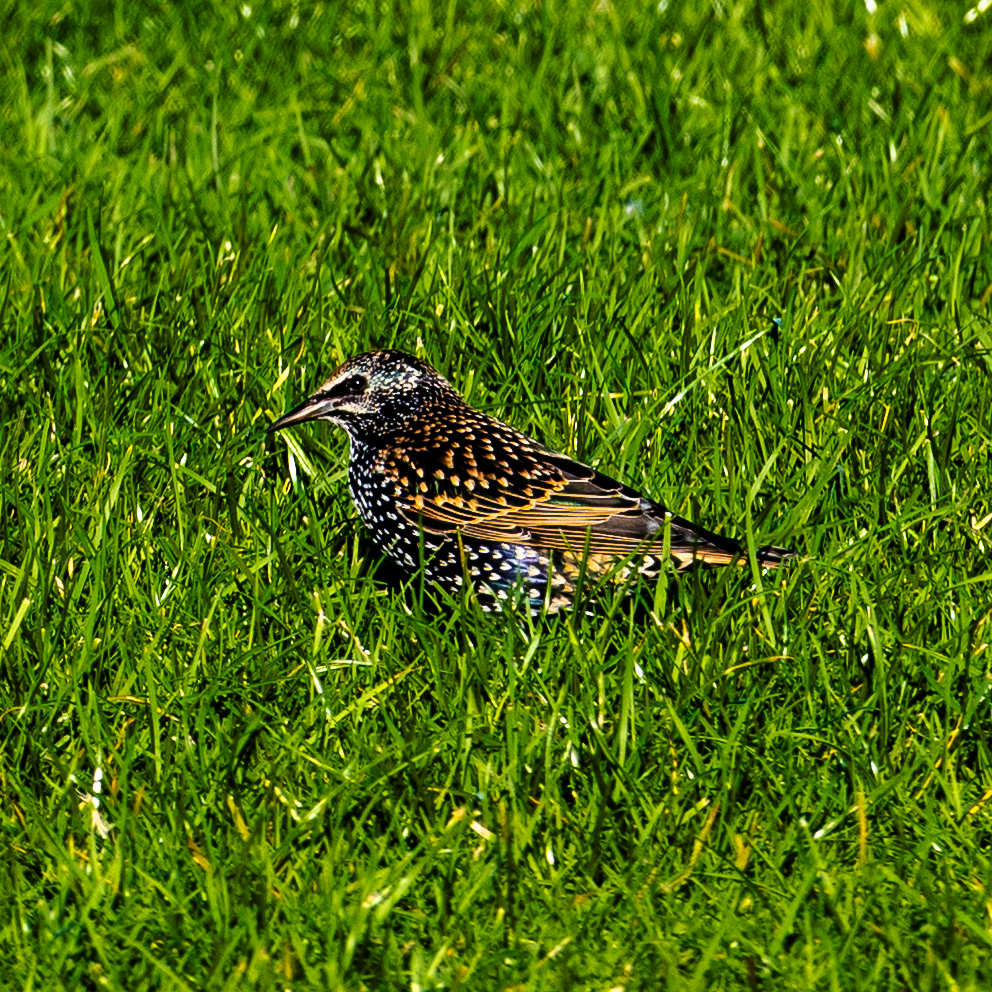
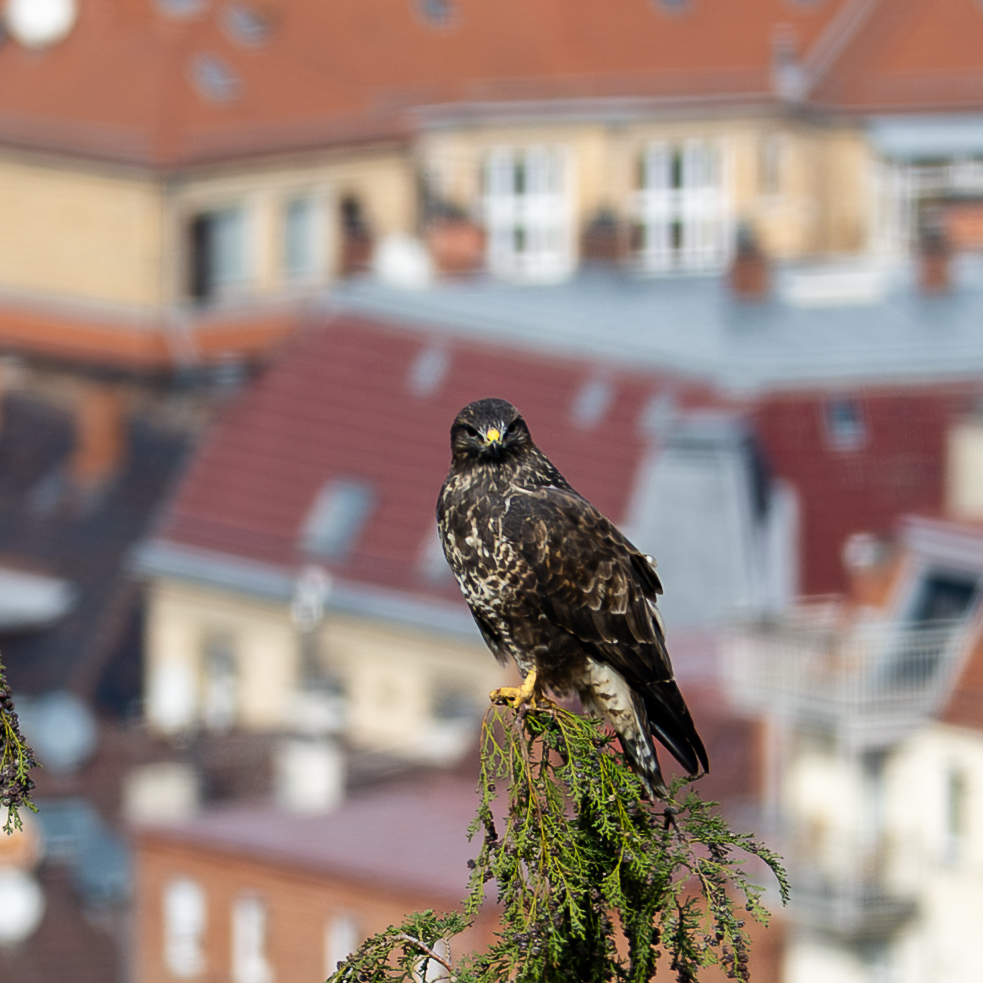
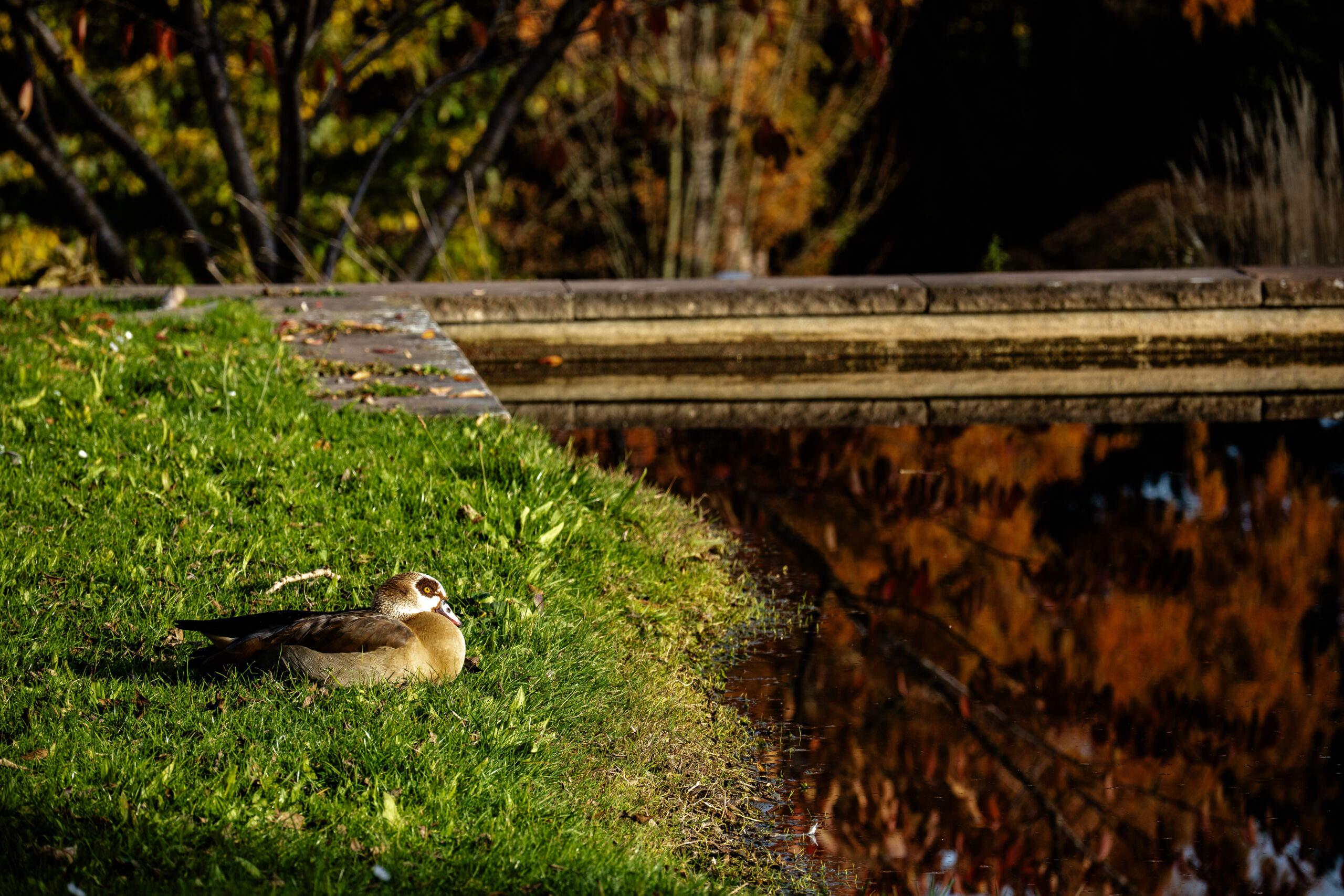
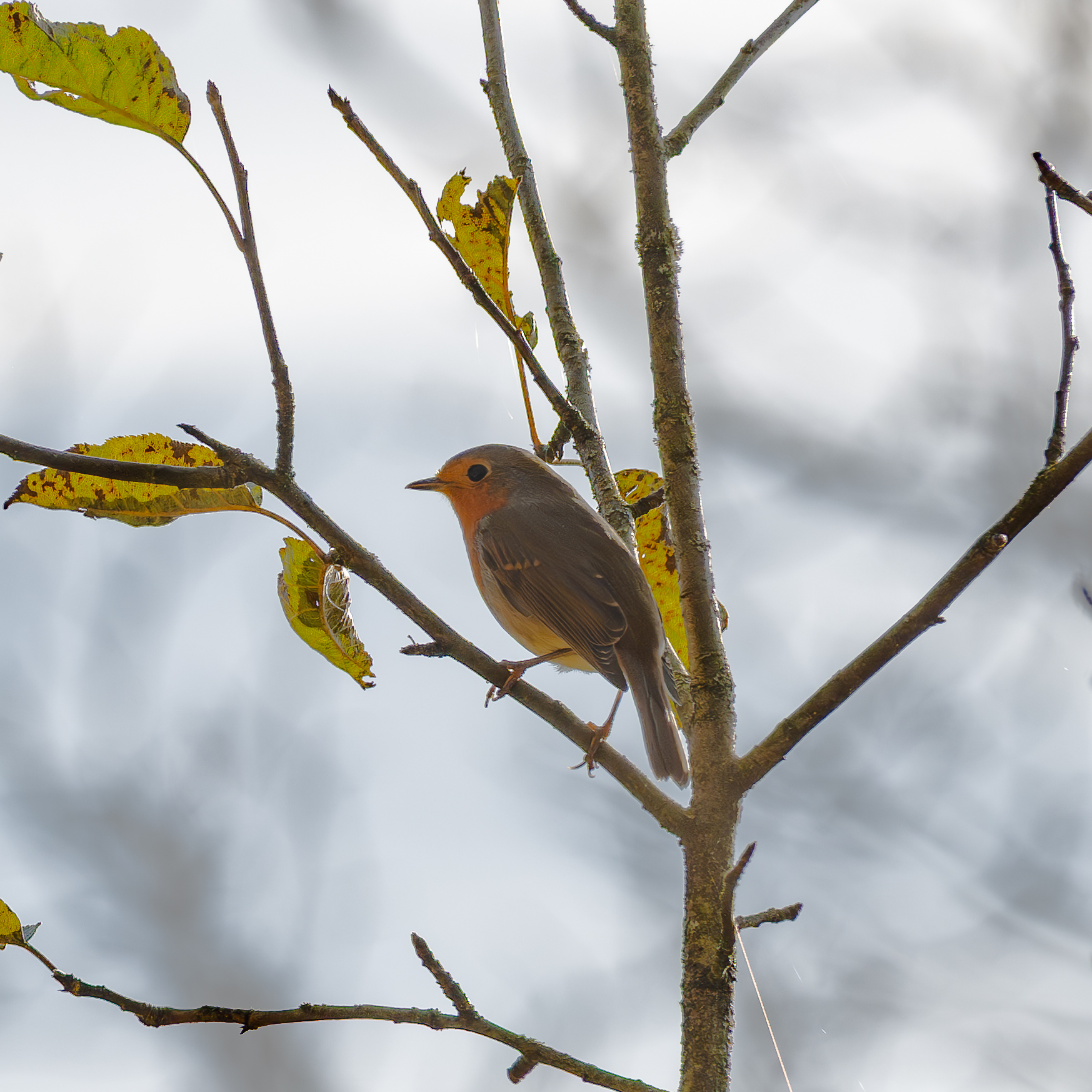
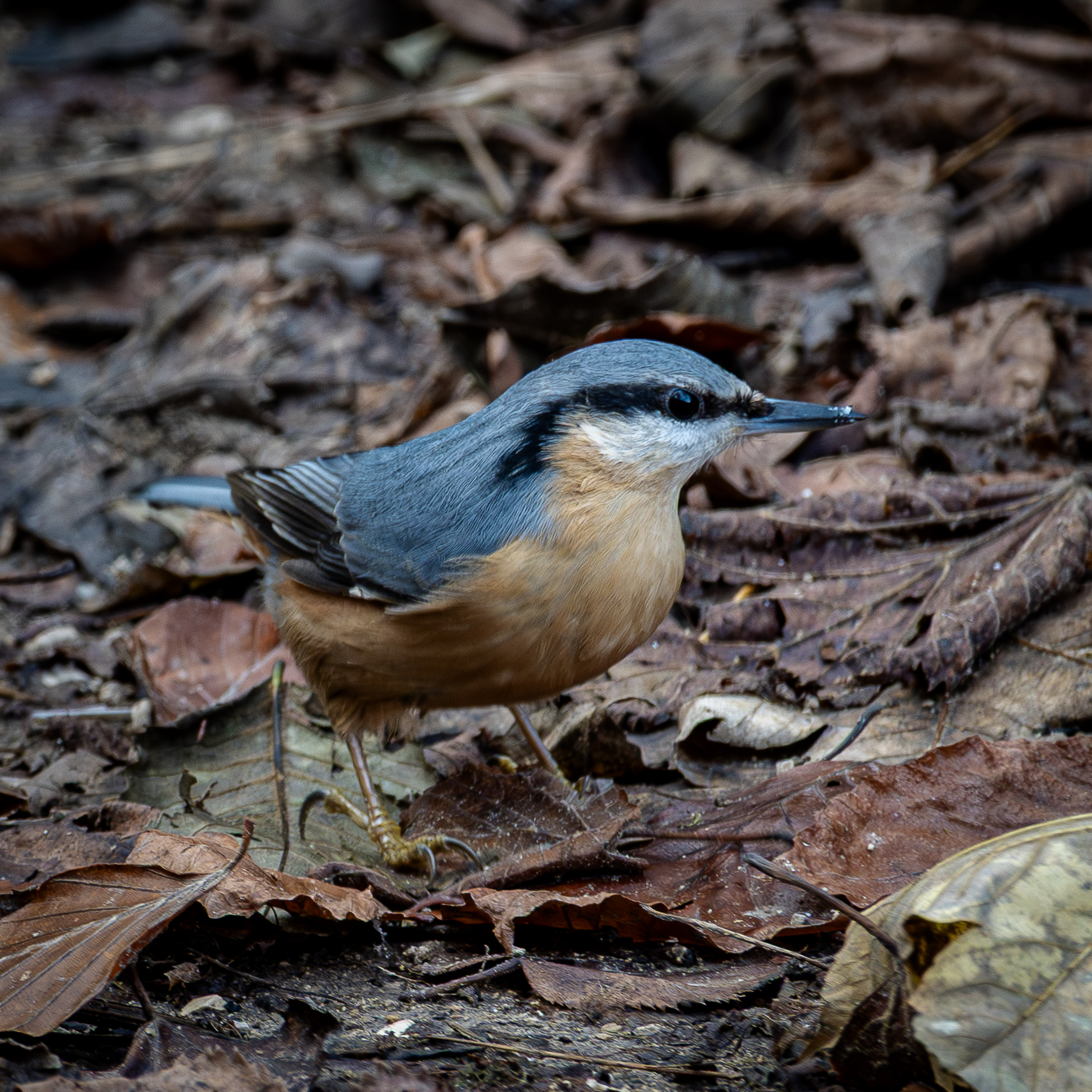
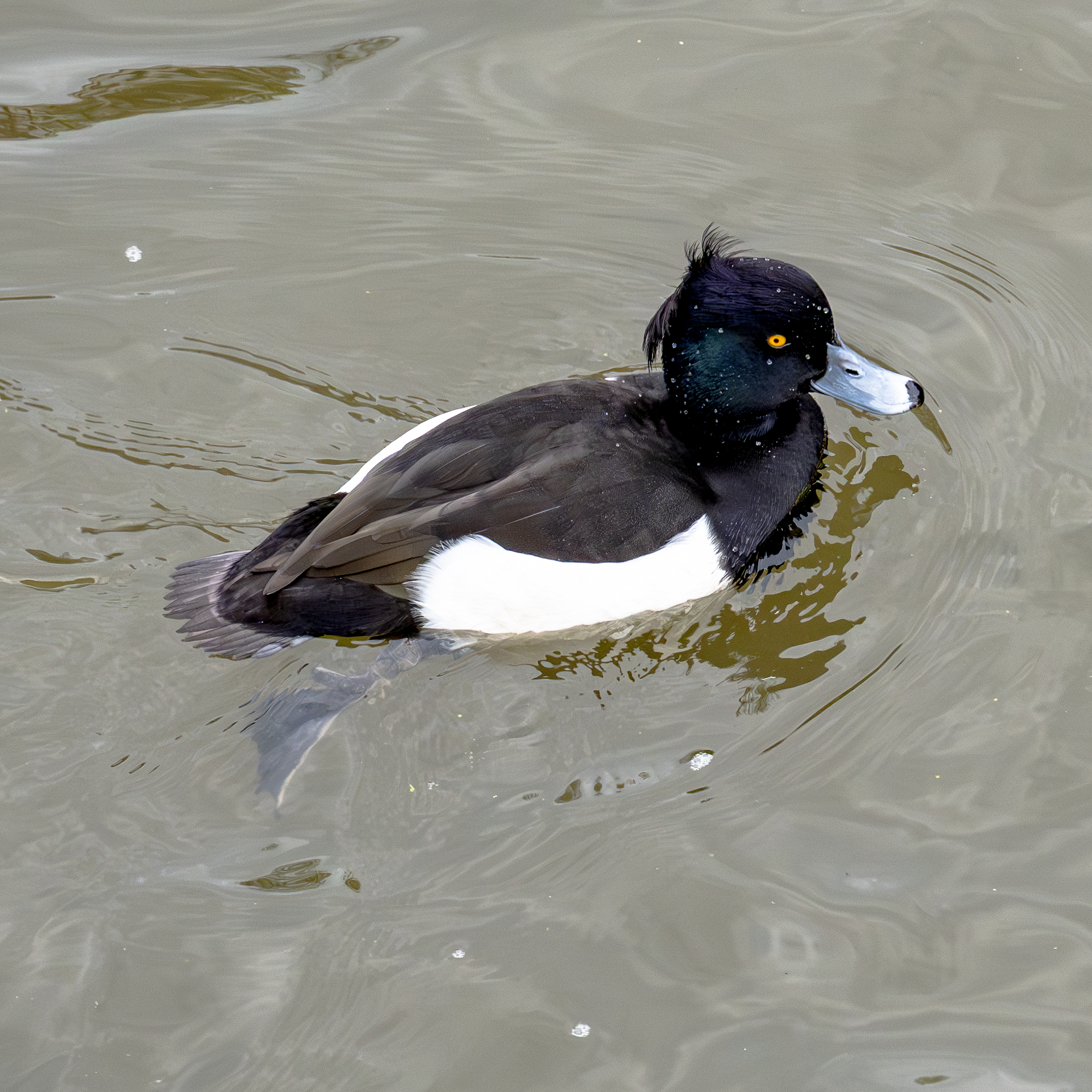
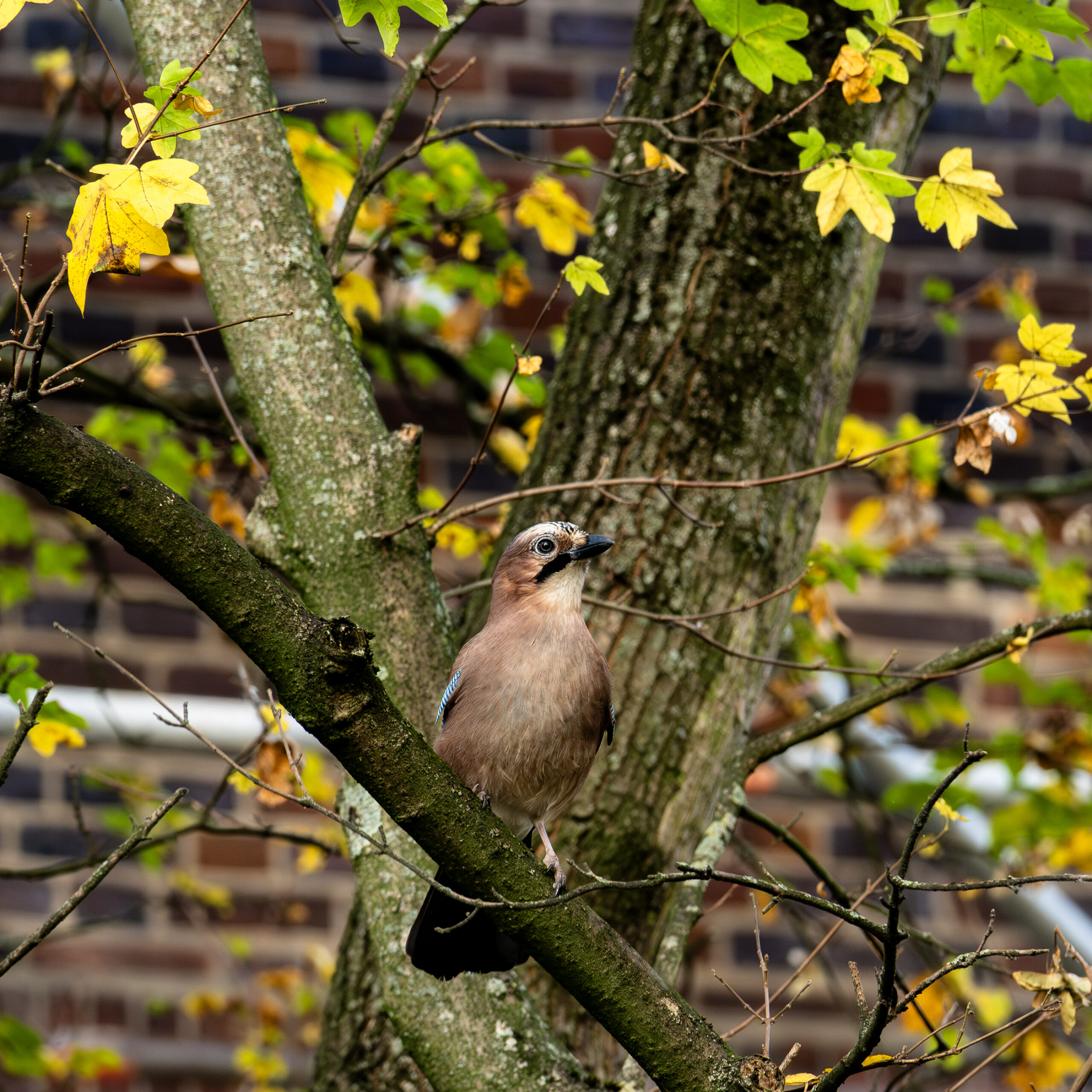
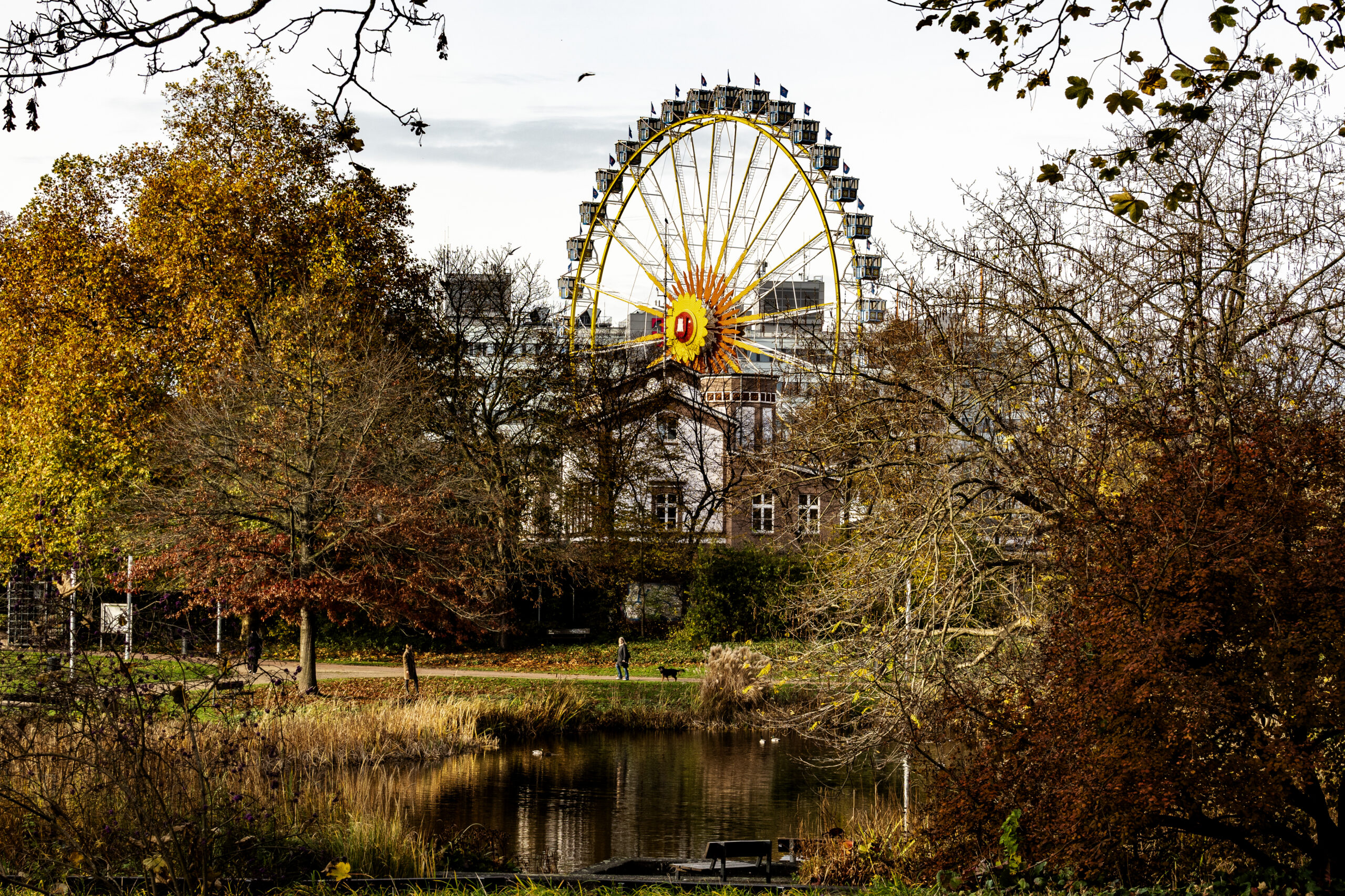
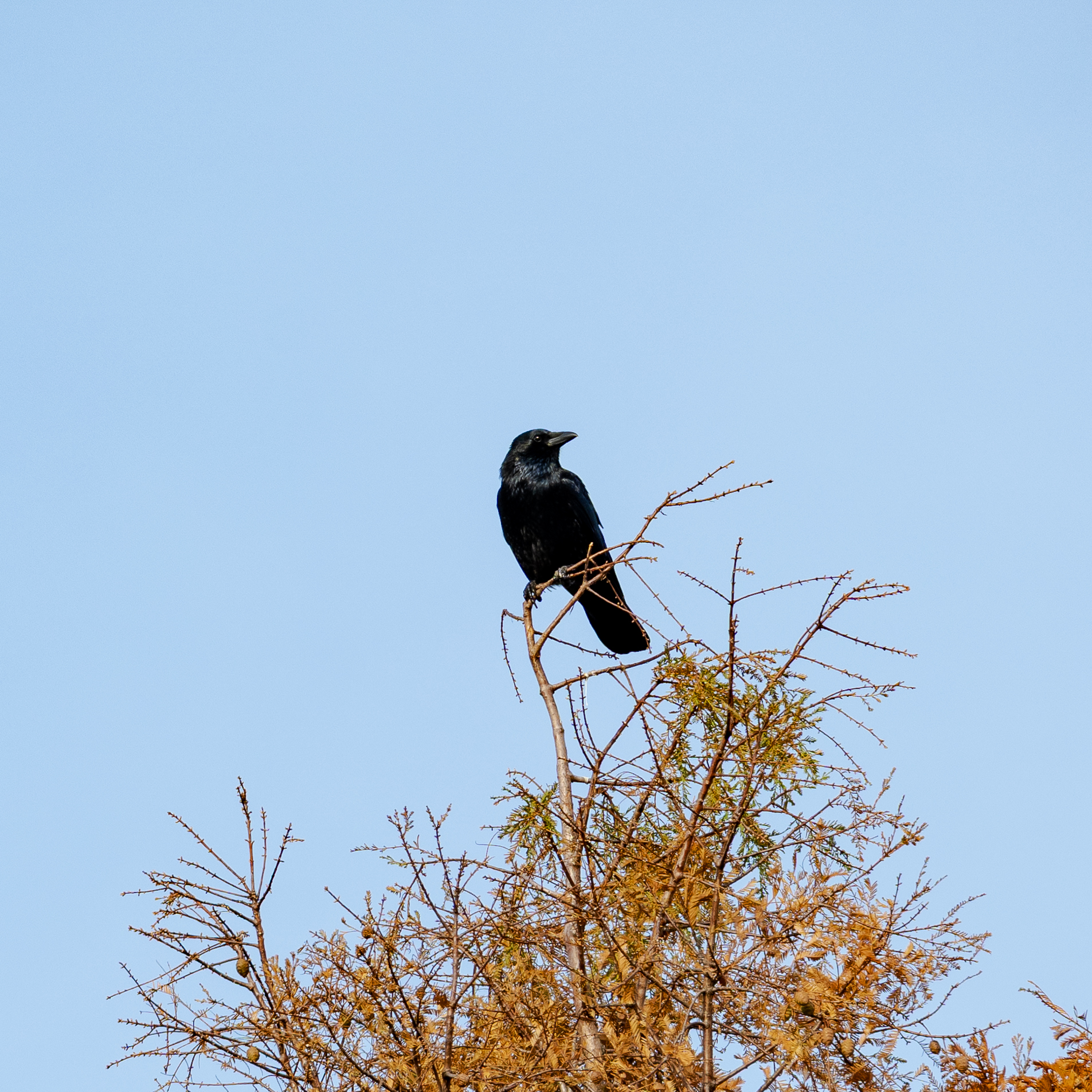
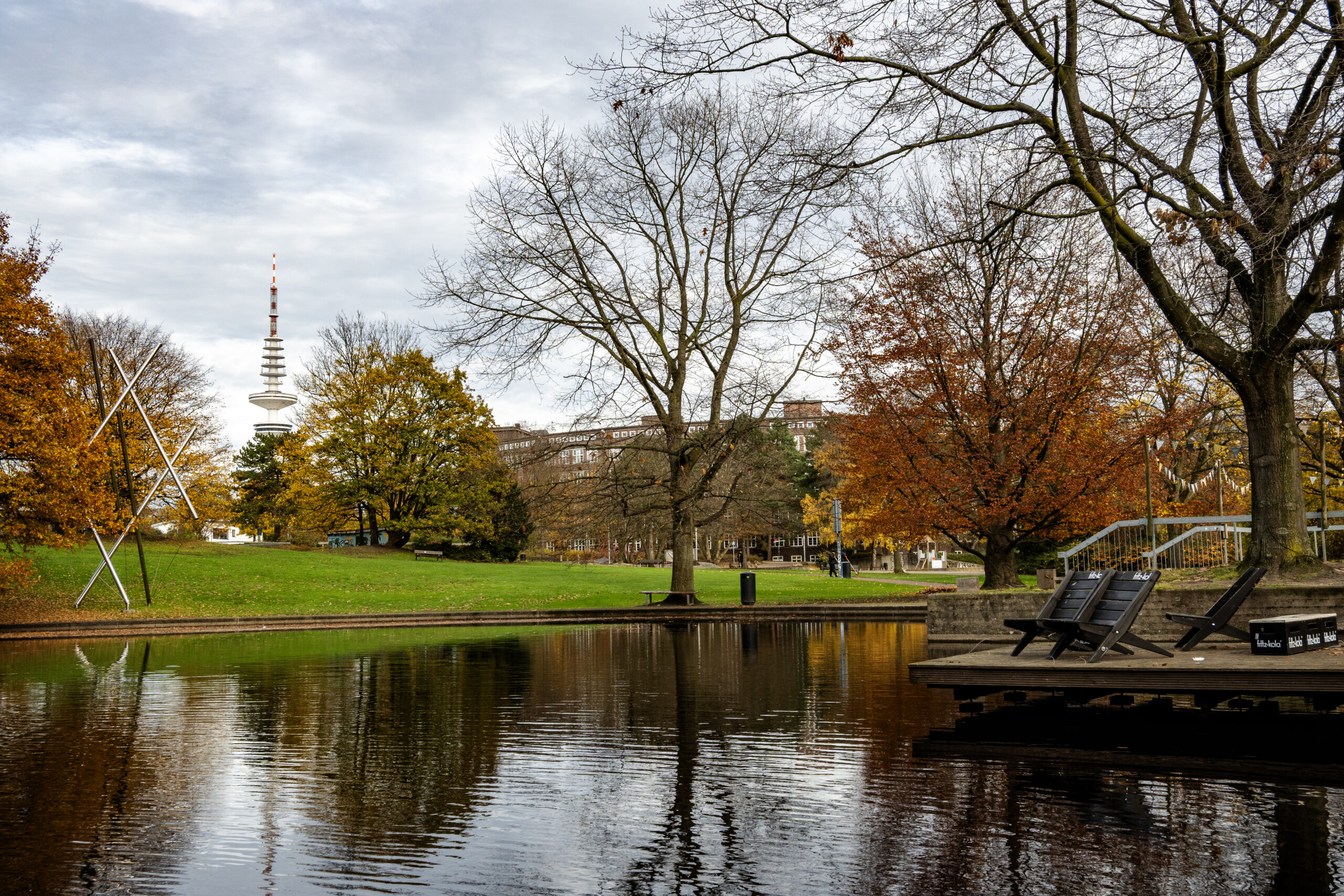
As I mentioned, the area around my hostel, Sternschanze, is absolutely covered in street art and tags. And I fully expected that to carry throughout Hamburg, but I was pleasantly surprised to find that was not the case. The graffiti largely ends at the edge of the district, and as you move more towards the city center the buildings are largely shiny clean. A series of parks, run along the outskirts of the city center, hosting a series of duck ponds, small cafes and restaurants, and a skating rink. I spent a good couple of hours here, relaxing on a bench reading, and chasing birds with my camera, to and fro through the treetops.
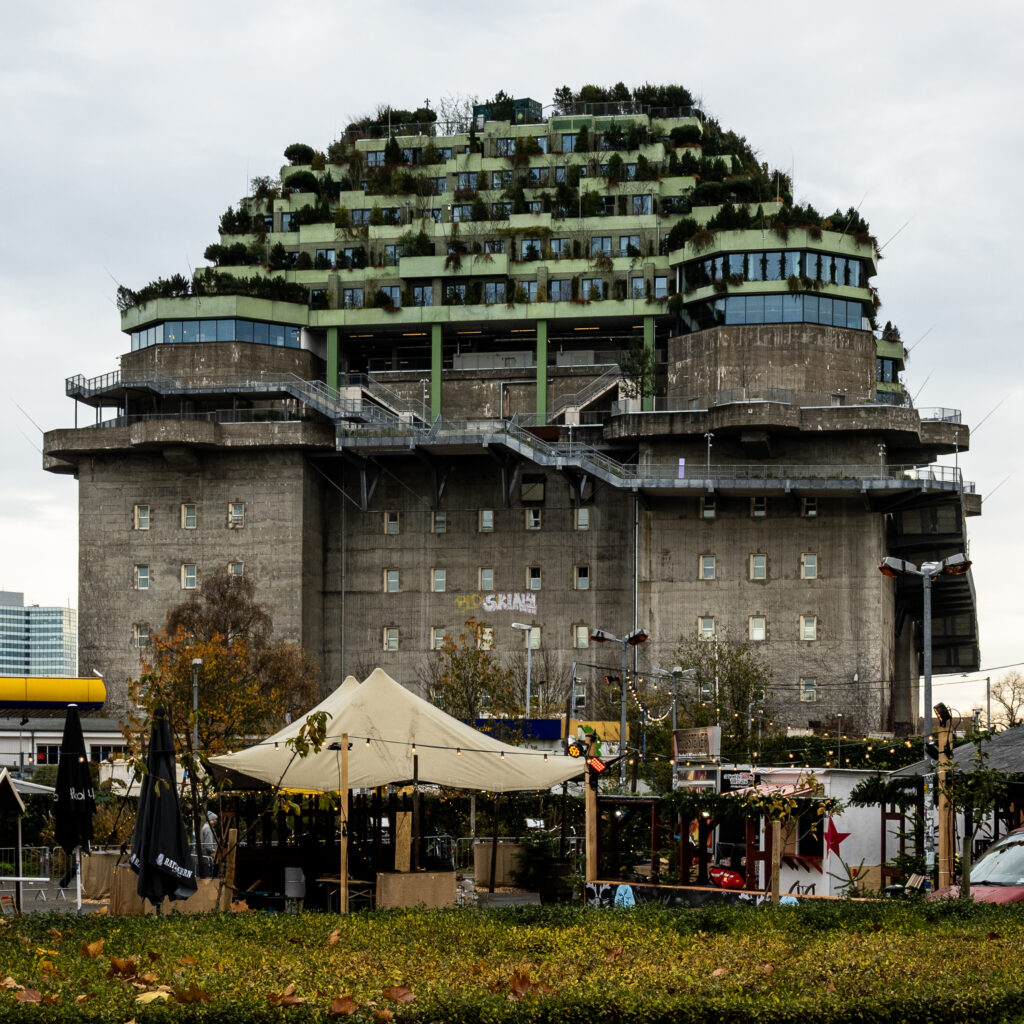
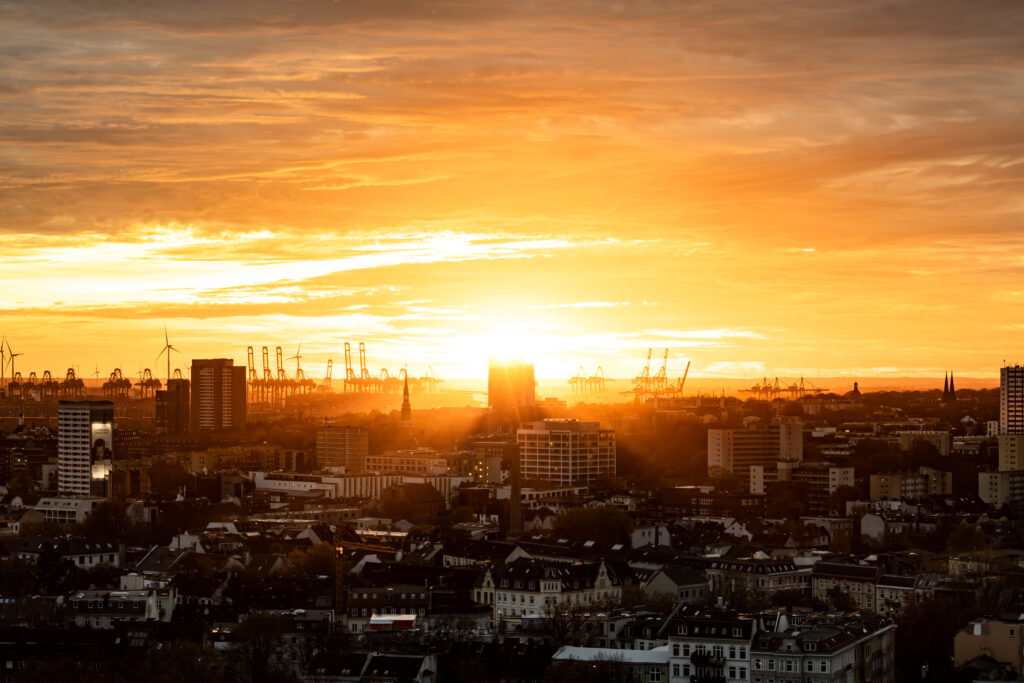
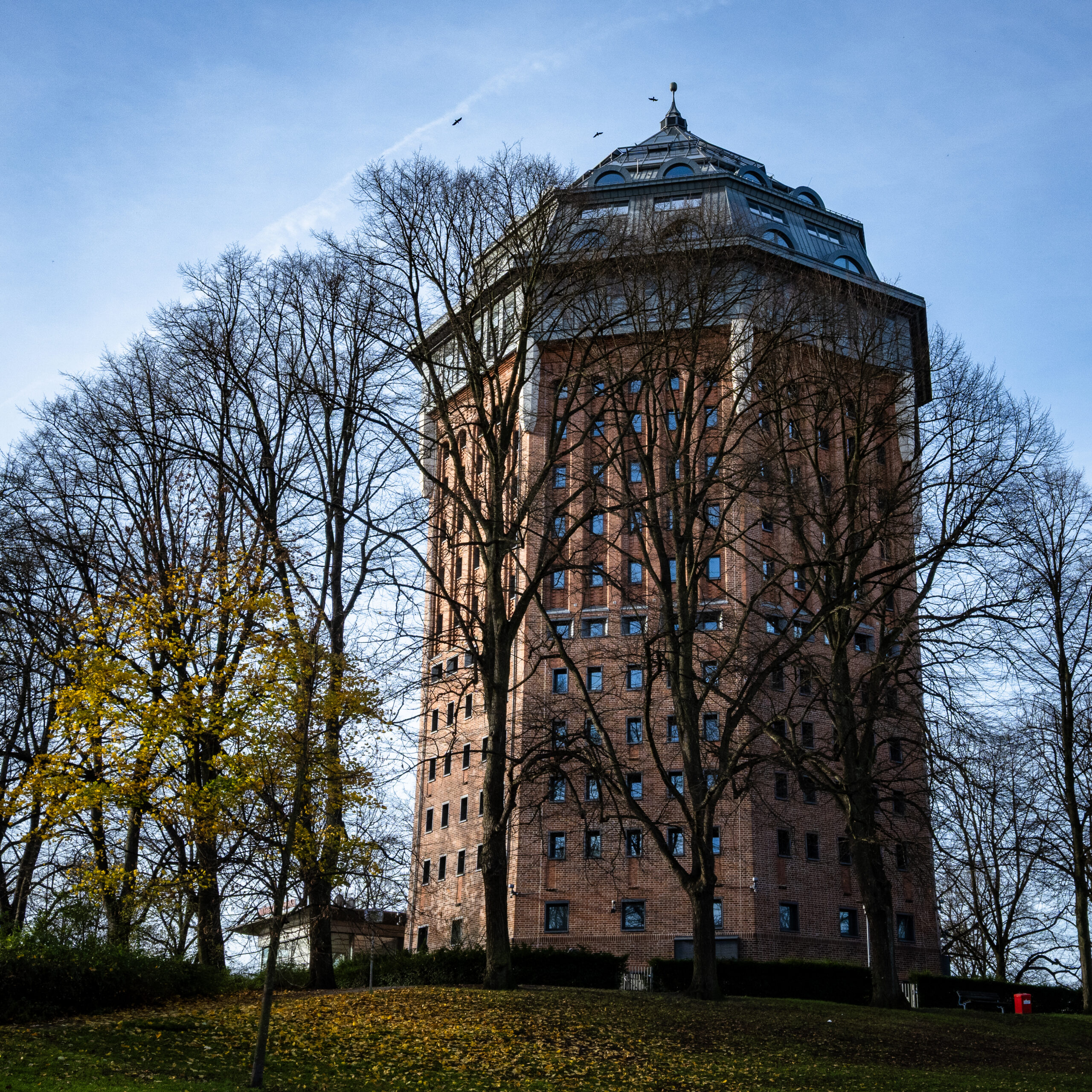
Another of my favorite discoveries was the Hamburg Bunker. Built by forced labor in WWII, the Bunker is the remains of one of two flak towers that provided anti-air defenses during the war. Now, long after the war, the tower has been repurposed with a small museum, hotel, restaurants, sports and music venues, and a rooftop garden open to the public. Directly adjacent to the Bunker is a large fairgrounds that was in full swing with the Hamburg Dom. The Dom is a funfair held three times a year, filled with food, rides, and games. From atop the Bunker was also the perfect vantage point to watch the carnival goers as they made their way through the amusements. And finally, I was blessed with an absolutely gorgeous sunset overlooking the city.
My third day in Hamburg was pouring rain from morning to night. The perfect day to visit a museum. So I made my way to the Hamburg Kunsthalle. The Kunsthalle has an absolutely massive collection of modern and contemporary art, as well as an impressive gathering of European masters. It was an all-day affair exploring the nooks and crannies of the museum. As the day wore on, I realized that I had been absorbing more than I realized from my various outings to art museums. I was beginning to recognize the work of various artists that I had seen previously, leading to a strange sensation of deja vu when I discovered other works in new museums. And from each museum, I came away with a new, small list of artists that resonated with me, perhaps more of their work waiting to be discovered at the next museum.
My final day in Hamburg was an office day. These office days have become a part of my regular routine while traveling. Partly they are a chance for me to rest and stay off my feet for day, or to take care of light chores like laundry or cooking. They are also essential for planning my next steps, handling bookings, doing research, bookkeeping and otherwise just trying to figure things out. With this office day, I made some choices. I knew that I wanted to visit Berlin next, but was also feeling like I had jumped into the deep-end of traveling with the poor experience at the hostel in Hamburg, so I wanted a chance to recover before moving on to Berlin.
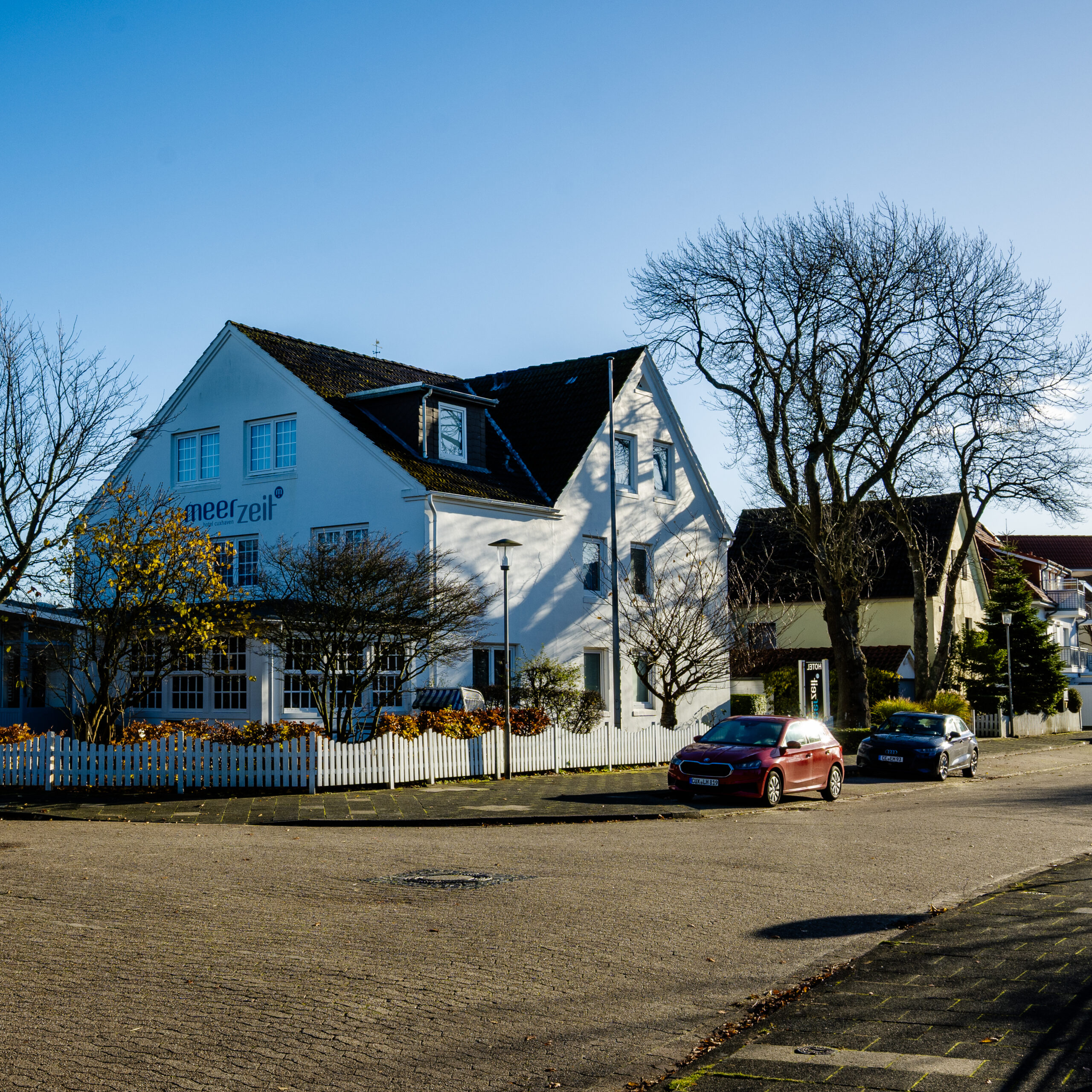
When I was in Stuttgart, one of Rosa’s friends told me that I must make a trip to the North Sea. And with that in mind, I found myself looking at hotels in Cuxhaven, a small resort town about an hour from Hamburg, situated on the mouth of the Elbe where it flows into the sea. It was fully the off-season now, so the resorts were not in operation, but I managed to find a reasonably priced motel on the edge of town. I was excited to have a room and a bathroom all my own and a chance to unwind a little.

Cuxhaven — Nov. 16 – 19
I arrived in Cuxhaven mid-afternoon and made my way to the hotel. Part of the reason that I chose this particular hotel was it’s proximity to the train station, just a short fifteen minute walk away. Little did I know that meant that I would be about a twenty five minute walk away from the main commercial area of the town, but c’est la vie, that was a problem that wouldn’t be need to be broached until breakfast of the following day. For now, I was in for the night, minus a quick trip to the Burger King across the road for dinner. I don’t really recall that evening, but I’m sure it was largely spent relaxing in bed, watching movies and TV, reveling in the solitude of the hotel room.
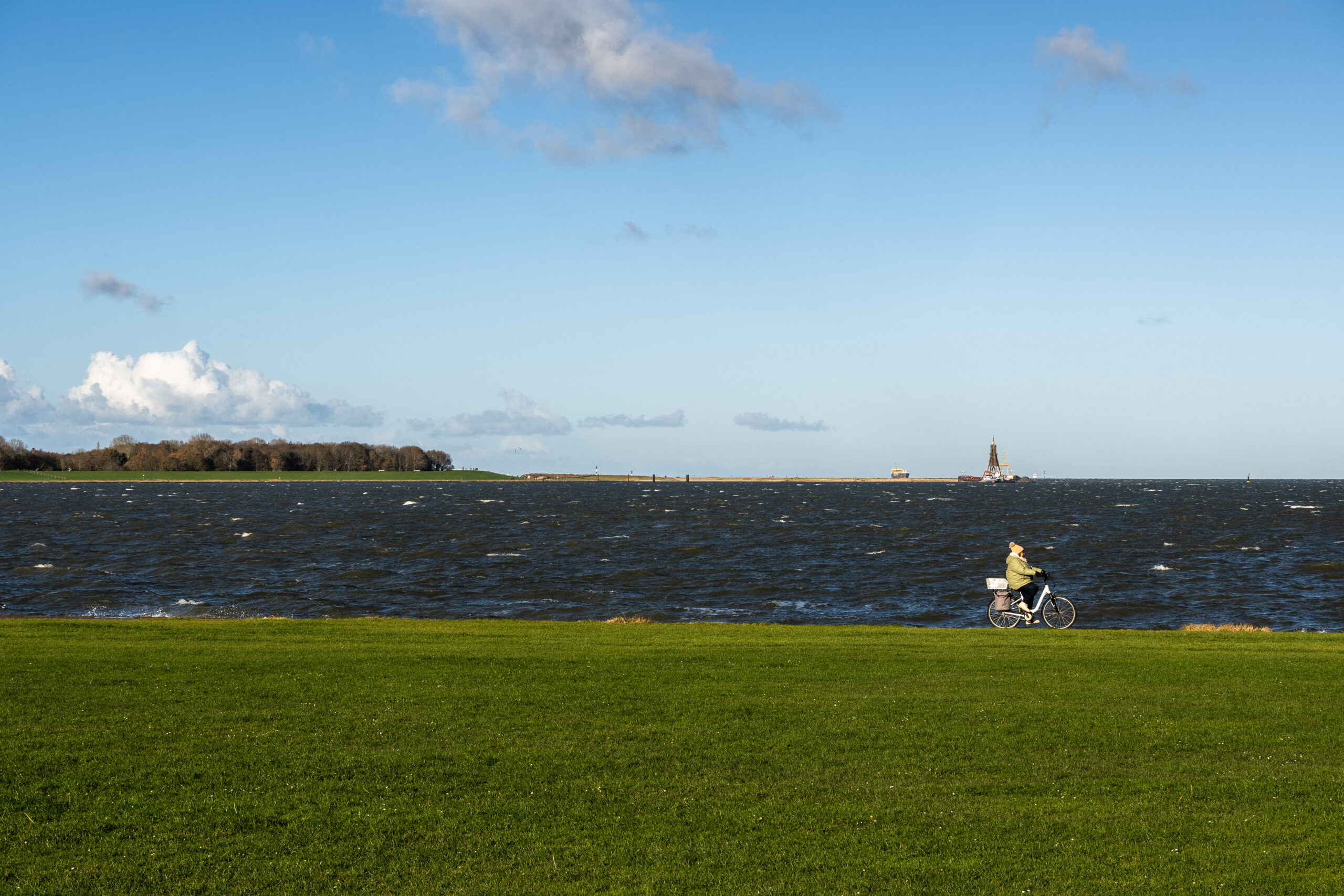
The next day, I set out to explore Cuxhaven. I made the trek to the town centre and found breakfast and coffee in a Backerei. I knew my ultimate goal was to make it to the sea, a couple of kilometers north. Wandering through the town, I found it to be rather charming and quiet. Not exactly a small village, it is a fair size with a good mix of single family homes, row houses and low-rise apartment blocks. It was a clear, sunny day, but it was bitterly cold with a strong wind blowing in off the sea. And that was before I climbed the 10 meter embankment that separated the coastline from the streets.
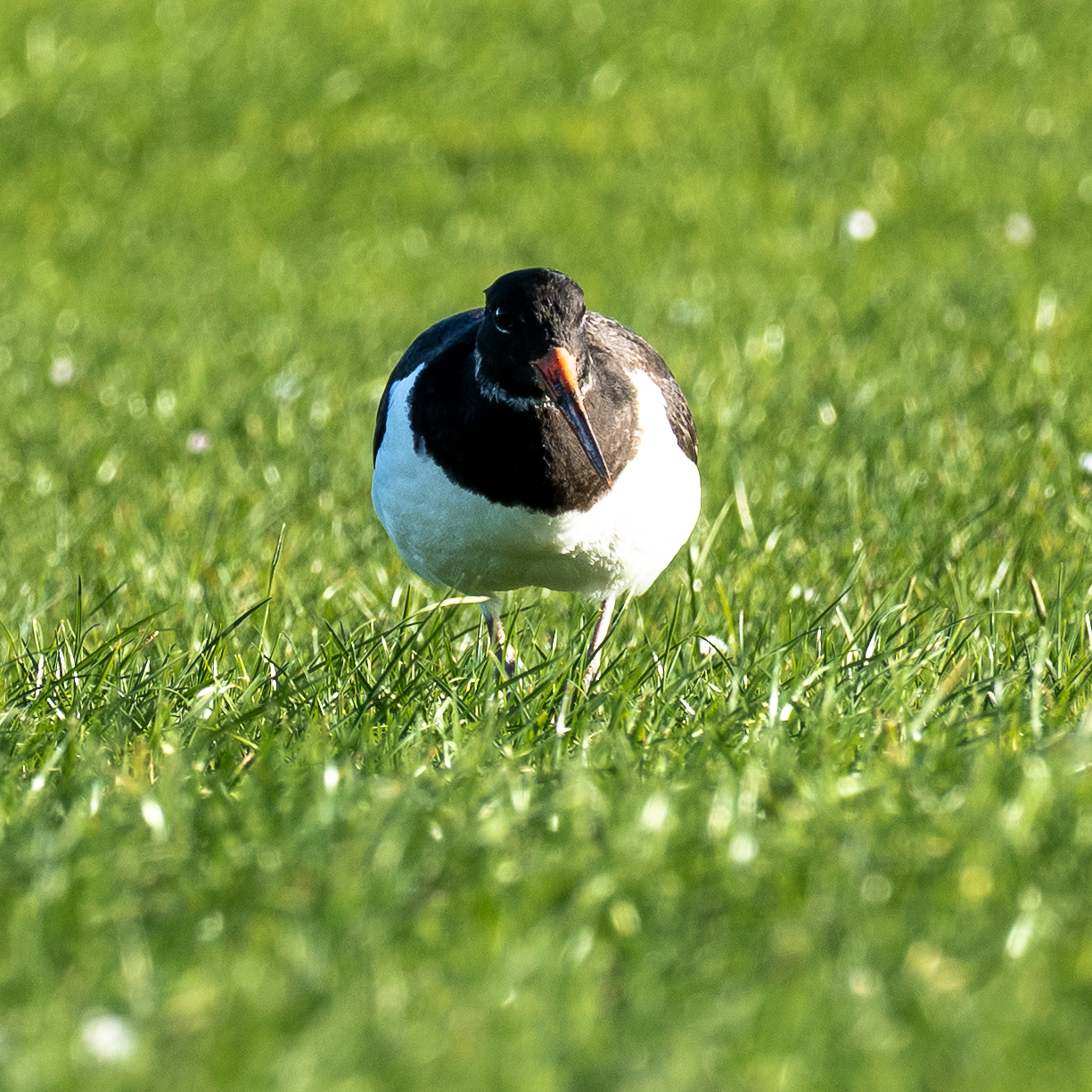
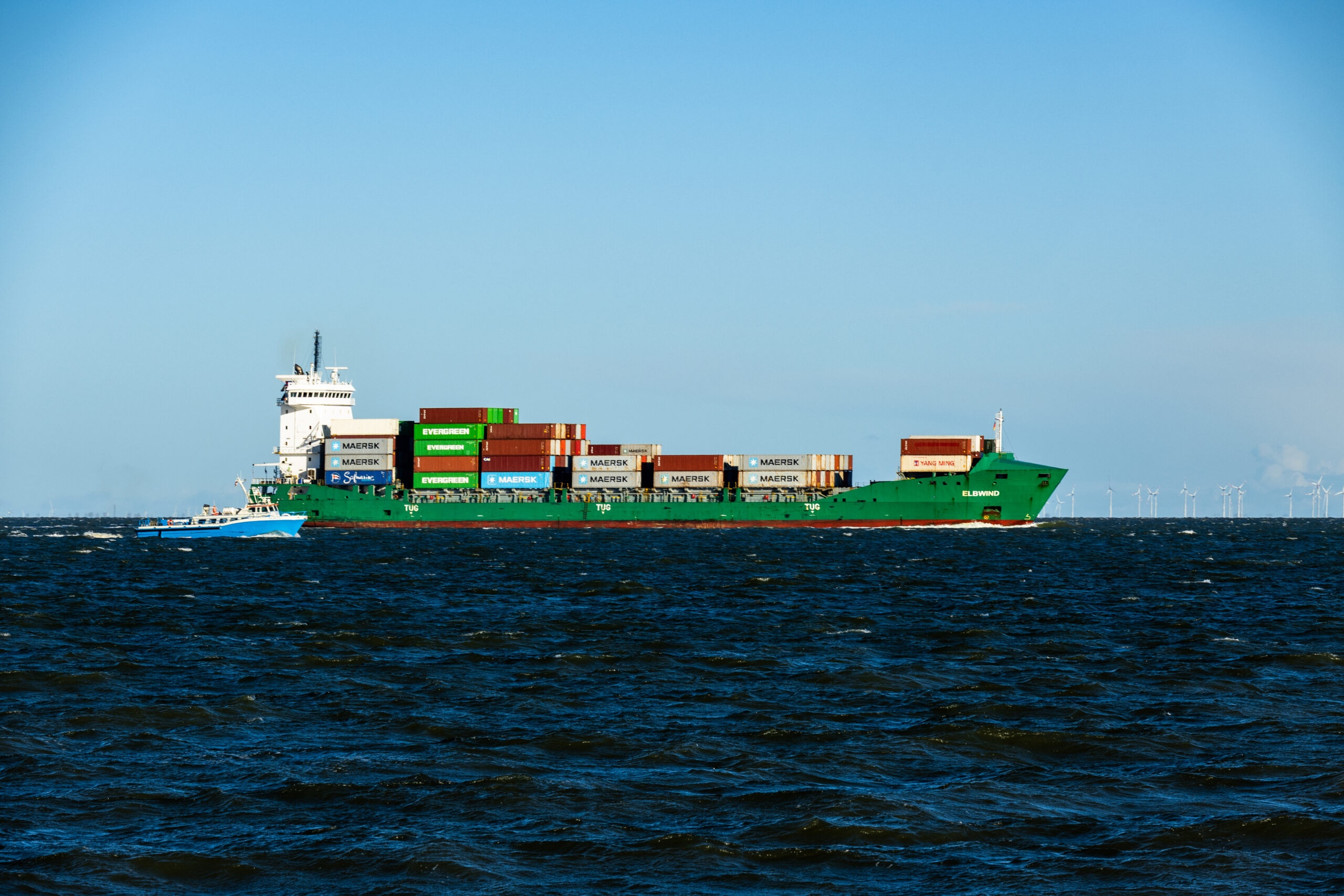
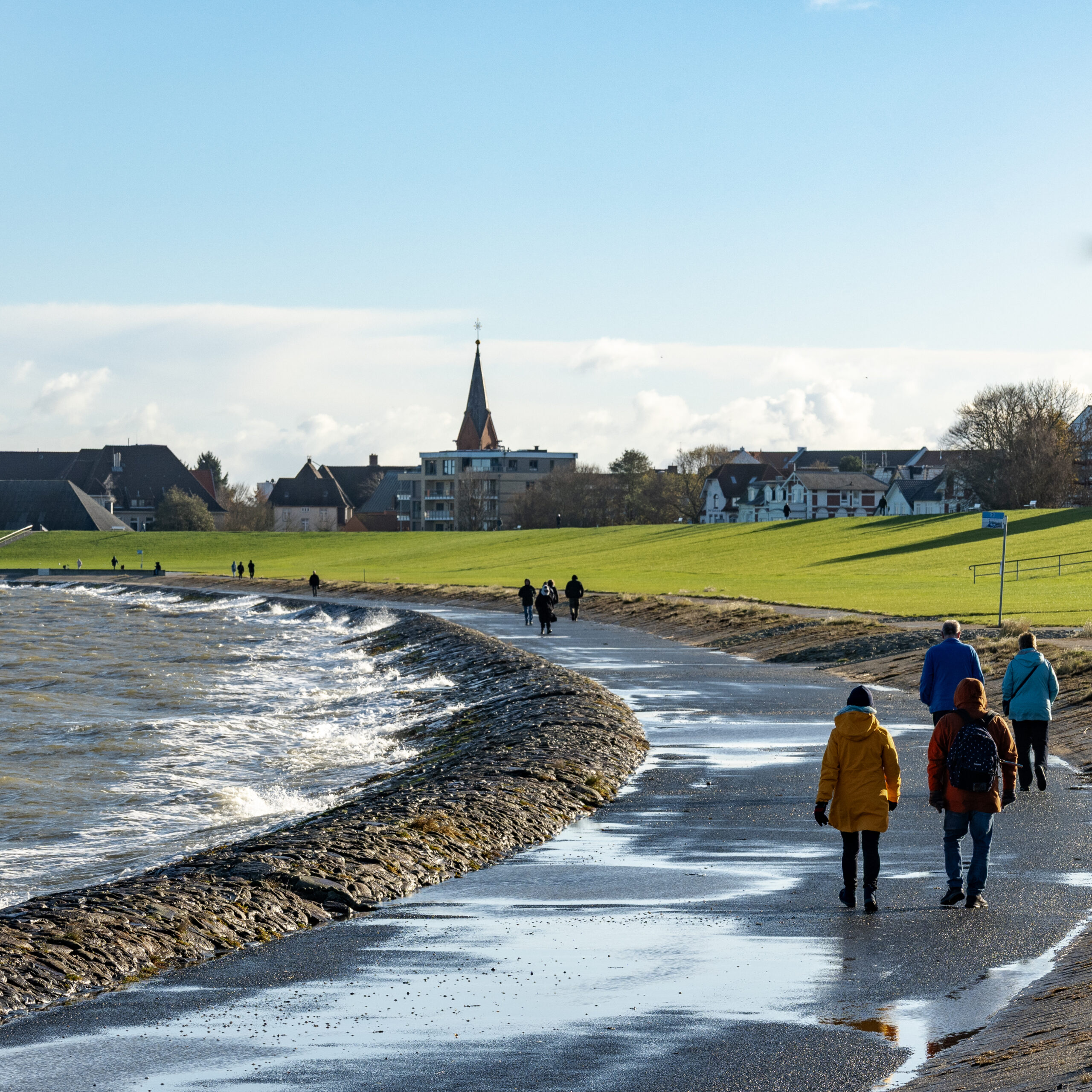
From atop the embankment, the sea stretches out to the horizon. A long park edges along a seawall battered by waves that splash up on to the pathway. Shorebirds rummage through the grass, digging their long beaks into the mud looking for whatever tasty treat they can find. Container ships dot the water here and there, plodding along slowly to their destinations. Small clumps of people brave the winds their hoods pulled up and bodies leaned slightly forward against the gusts.
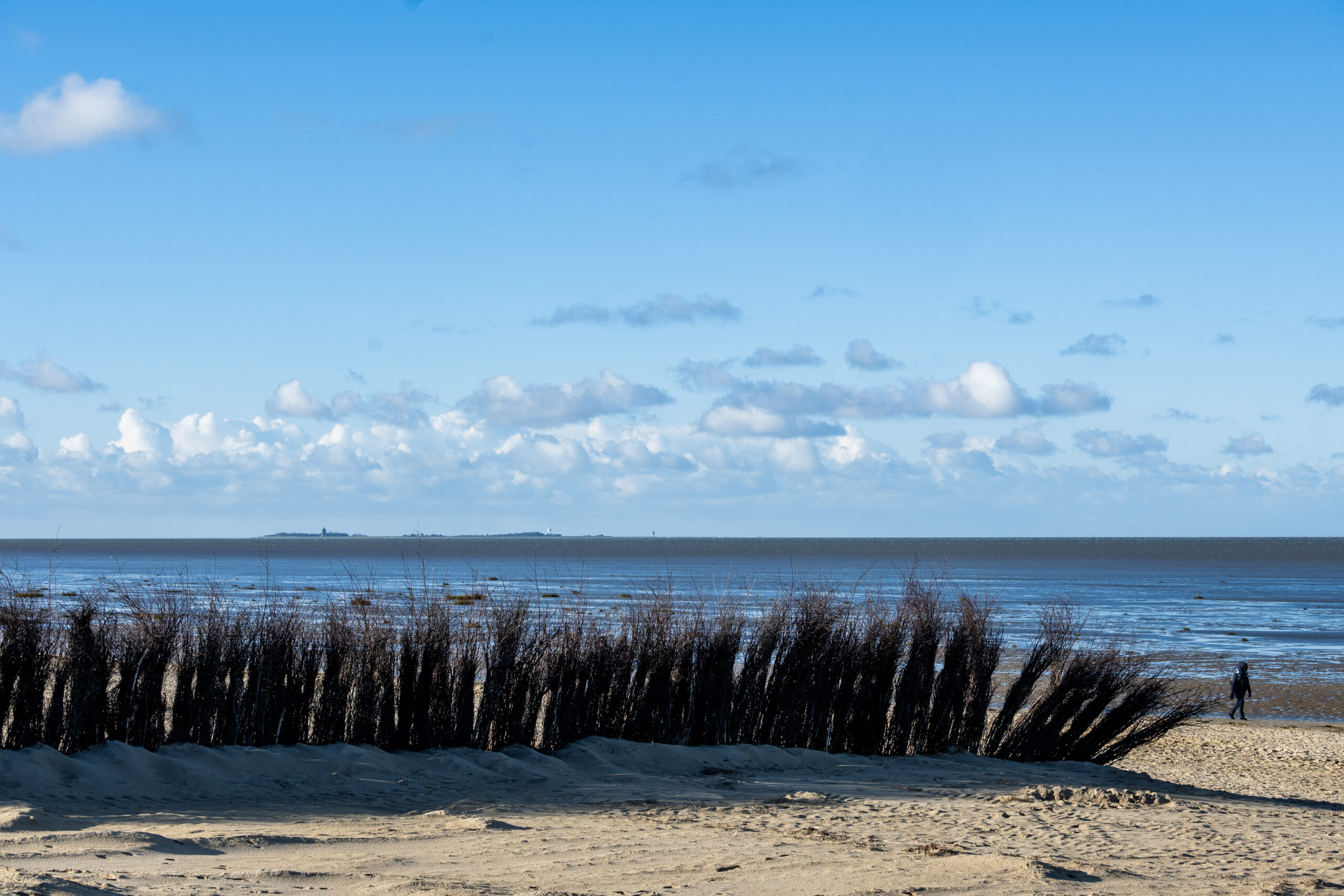
I walked along the seawall for about an hour, past the prominence where the waves hit full force and around to the beach area protected by regular stone piers. The beaches were deserted except for a person walking at the water’s edge here and there. I could only imagine this place in the full swing of summer when the beach clubs, cafes and playgrounds would be full of sound and life. While it was a kind of lonely feeling being somewhere that felt so deserted, it was also peaceful. I always enjoy a quiet moment alone with nature.
From here, I made my way back to the hotel. I stopped at a grocery store for lunch and some things to hold me over for my next couple of days at the hotel.
The next couple of days were relatively uneventful, as I focused on relaxing and unwinding before hitting the next leg of my travels. I spent some time writing some code for a little application to help me sort through my photos, organizing the files into folders for discards, keepers, and maybes. I watched some movies, chatted with friends, and otherwise regained some energy.
The only bit of drama occurred as I was leaving. I woke early, to catch the early train to Hamburg to ensure that I would be on time for my connection to Berlin. German trains are notorious for running late, so I wanted to be in Hamburg at least an hour before the train to Berlin. As I walked up to the station in Cuxhaven, the train was already waiting in its berth, though the doors weren’t open yet. No matter, I thought, as I went to wait under a shelter to get out of the rain. As another 10 minutes passed, I started to get more anxious. This feeling was also shared by a woman under the shelter. She asked if this was the correct train, and I told her I thought it was, the sign at the end of the platform seemed to indicate so. She wasn’t sure, so she rode her electric scooter down to check it out. A moment later she was yelling out to me, pointing at another platform. I set off running, which is a bit of a chore under the weight of my bags. I arrived just in time to watch the train pull out of the station. I exchanged some commiserations with my, also, left-behind companion, before heading in to the station to wait for the next train in an hour. When I arrived in Hamburg, I found that my train to Berlin was delayed by half an hour. I could have slept in.