Time Traveling in Thessaloniki
- Thessaloniki was my escape from the dark, wet and cold of central Europe. Seated high on the neck of the Greek peninsula, looking out on the Aegean sea, Thessaloniki was exactly what I was looking for. The temperature bumped up ten degrees from Austria and Czechia, though you wouldn’t necessarily know it based on the clothing of the locals. I often found myself in a t-shirt while the Greeks around me were decked out in sweaters and puffer jackets. I guess winter is more relative to your experience than I’d realized.
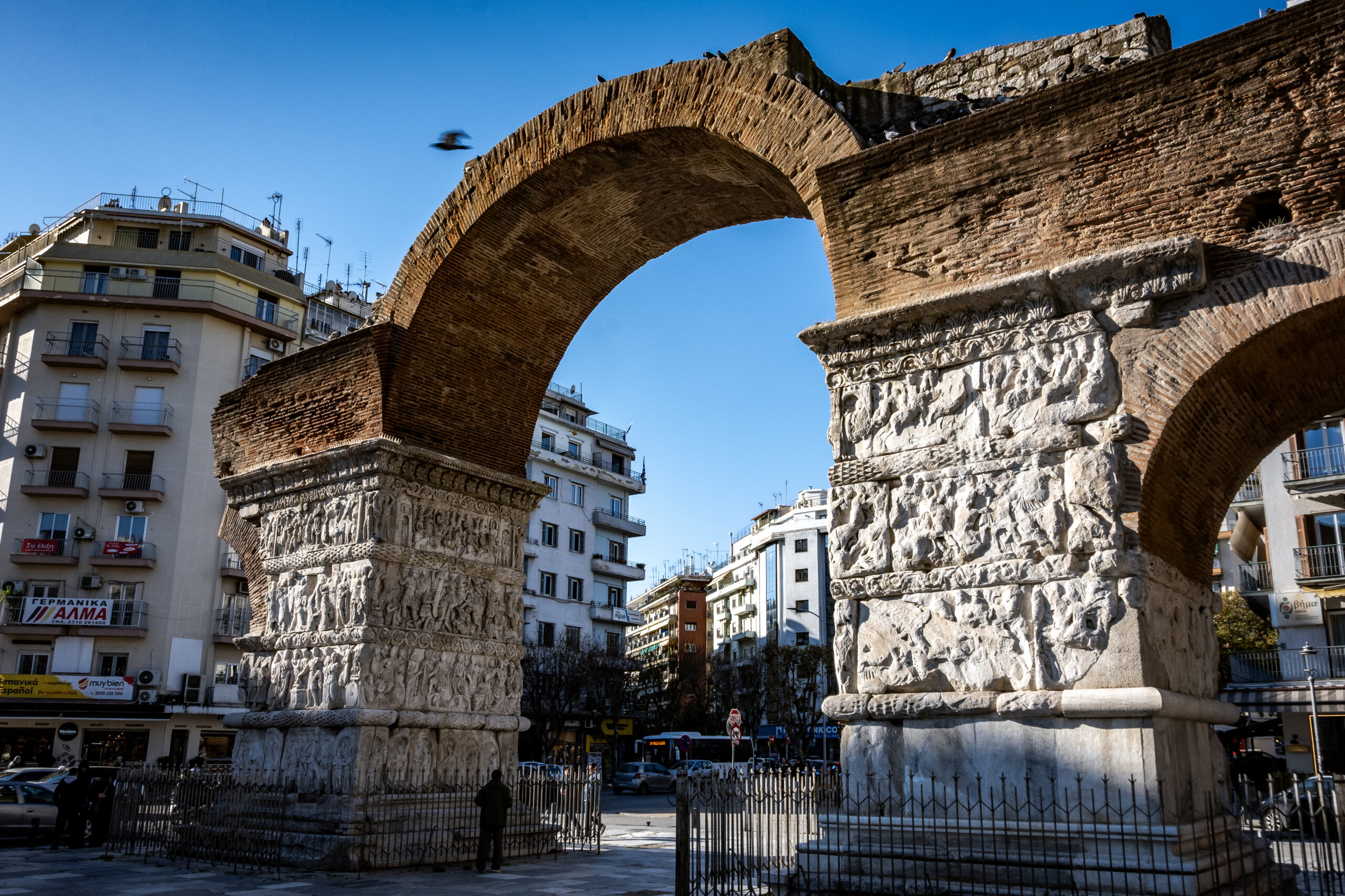
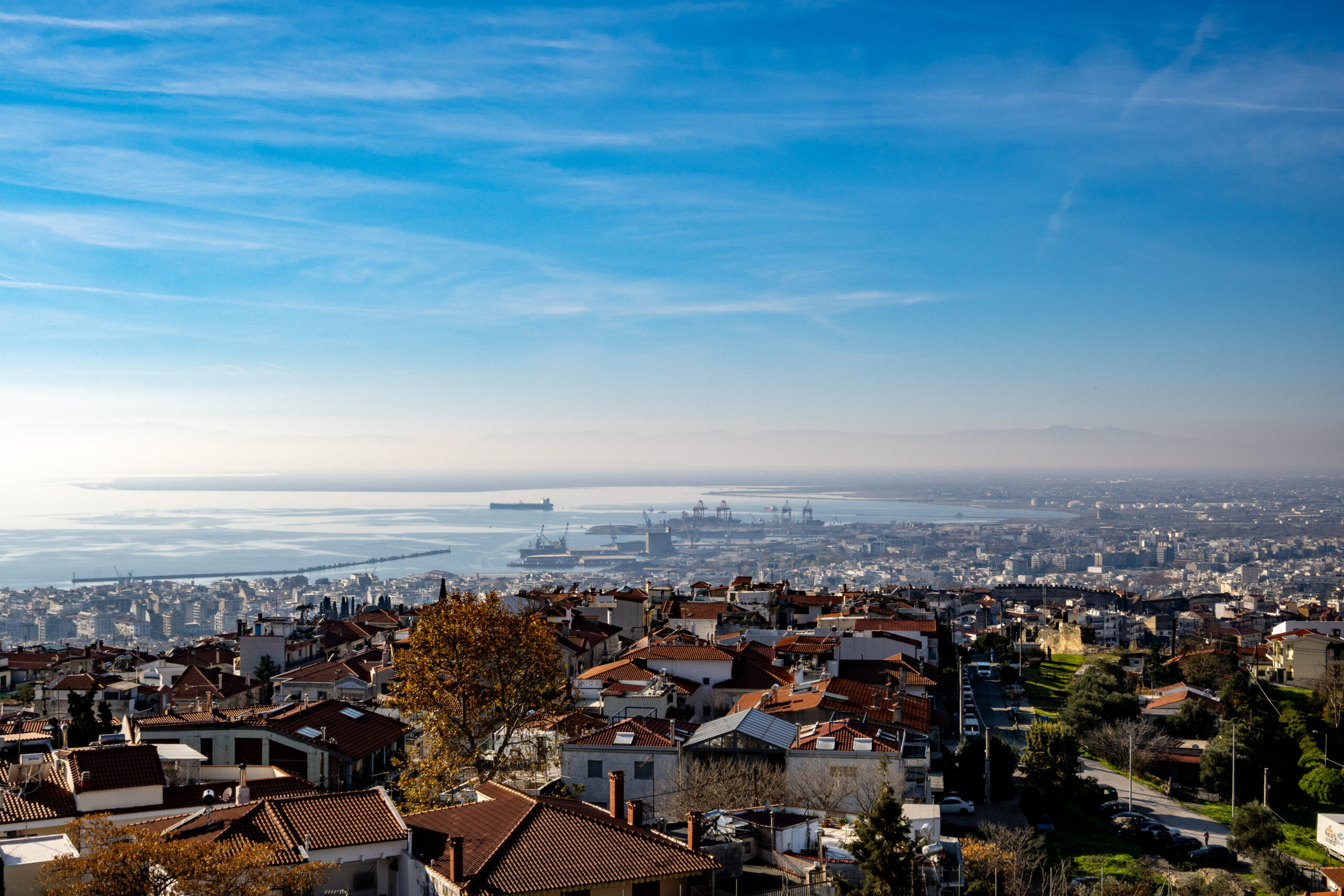
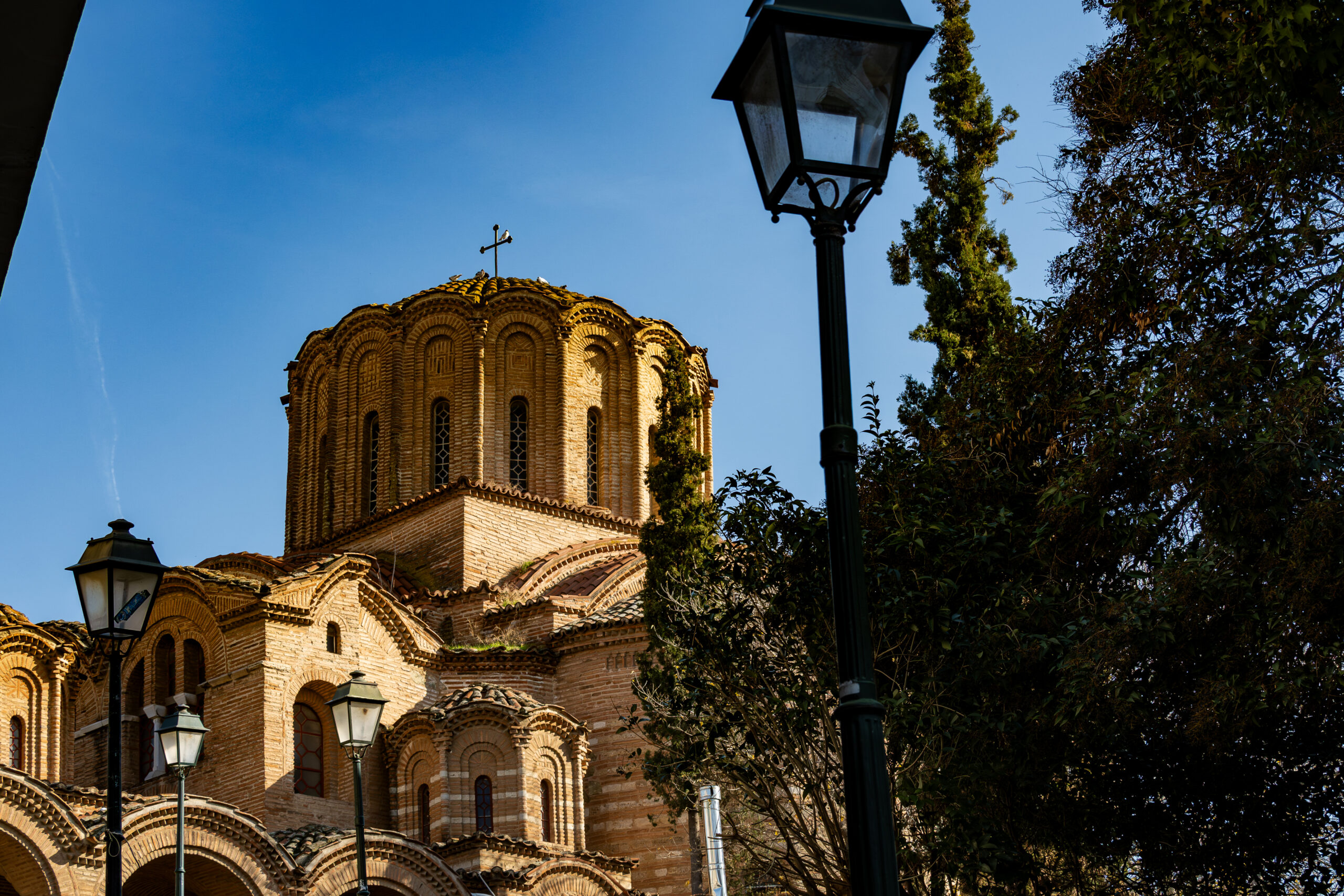
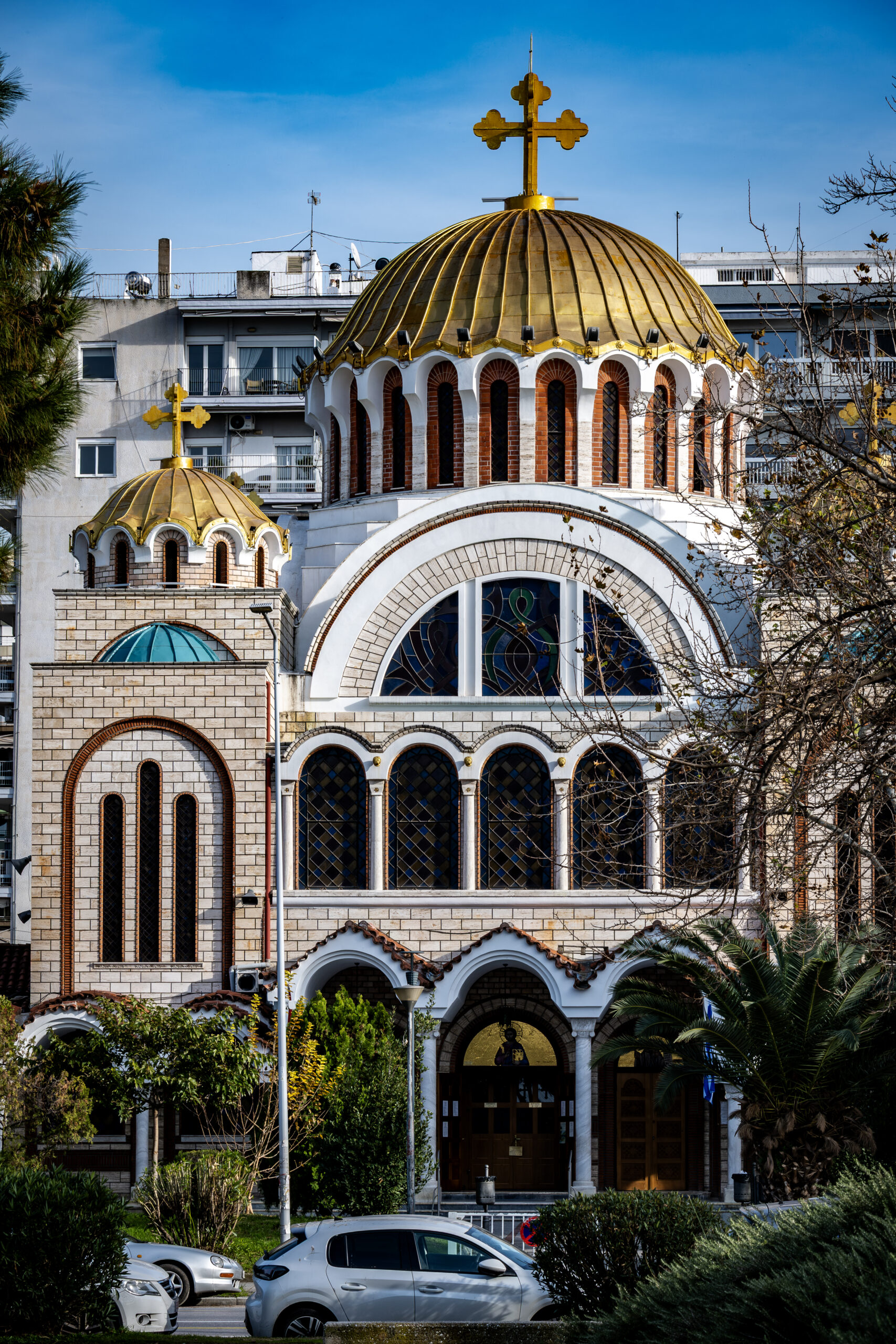
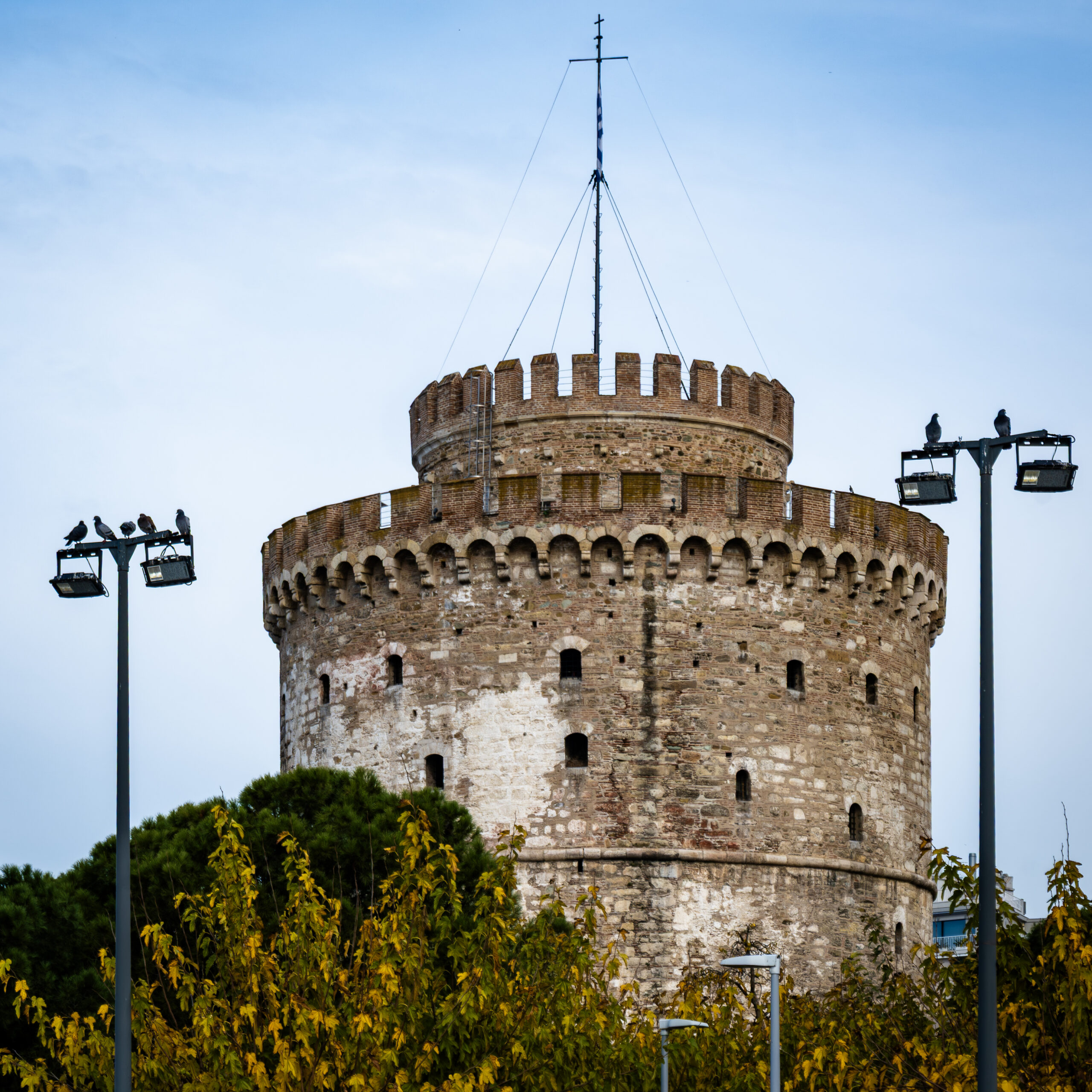
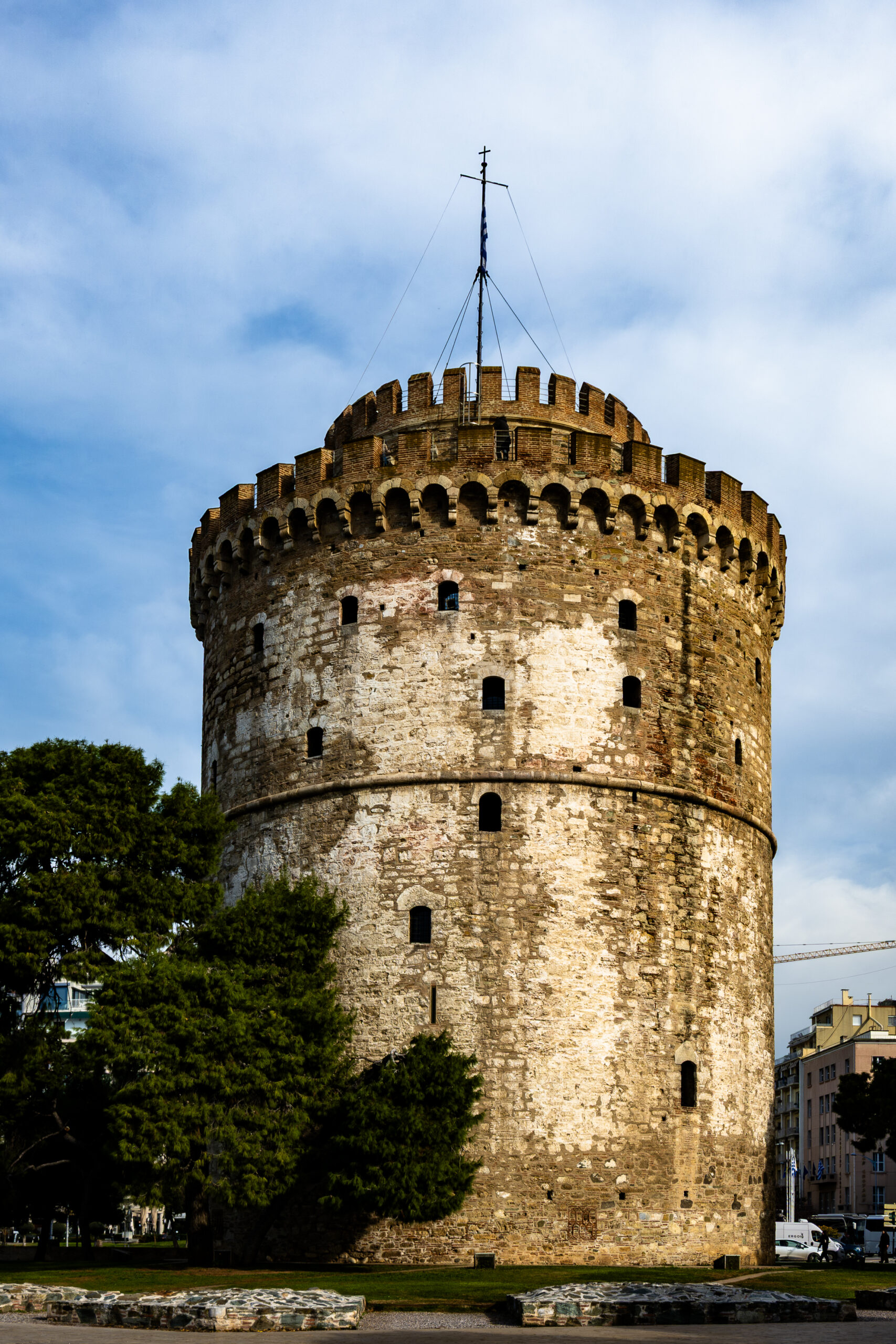
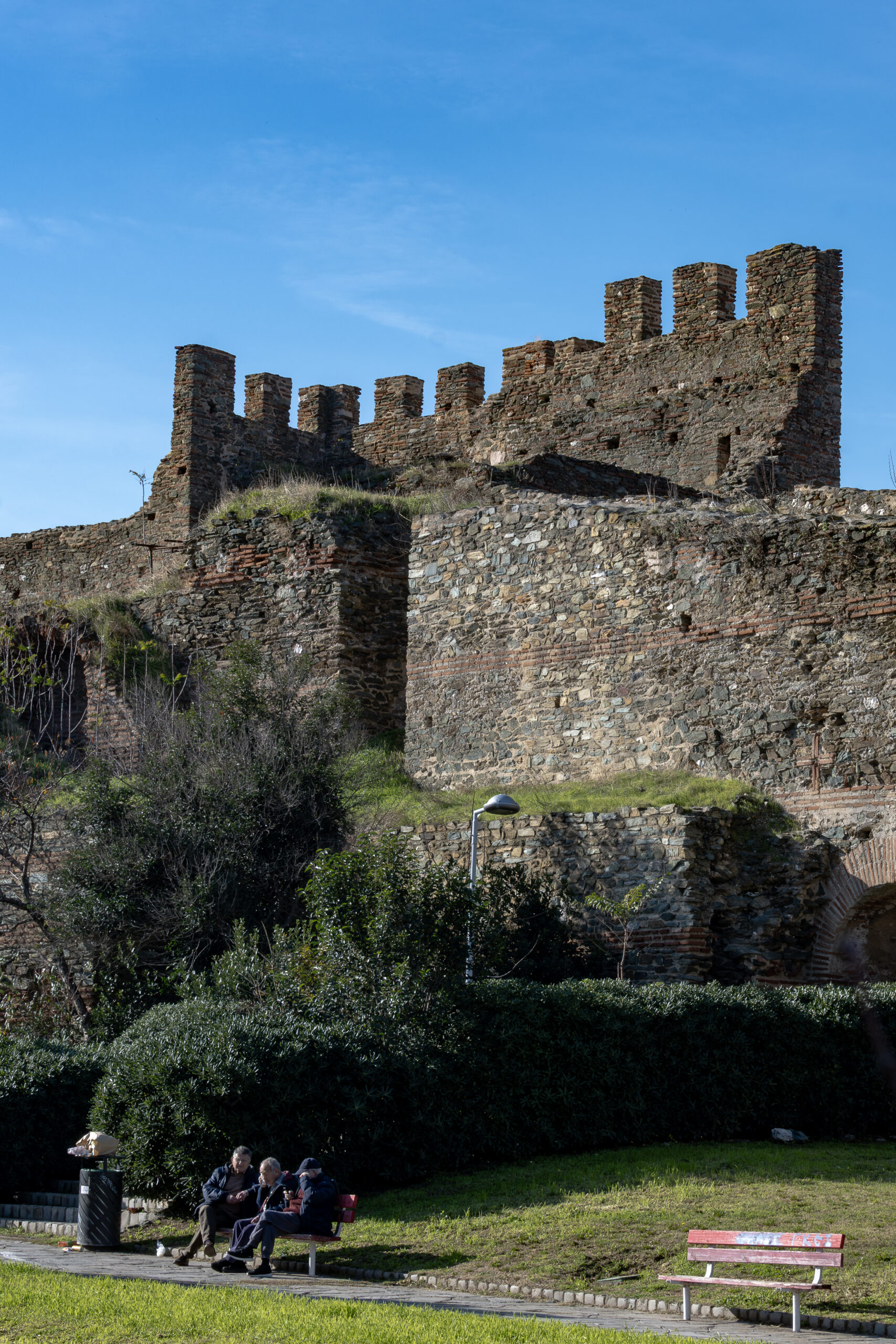
- The city centre of Thessaloniki stretches along a narrow stretch of land where the hills dip down to meet the coastline. It’s a relatively compact city, rich with a history belonging to a number of different empires. Founded during the reign of Alexander the Great, conquered by Rome a hundred and fifty years later, ascending to a key economic hub during the post-Roman Byzantine Empire, conquered again by the Ottomans in the 1400s. These remains of these various empires are found littered throughout the city. Excavations for the newly installed subway system uncovered a variety of previously unknown ruins, to accompany the more obvious Roman palaces and arches, Byzantine walls and Ottoman fortresses.
- I really enjoyed my hostel in Thessaloniki. The cutely named Zeus is Loose is situated overlooking a large public square, which was filled with a Christmas market during my stay. This square is sandwiched between the busy main road through the city and the ruins of the Roman Forum. From the common room of the hostel on the fifth floor, there was a tremendous view over these sights. The common room itself is was generously appointed with a number of seating options, a big screen, a huge, well stocked kitchen, and wall to wall windows. The perfect place for enjoying a coffee in the morning sunlight. A rooftop bar and restaurant added even more appeal to the hostel. I was incredibly grateful for these comfortable public spaces, because my room had some more of the less appealing aspects of communal living that I’d become accustomed to.
Upon first entering the room, I was smacked in the face with some serious foot stink. By now, I was inured to the social embarrassment of needing to ask someone to wash their feet, and brought it up nearly immediately with the young man responsible. He took the note well and immediately washed his feet and even went so far as to try to deodorize his shoes, though his method was a little questionable. If you’re wondering whether spraying half a can of Axe body-spray into your shoes will remove pesky foot odor, no, no it will not. In fact, at that point, now you will have two problems on your hands. But, we found a somewhat amenable solution by storing his shoes in the water closet of the room, which thankfully had a door and a fan.
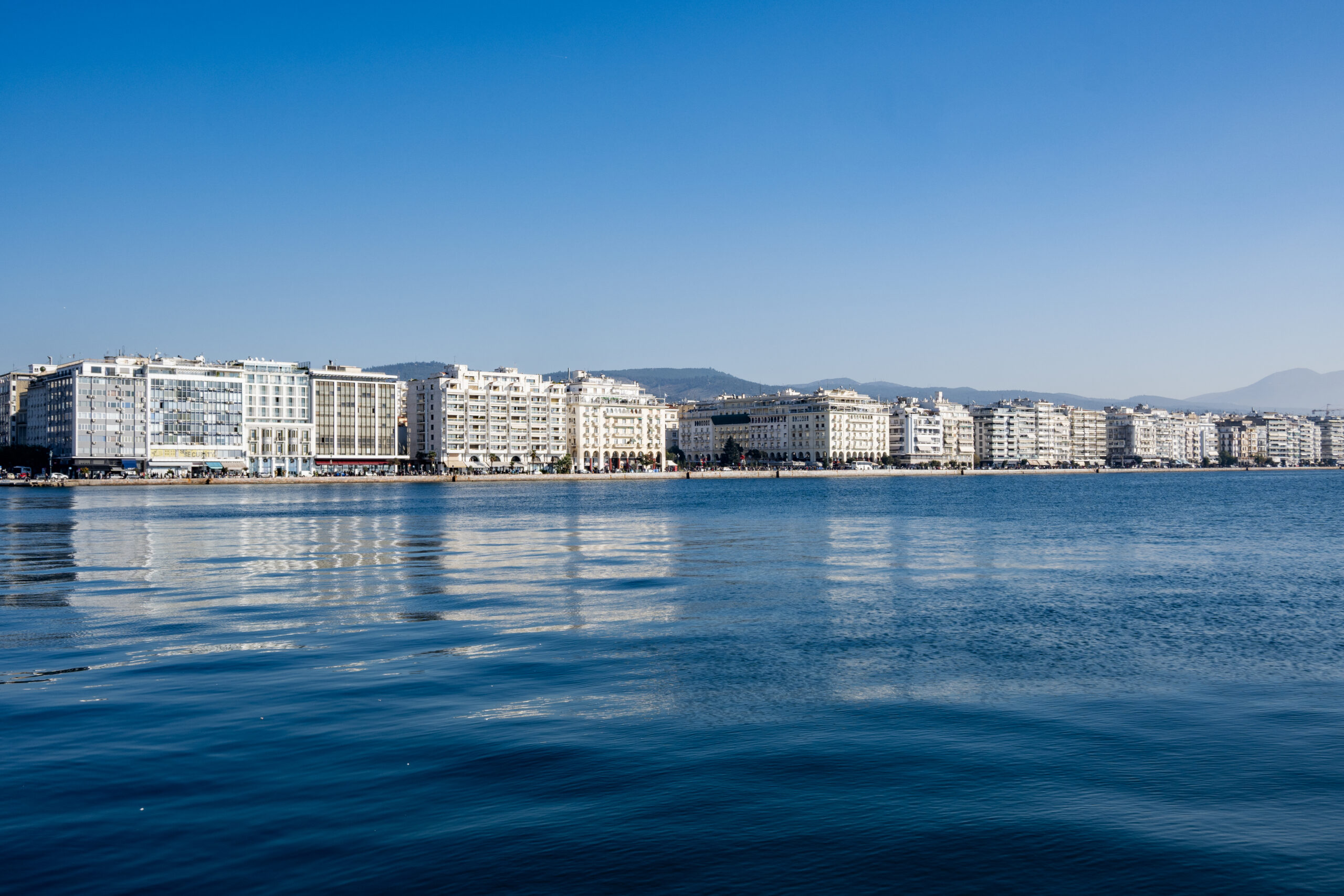
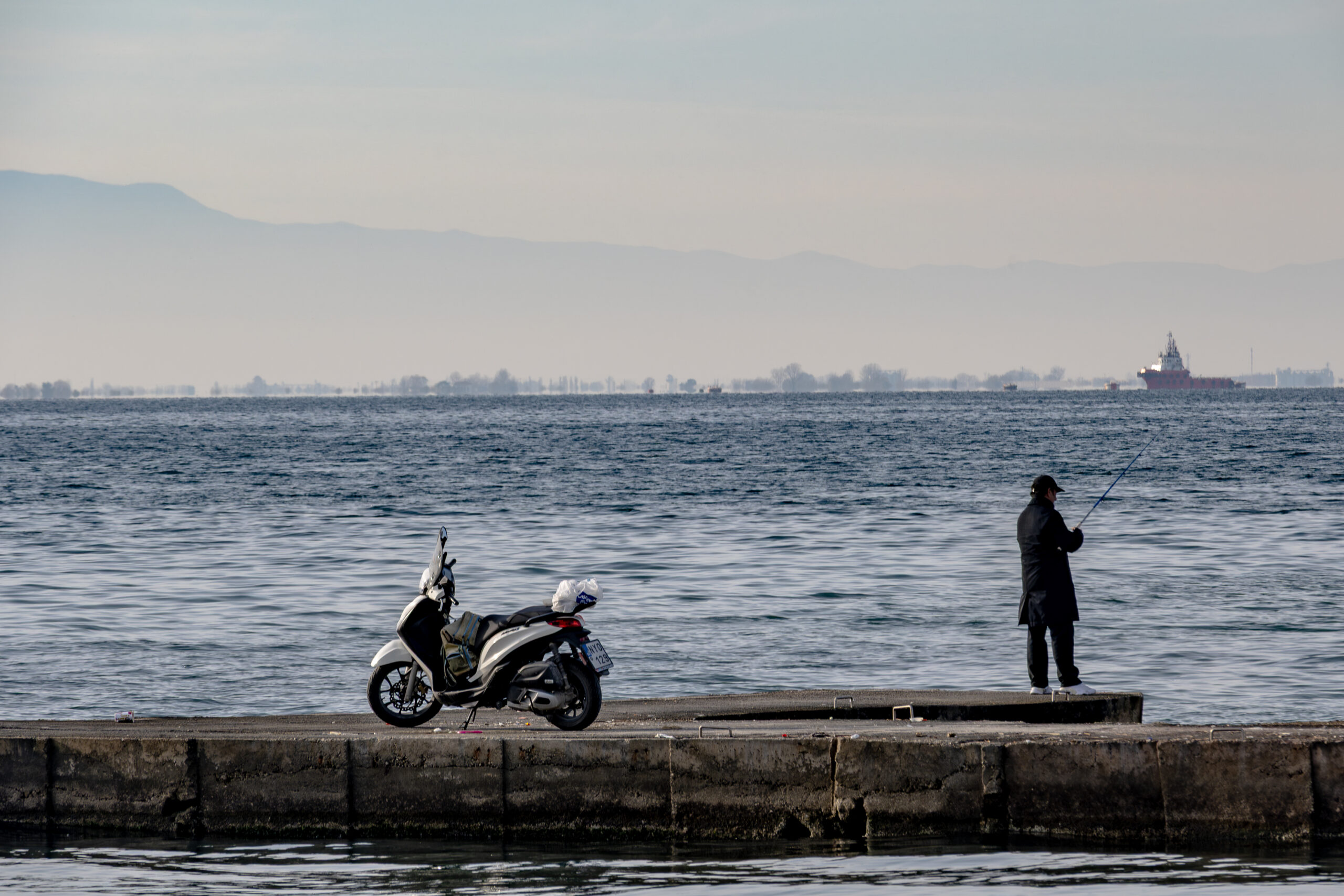
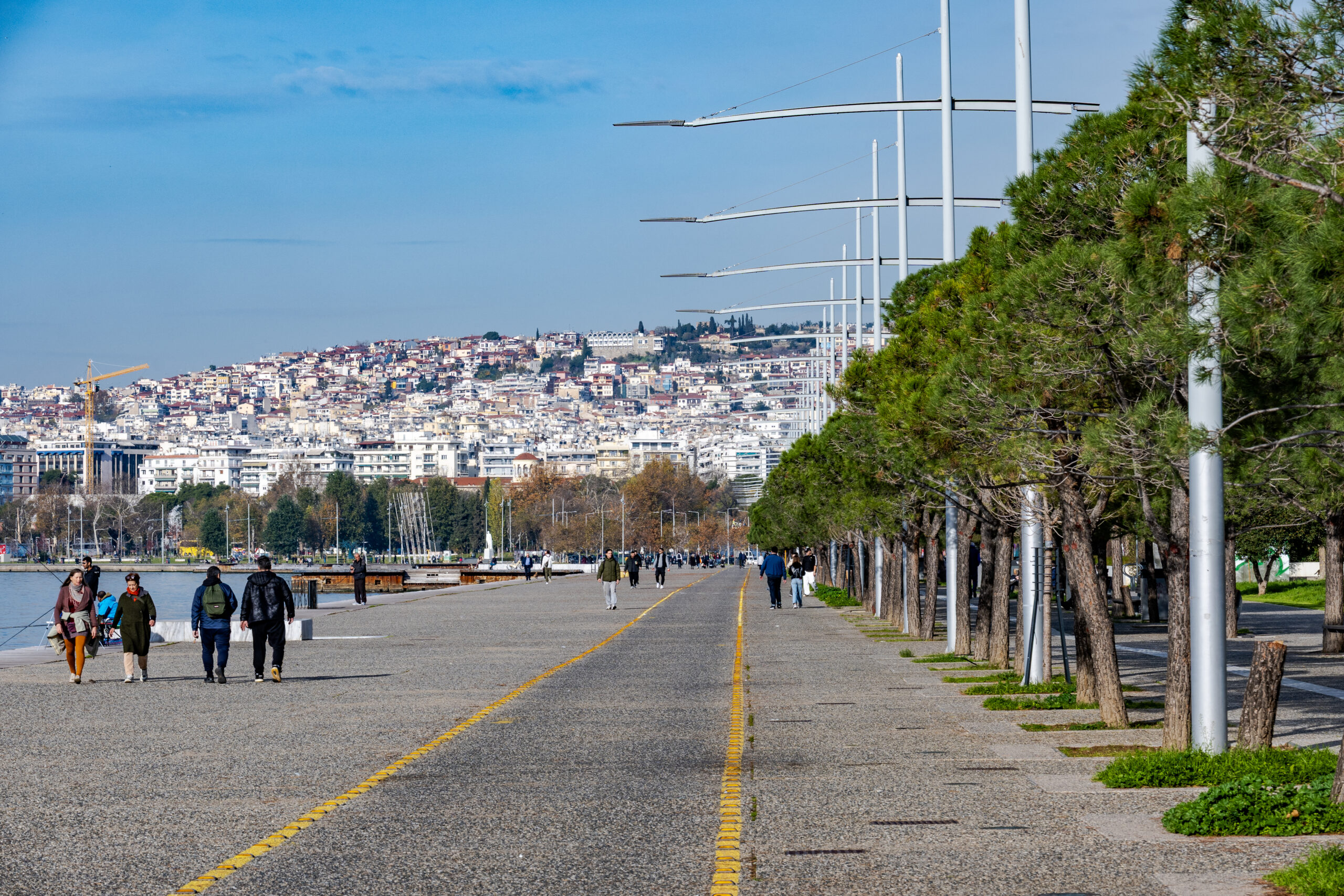
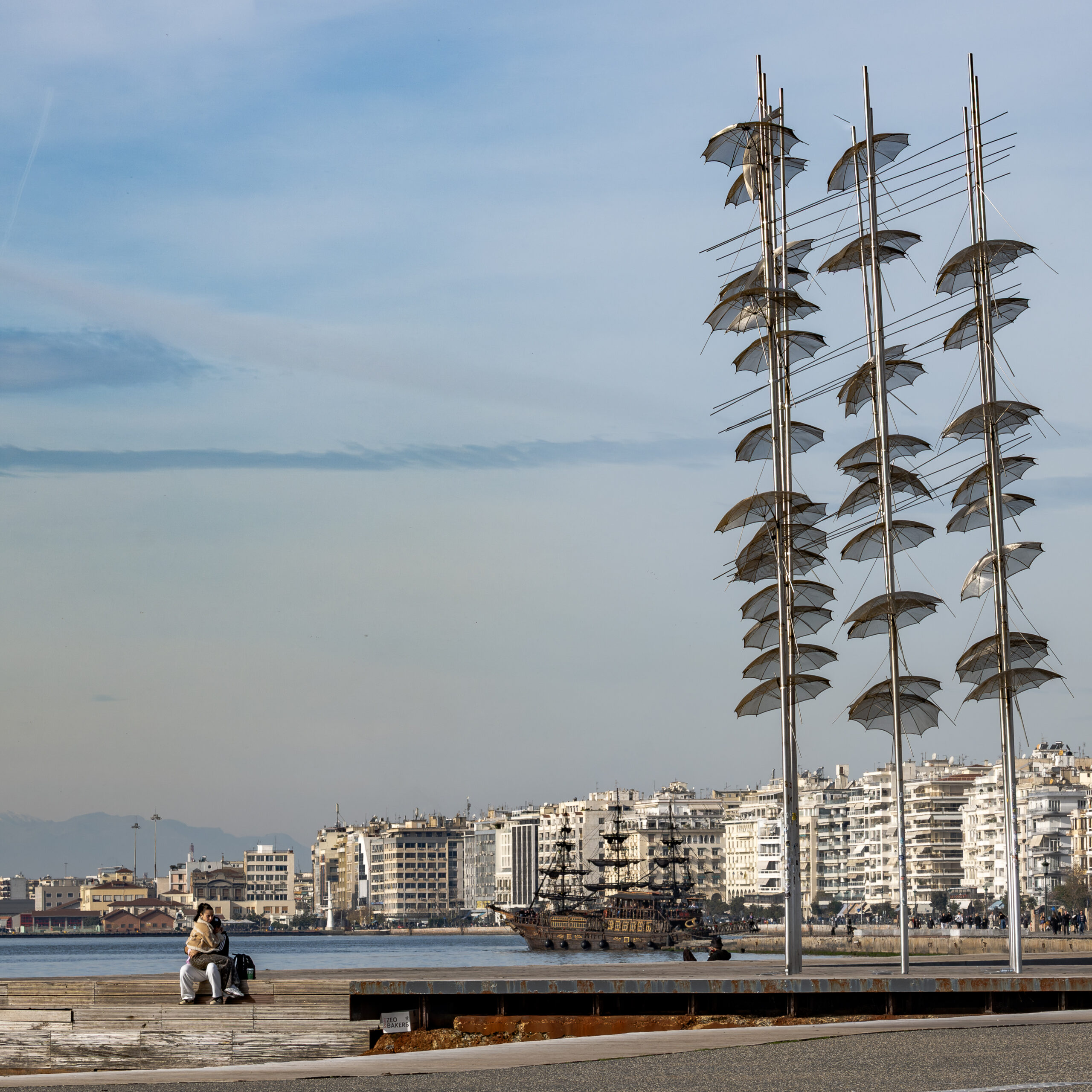
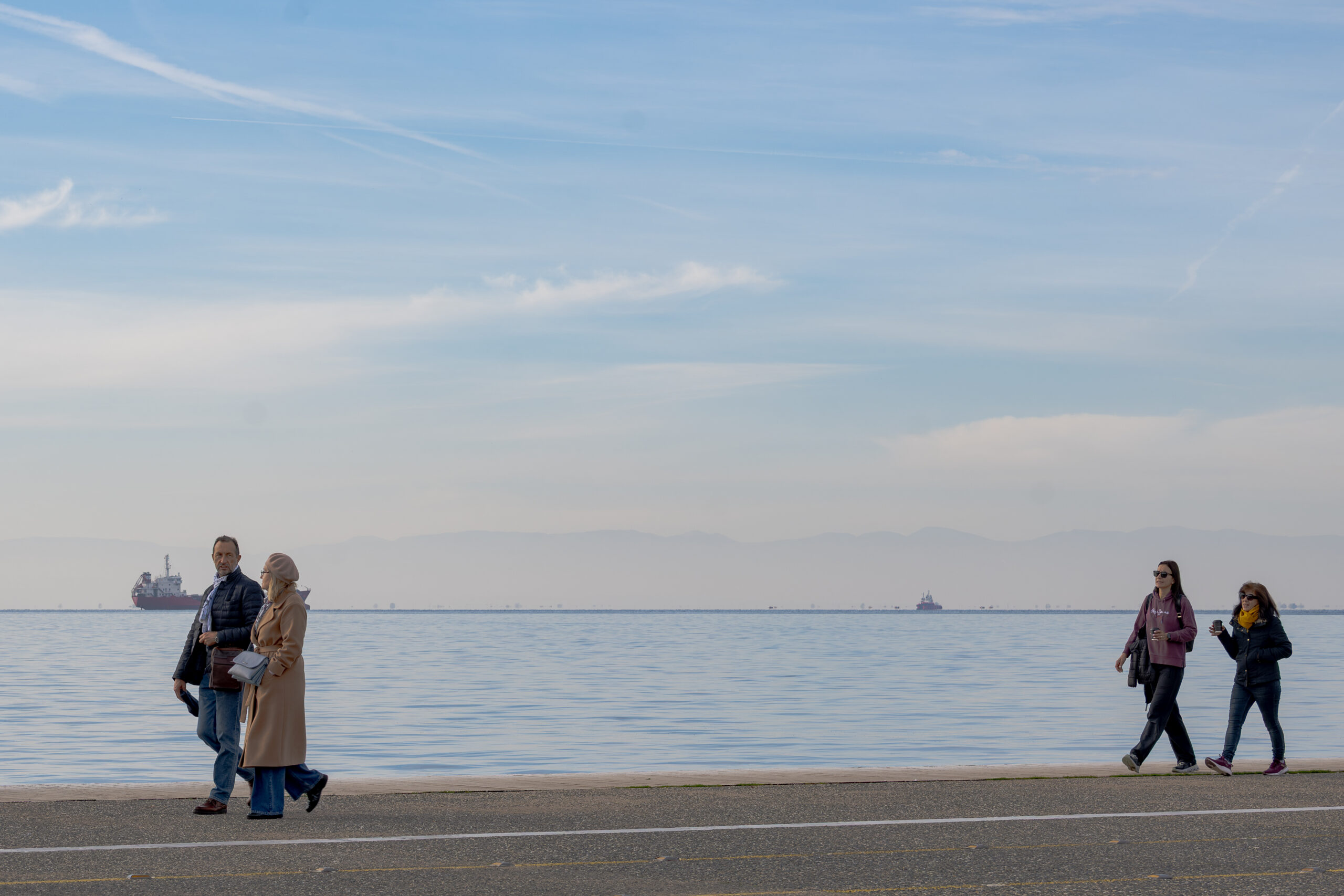
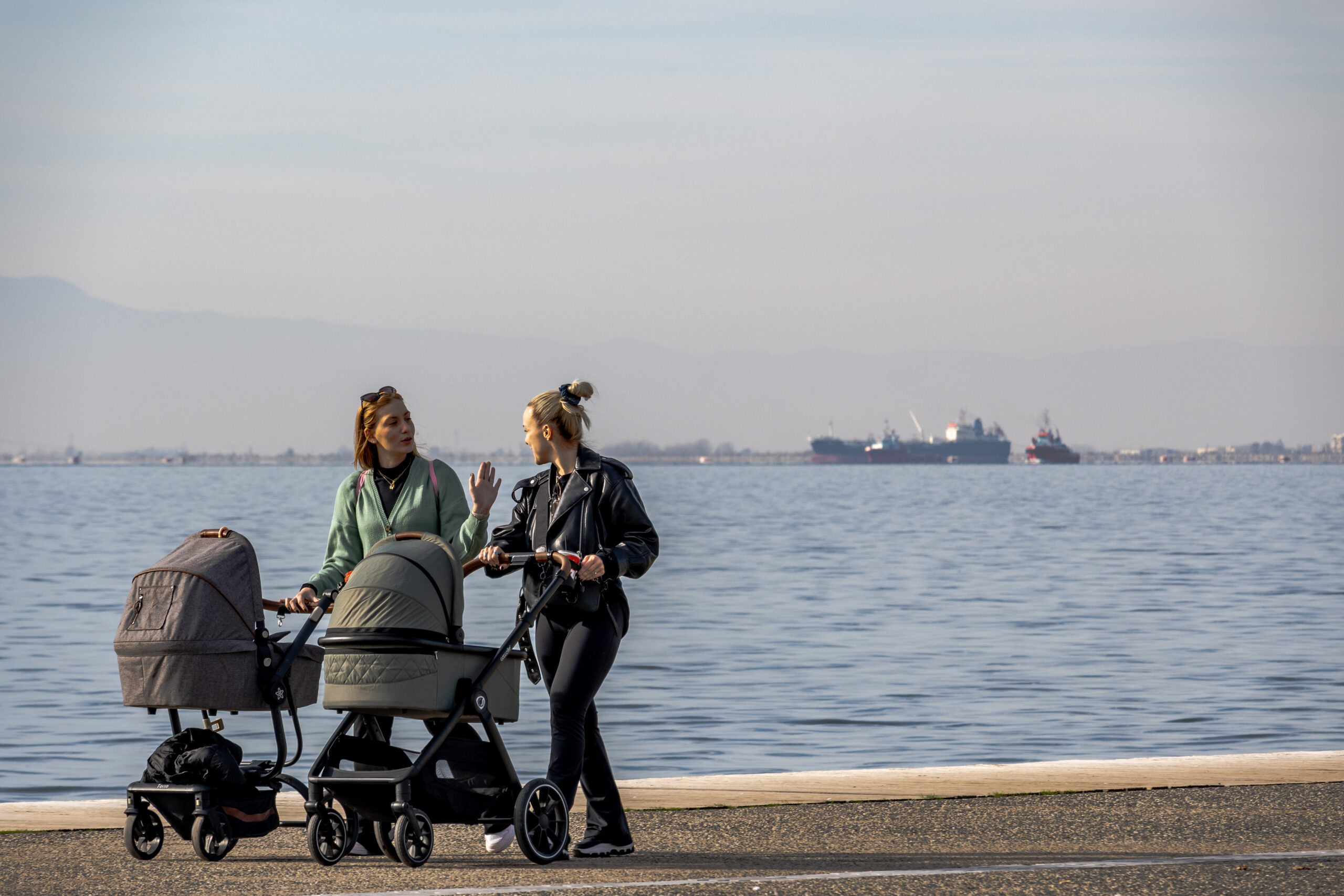
This same roommate, nice enough in nature, would prove to be a continued annoyance due to his willingness to live in squalor and a propensity for drinking in excess. Each night he would leave in the early evening, only to reappear an hour or so later with a bag laden with beer cans. He would then slowly work his way through his stash for the rest of the night. A new can hissing open once every forty-five minutes or so. And then at some point in the early morning, he would make his way to the toilet to pray to the porcelein gods. Though, whether that was due to the beer or the concentrated foot-Axe odor, who’s to say? - My first outing into Thessaloniki was a restorative walk along the seawall that runs the length of the city. The day was clear and full of sunlight. The air was warm, with a bit of autumn crisp to it. I spent plenty of time sitting on a bench, soaking up sun, people watching and taking photos of anything that caught my interest. After a month under the clouds, I felt like I was in a brand new world. It was gorgeous, a lovely day. I didn’t get too hung up on sight-seeing anything specific, just walked along the water and enjoyed the time.
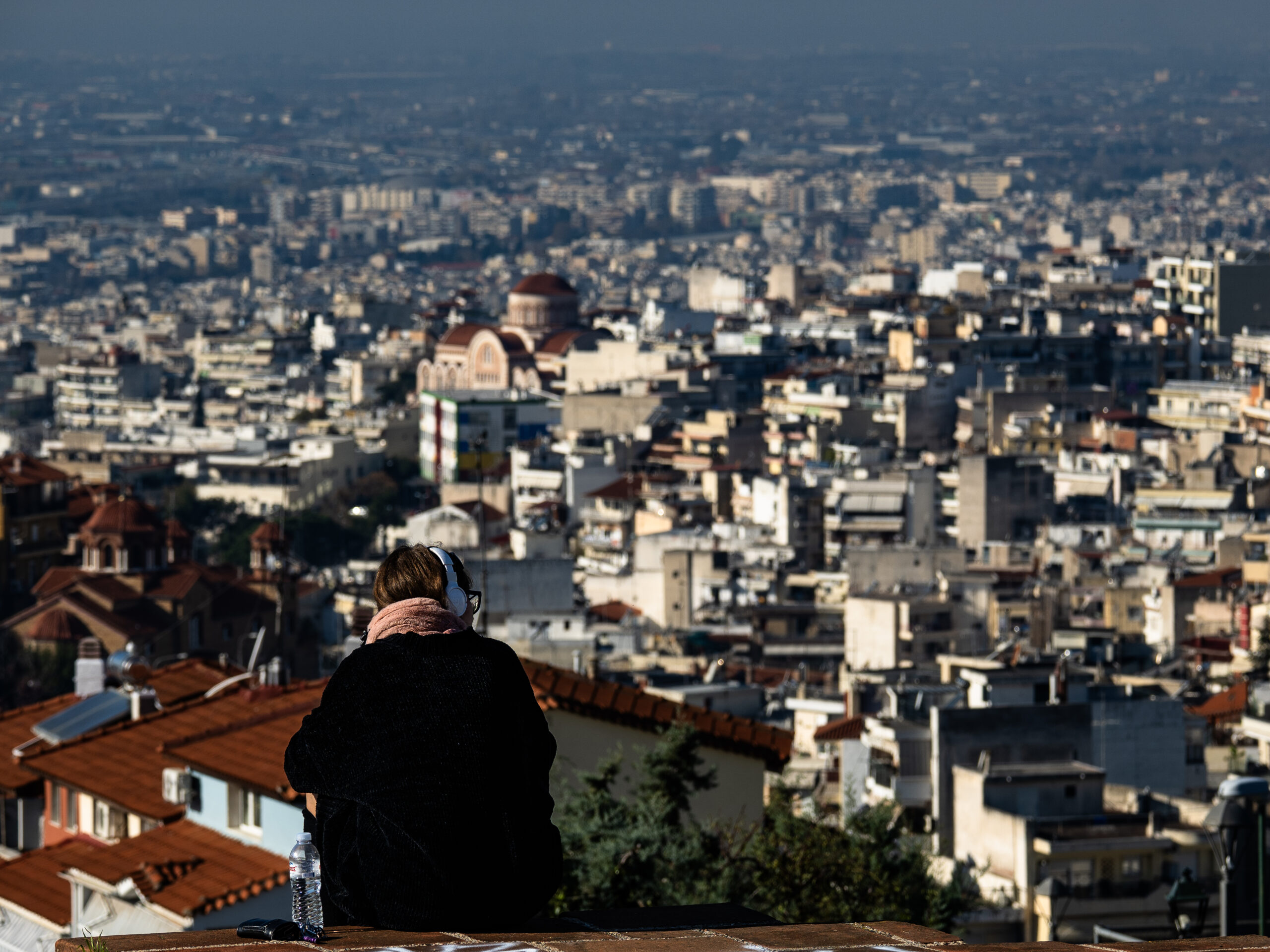
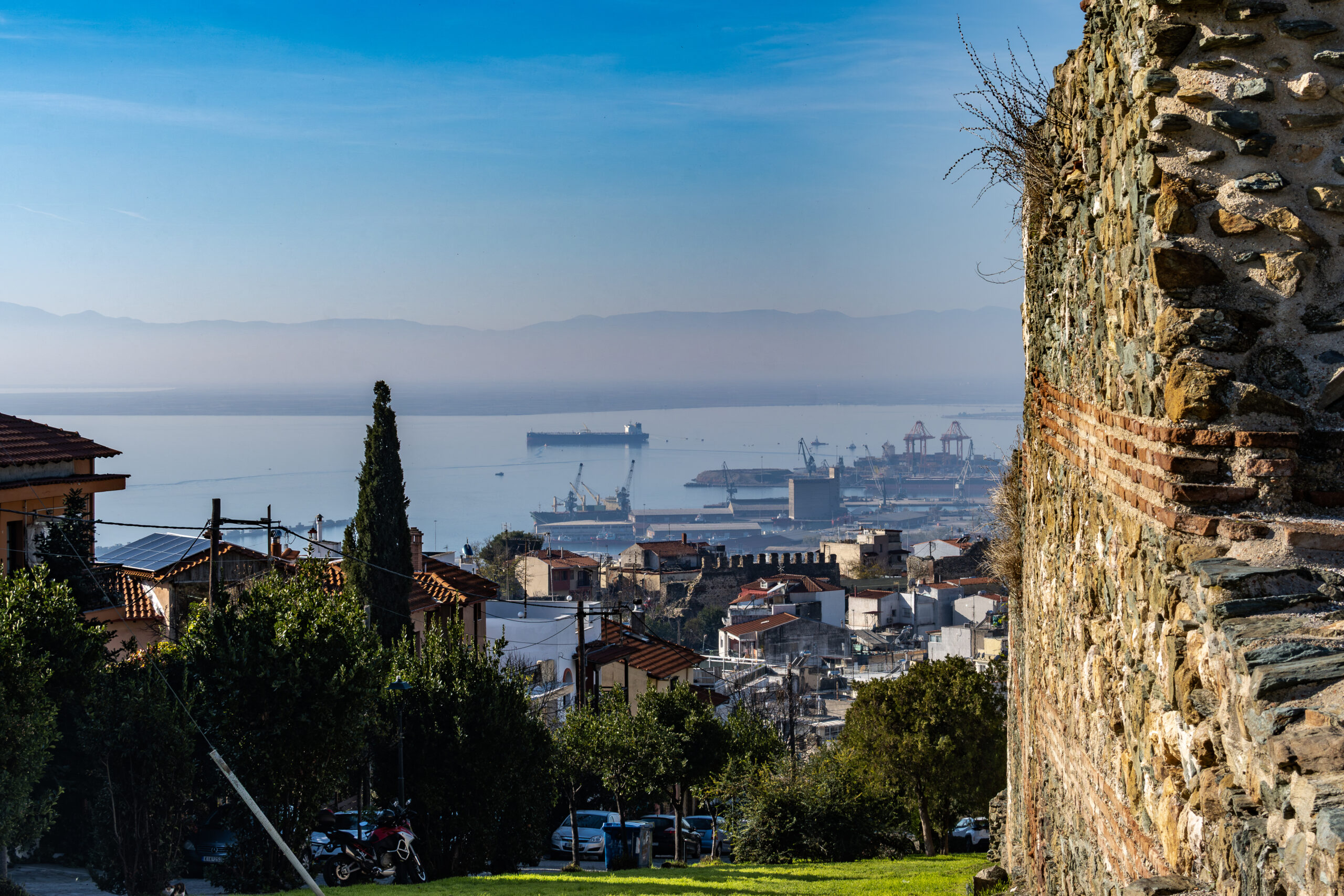
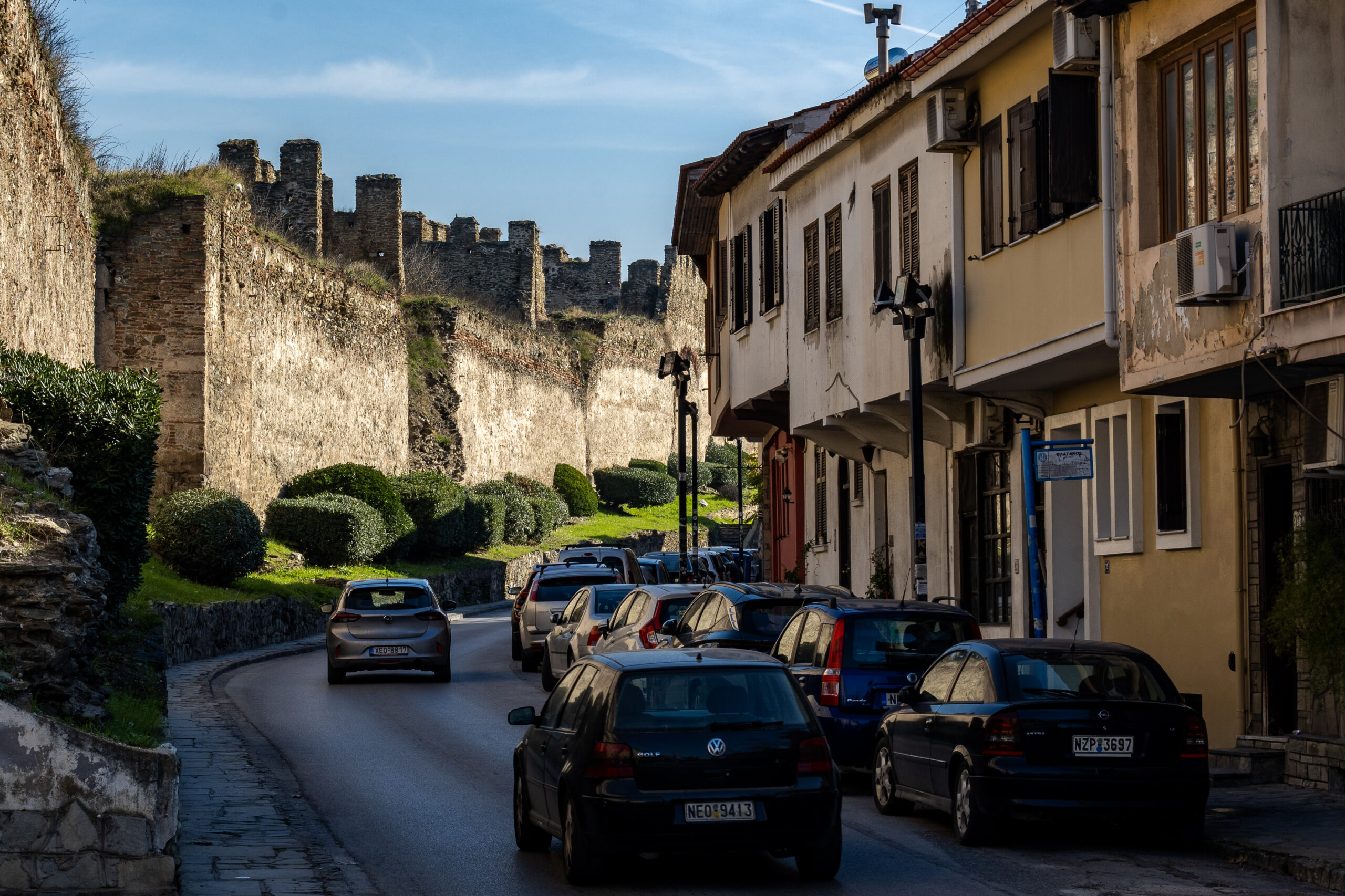
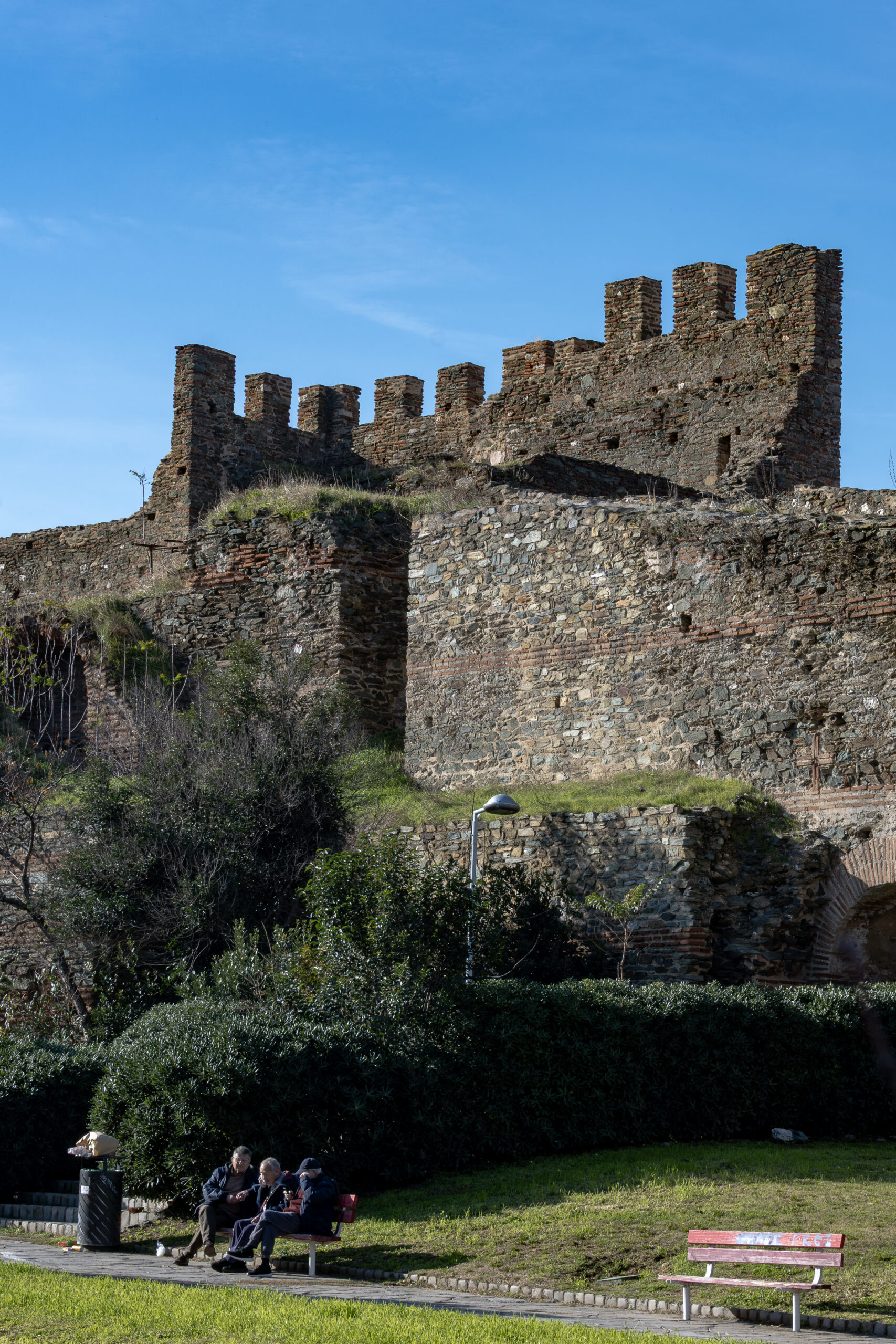
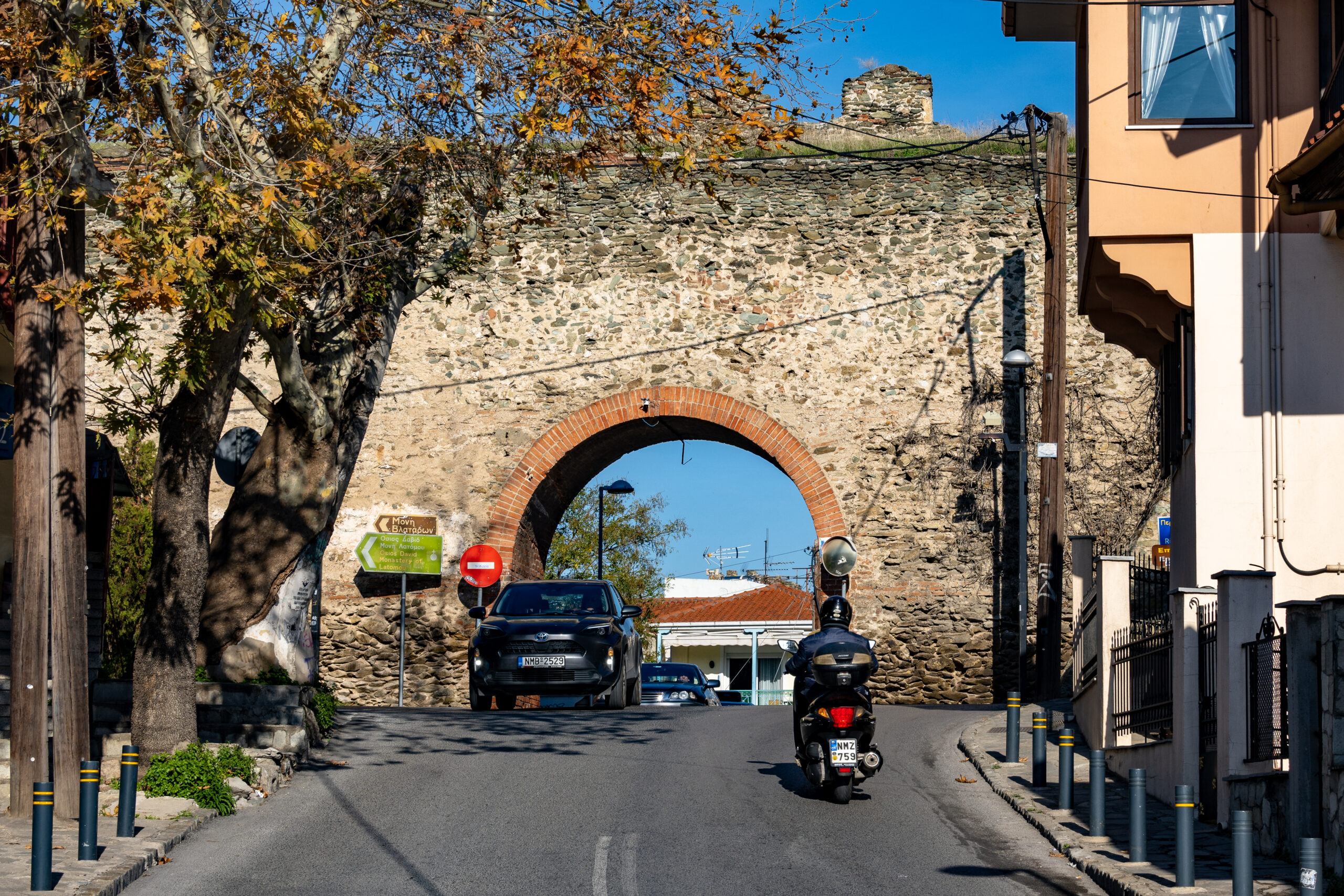
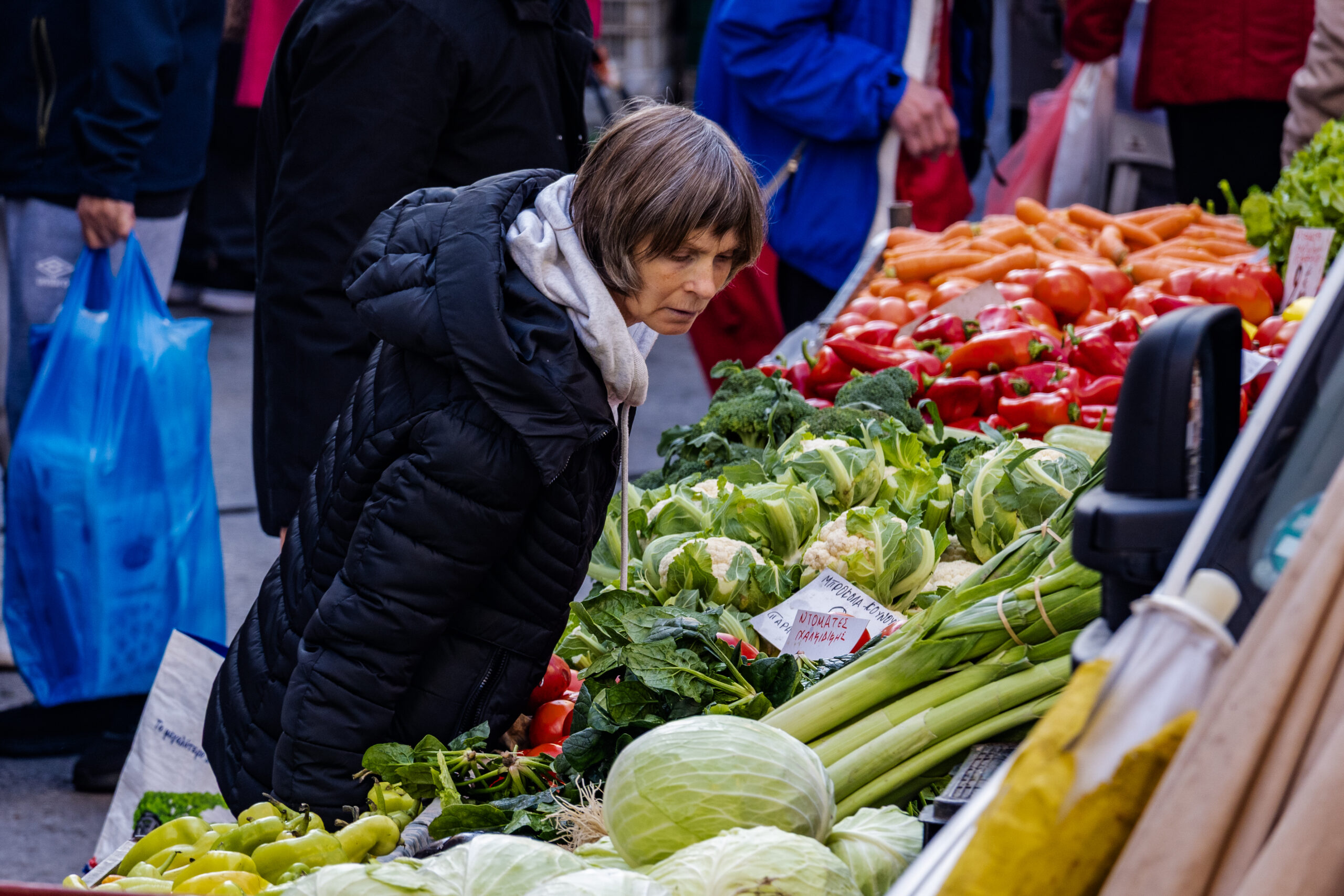
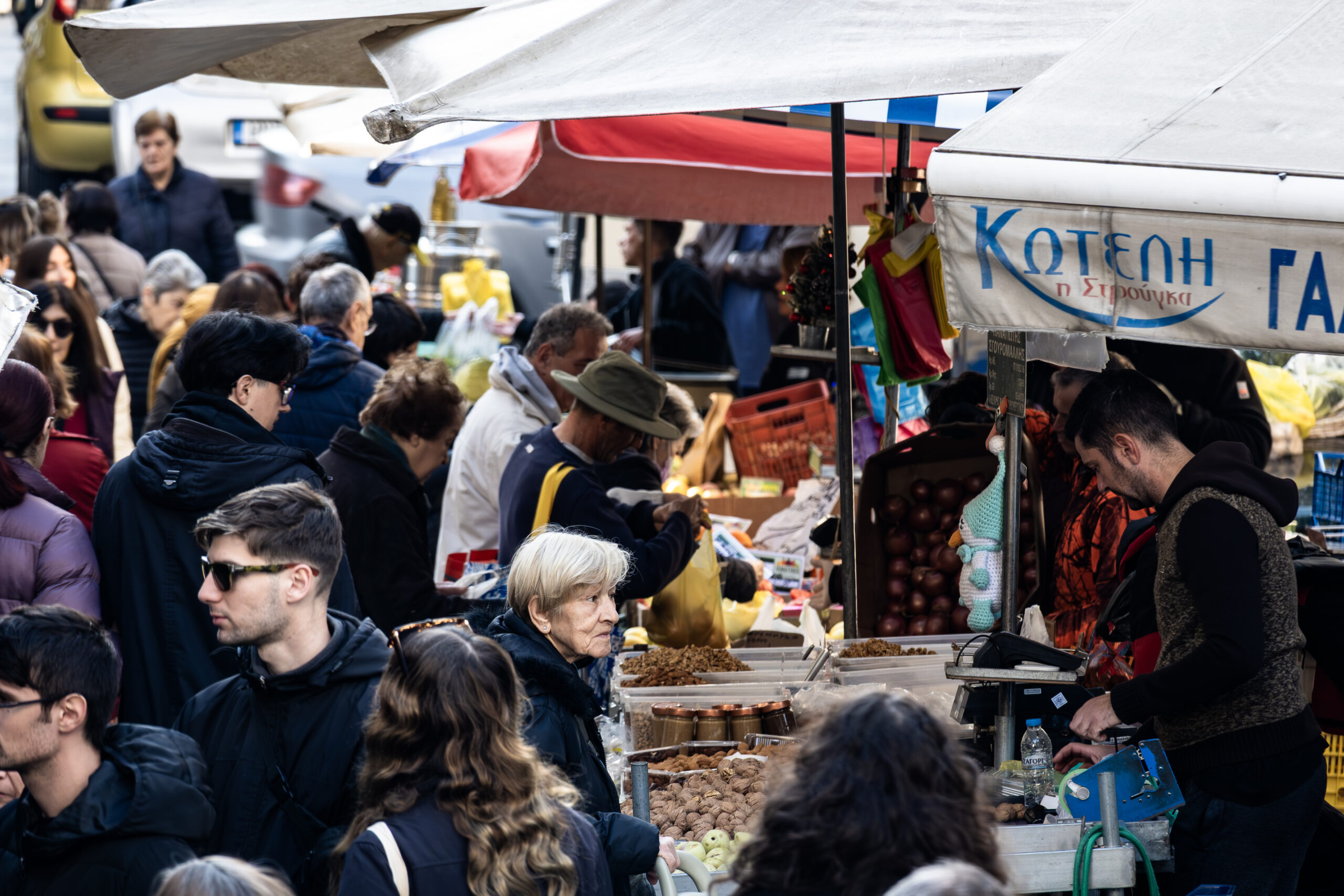
- My second outing, I turned my sights away from the sea and up to the hills. The city is built on a terraced hillside, rising steeply up the slopes. My goal was the Byzantine fortress overlooking the city, the Heptapyrgion. A ten towered citadel that had served as a fortress and a prison during Byzantine and Ottoman Empires. Setting out from the hostel, I almost immediately came across a very busy street market. Set in a narrow roadway, vegetable sellers set out their produce to be inspected by the discerning eyes of their customers. Making my way further up the hill, through tight and steeps alleys, I eventually came to the Byzantine walls that ringed the old city. And even further up the hill, with a majestic view of the entire coastline and the city spread along it, the Heptapyrgion waited for me. Apparently, mid-December is not exactly the high season for tourist traffic to the fortress as I had the place basically to myself. I walked through the courtyard that holds the remains fo the prison that was the last function for the old fort, explored the solitary confinement wing where the cells received no light and the thick walls allowed no sound, before climbing and walking the walls of the fortress touring the towers dotted along their length. It was fairly bare-bones as tourist attractions go, a few placards here and there explaining the construction, function and archaeology of the place, but not much more than that.
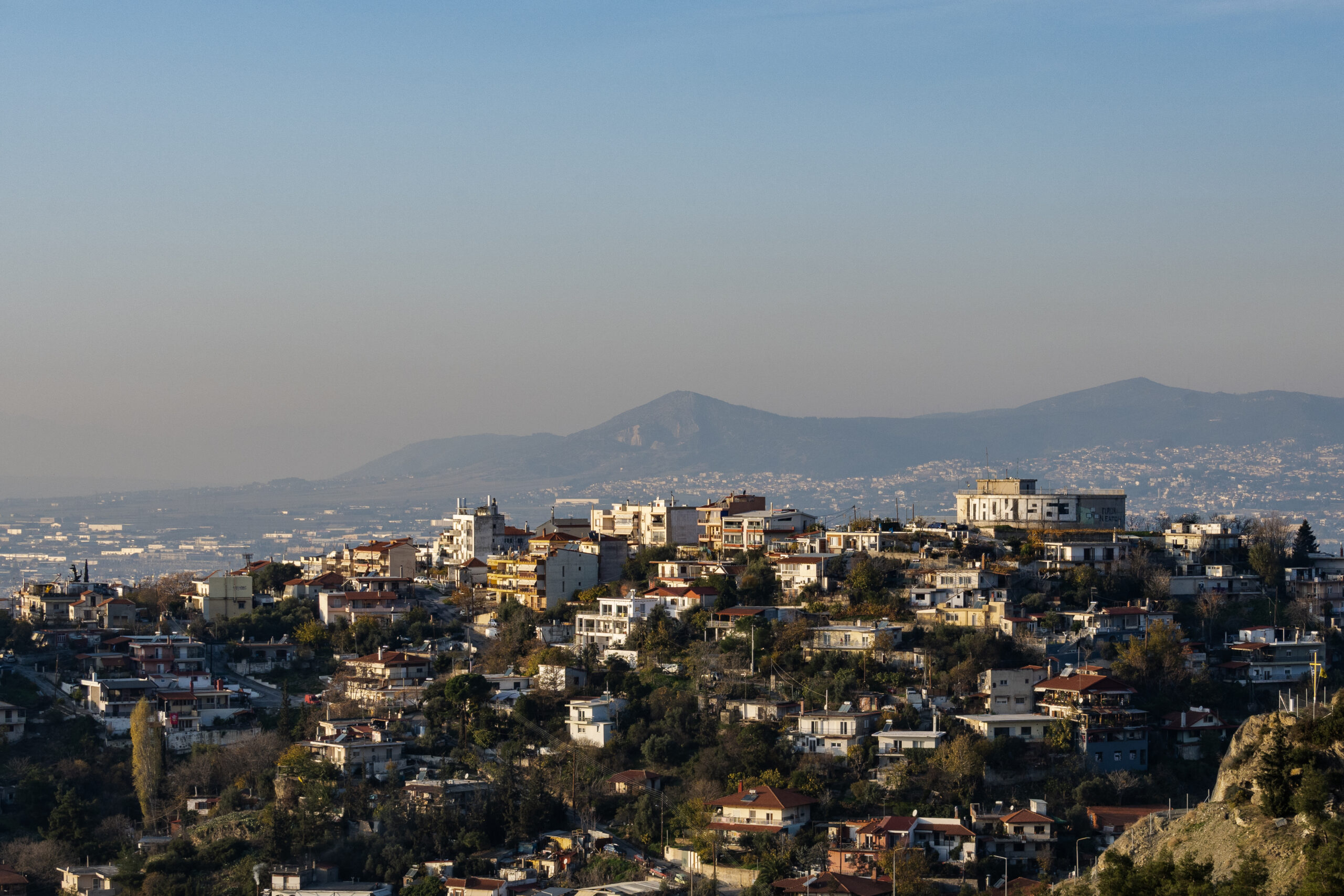
By now, it was only about midday and I still had some energy to spare. So, I set out to climb even further up the hills to the very top of the hill that backed Thessaloniki, to a spot marked Observatory on Google Maps. The streets of the city gave way to parkland as the hill continued to rise. I hiked along for another hour or so before I finally surmounted the hilltop, where it eased into a flat plateau, lightly forested between patches of grassland. I didn’t see a single person for my entire time in the park. After a leisurely lunch, I made my way to the observatory, which turned out to be a wooden observation tower alongside a weather station. This offered a great view of the opposite side of the city where it wrapped along the hill and up to a large marble quarry where a mountain across the valley was slowly being harvested.
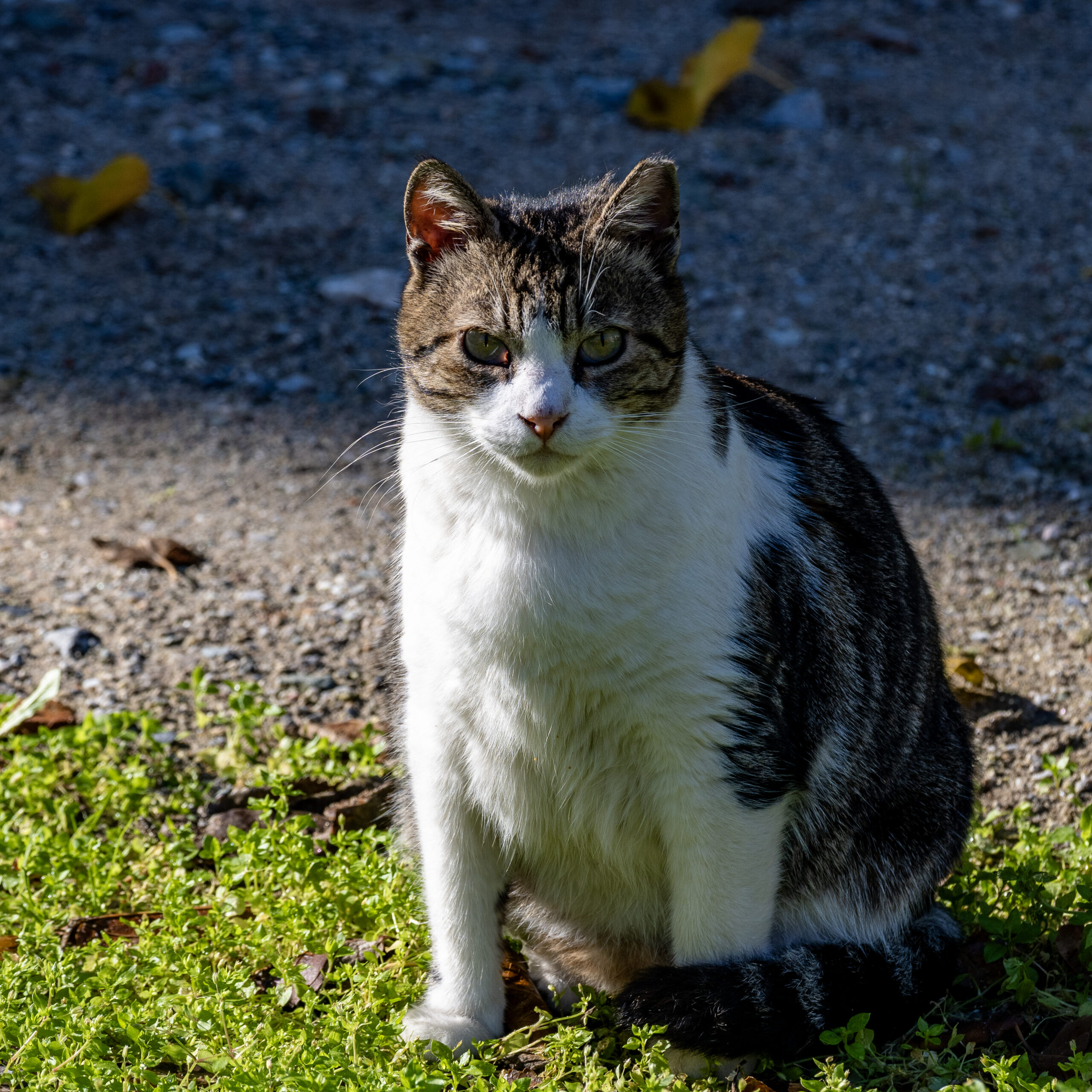
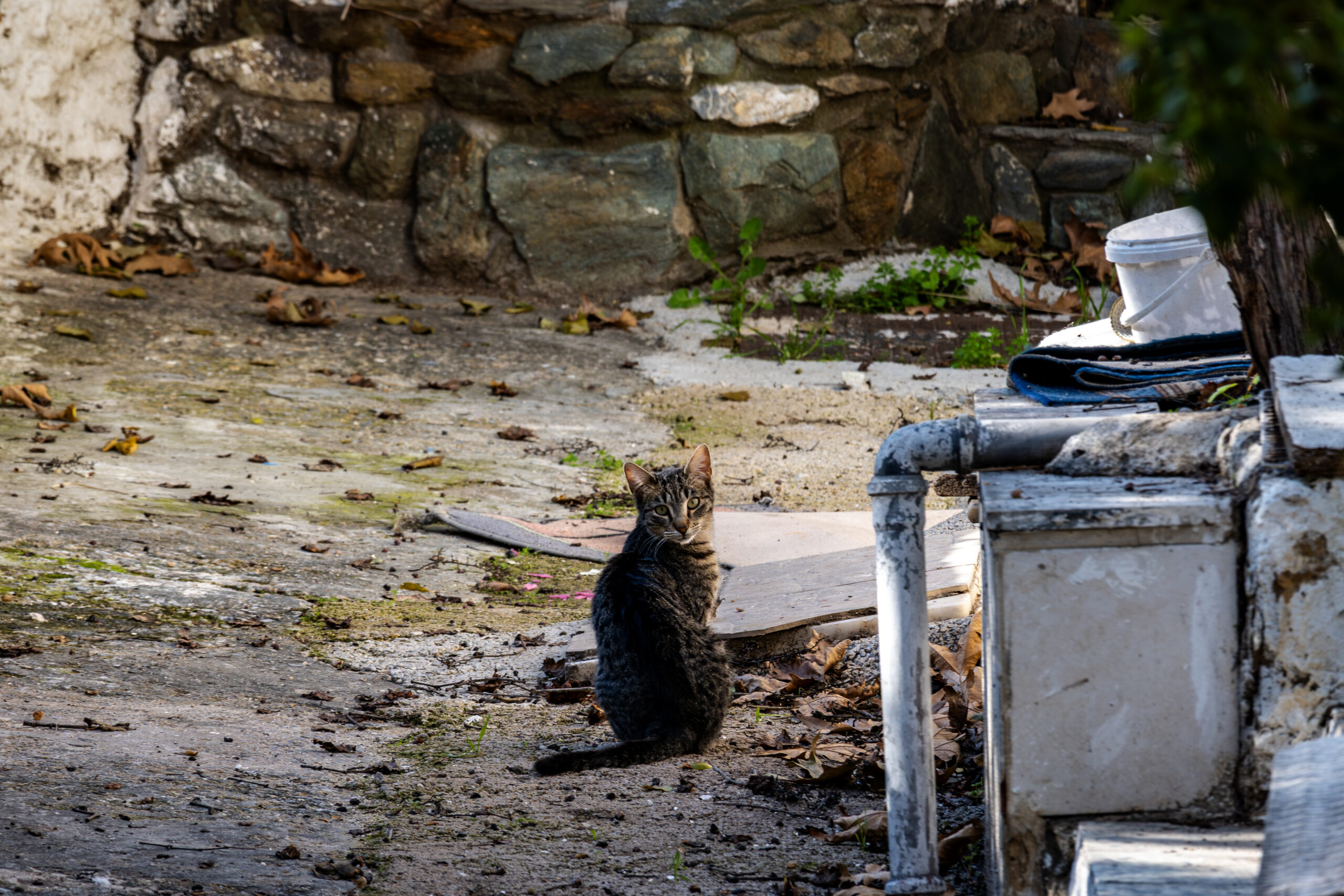
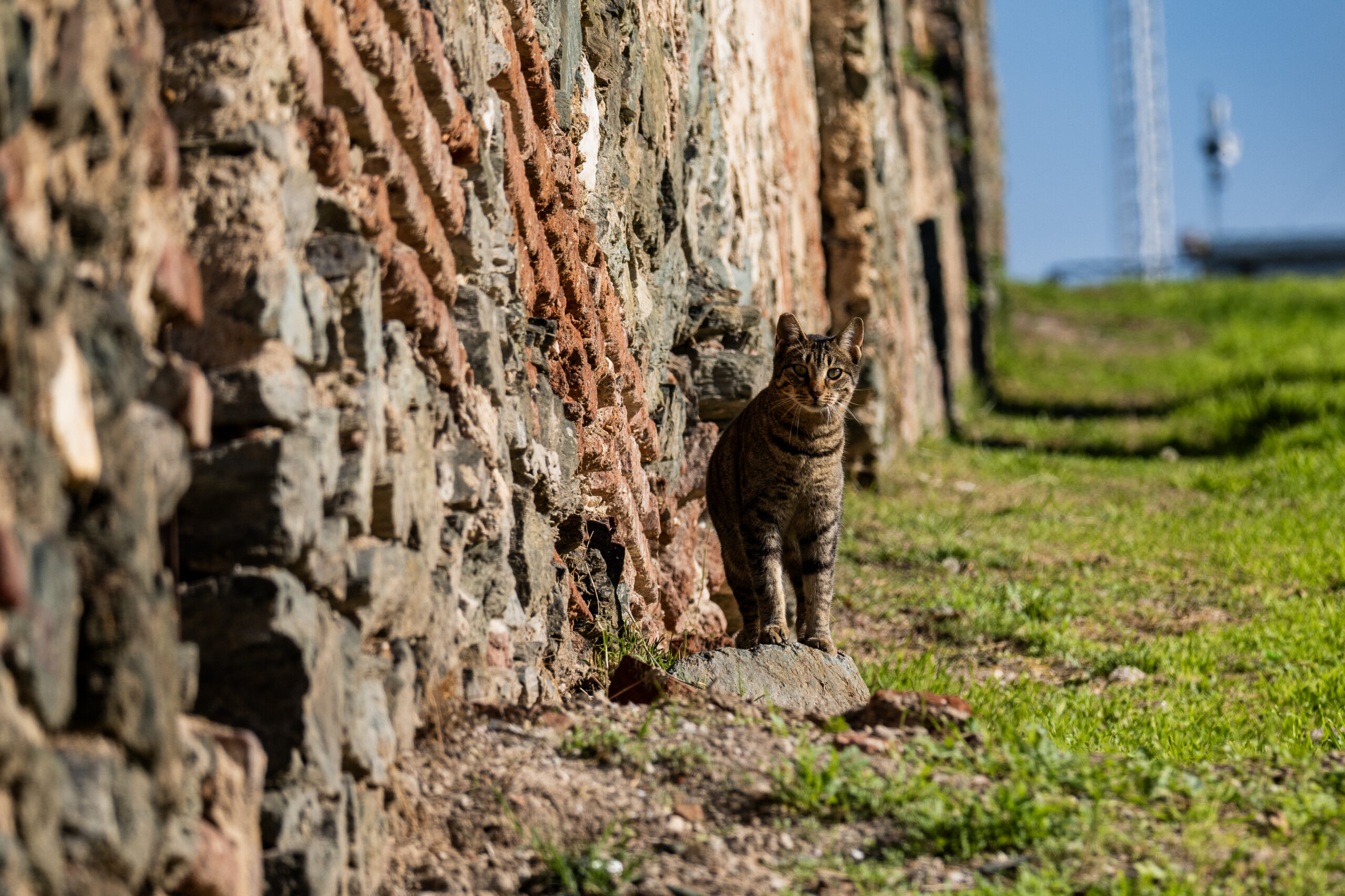
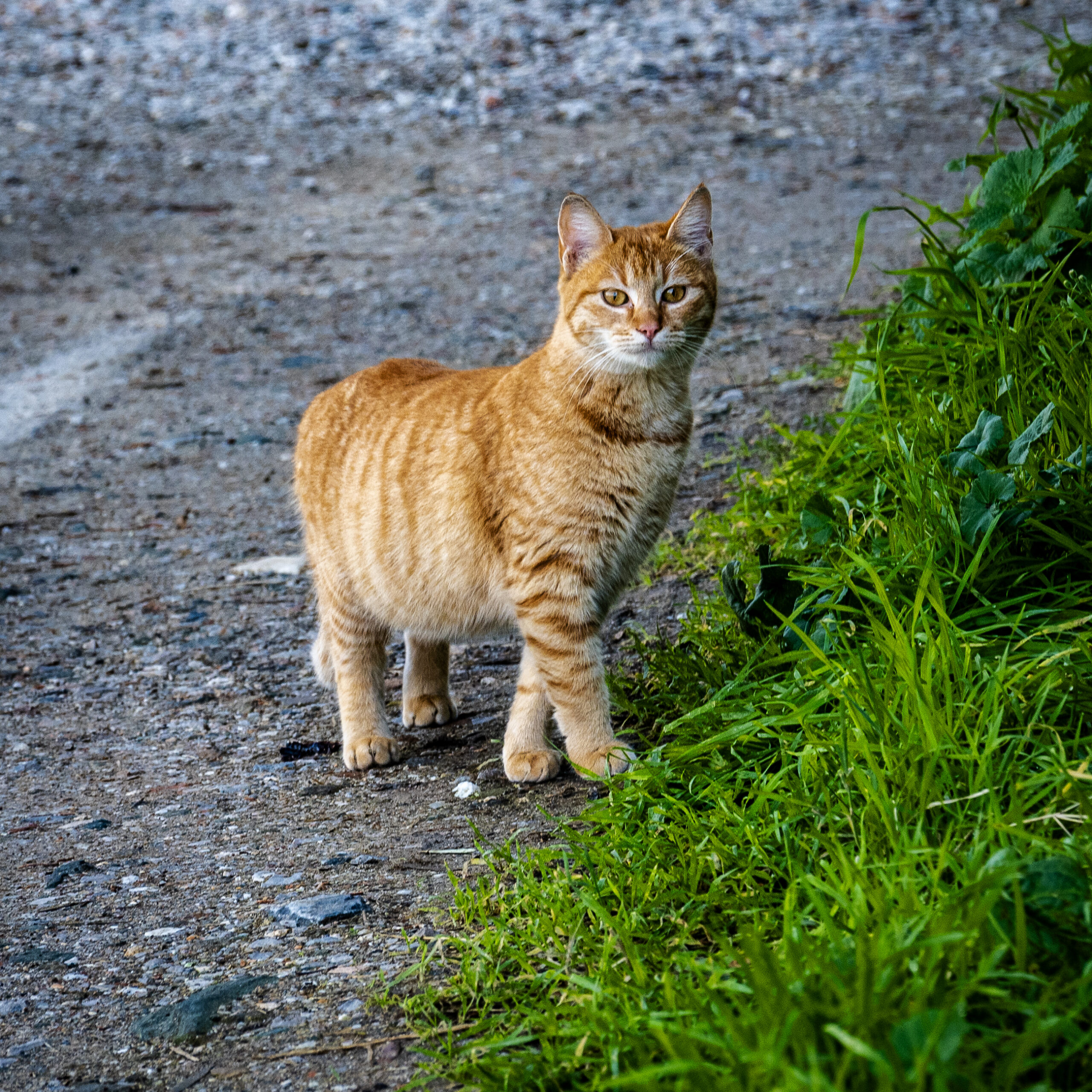
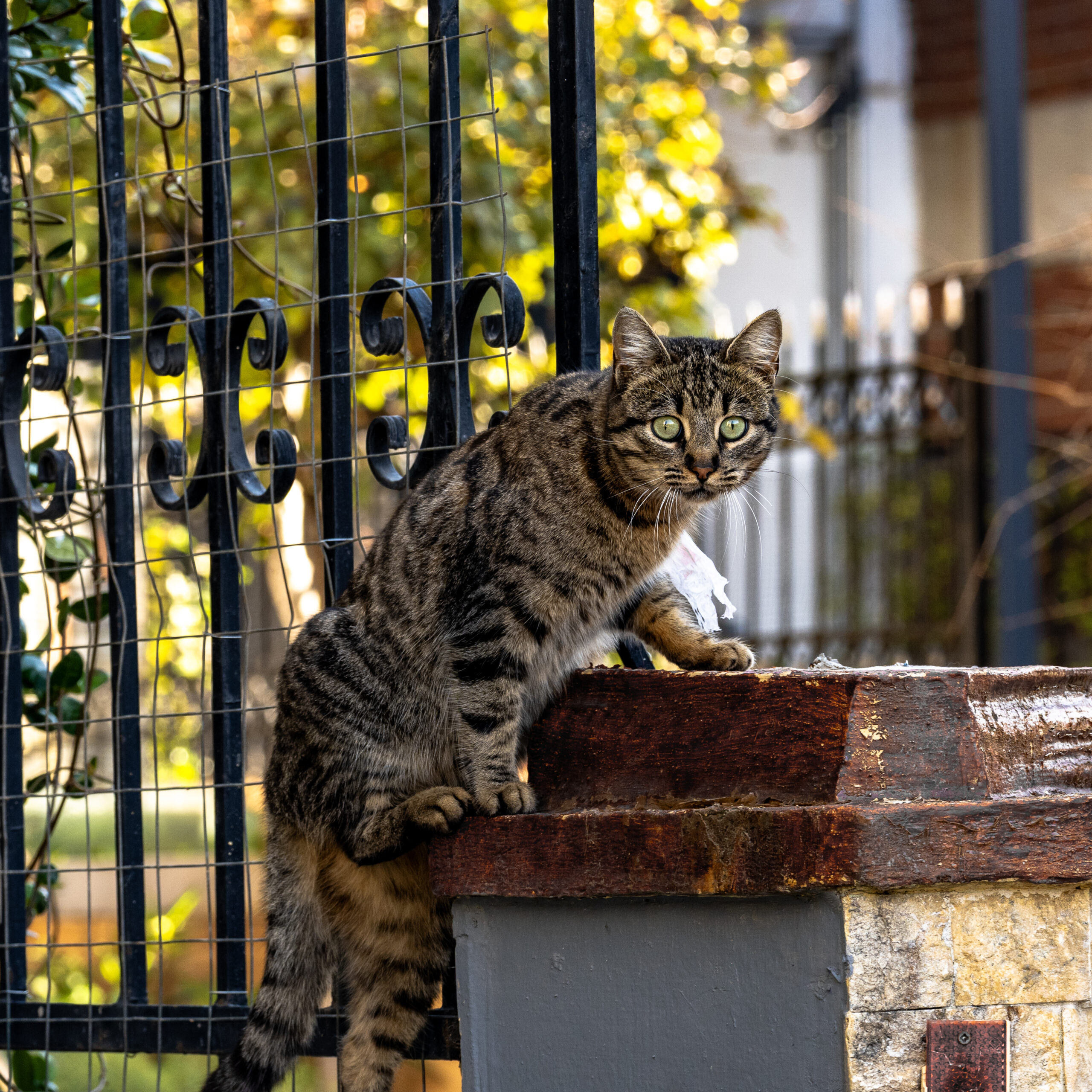
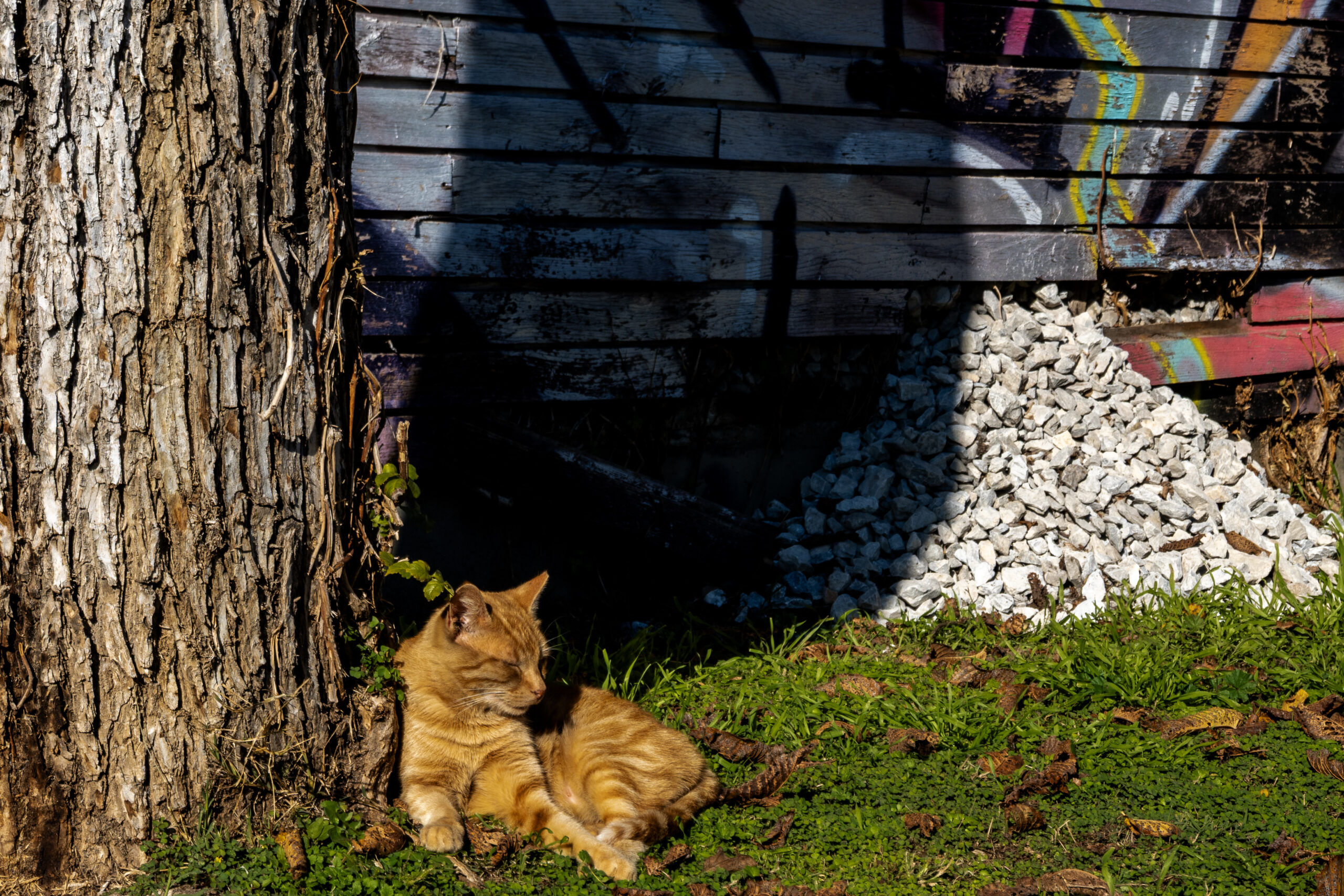
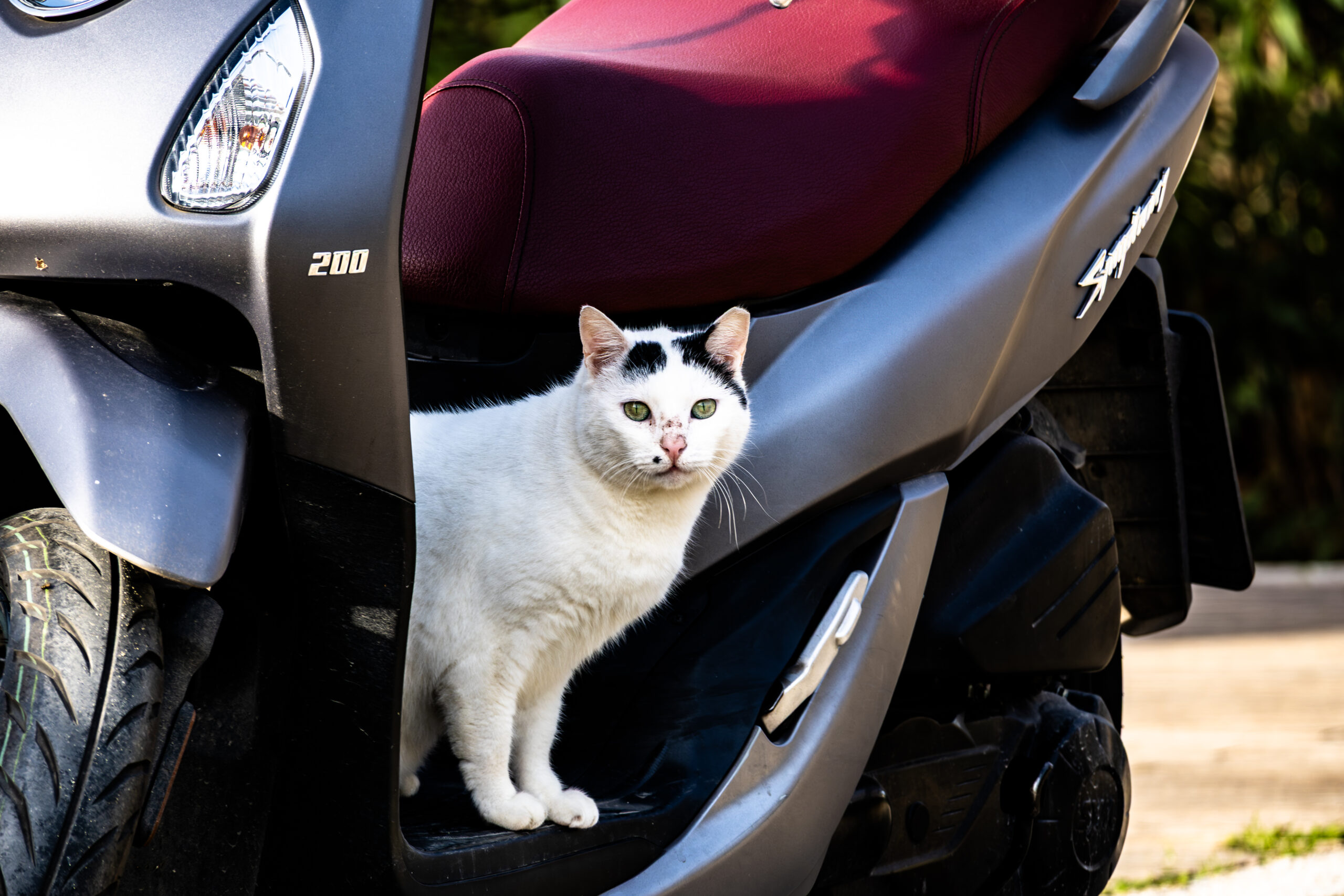
Finding my way off the hill turned out to be more trouble than I’d realized it would be. I wanted to descend the backside of the slope, but this must not have been a very popular route because it took a couple of missteps and backtracking before I found a path that led to the city below without being blocked by fences, barbed wire or sheer drops. And even once I found my way down to the roadside, I ran into another problem of old Greek cities. Sidewalks are very optional. So for a couple of kilometers, I walked along a very busy, rush-hour, road with not much more than a shoulder keeping me out of traffic. I was pretty confident with navigating busy European streets by this point, but this was an extra level of nerve-wracking. Even so, I eventually made it back to the safety of sidewalked streets and quickly turned into quieter side streets for reprieve. All in all, it was a pretty memorable day. - There are street cats everywhere in Thessaloniki. It was more rare to turn down a street and not see a cat, than the opposite. At first, I had a goal to photograph as many as I could, but, I quickly realized that would be an all-consuming task. Nonetheless, I got plenty of kitty photos.
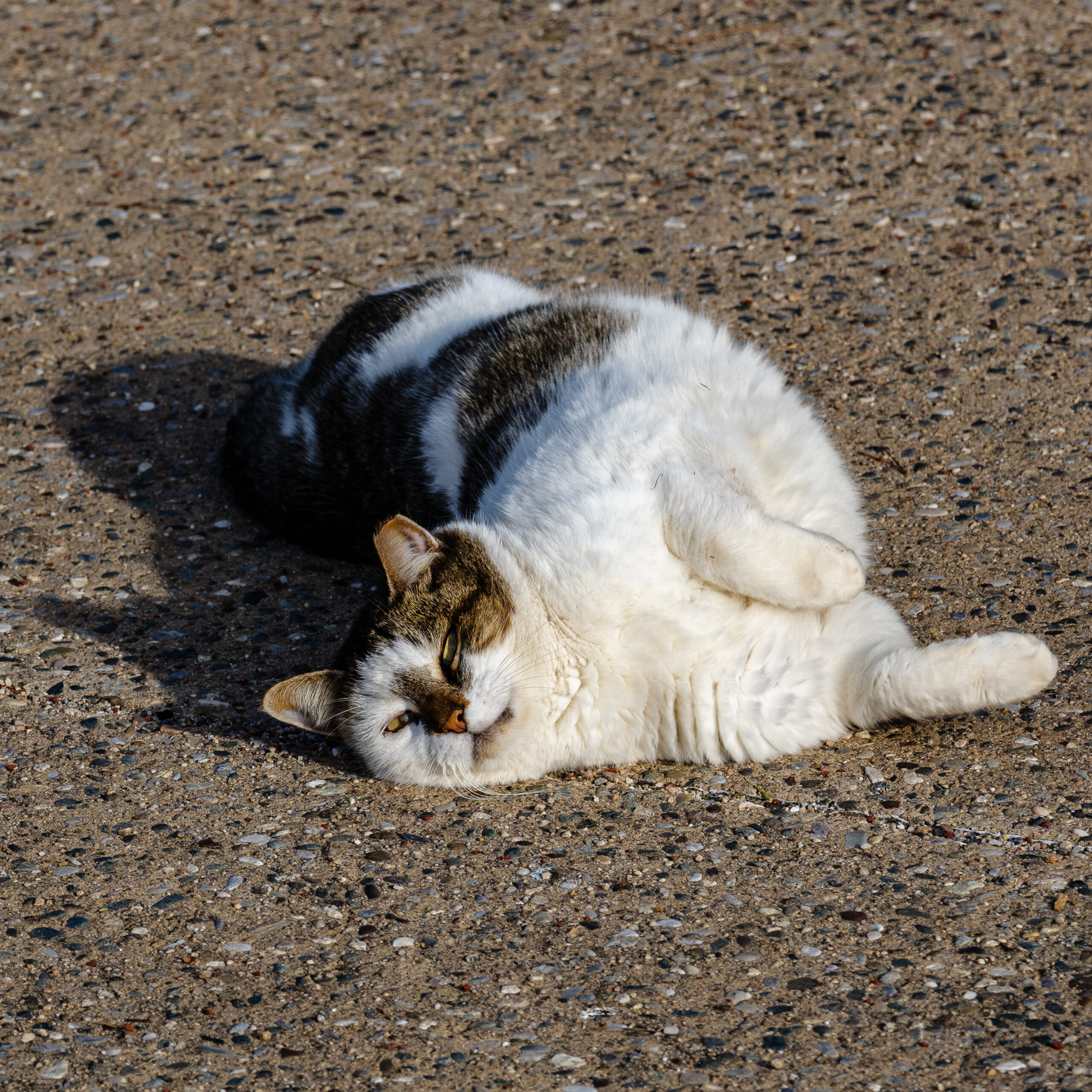
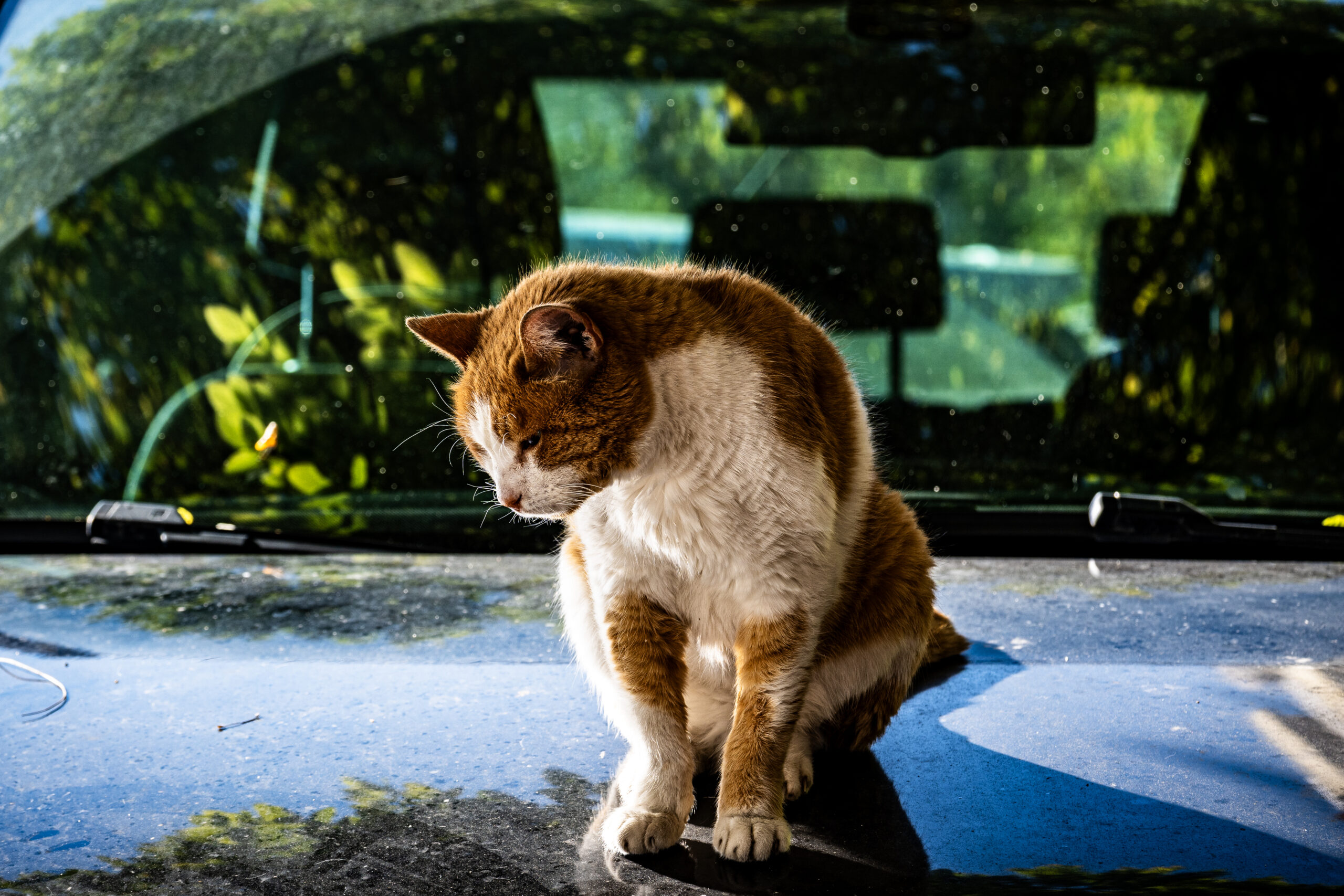
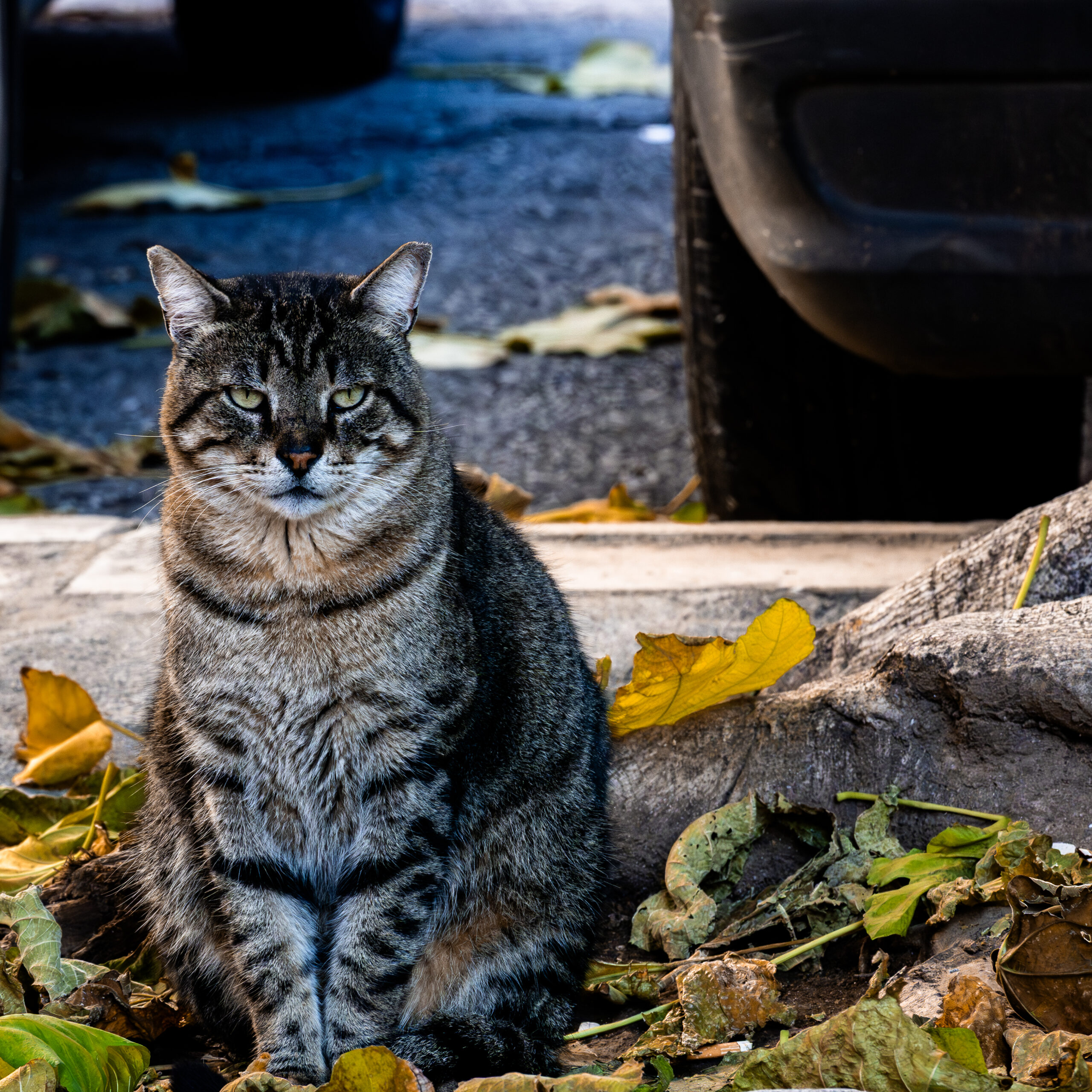
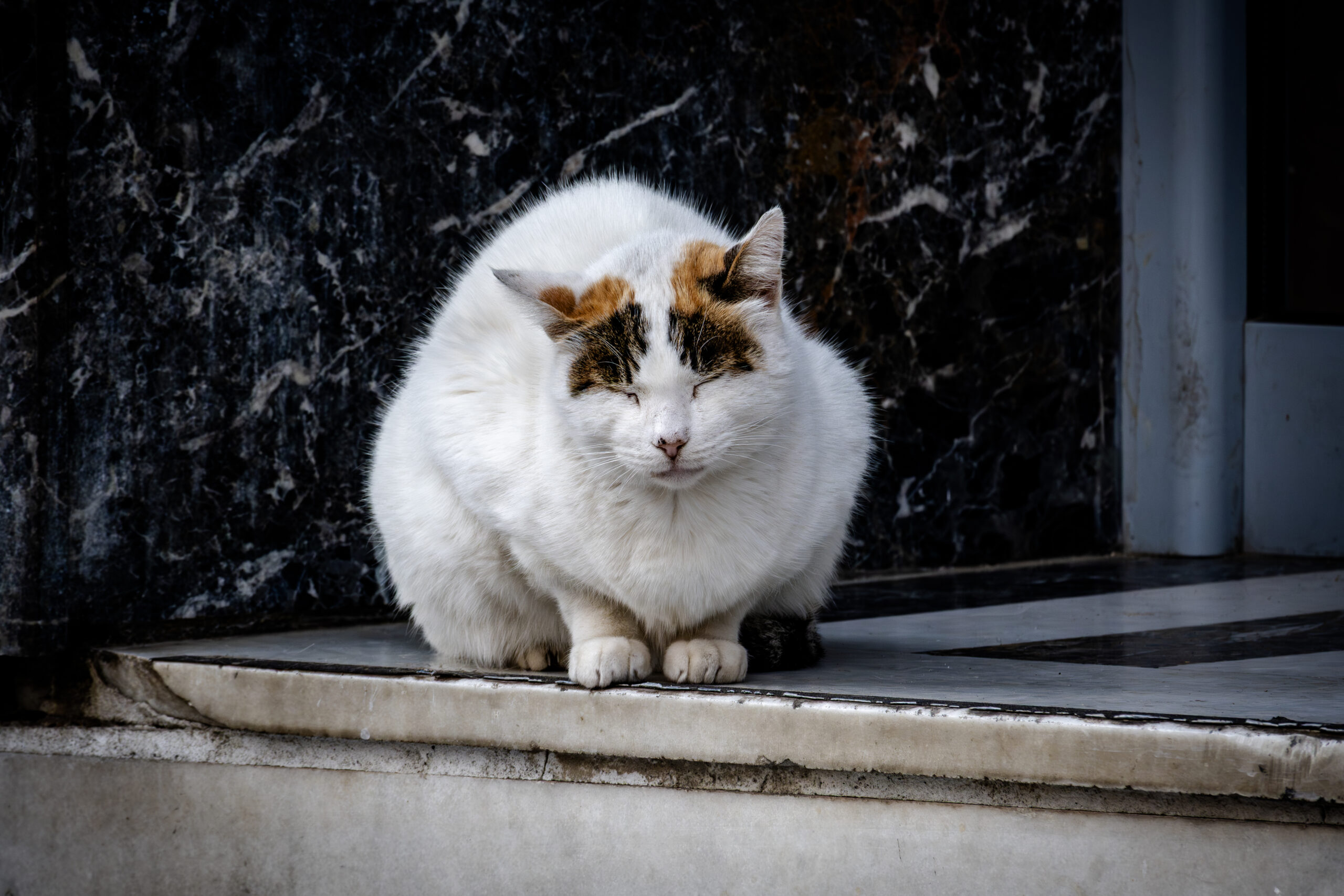
- I ended up staying in Thessaloniki a couple of days longer than I planned, though not quite by choice. My original plan was to travel to Athens by train after five nights. However, I didn’t realize that this wasn’t like north-western Europe, where I could get a train every hour that would take me where I wanted to go. So, by the time I went to book tickets, seats were already sold out and the next available train wasn’t for two days. It was a minor oversight, and thankfully, I was enjoying Thessaloniki so it wasn’t any chore to have to stay a couple of days longer.
- One peculiarity of Greek hospitality took me by surprise the first couple of times that I ordered coffee. Alongside my double espresso, the barista handed me a bottle of water. At first I thought that maybe he thought that I would want to make my own Americano, like I could handle the espresso directly. But, it turns out that’s just the way they do things here. Coffee comes with water, whether as a counter to supposed diuretic effect of the coffee (pedant alert: coffee is a minor diuretic but contains more water than would be lost from drinking it) or just as a way to rinse the strong taste, I’m not sure, but it was nice either way.