Myths and Mountains
I left Thessaloniki for Athens early in the morning by train. The ride would be five hours long and would carry me the length of Greece. I was looking forward to watching the rocky, mountainous landscape unfurl before me. Greece was and is a place of particular fascination for me. I was obsessed with Greek mythology as a child, swept away by the stories of heroes and monsters, gods and chimeric creatures. A world neatly divided and controlled by beings of great power, each with their own domains and responsibilities. As I grew older, I learned of Greece, and Athens in particular, as the birthplace of Western Civilization. The home of the great philosophers, Socrates, Plato, Aristotle, Democritus, and my personal favorite, Diogenes, the cynic who lived in a barrel. The backdrop of the great dramas of Euripides, Sophocles and Homer.
Early along the route to Athens, the train would run parallel to the mighty Olympus, home of the gods of the Greek Pantheon. I had opted not to make a day trip to the massive mountain during my stay in Thessaloniki, settling for a view from the train window. However, I didn’t take into account that the early morning departure would leave the first hour of the journey in darkness. And as luck would have it, it was a foggy morning which would have obscured the view even if there was light to see. So, for now, the throne of Zeus continues to live in my imagination high in clouds where mortals cannot see. As my consolation prize, the ancient city of Athens awaited me.
Adventuring in Athens
- I made my arrival in Athens at the city’s main station, which is a fairly diminutive affair compared to some of the grand stations that I’d witnessed in more northern parts of Europe. For reasons that are a mystery to me now, I chose to hoof my way to my hostel a kilometer and a half away, rather than taking the metro that would have carried me there in mere minutes. It was an enlightening experience, foreshadowing much of what I would see throughout Athens. The streets are chaotic, Greek drivers are aggressive and pedestrians have no rights in their eyes. And when faced with a multi-ton vehicle bearing down on me at rapid speeds, I could only agree. But, a walker must not be meek either, not when the only way to cross a street is with confidence and cunning awareness. The streets themselves are tight-webbed grid, densely packed with mid-rise apartment buildings, each balcony sporting an angled sun-shade, protecting from the midday sun even in mid-December. The temperatures here rose another 10 degrees from Thessaloniki, sitting at a balmy 20 degrees in the height of the afternoon. I worked up a solid sweat by the time I arrived at the Hawks Urban Hostel.
- As a special treat to myself, helped by the fact that prices dropped precipitously as the holidays approached, I booked a private room at the hostel. I literally jumped with joy when I entered the room and saw the amenities offered. Despite being relatively spare, I was overjoyed with the prospect of having my own mini-fridge, a desk, a window with a view and, of course, the privacy of a room to myself, even if I did have to share a bathroom with one other room. After six weeks of shared hostel accommodations, I was now living in real luxury. In fact, though I didn’t realize it at the time, I wouldn’t be sharing a room with anyone else until mid-February.
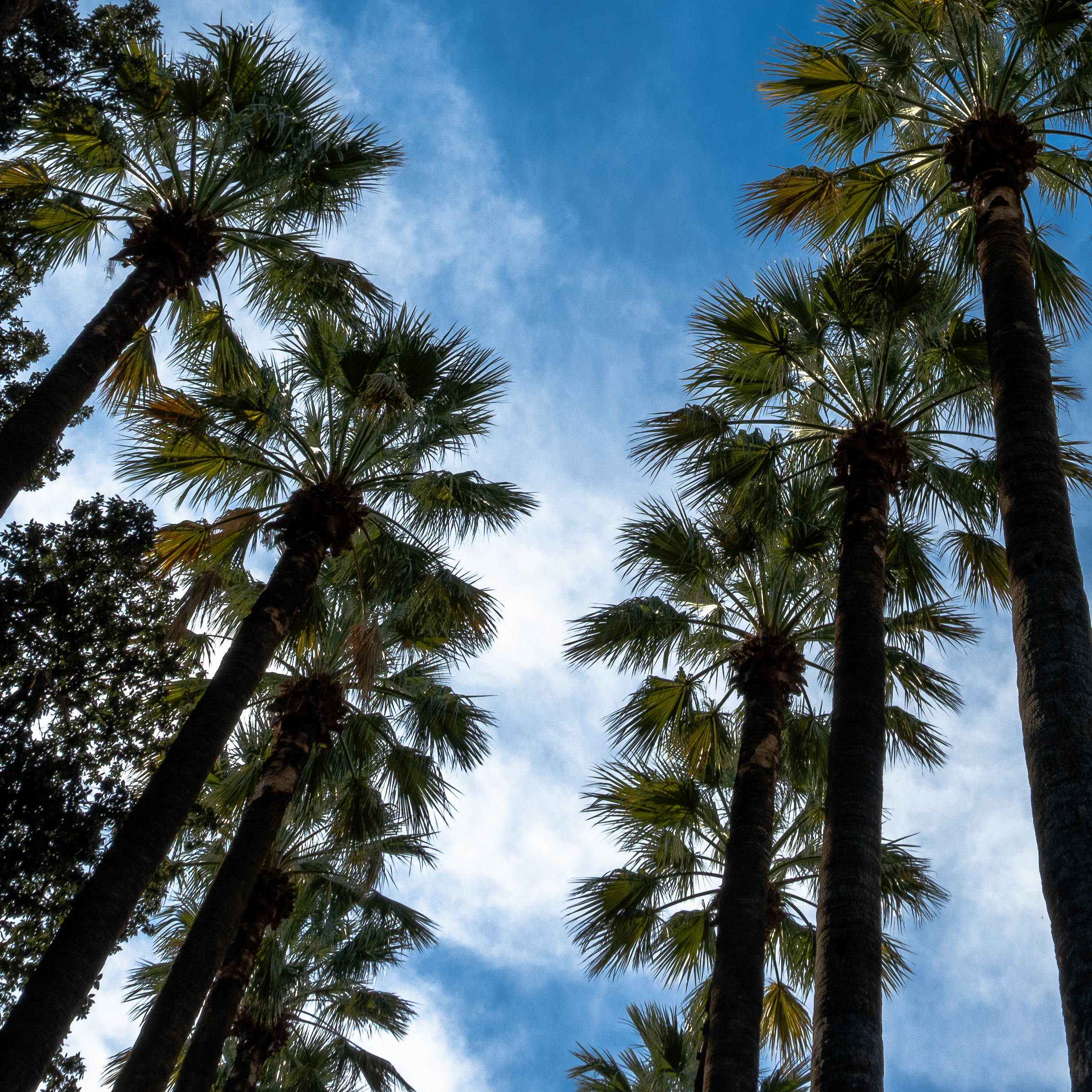
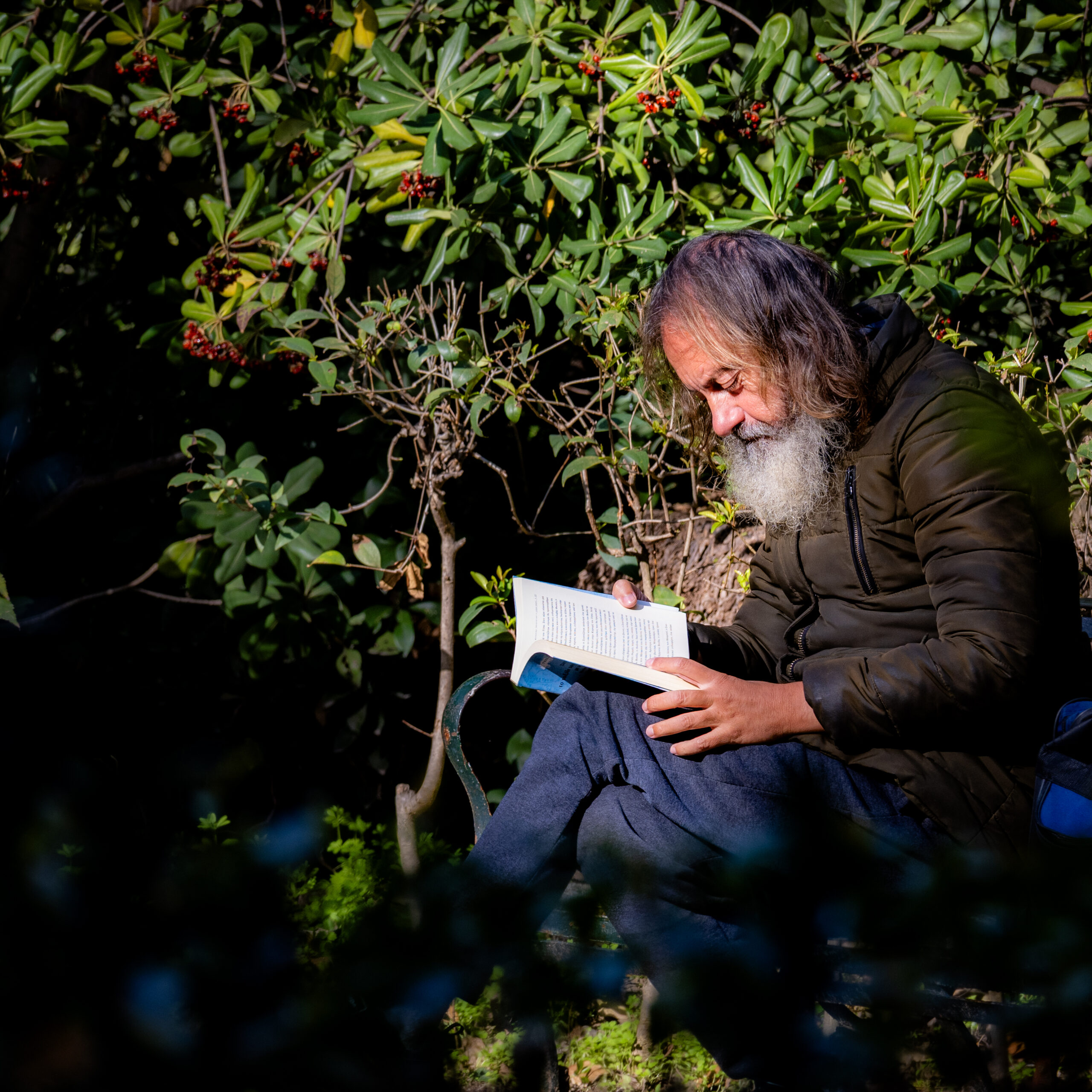
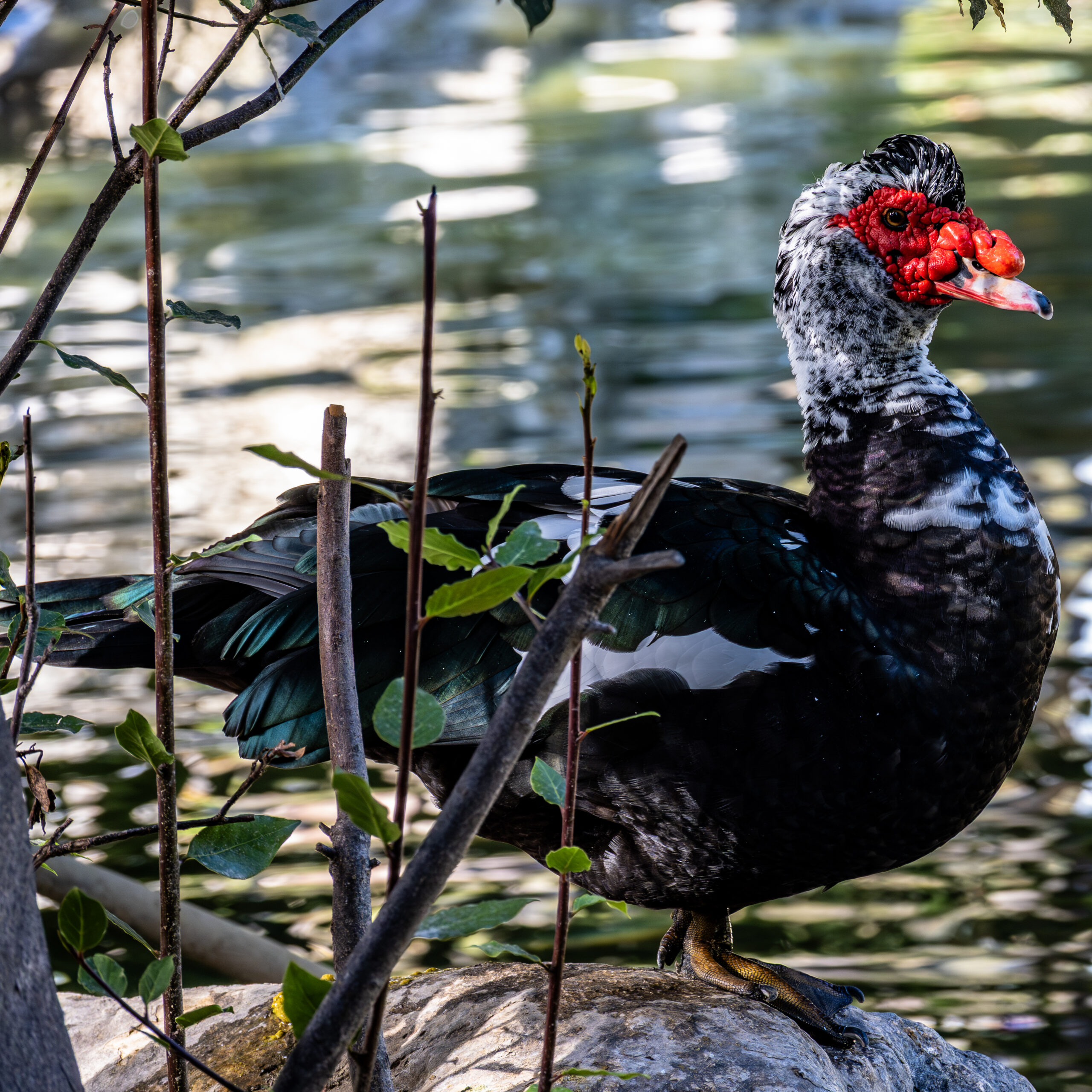
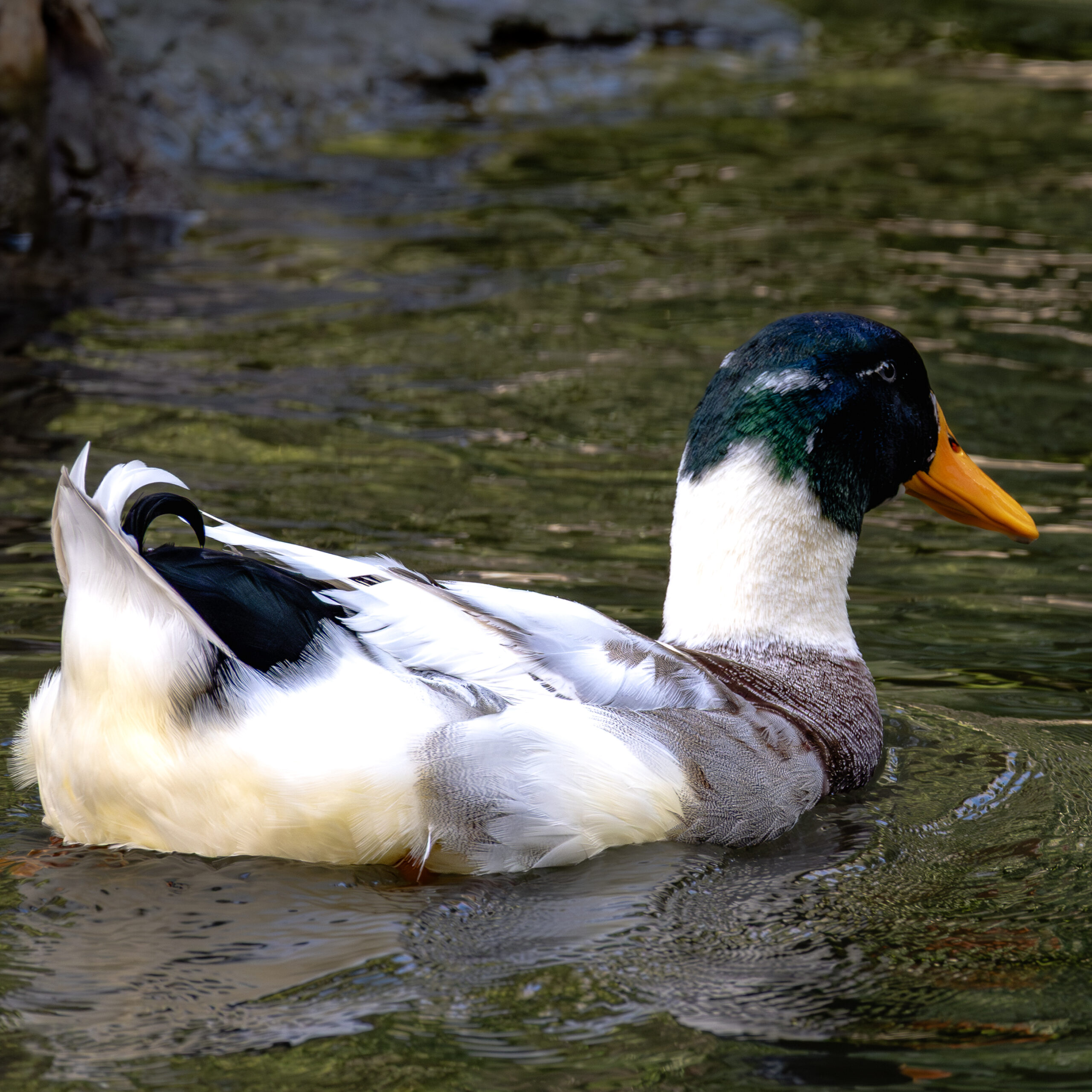
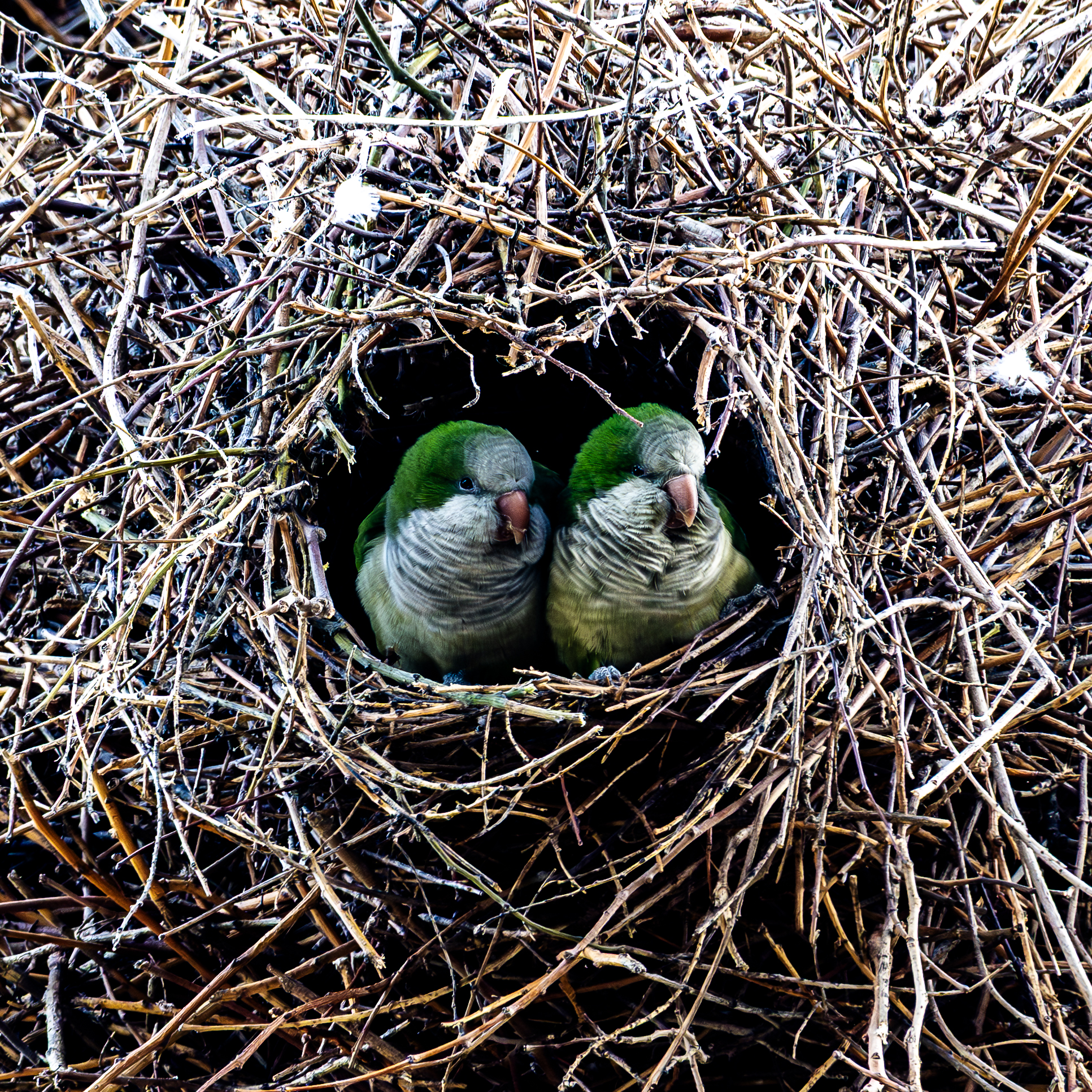
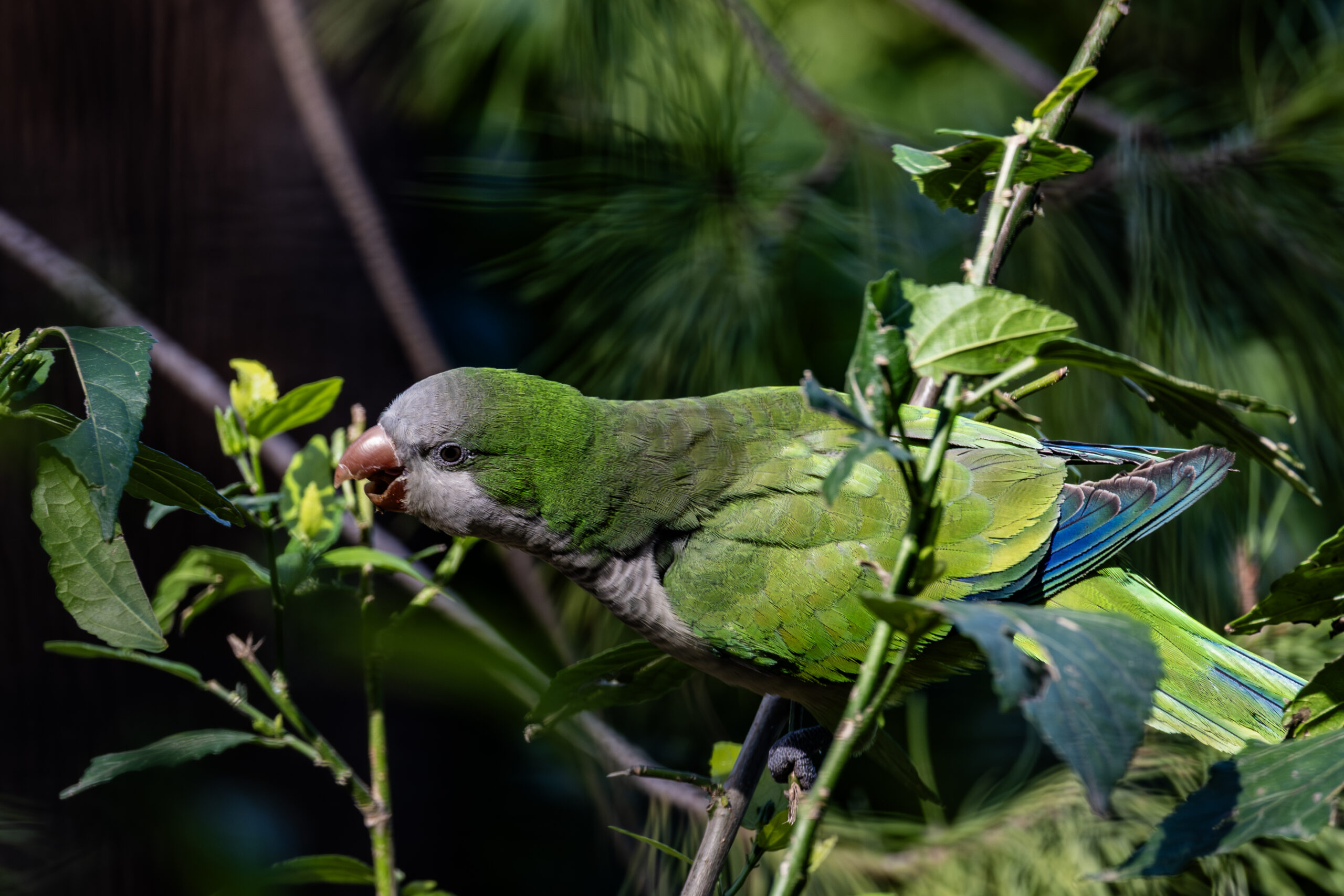
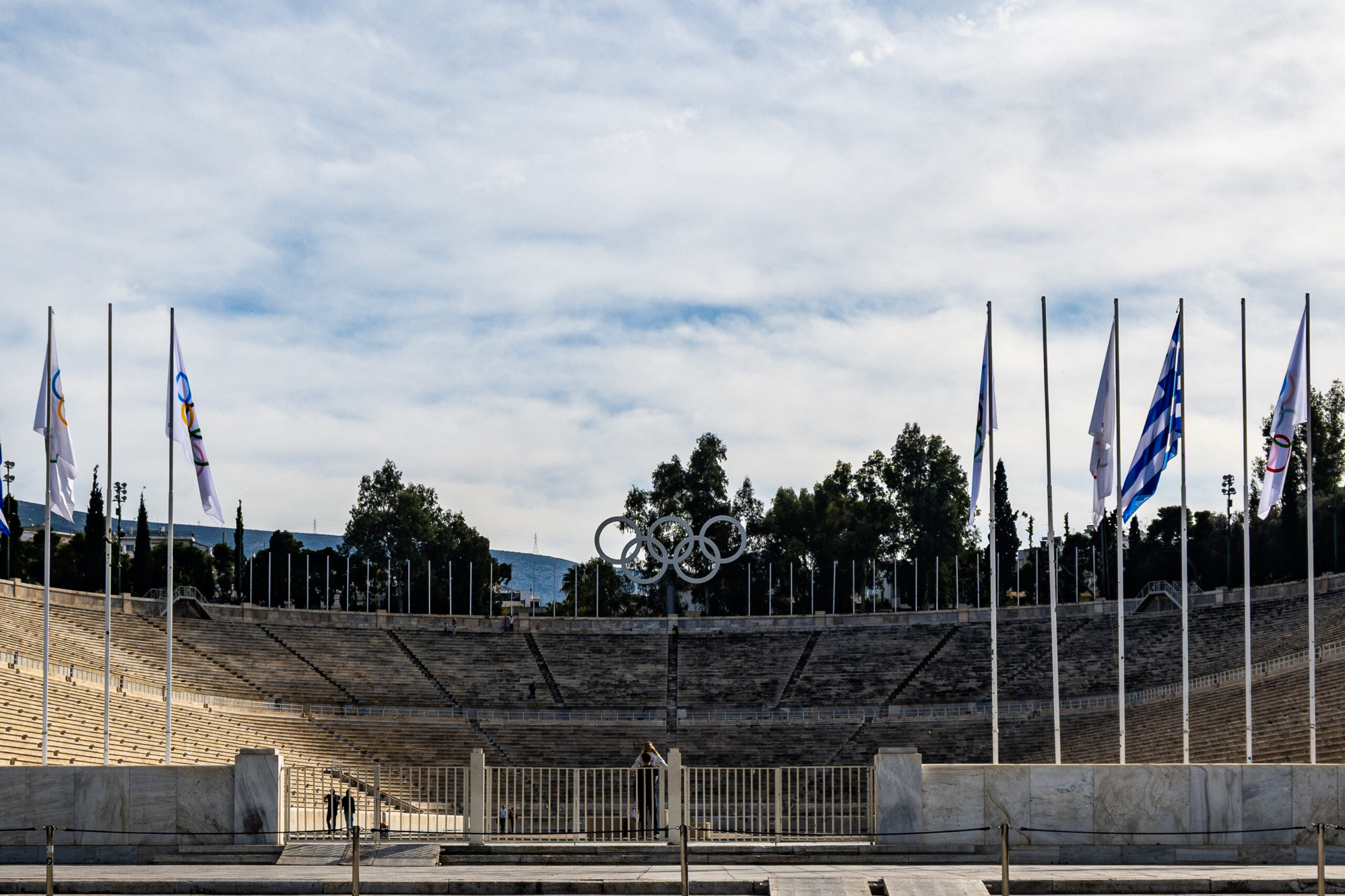
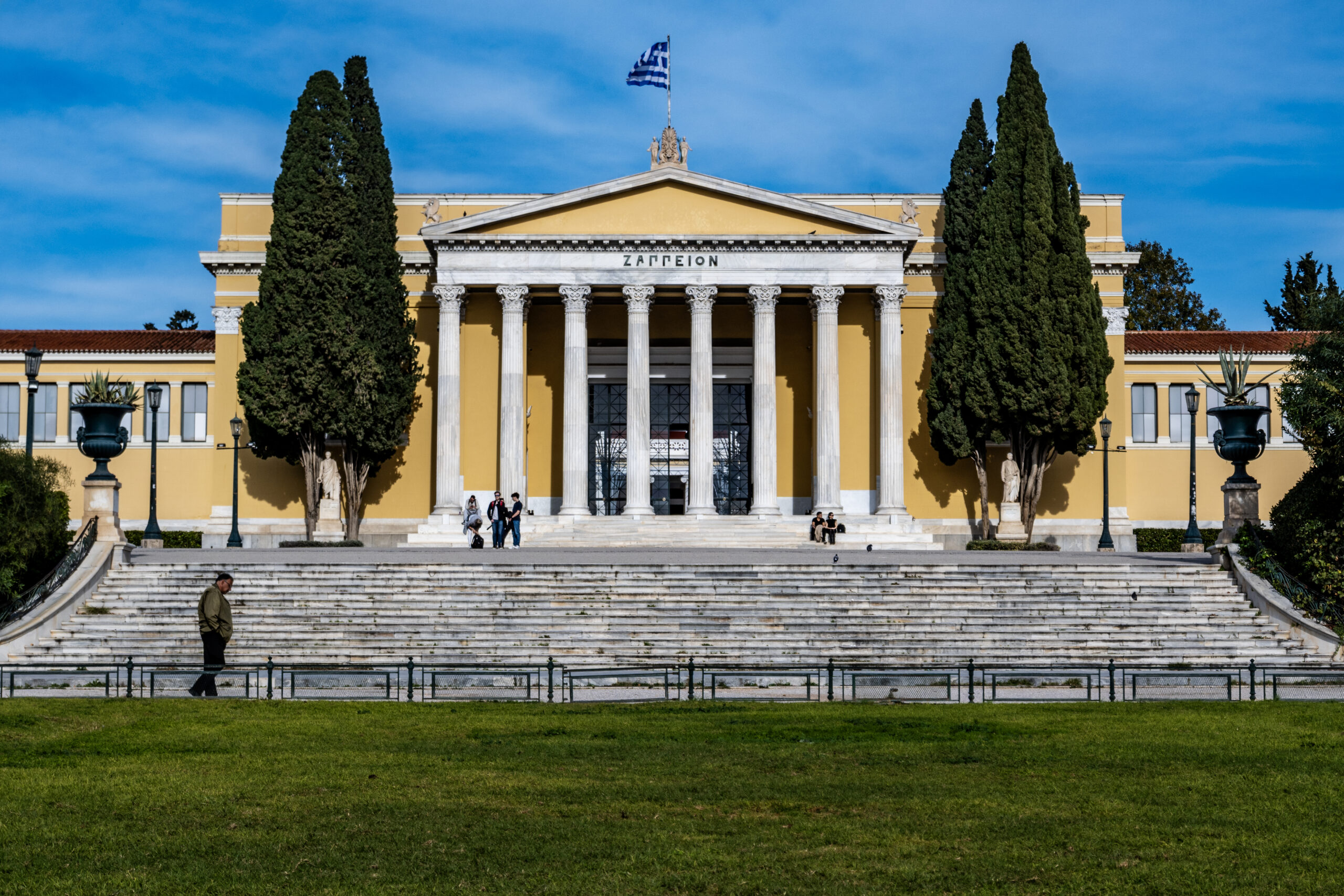
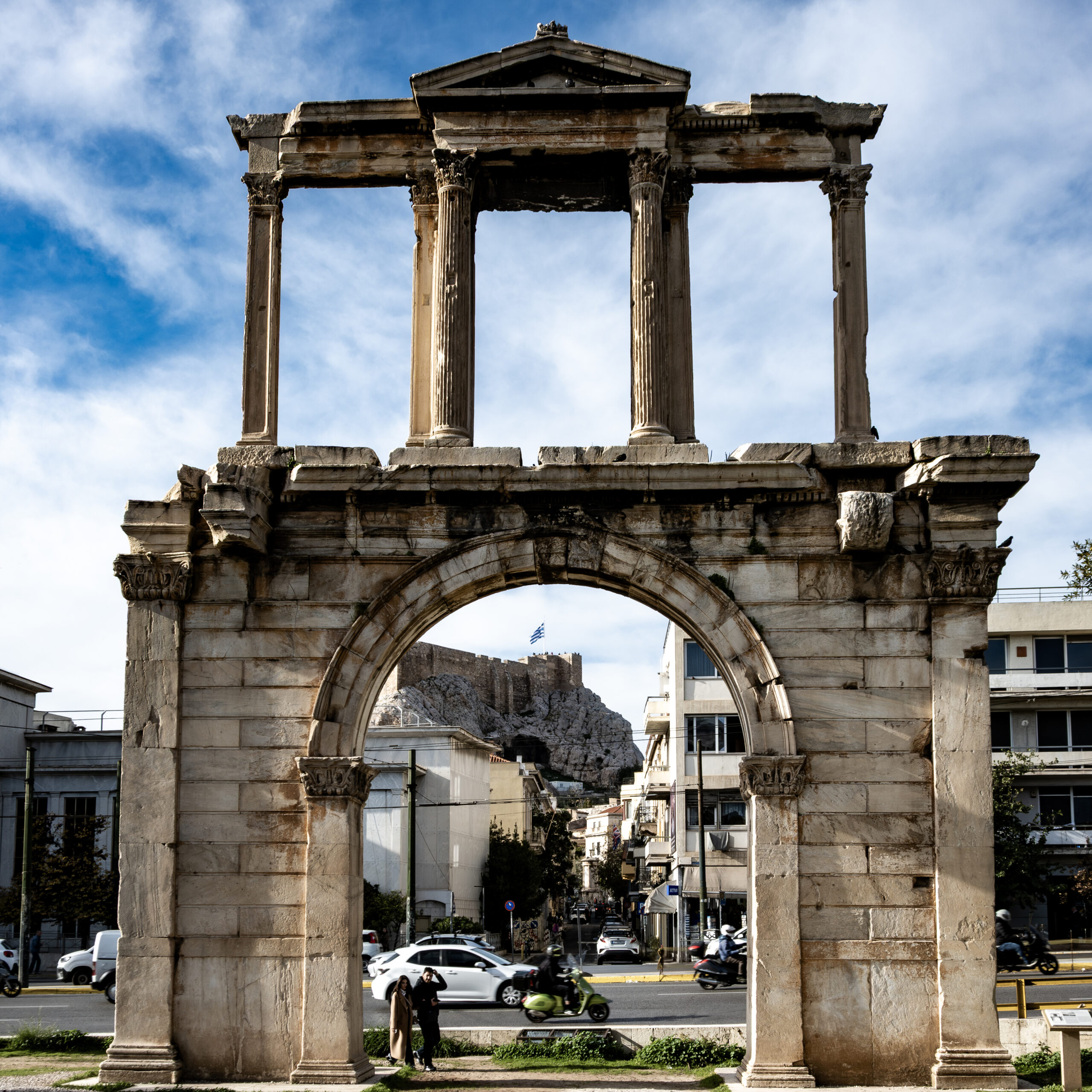
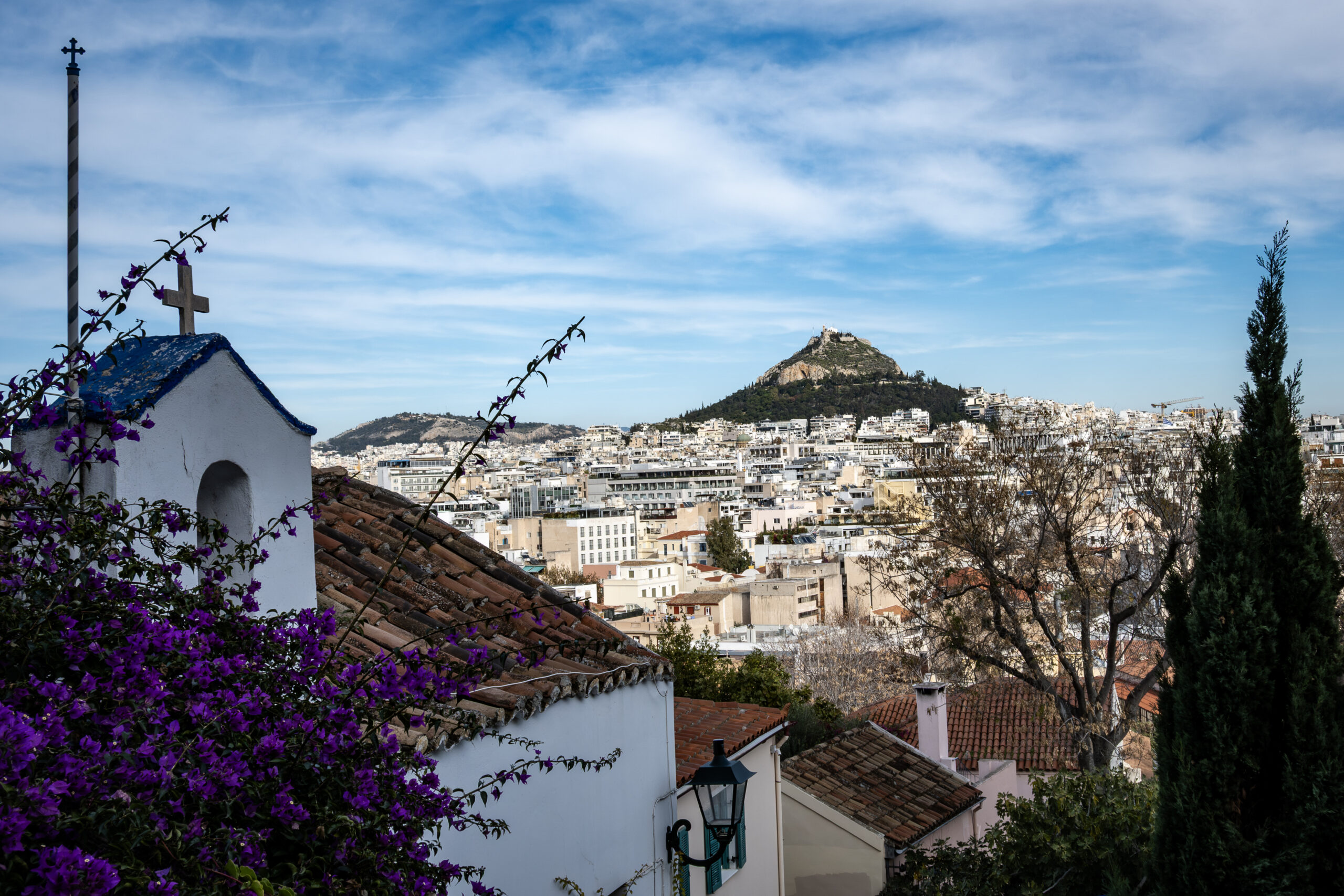
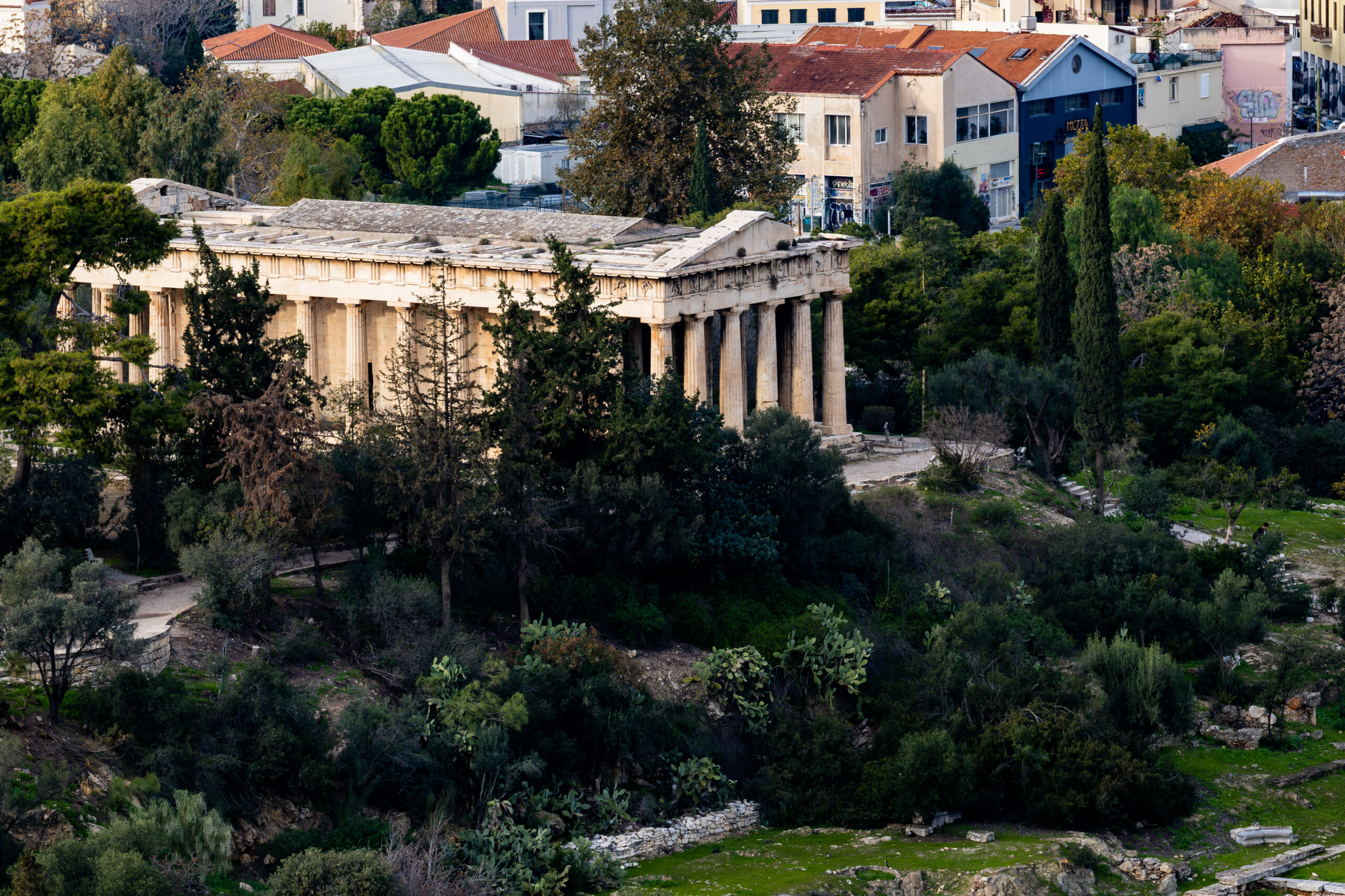
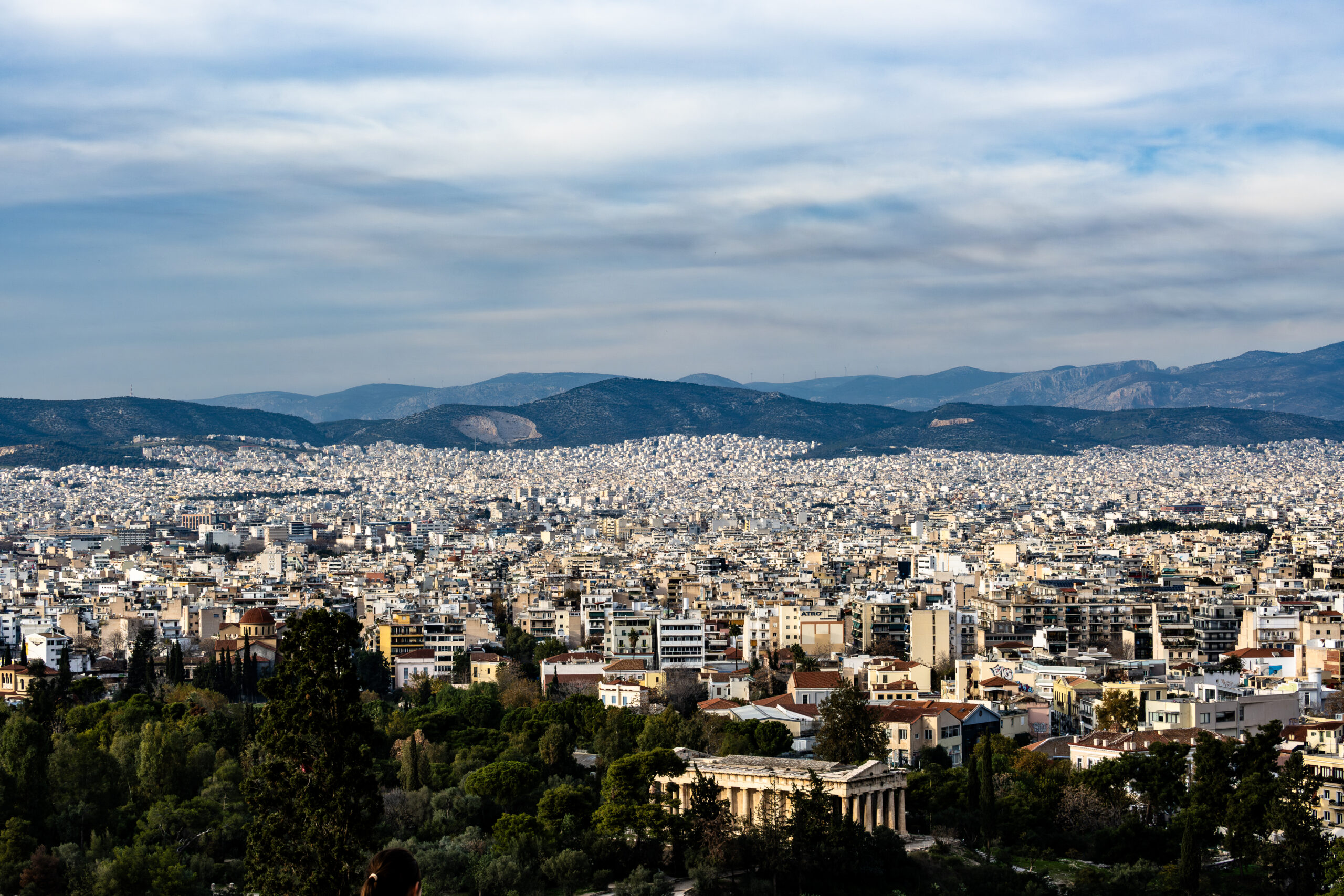
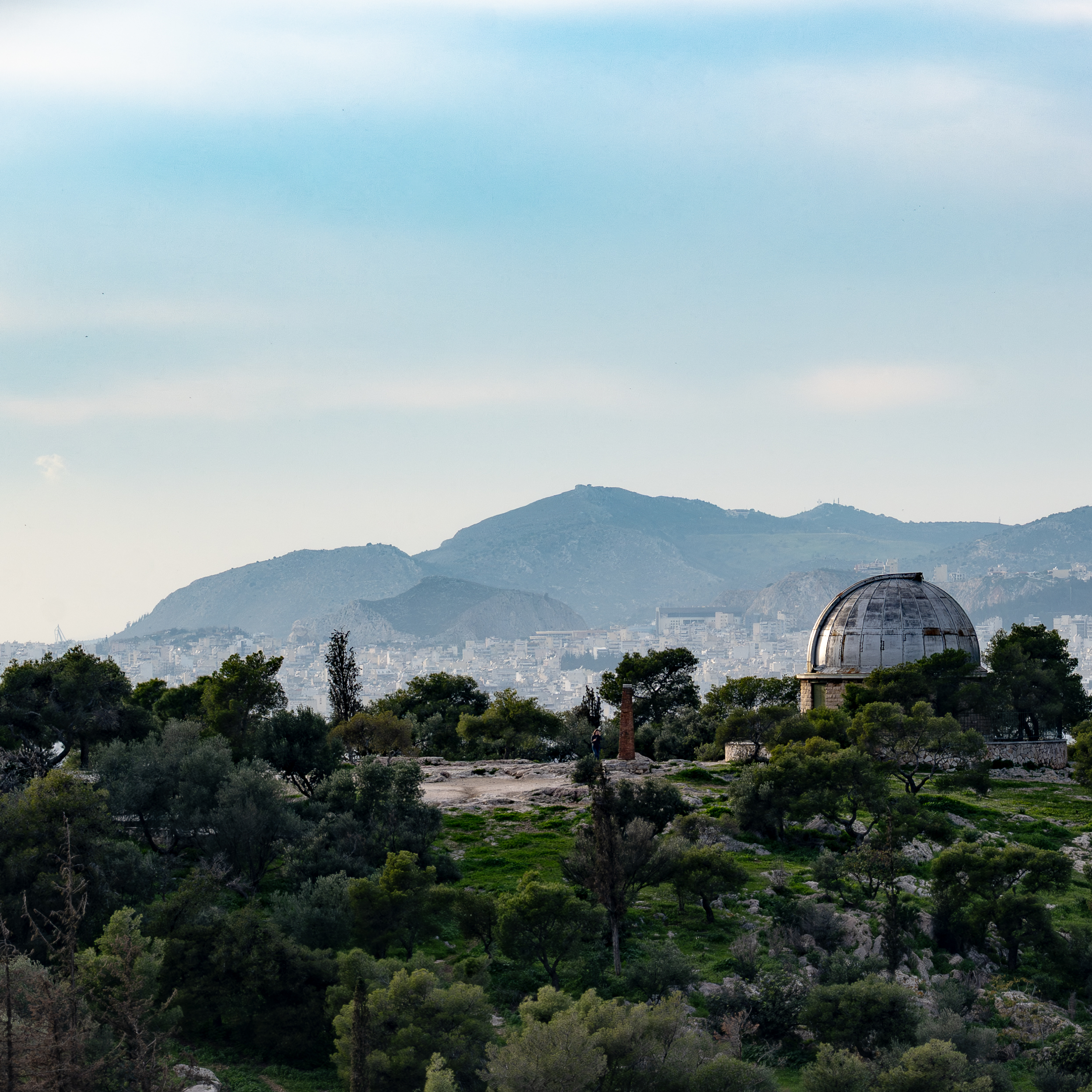
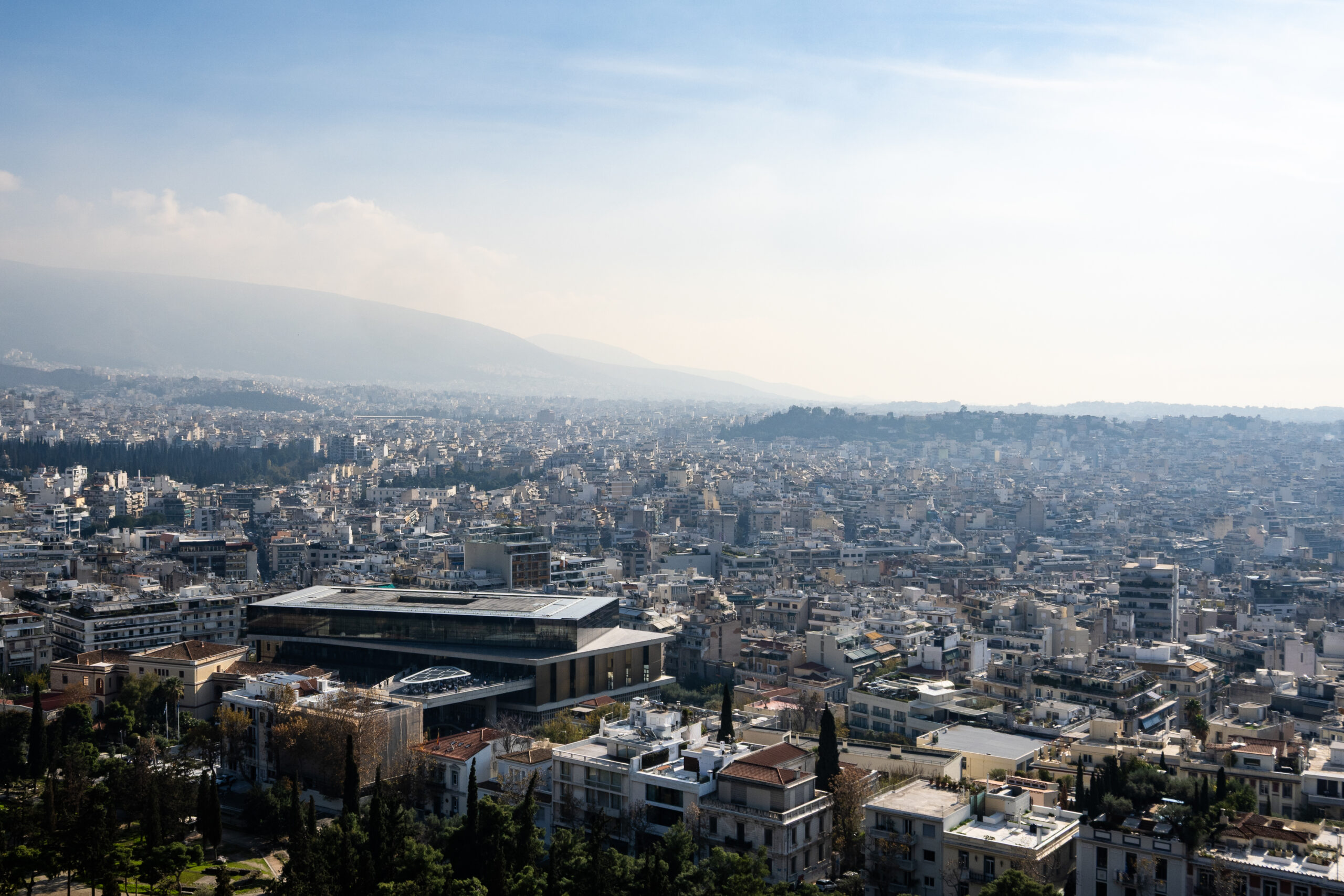
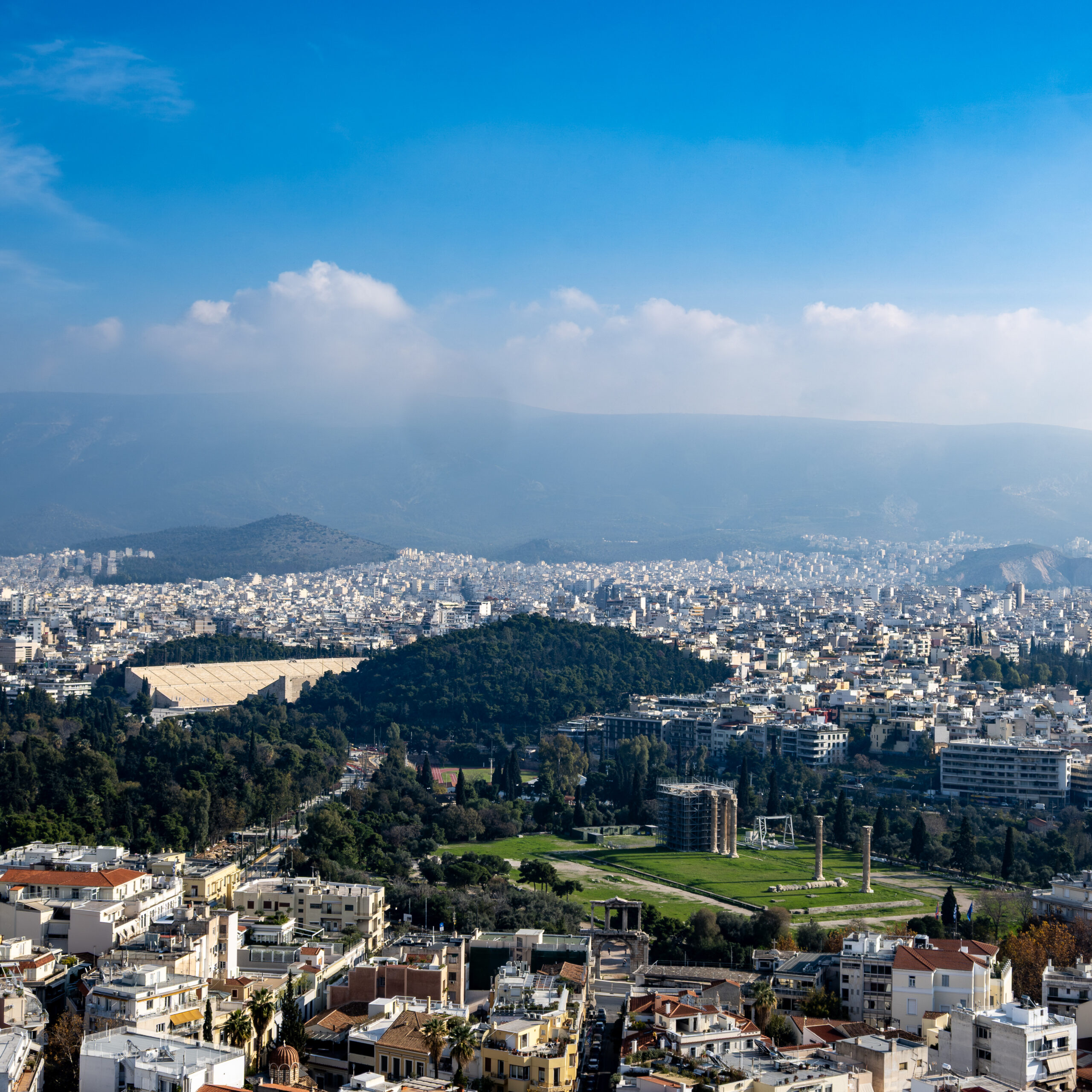
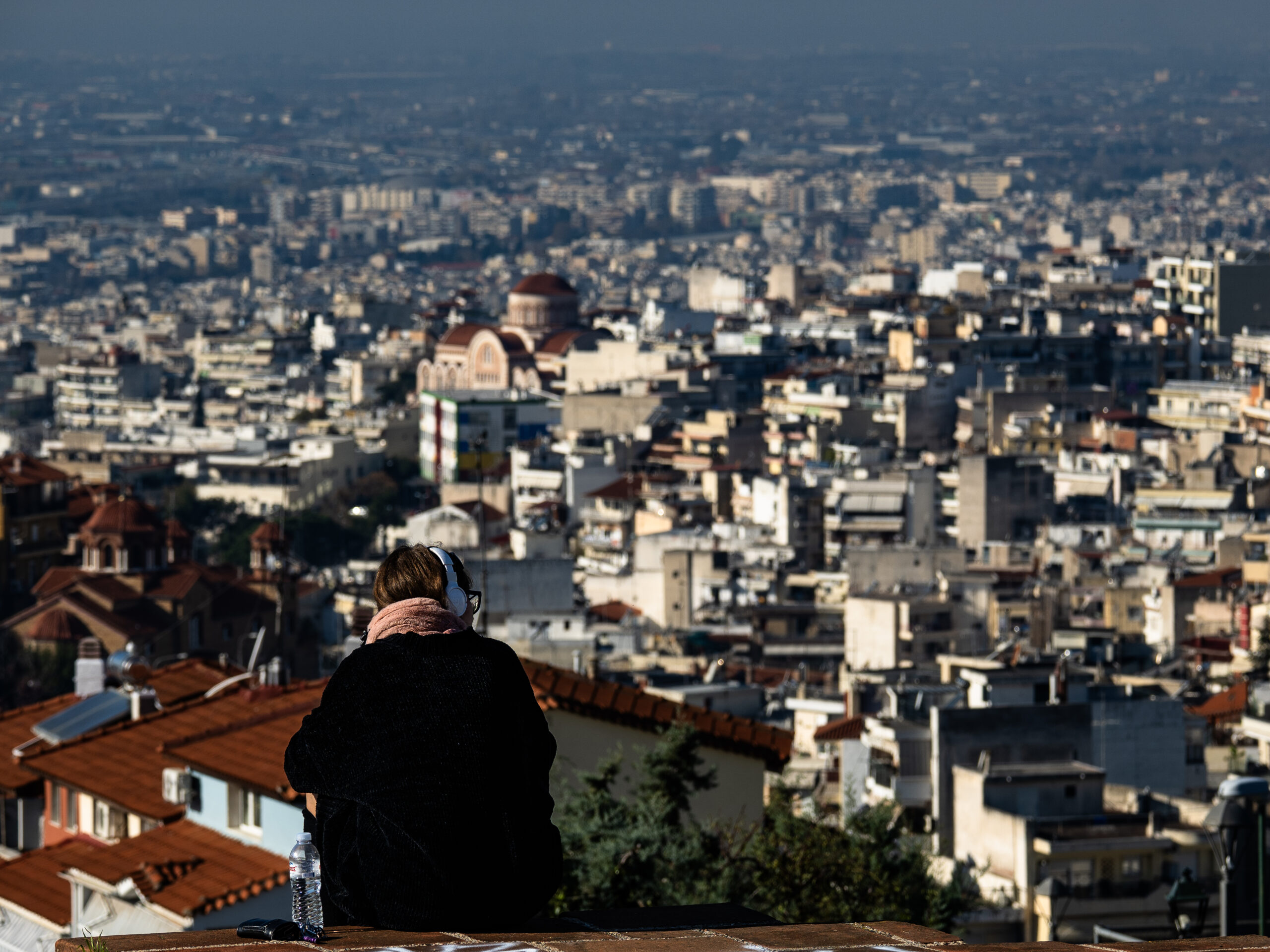
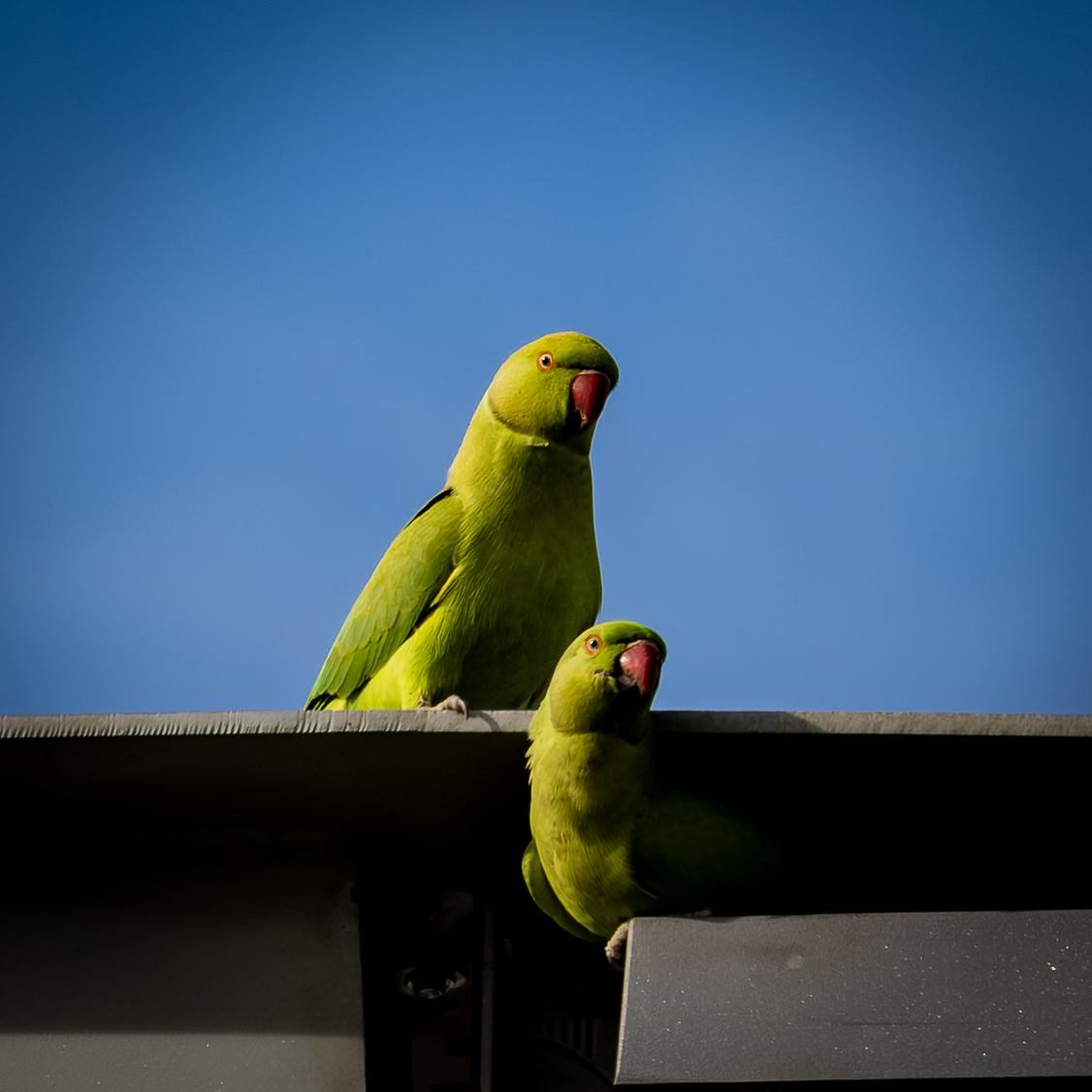
- My first day in Athens, as was now my habit, was a undirected wander. I started at the National Gardens, next to the Presidential Palace, near the heart of the city. Along with the exotic trees and flowers of the garden, I found parrots nesting the canopies, ducks swimming in ponds, and cats and tortoises creeping through the underbrush. A good start to any day. The gardens led me to the Panathenaic Stadium, the site of the first modern Olympics in 1896, which in turn offered me my first sight of the Acropolis and the Parthenon surmounting it. The Parthenon was my most anticipated site for my visit, so it was an exciting preview of what was to come. From the Stadium, I worked my way into the heart of the ancient city, and a flurry of sites and ruins hurried by, the Temple of Olympian Zeus, the Hadrian Arch, the Roman Forum, the Ancient Agora overlooked by the Temple of Hephaestus. By the end of the afternoon, I was climbing my way up to the Acropolis, closer and closer to the Parthenon, though I wouldn’t be visiting that site quite yet. I finished on the Aeropagus, a rocky outcropping of a hill with a tremendous view of Athens stretching in all directions (except those blocked by the summit of the Acropolis). I was even able to see out to the Aegean sea, just barely glinted over the top of Nymph’s Hill. Facing toward the city, a white sea of buildings and roofs spread through the valleys between hills, covering every surface capable of supporting a foundation.
- My visit to the Parthenon would be spread over two separate days. I chose first to visit the Acropolis museum, not intending to spend an entire day exploring the history and artifacts held within, but content to do so. The museum is overflowing with the remains of civilization that the Acropolis has witnessed over thousands of years. It excellently details the history of the Acropolis through various eras, iterative cycles of construction, worship, sackings and destruction. Ascending each floor of the museum brings you closer and closer to the present. The top floor details the Parthenon and particularly the marvelous statues of the pediments of the temple. These statues are famously no longer in Athens, the Elgin marbles were removed in the mid-1800s and carried away to London, where I’d seen them in the British museum some fifteen years earlier. The Acropolis museum presents replicas of these statues,as well as the frieze and metopes that run around the length of the Parthenon, laid out in the same dimensions and position as they would have stood in the temple, but brought down to eye-level instead of soaring 40 feet overhead.
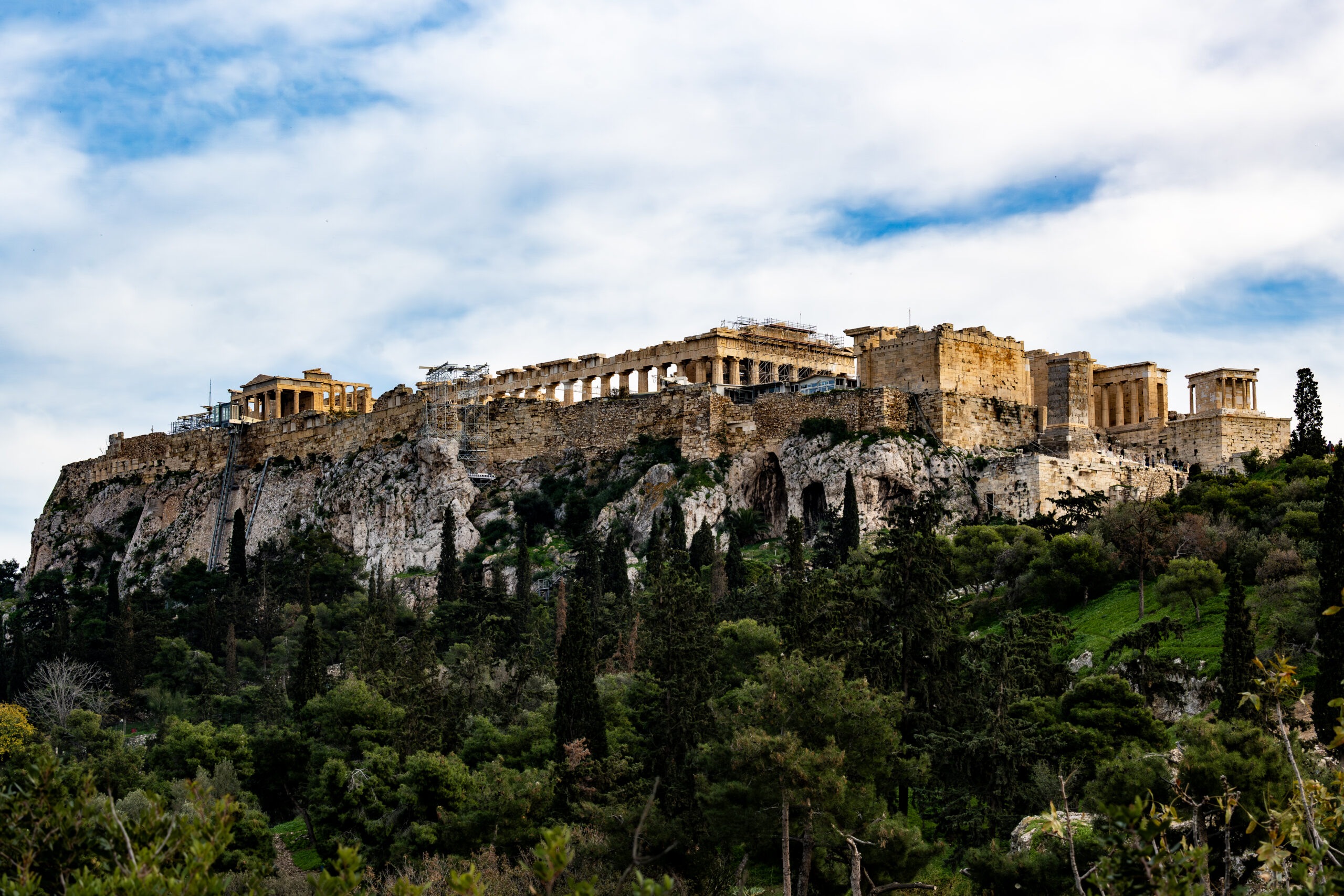
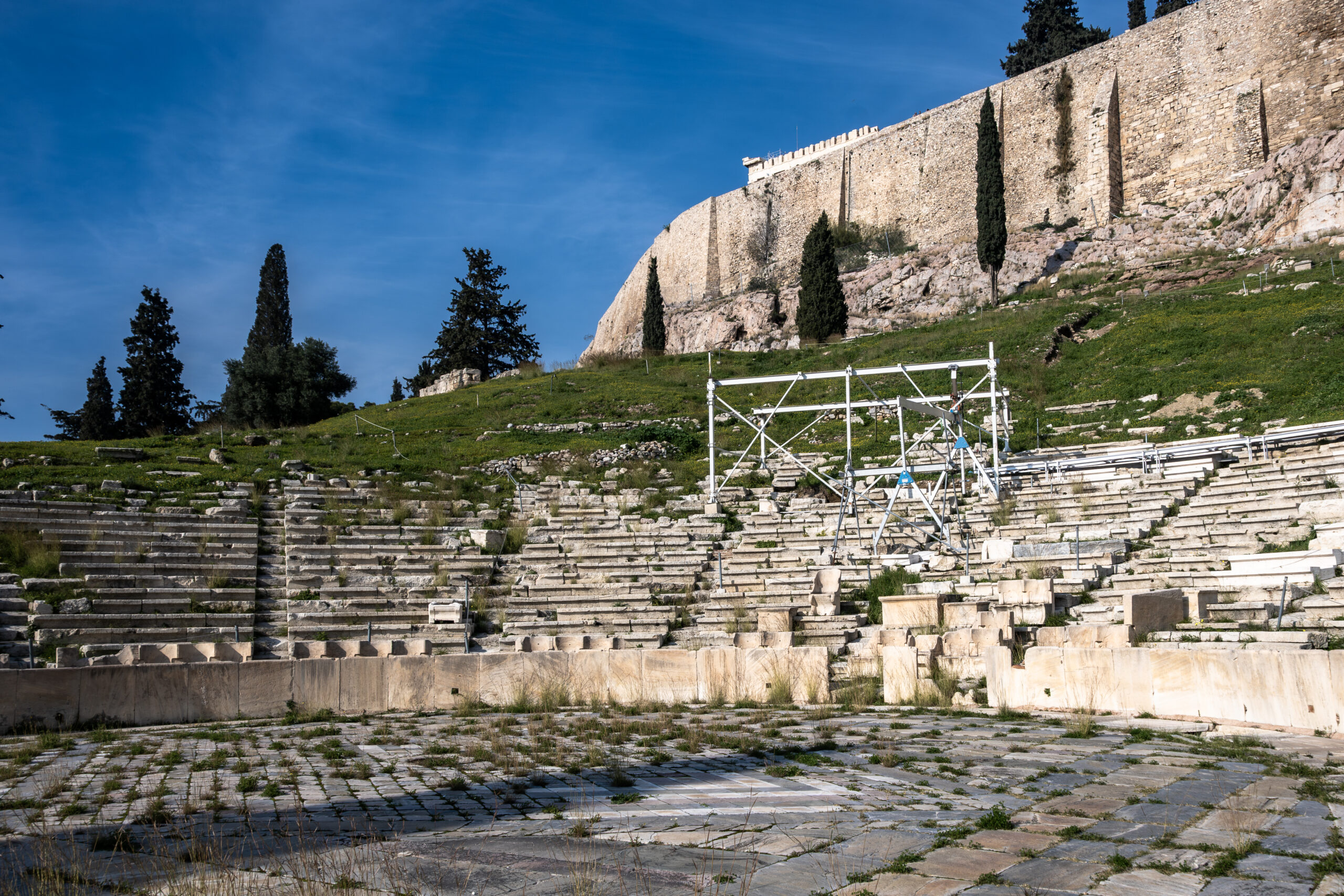
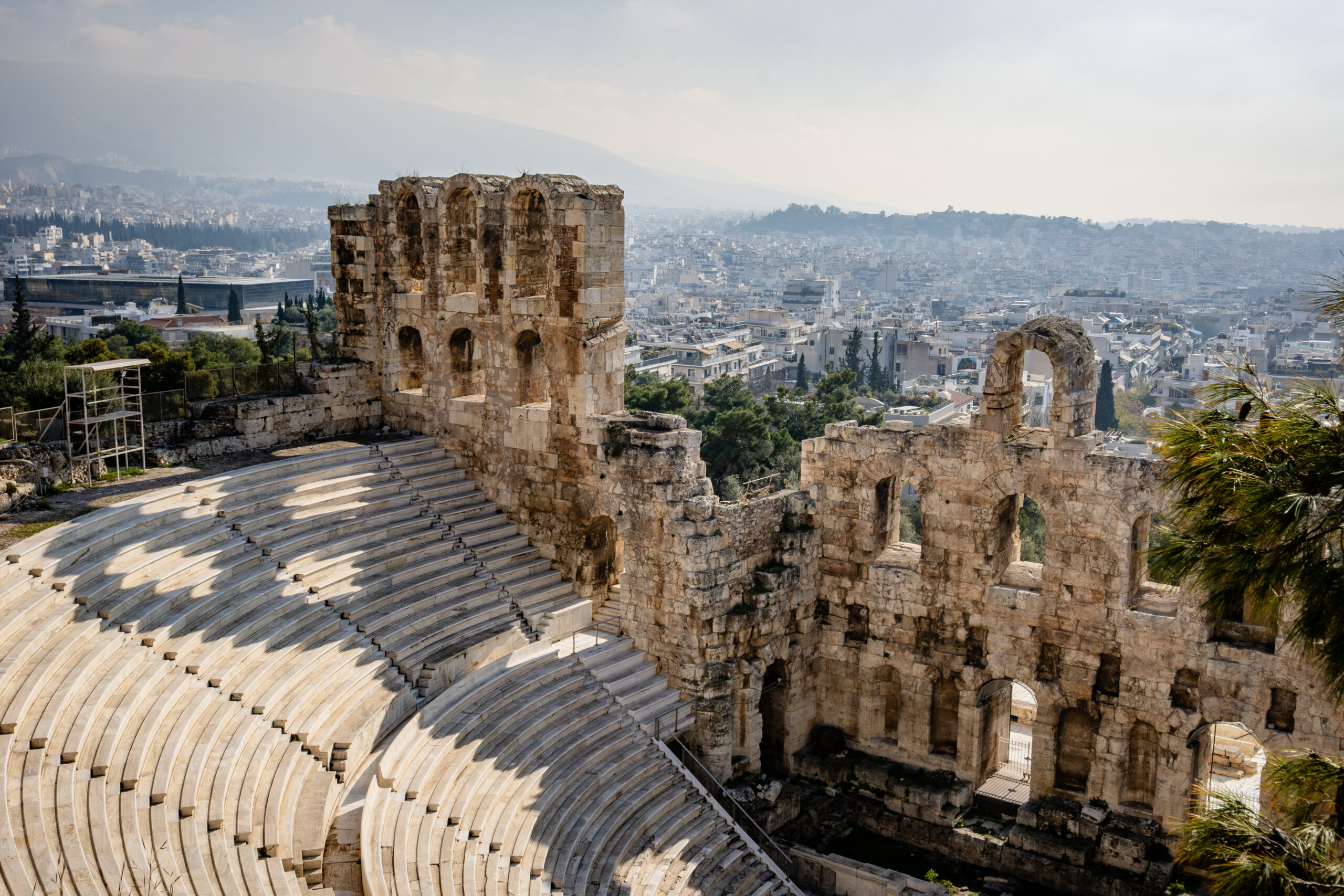
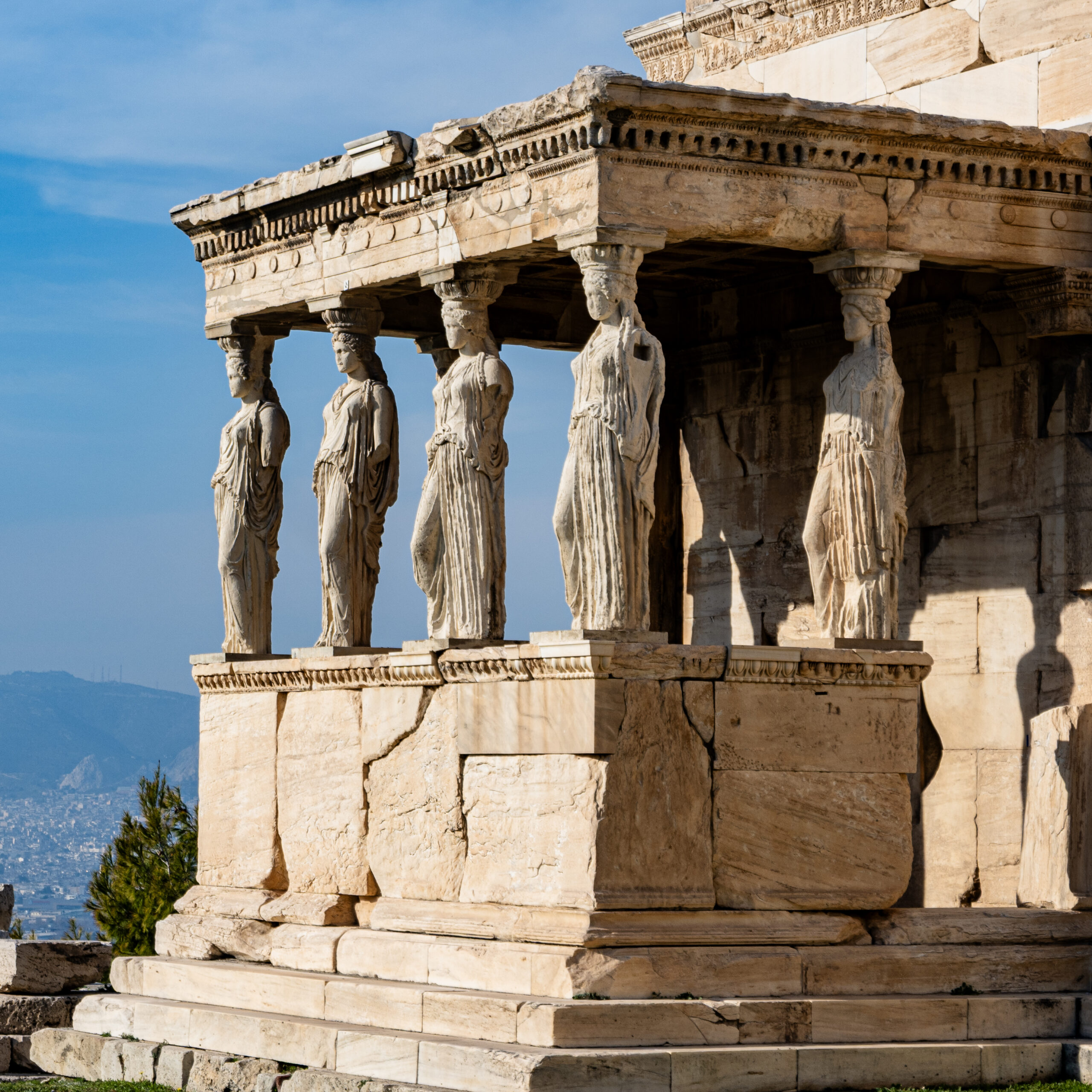
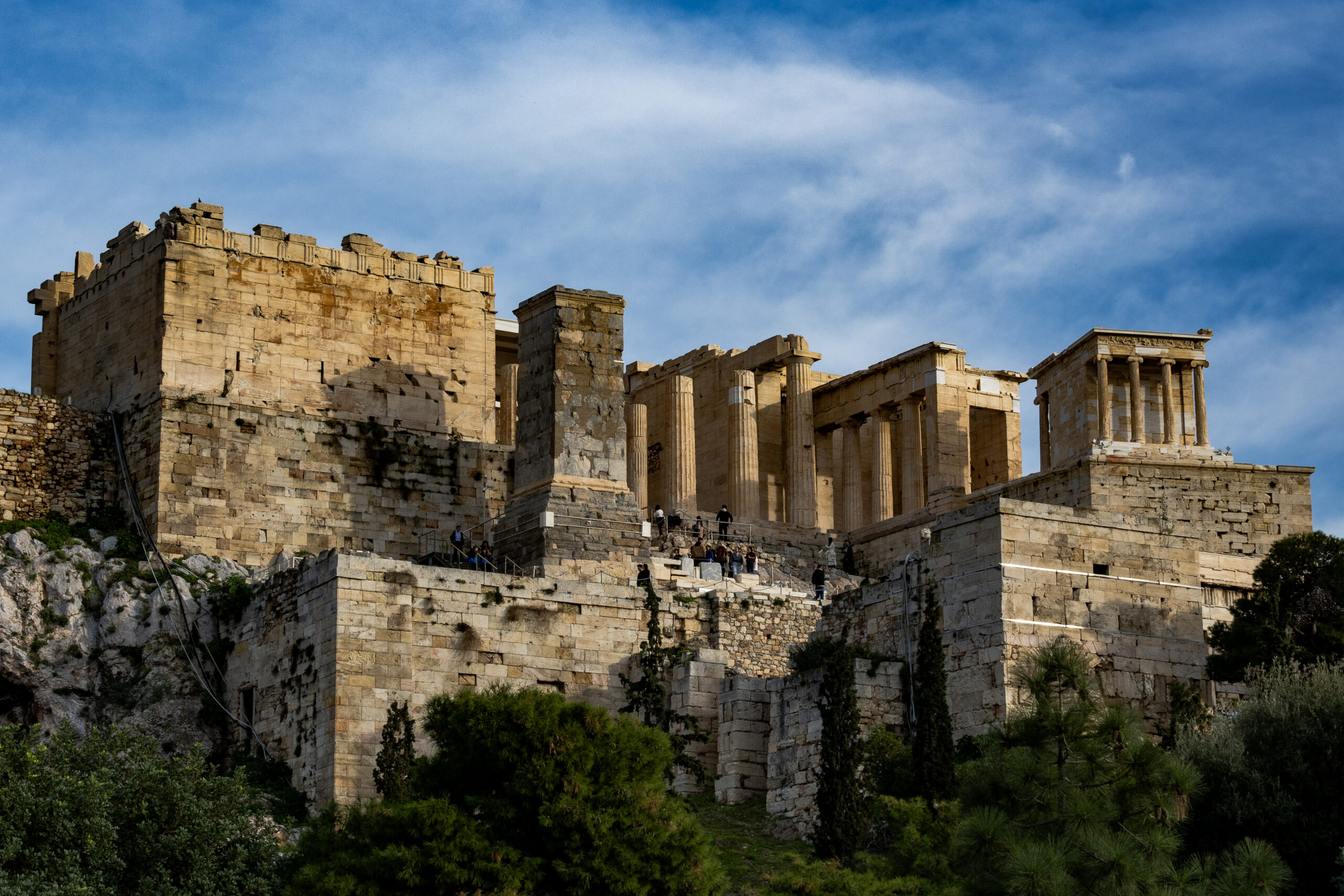
The museum was a wonderful primer for my actual visit to the Acropolis slopes and the temples atop the following day. The slopes of the Acropolis hosts the ancient amphitheatre of Dionysus Elethereus, said to be the first theatre and the birth place of the Greek tragedy, where Sophocles and Euripides were crowned with wreathes of ivy. Further along, beyond a series of small shrines and temples, is the even more impressive Odeon of Herodes Atticus, another ancient theatre with a three story building backing the stage. Now the stage building is just a wall, with an excellent view of the city beyond. Finally, the top of the Acropolis holds three main temples, the largest of which being the Parthenon, dedicated to Athena, the patron goddess of Athens.
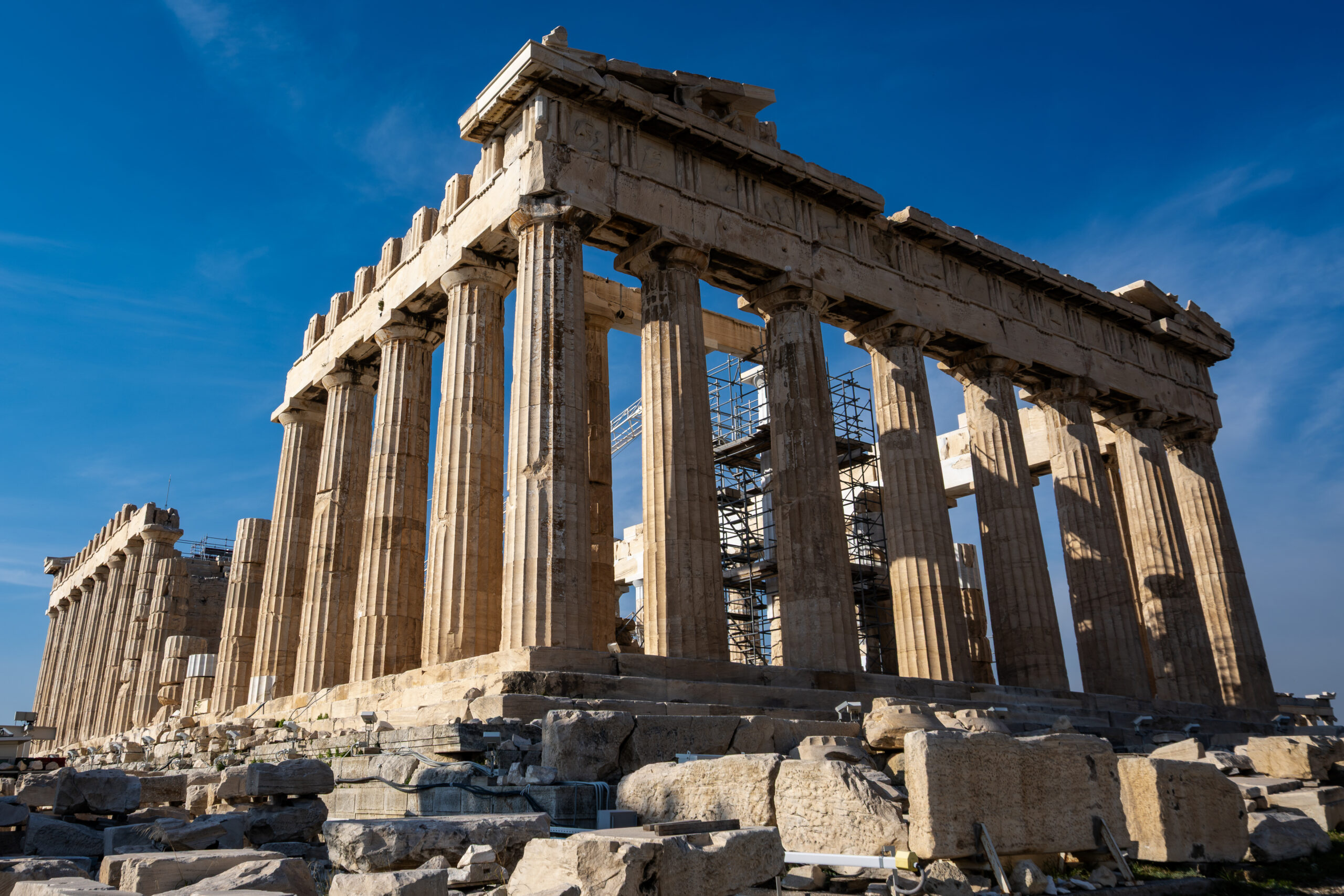
Despite being in the doldrums of December, the top of the Parthenon was crawling with hundreds of tourists, though I’m sure it was nothing compared to the thousands of visitors omnipresent during the high season. The temples, of course, are largely ruins now, though significant preservation efforts are ongoing to slow or even reverse the degradation. Between, the other tourists and the scaffolding, it was hard to truly imagine the Parthenon at the height of its splendor. Though, the scale of it definitely made a significant impression on me. Towering columns of marble holding up a gargantuan roof, large enough to be the home of a goddess. - During my downtime in Athens, I started replaying a favorite computer game from my childhood, Zeus: Master of Olympus. It’s a city-building game where you design and manage a Greek city during the age of myth, ensuring your citizens have enough food, oil and wine to thrive, while also fighting off attacks from mythical monsters aided by gods and heroes, whose help is contingent on building them temples and providing the correct offerings. I spent hours and hours playing this game through my adolescent and teenage years, and it felt like returning to an old friend. I remember when I first got the game, along with SimCity 4, for Christmas when I was about 10. Our computer at the time wasn’t powerful enough to run either game, so I waited a couple of years before we upgraded our PC and as soon as we did, I was playing Zeus. These days, it ran pretty easily on my laptop and I was able to kill a few hours, relaxing while I sent Herakles to deal with my Hydra infestation.
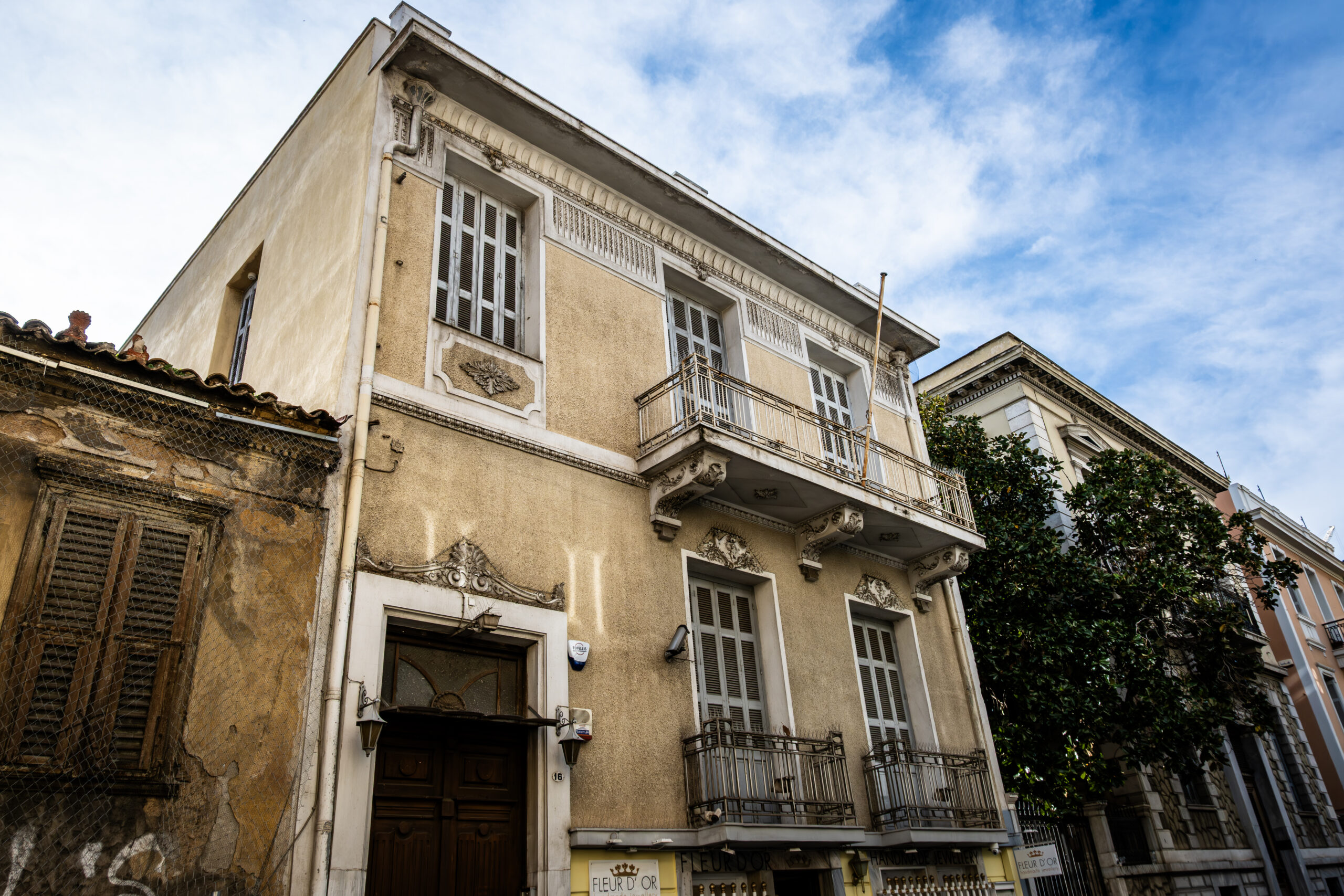
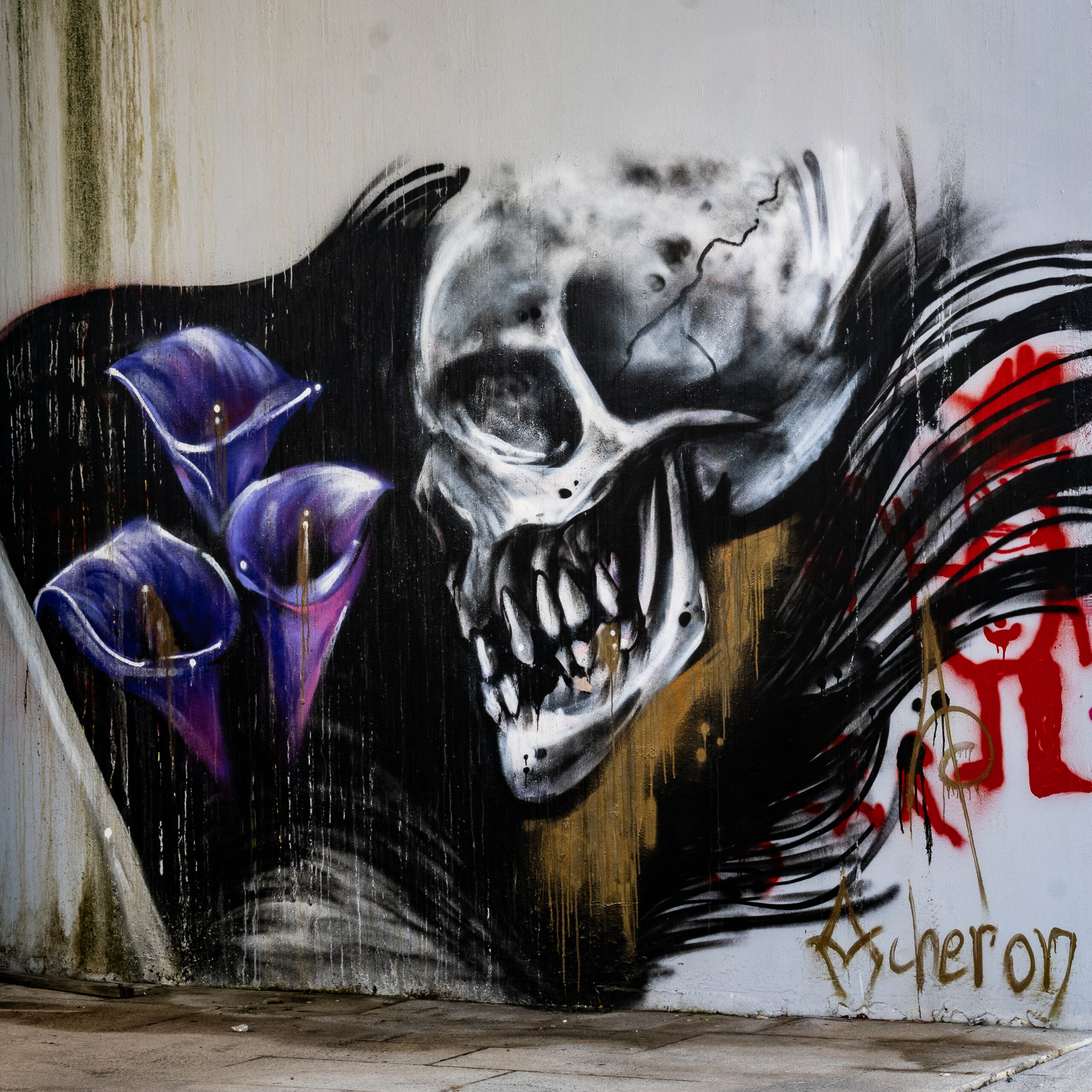
- Outside of the main sites that I wanted to see, Athens was not a particularly nice city to be in. The city has dealt with decades of struggle, seeing massive growth as the rural population gravitated to the city while enduring severe government mismanagement and corruption. Away from the tourist areas, buildings crumbled, garbage piled up in empty lots, things looked rough. I encountered at least one protest near the presidential palace, but on a couple of separate days, I came across police decked out in riot gear.
But, I don’t want to paint a completely bleak picture of Athens either, the troubled areas I encountered were not the entirety of the city either. The area around my hostel was surrounded by families that would fill the streets in the evenings, walking to get groceries or dropping kids off at the martial arts studio across the street. Despite some unfortunate circumstances, people were still out, living their lives, making the best of what they can, appreciating what they have. - By this point in my travels, I was exhausted. Worn out. I was ready to take a break and I knew that I had one coming when I made it to my next destination, Bangkok. The slowness of the season seemed to mirror my internal feelings. The hostel was largely empty, a few people would venture through the common area now and again, but we all mostly kept to ourselves. On top of the fact that I wasn’t really gelling with Athens, I ended up retreating to my room, savoring the solitude that I’d been craving for the past couple of months.
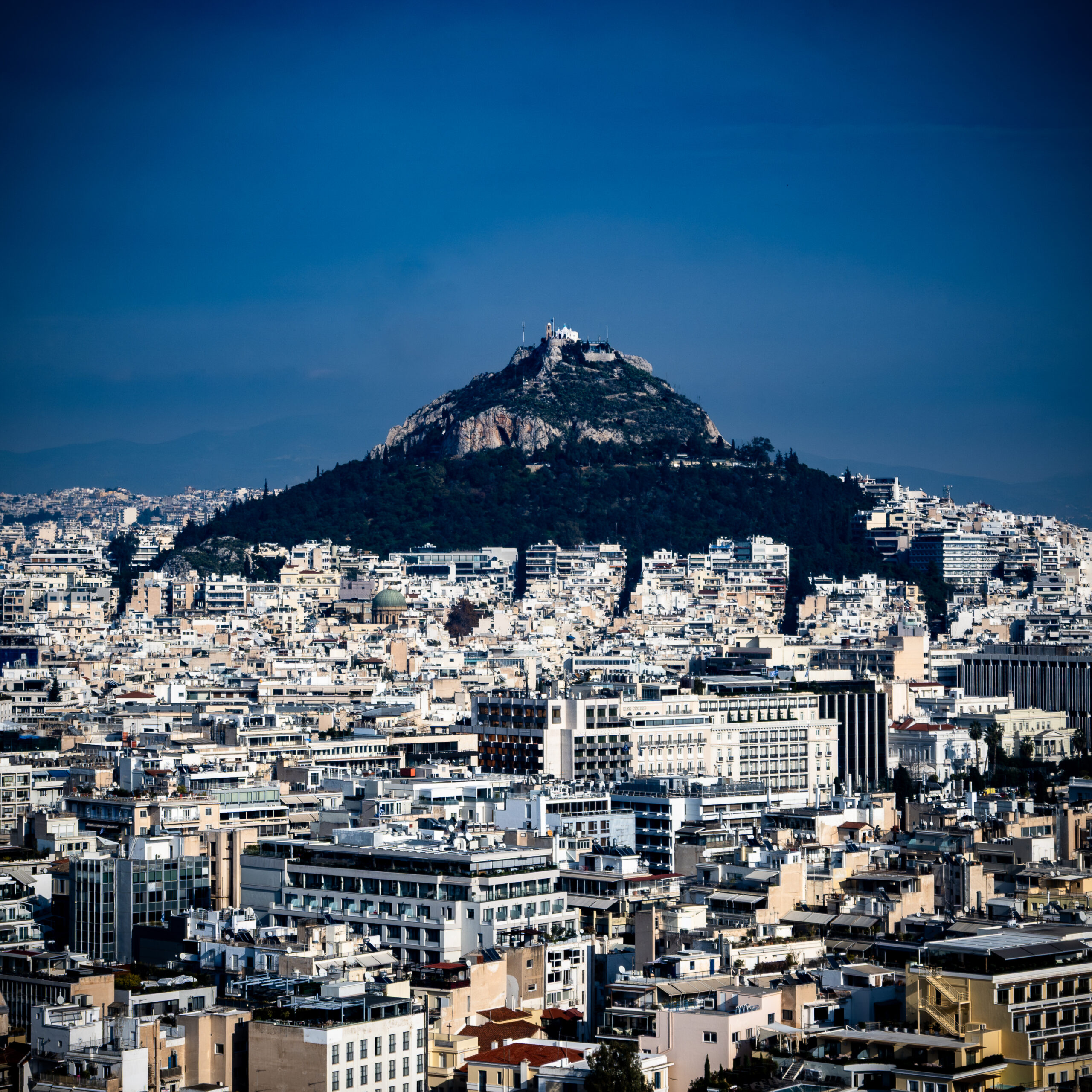
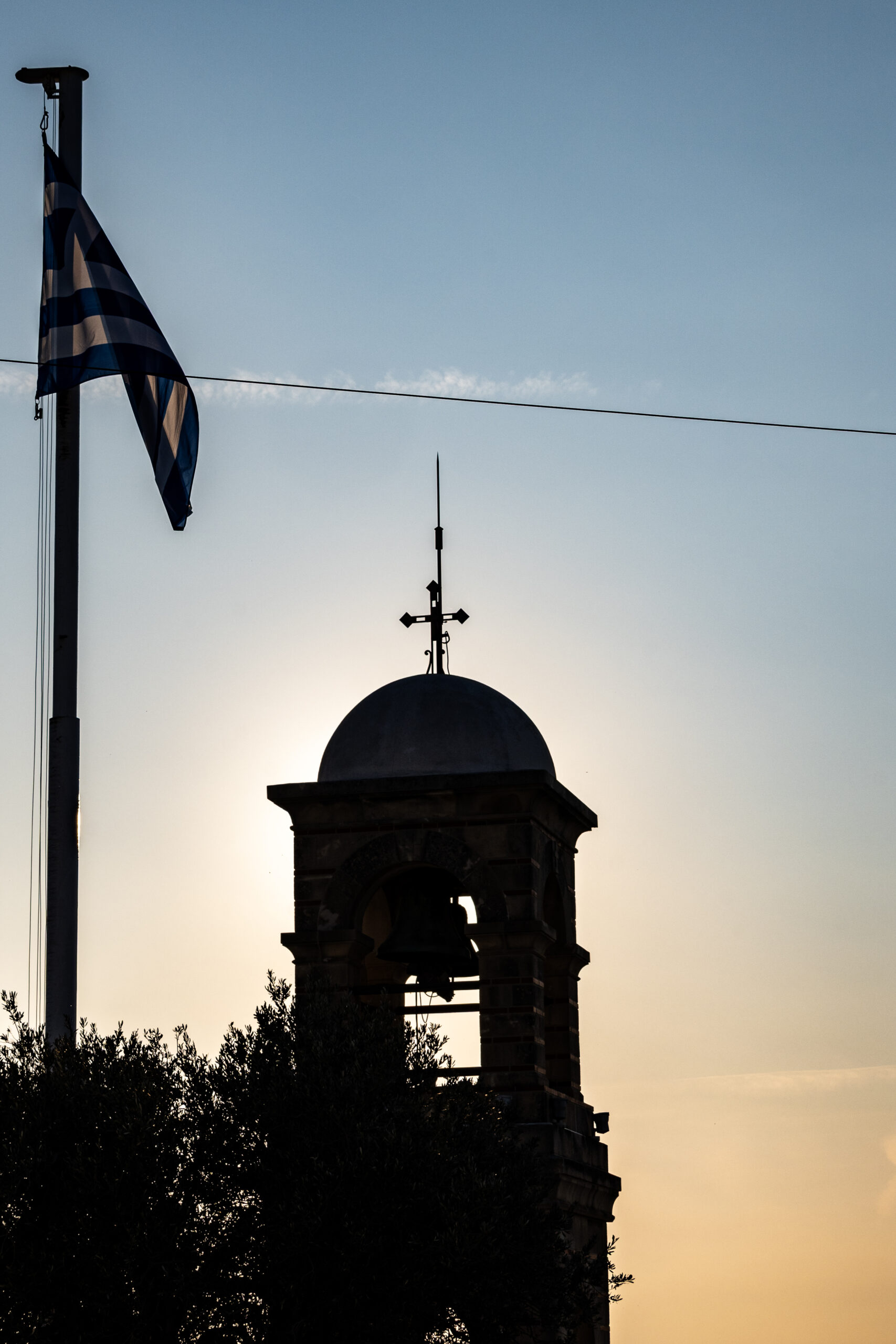
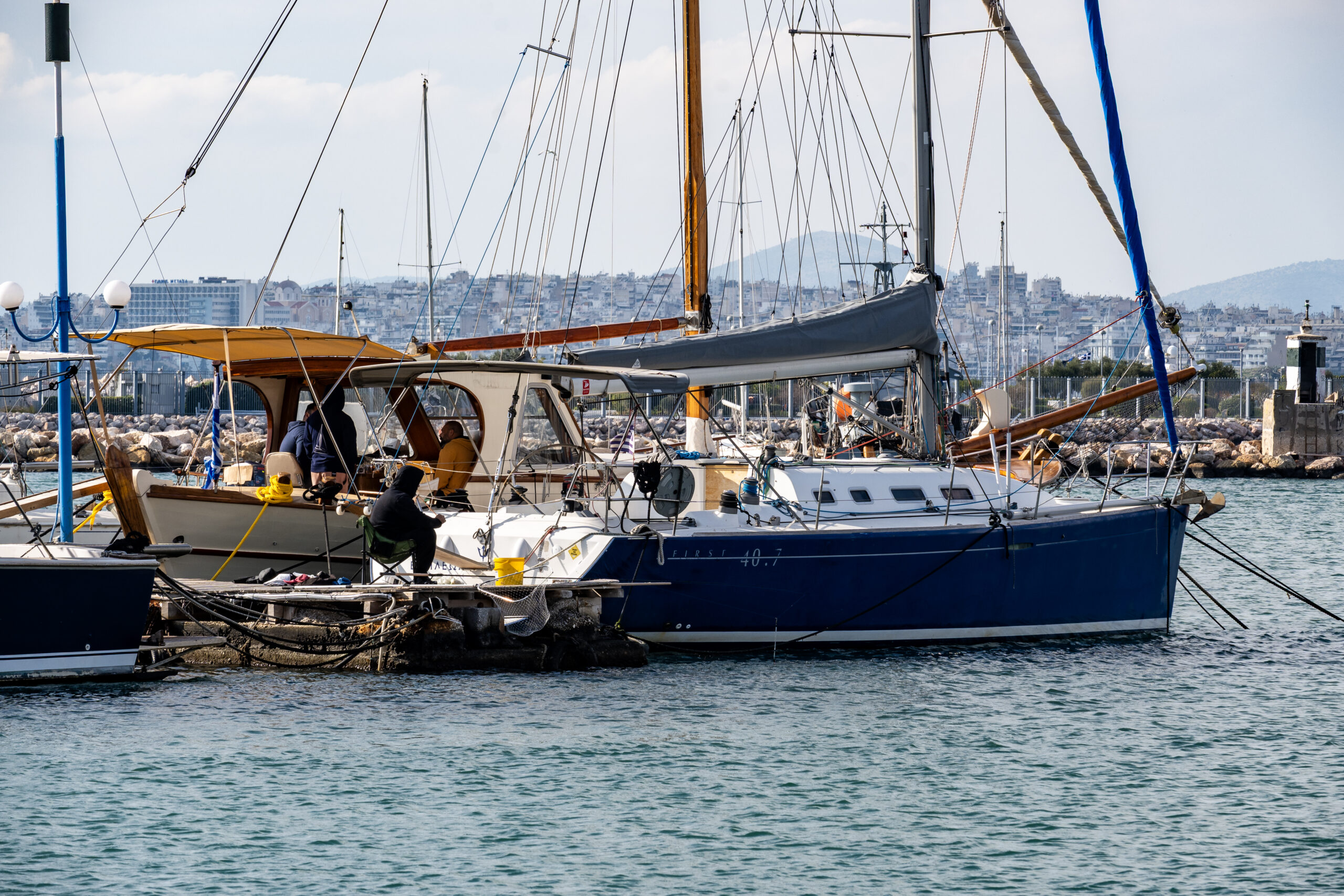
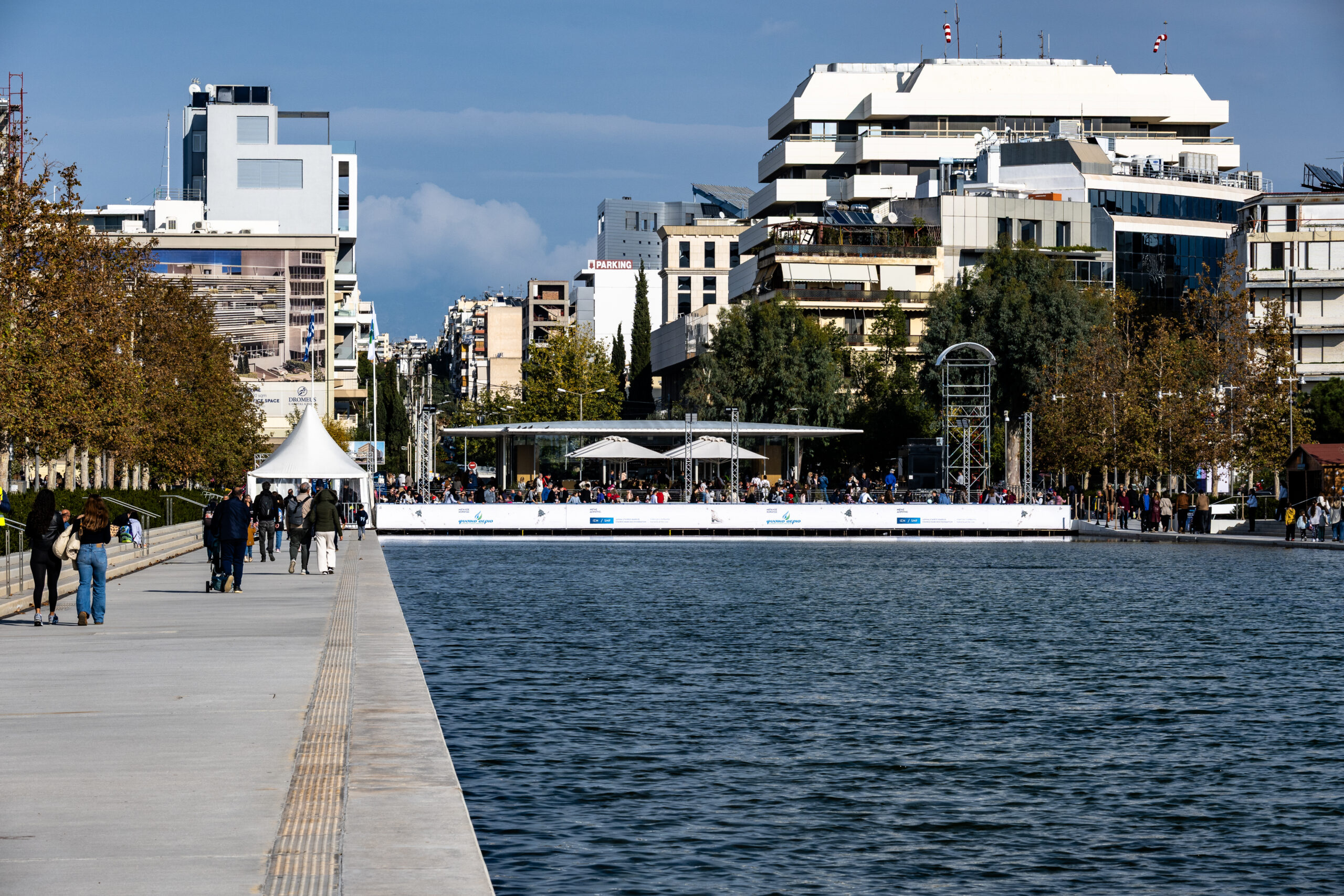
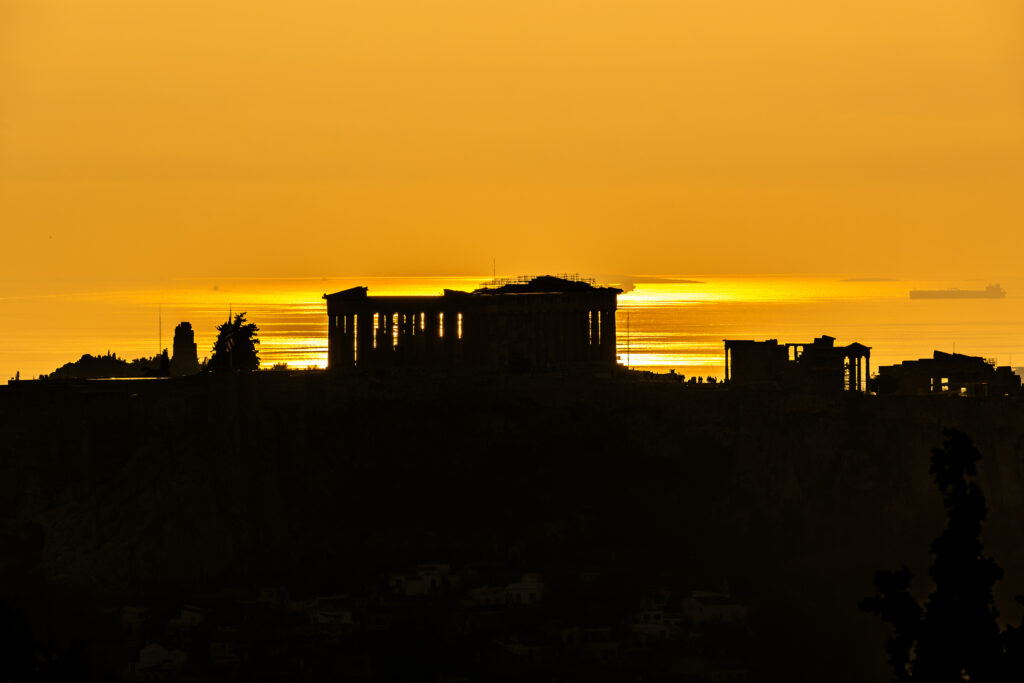
- The remainder of my time in Athens was largely uneventful. I made a couple more outings, one to walk along the sea and one to climb Lycabettus Hill. The sea walk ended up being a bit of a misfire, as the area I chose turned out not to be particularly scenic or enjoyable to walk. The hike up Lycabettus however was quite rewarding, as it offered an excellent view of the Acropolis hill with the sun setting behind it.
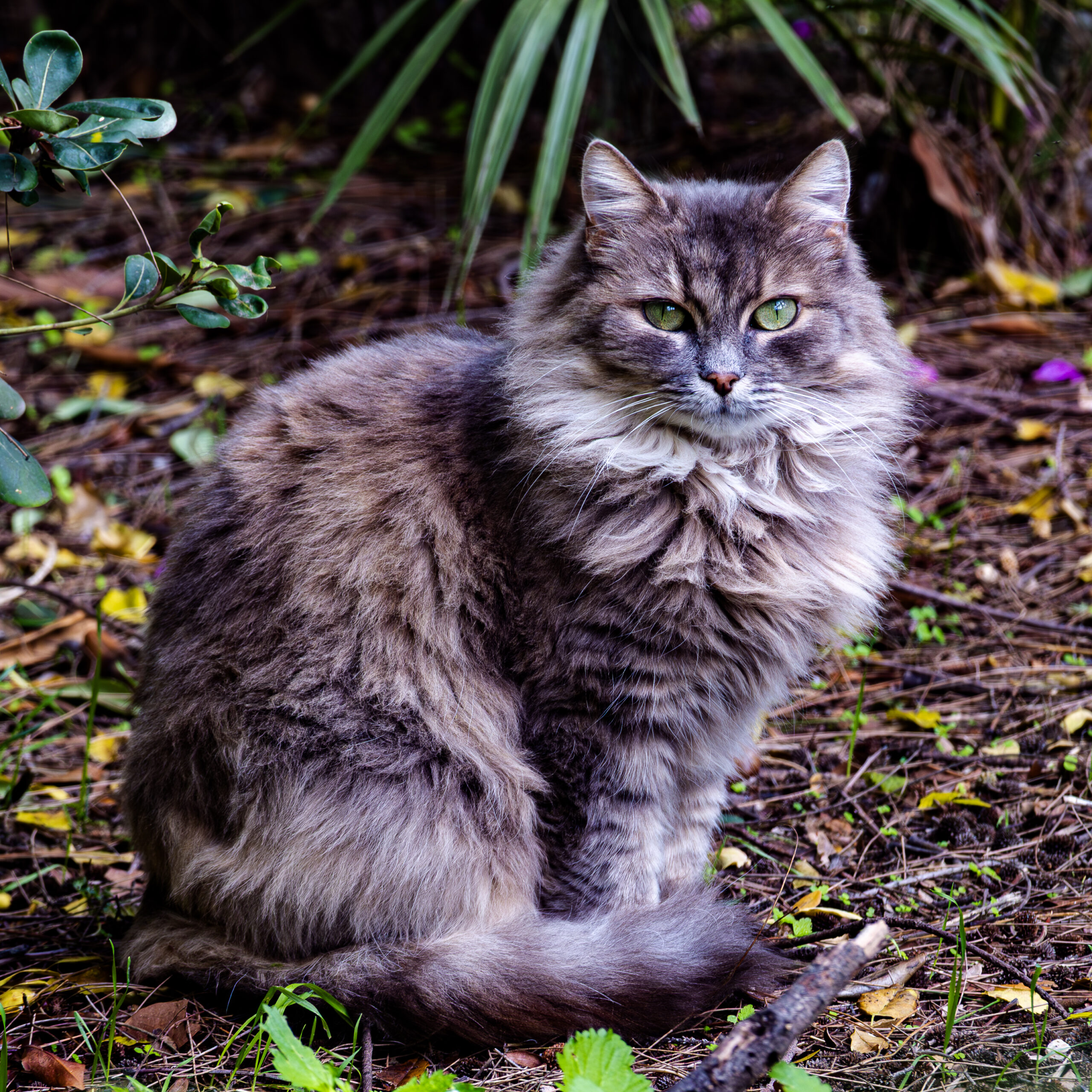
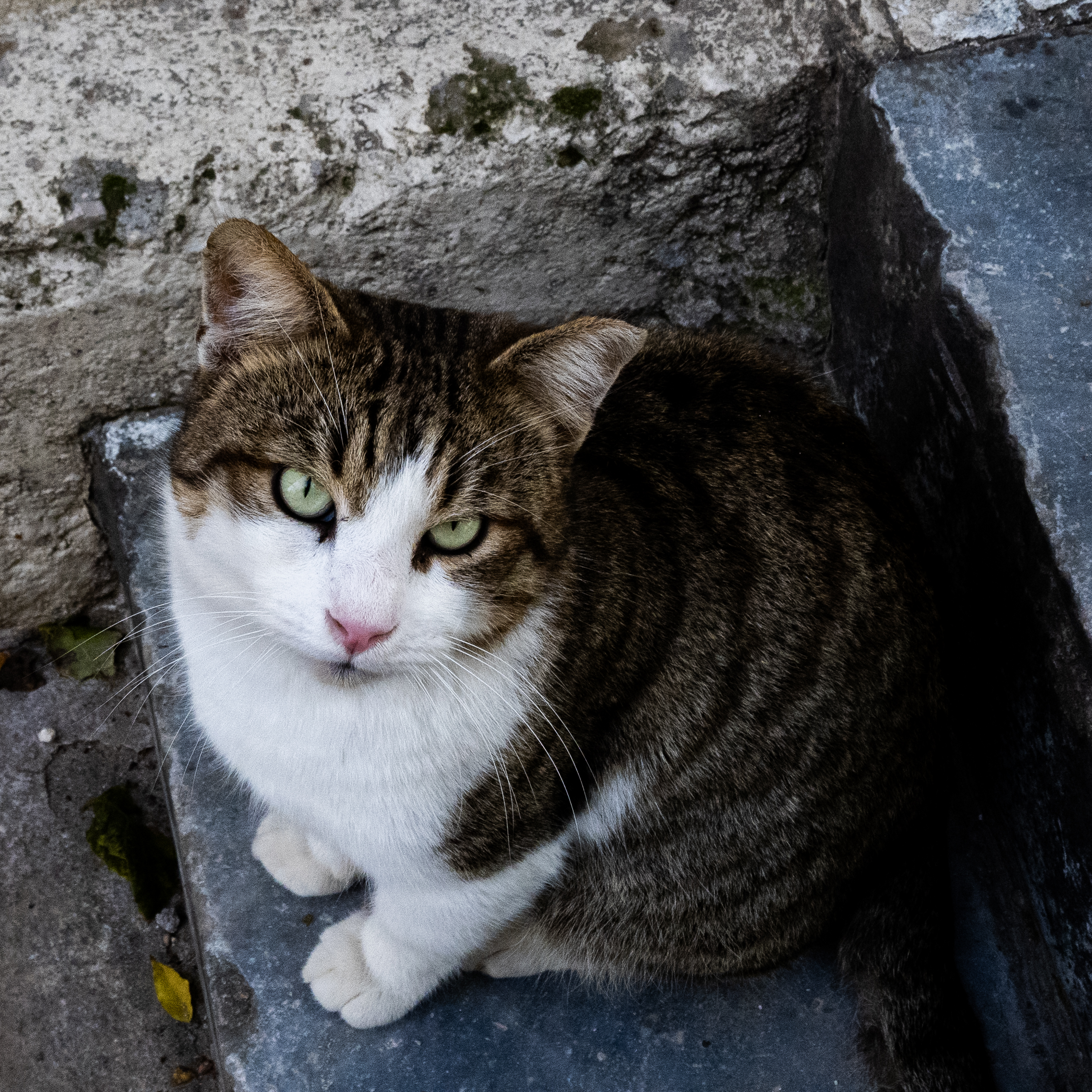
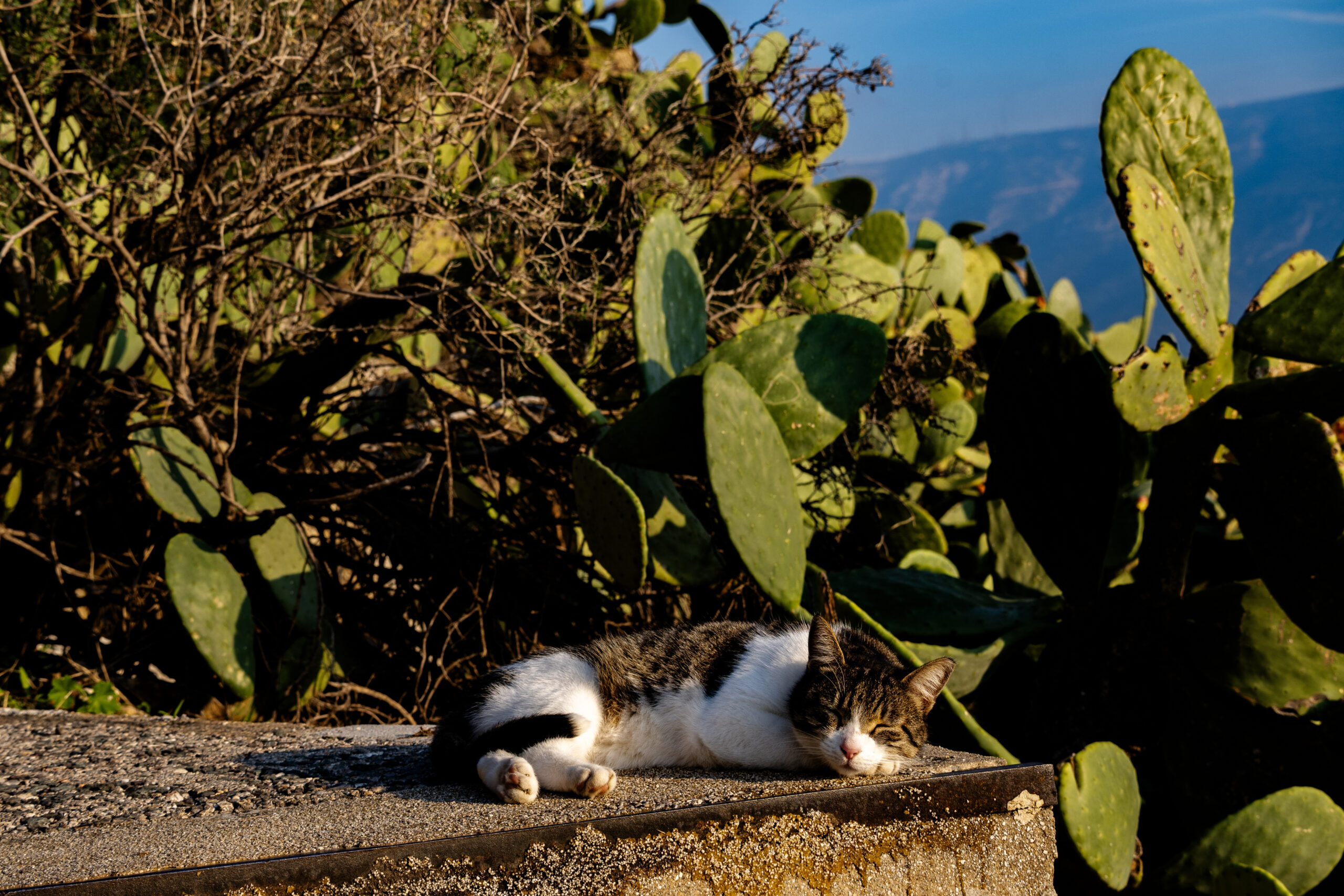
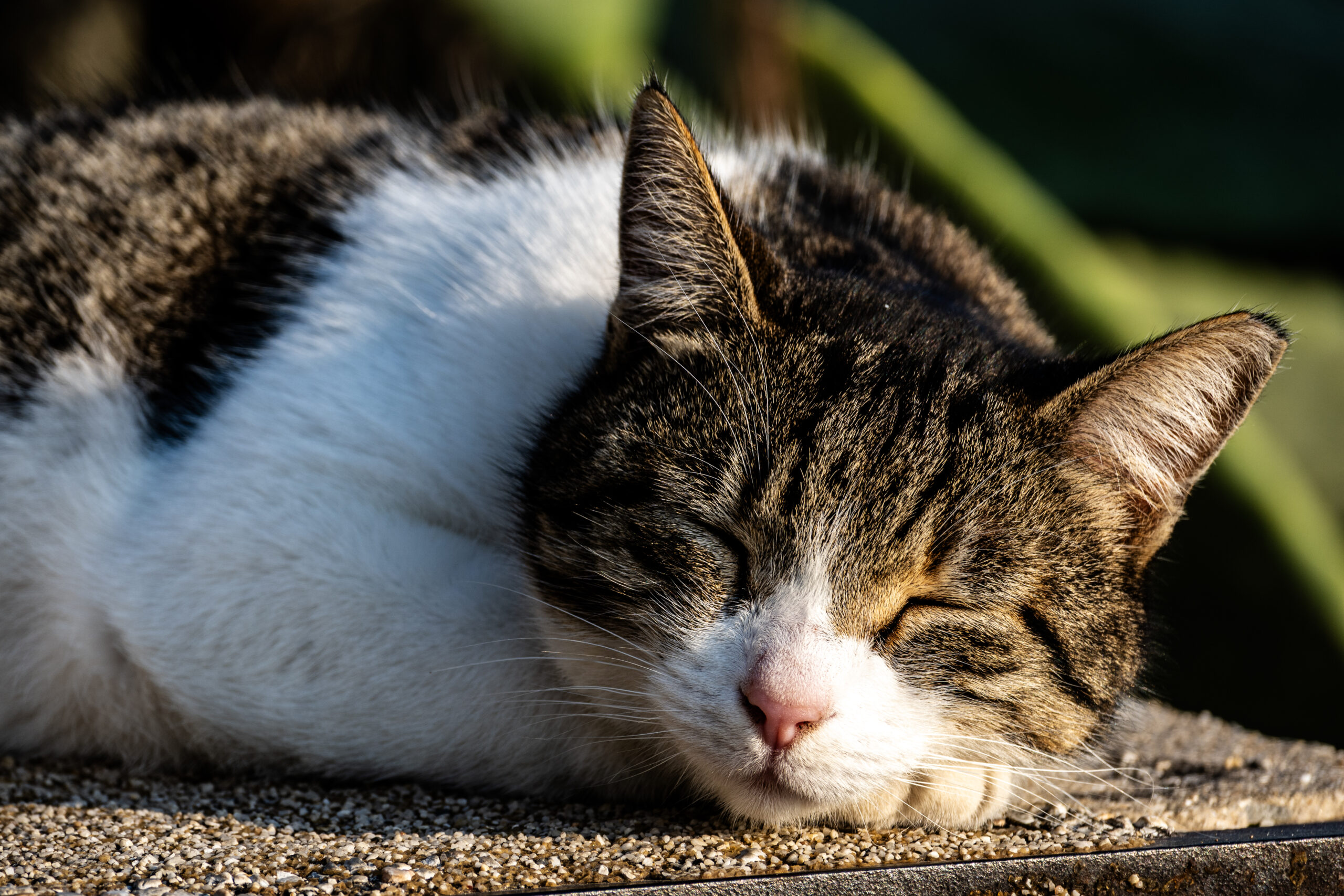
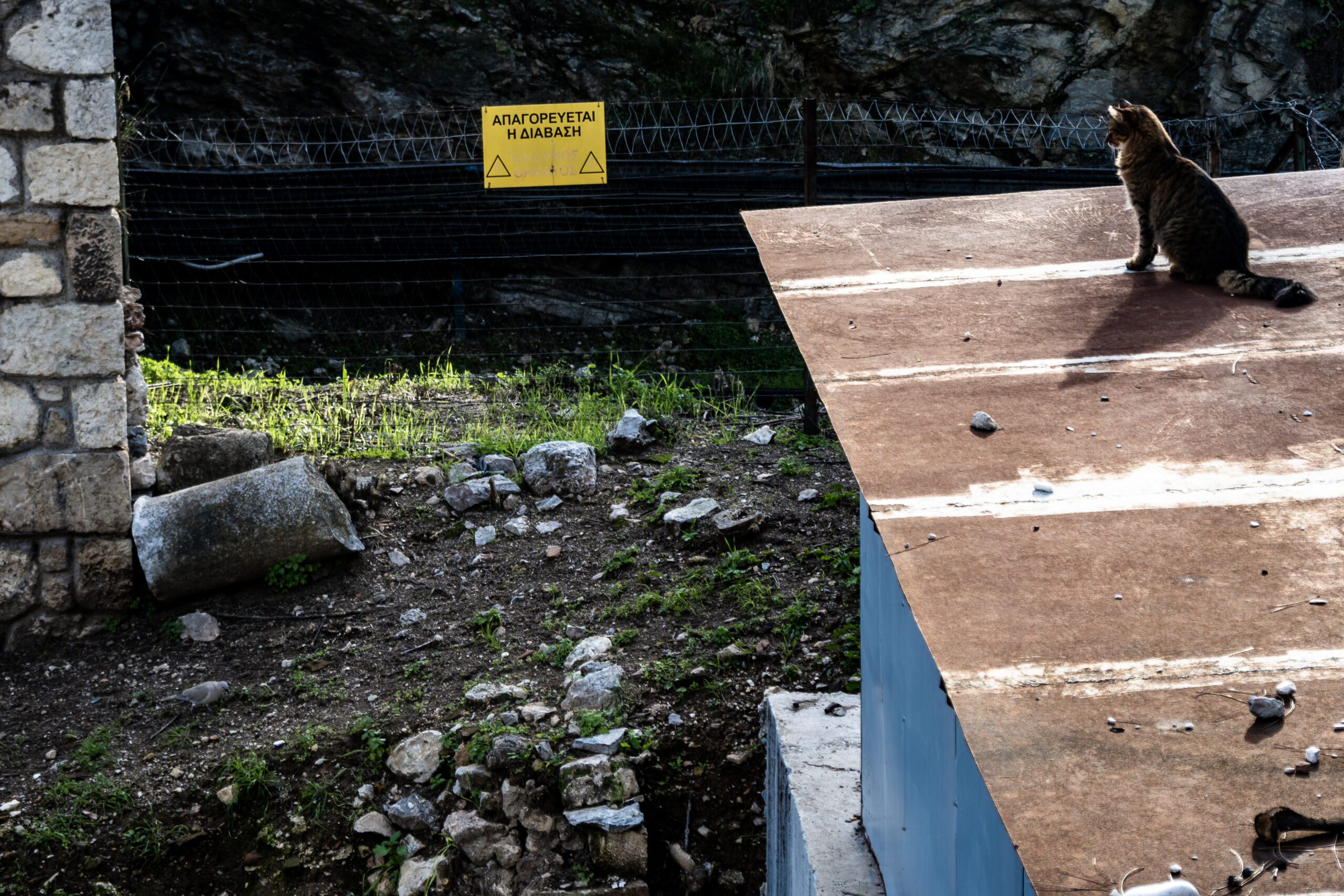
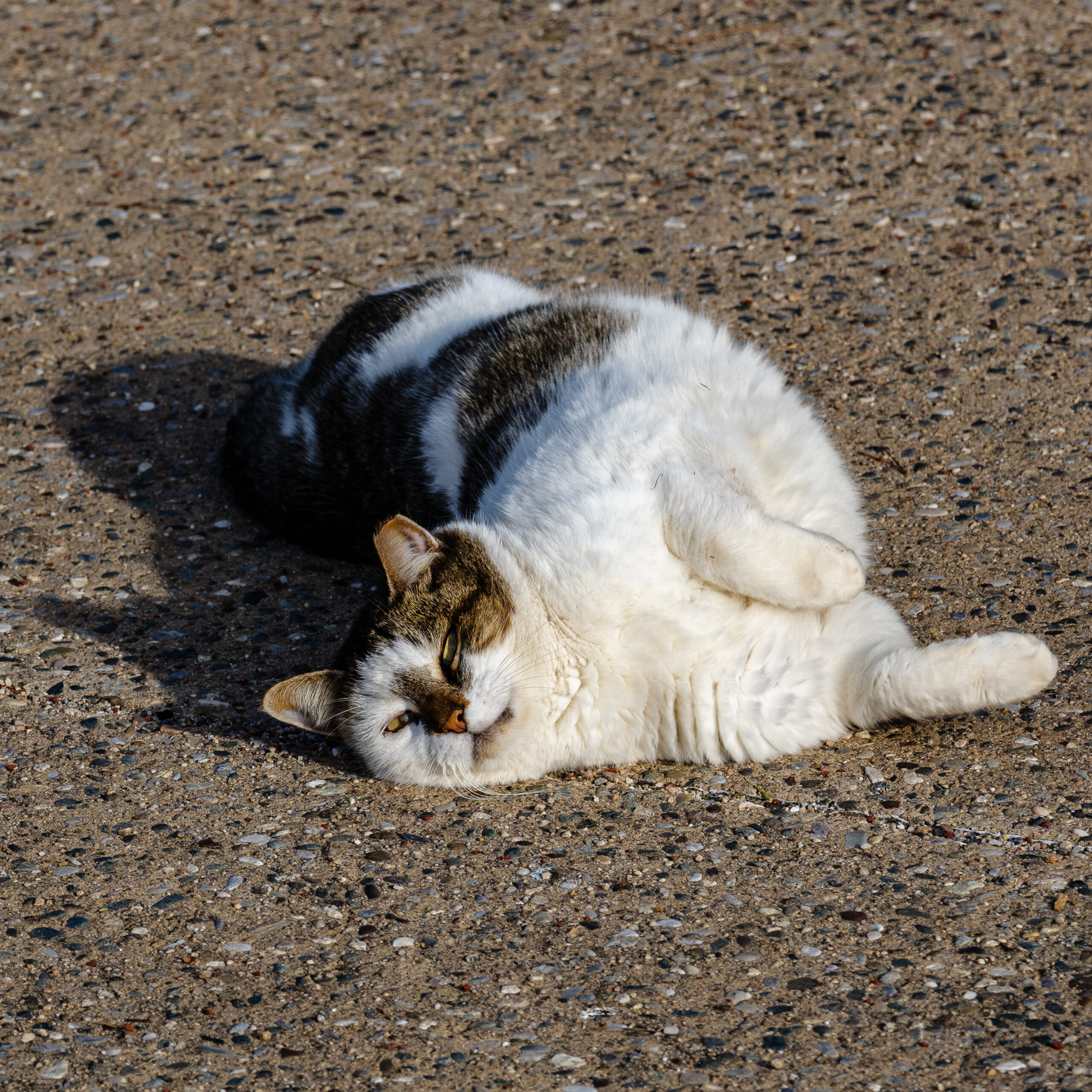
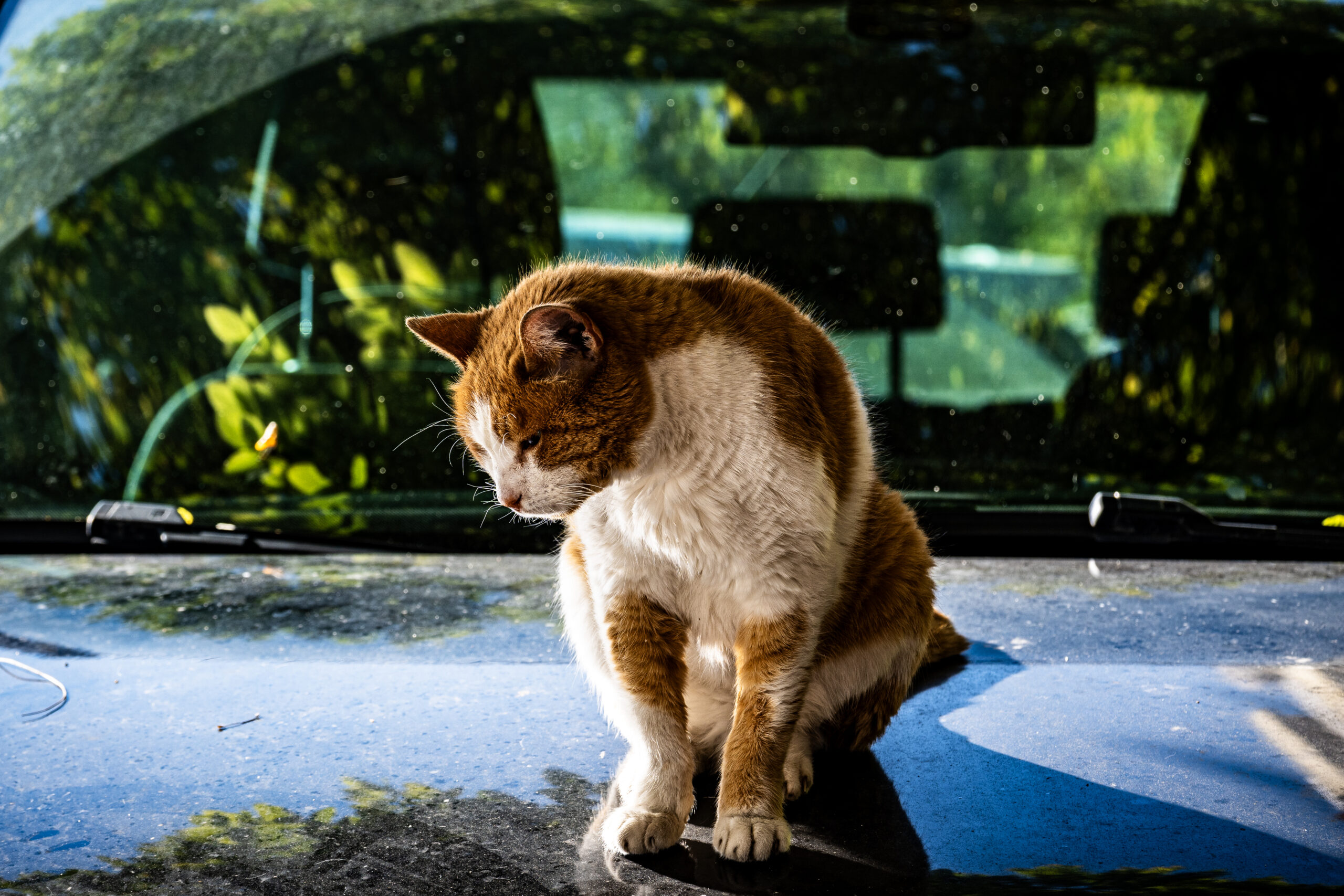
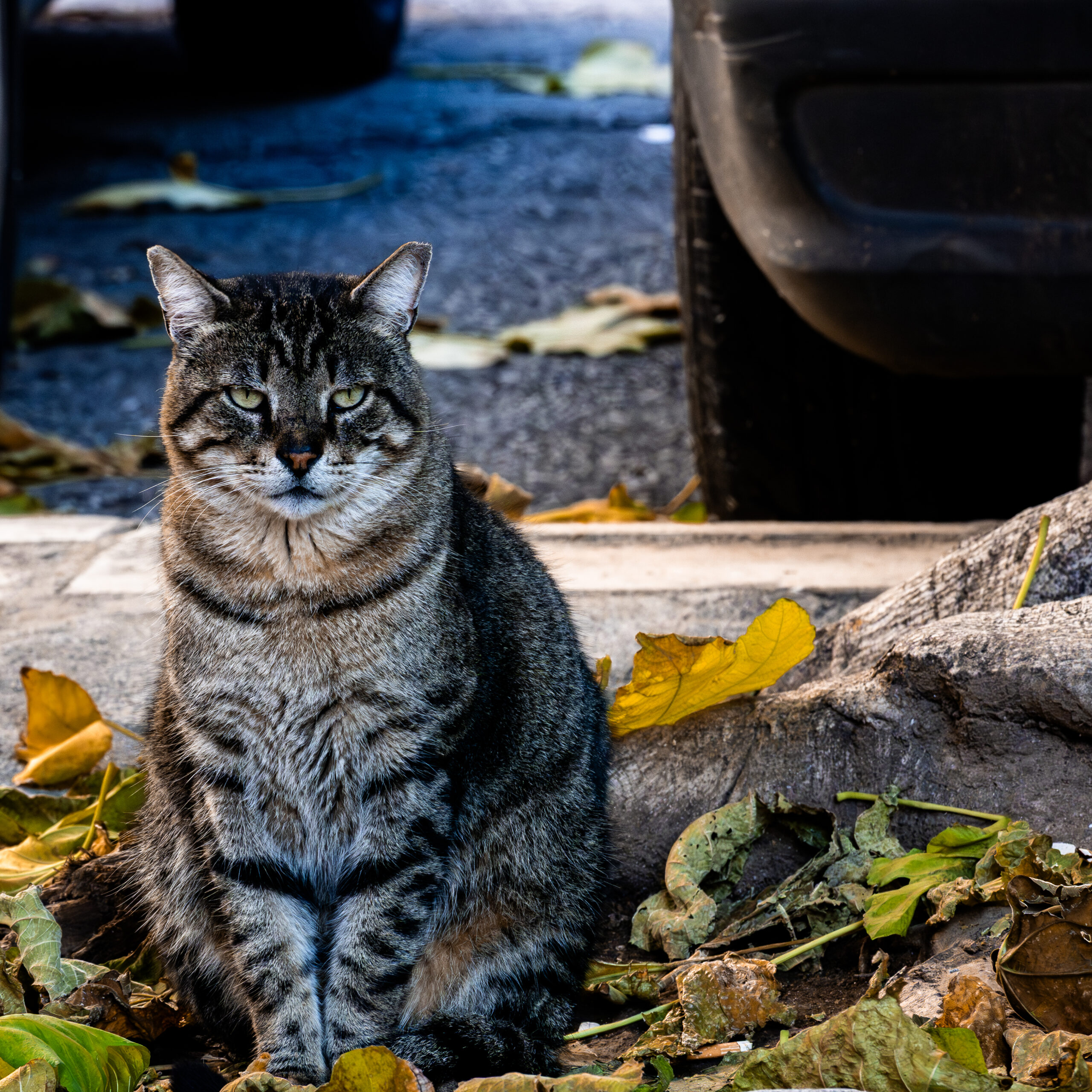
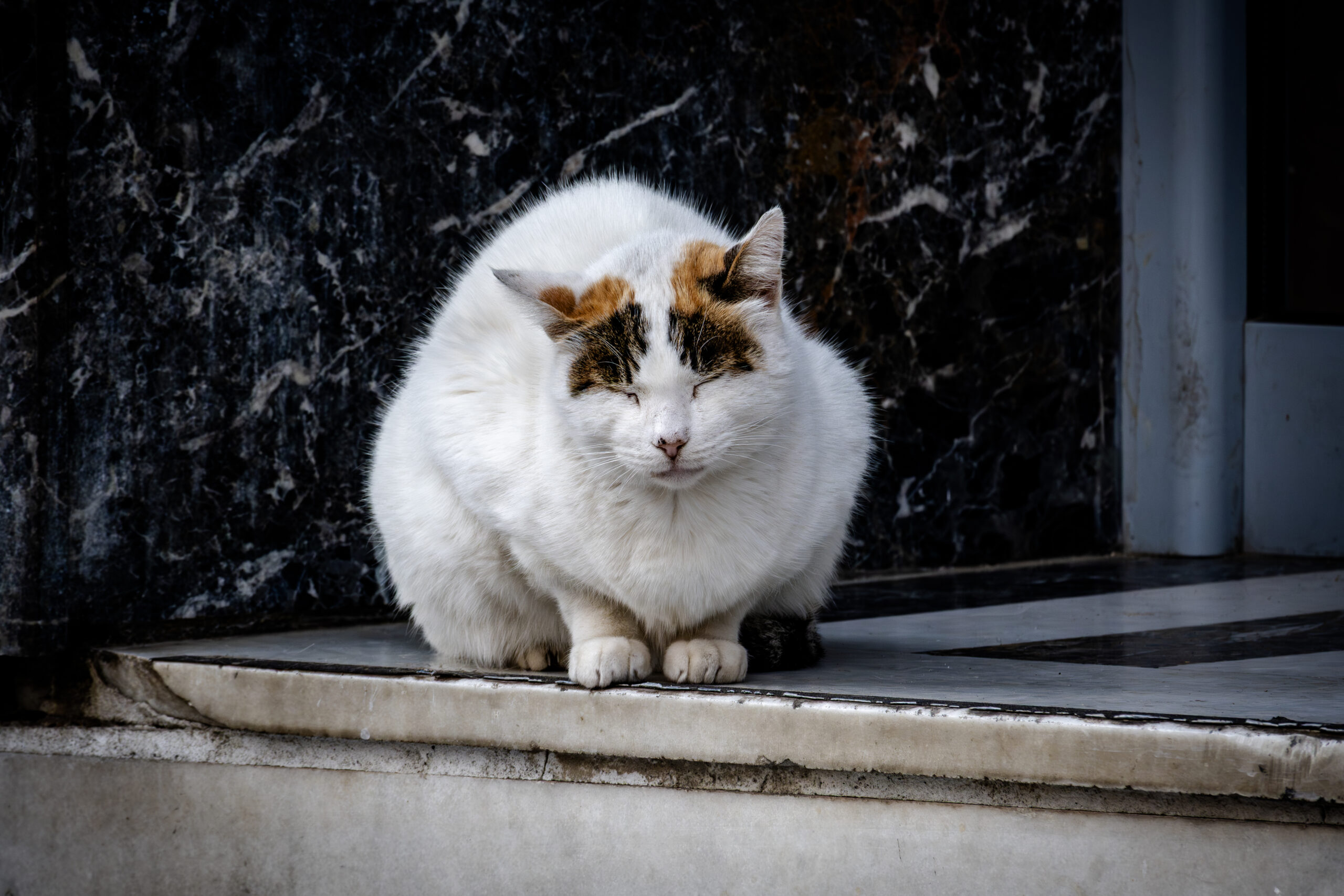
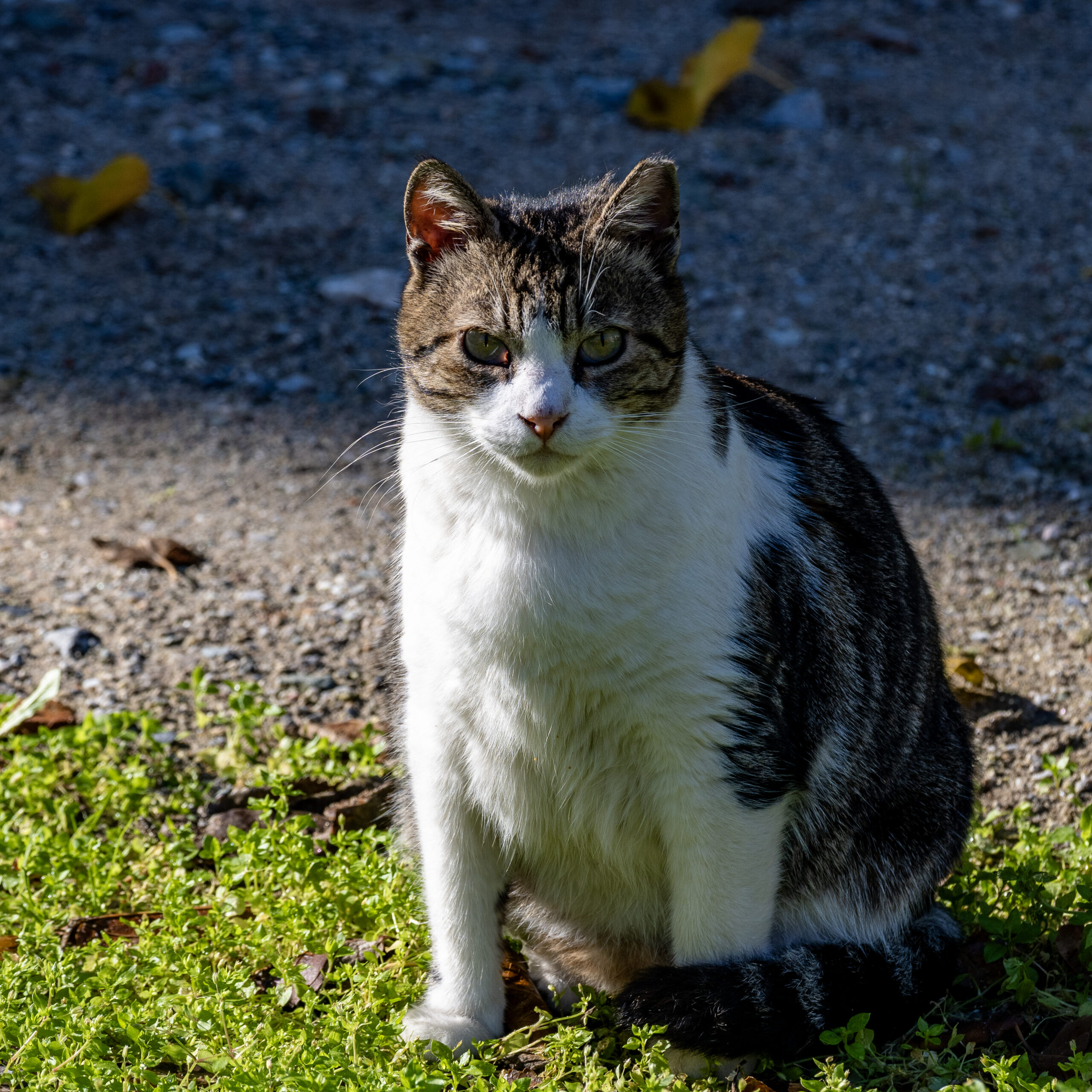
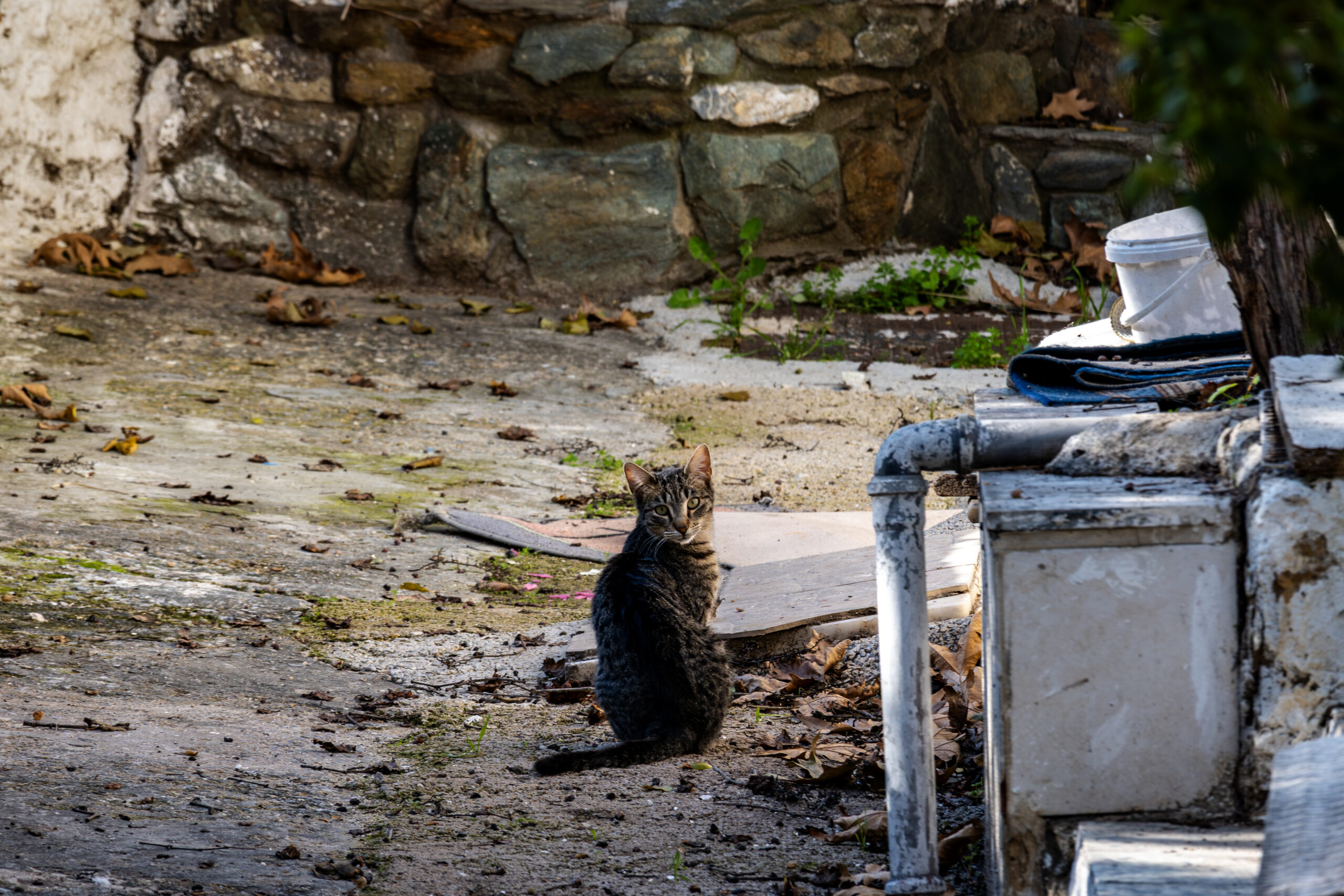
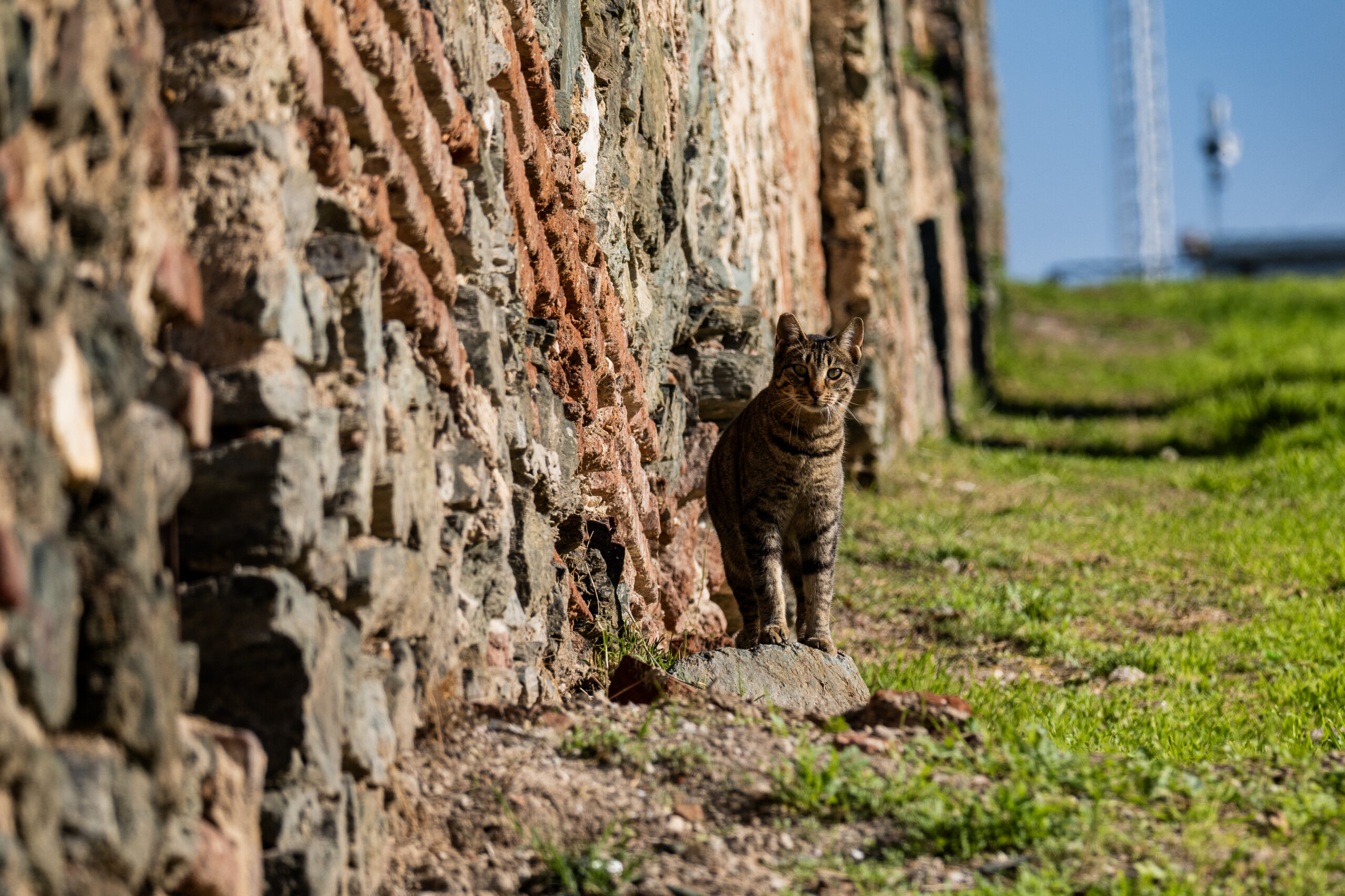
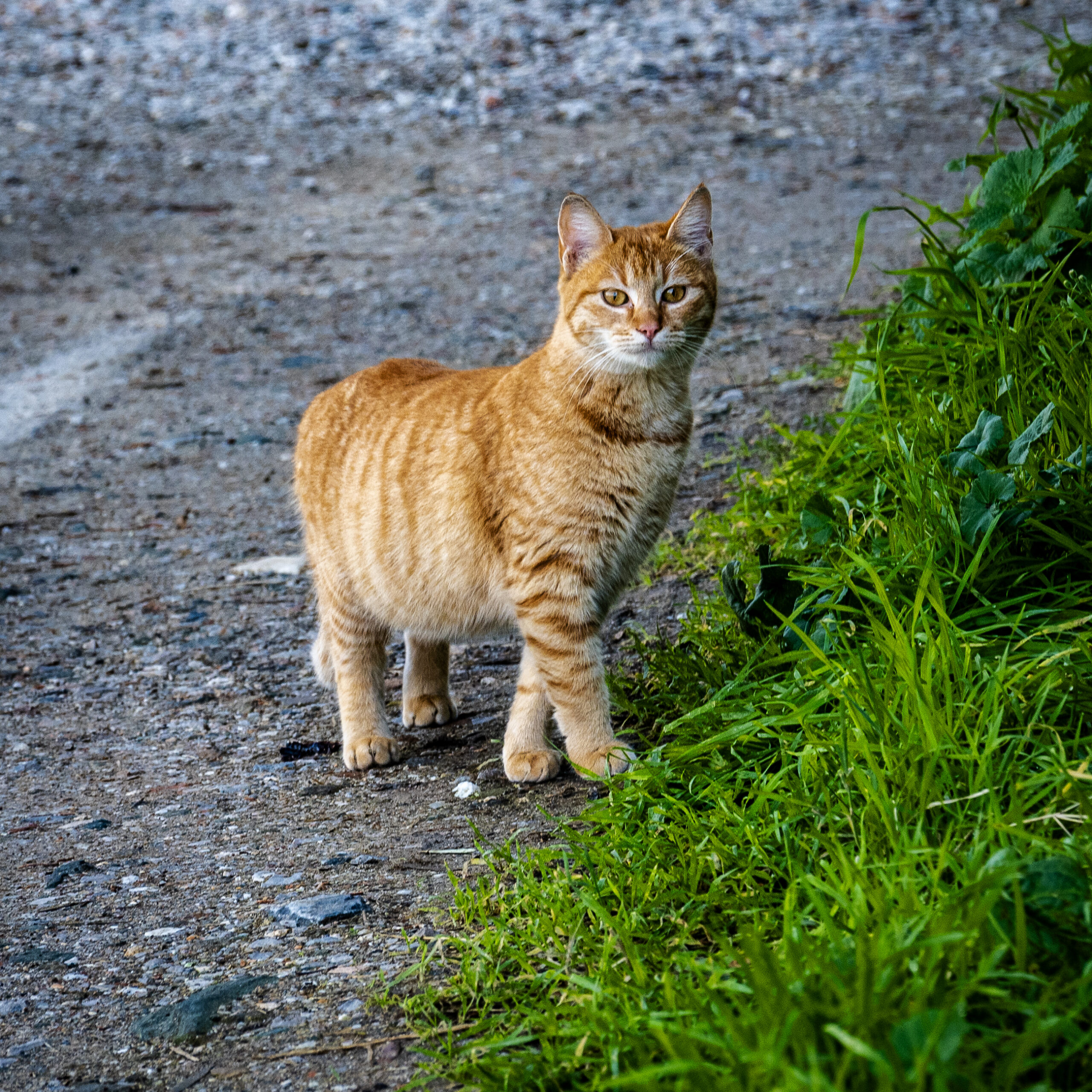
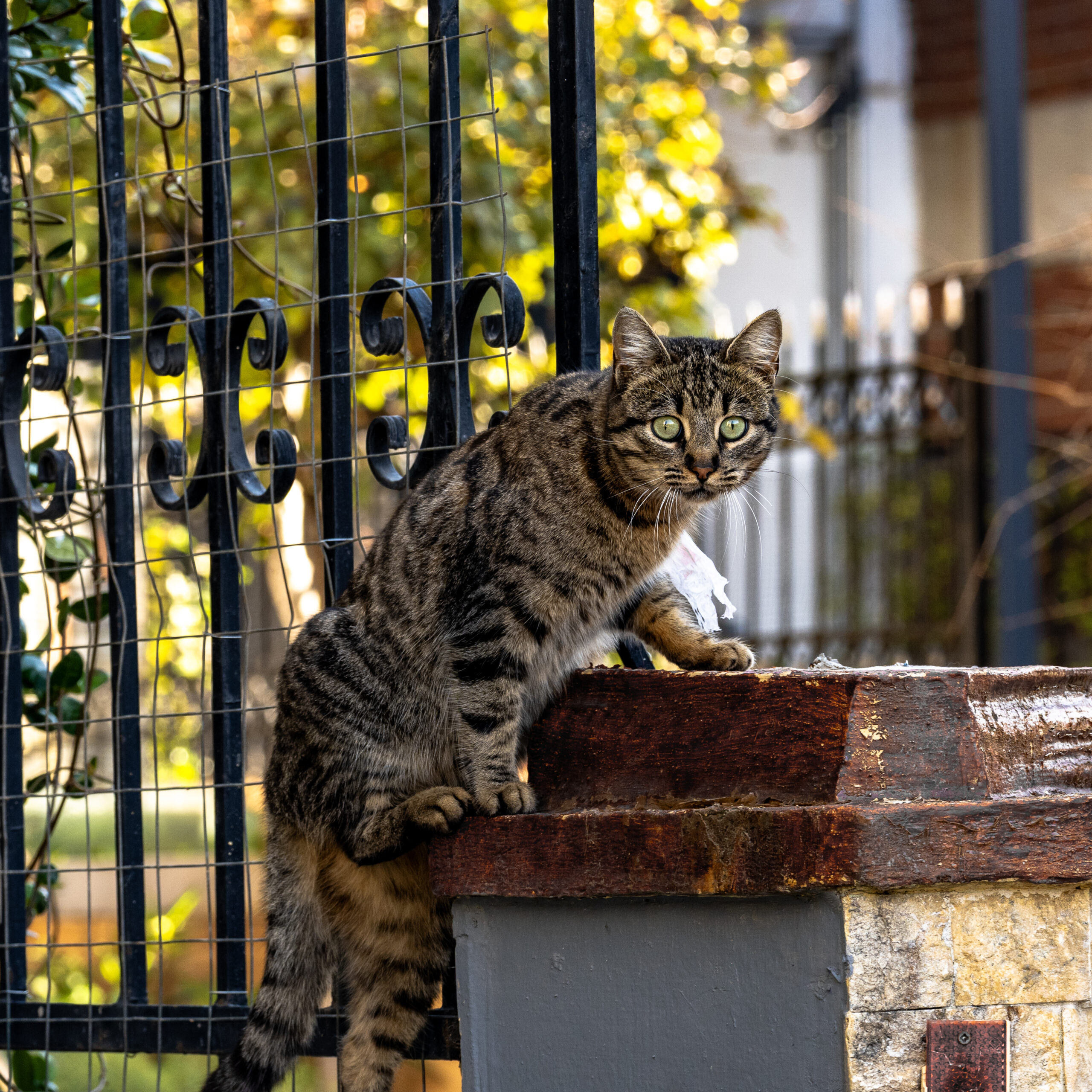
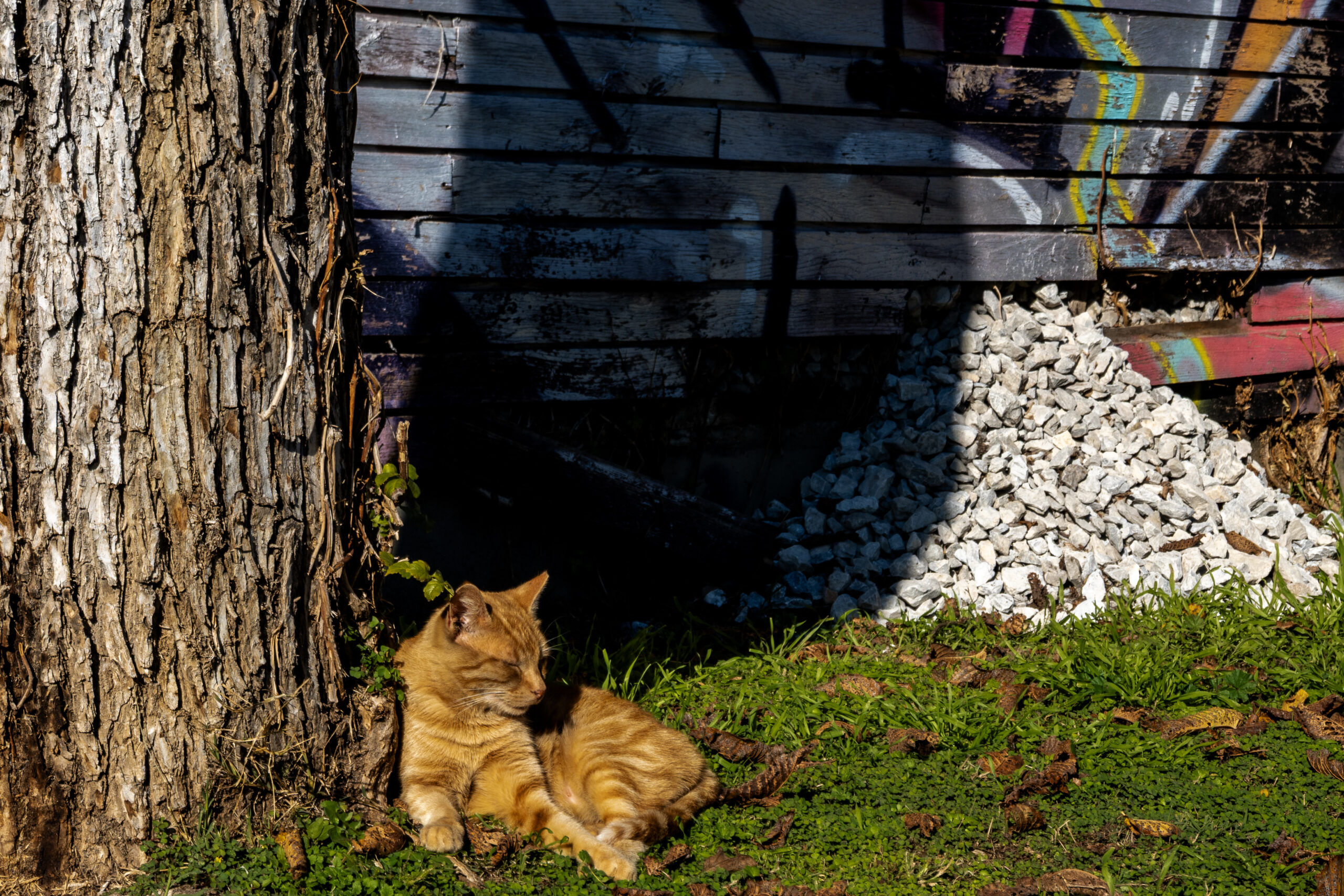
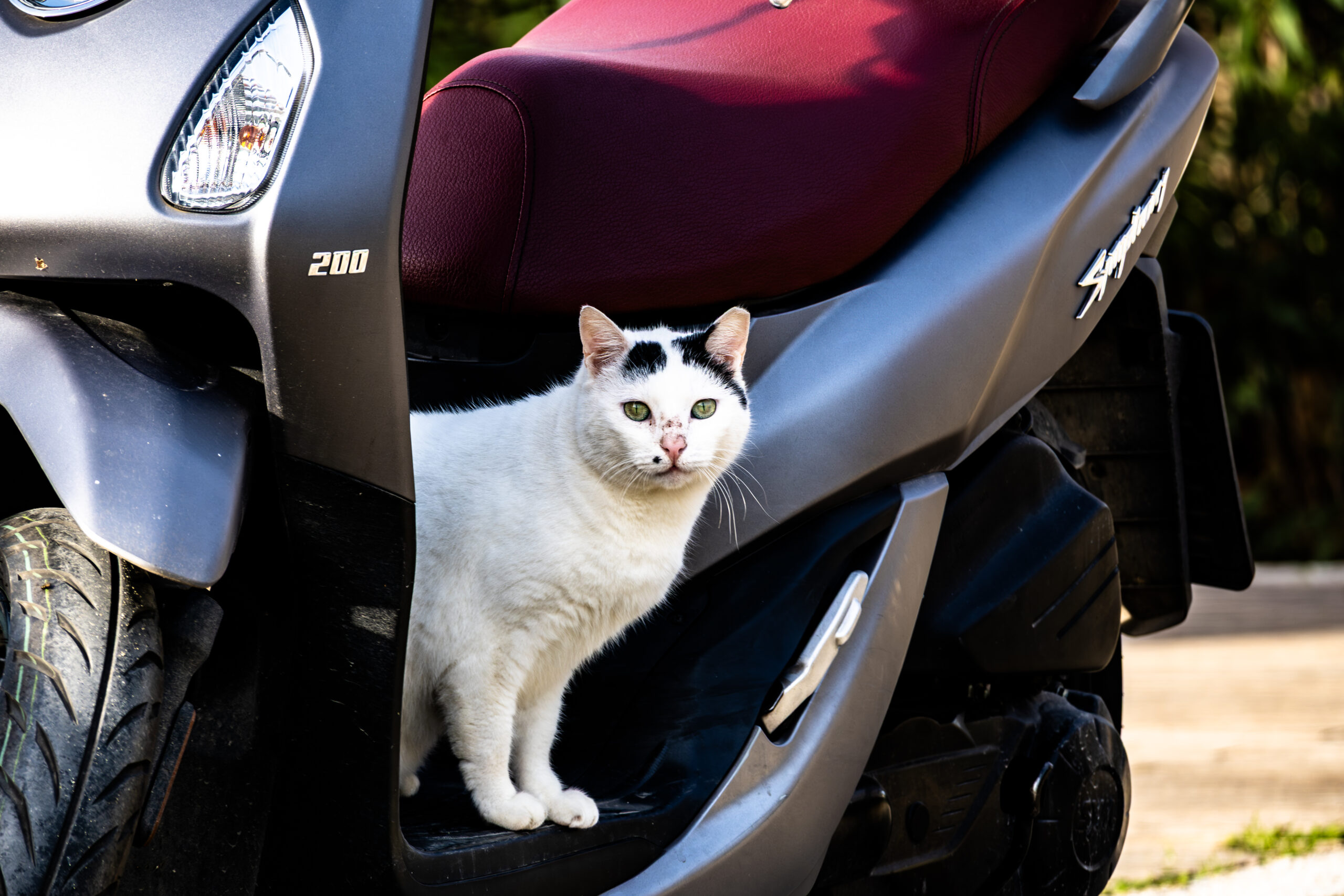
- As with Thessaloniki, Athens is populated by plenty of feline friends. However, I wasn’t quite as ardent about capturing their portraits as I was in Thessaloniki. Nonetheless, I got some.