-
Bangkok.
Dec. 23, 2025 – Jan. 25, 2026
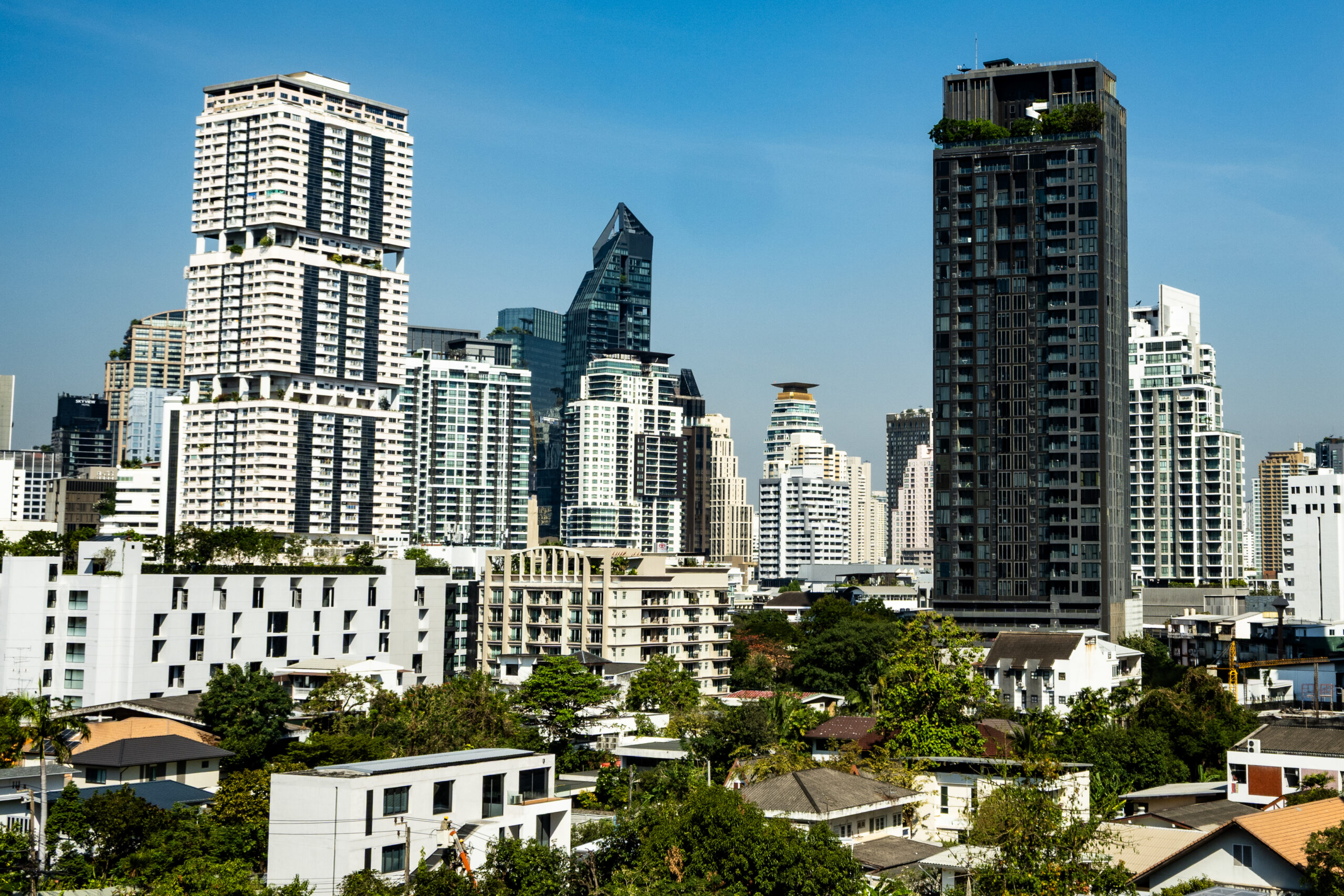
Bangkok was a big one. My entry point into Asia, and an opportunity to slow down and stay in place for a while. I booked an AirBnb in a building with a rooftop pool and a gym. I was looking forward to having an apartment to myself, a kitchen, bedroom and bathroom that I didn’t have to share with anybody. This would be my home for the holiday season and my base as I explored a totally new culture in Thailand.
Basking in Bangkok
- My trip to Bangkok had me catching a connecting flight in Addis Ababa, Ethiopia. I debated whether or not this counts as having been to Africa, leaning towards not really. Nonetheless, it’s interesting to think that I set foot on three different continents all within a single day. The quick view I got of the lights of downtown Addis Ababa as I arrived from Athens had me feeling some regret that I hadn’t allowed for at least a couple of days to explore the city.
- My stop in Ethiopia did add some unexpected hassle when I arrived in Bangkok. After standing in line at customs, I was initially turned away because I didn’t have a Yellow Fever waiver after having transited through Africa. So I had to go and stand in the waiver line for another half an hour before returning back to wait in the immigration line again. But, at least they ultimately let me in.
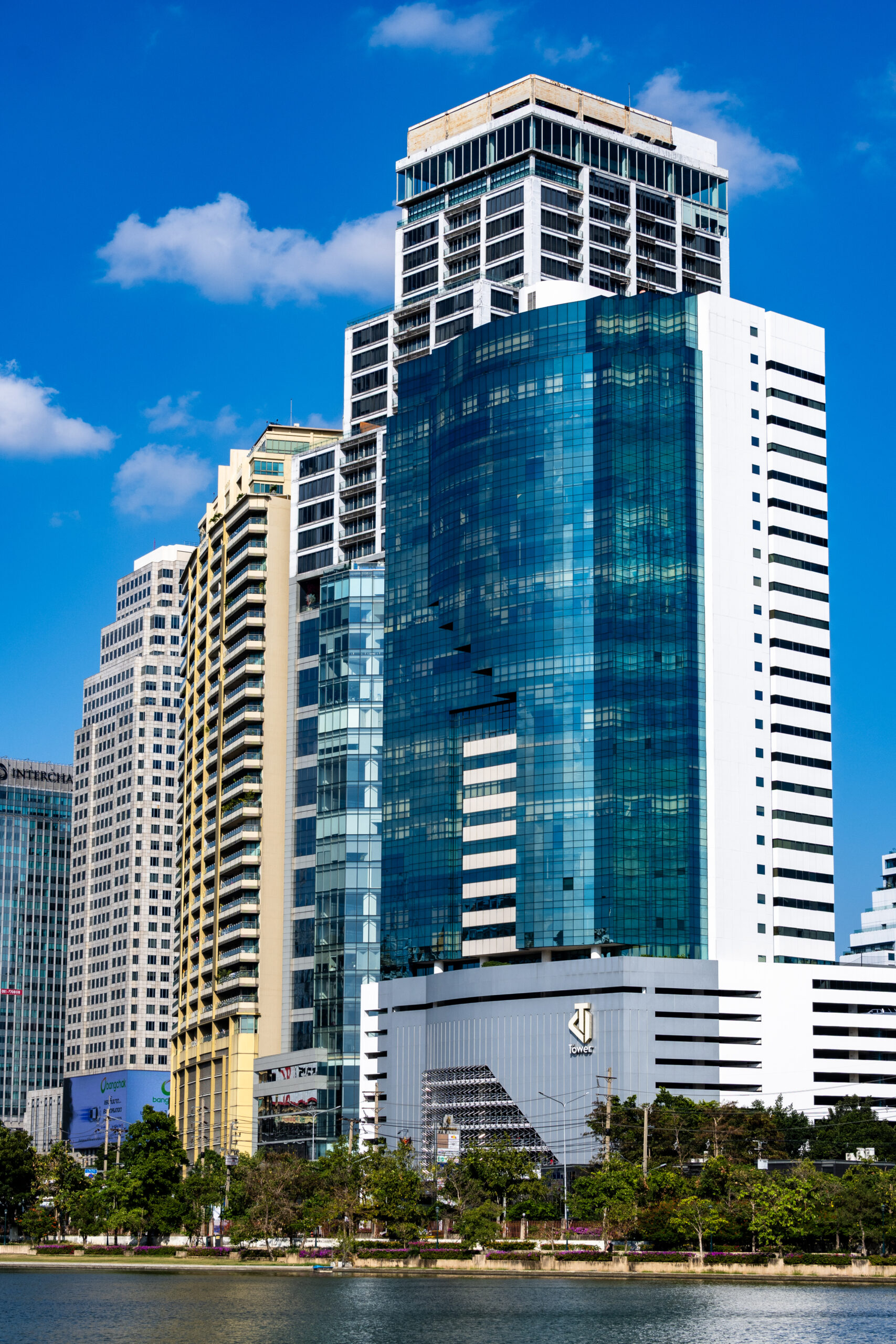
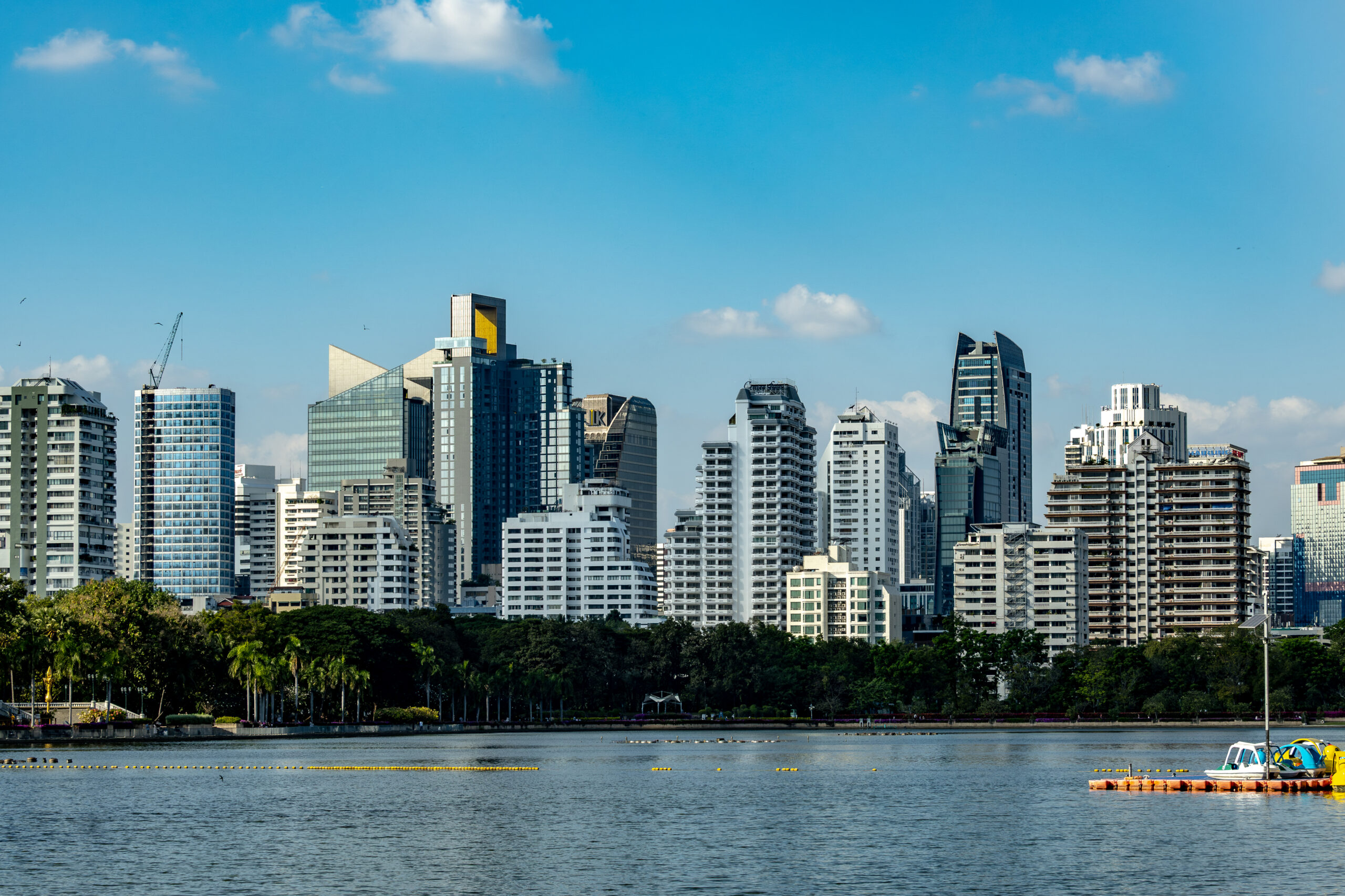
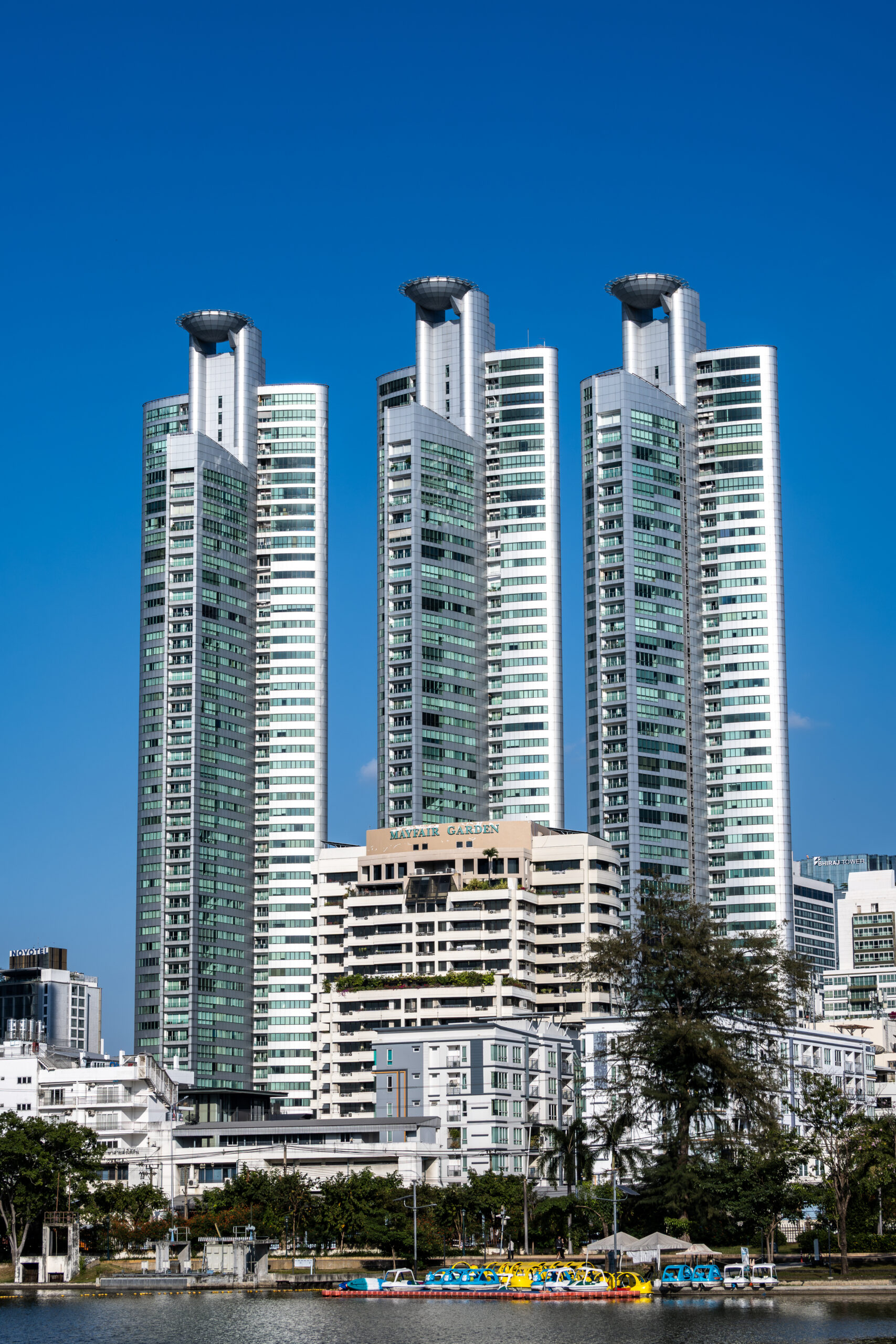
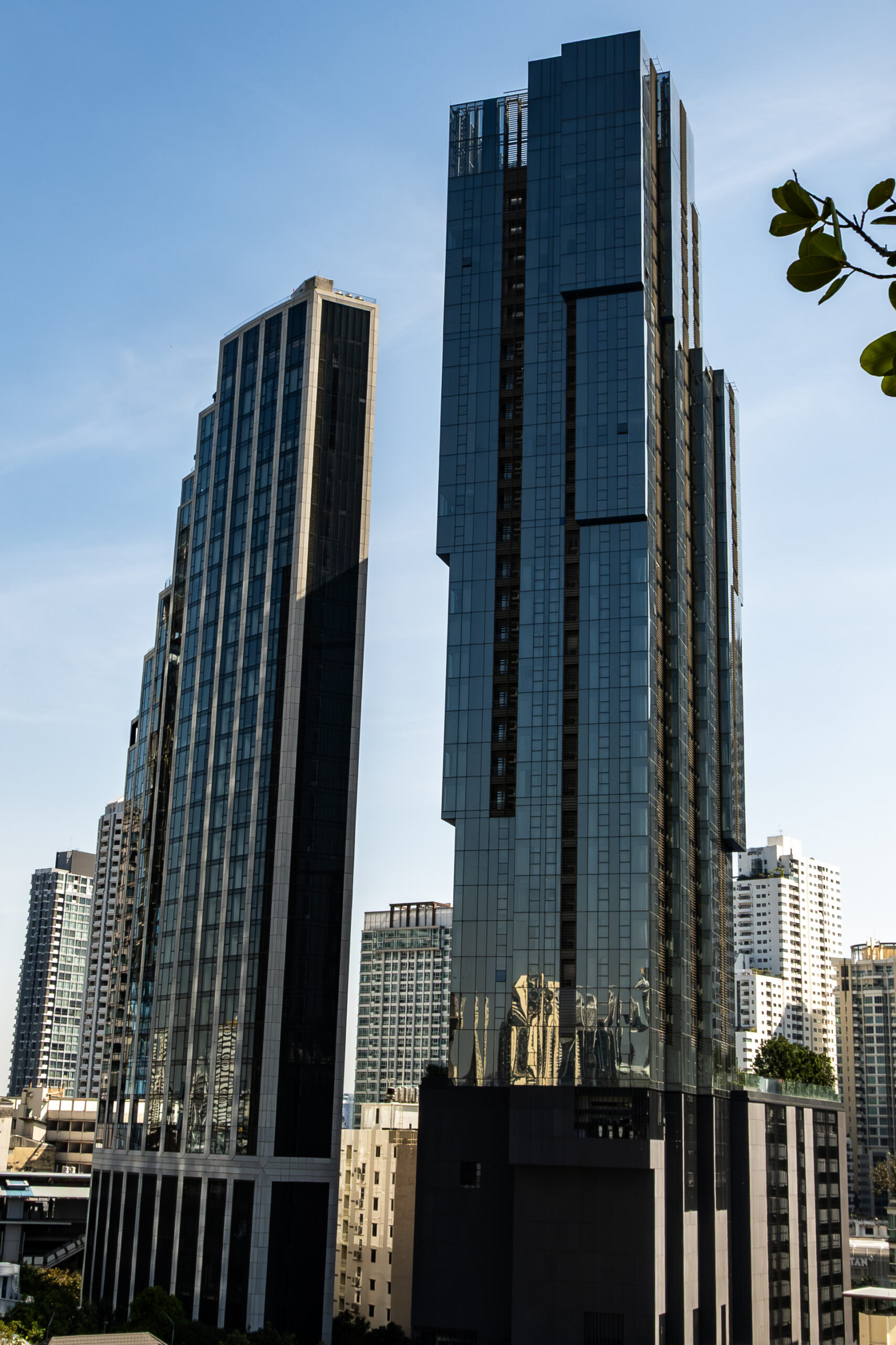
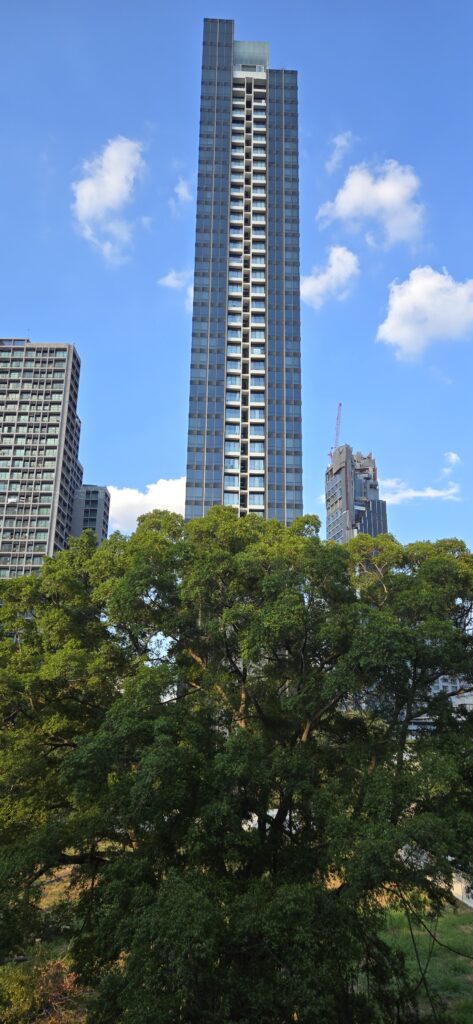
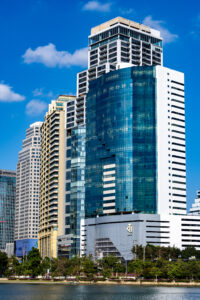
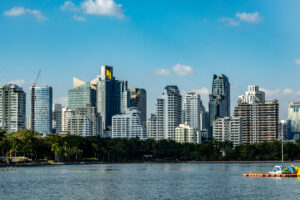
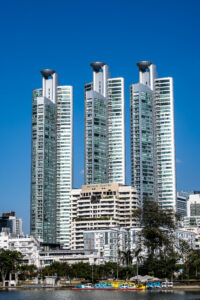
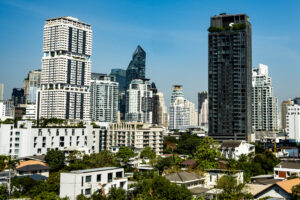
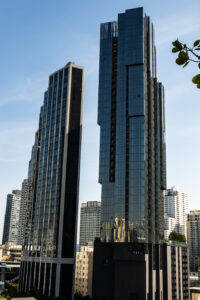
- The train ride from the airport to my condo gave me my first look at Bangkok from the elevated rail line. The city sprawls out endlessly in all directions. Surprisingly, to me, modern, with fancy residential skyscrapers poking up all over the place. Stepping off the airport train to transfer to the local skytrain that would take me the rest of the way, I was smacked in the face by the heat. It was only 30 degrees but metal roof of the train station and the humidity of the air were an incredible shock, especially after the comfortable, cool of the A/C on the train.
When I made it to my stop, I descended to the street level for the first time along Sukhumvit Road and experienced the madness that is Thai traffic. Sukhumvit is a major artery through Bangkok, technically stretching for hundreds of kilometers. I was about 10 kilometers out from the center of the city, and even here it was absolutely bustling. The entire roadway was covered with cars, buses, trucks and thousands of mopeds and motorcycles. Constant honking and engine noises, amplified by the skytrain tracks that run overhead creating a roof for the roadway.
My condo was only a few hundred meters from the station, which was pretty handy, as public transit in Bangkok isn’t quite as developed as I was used to in Europe. I initially missed the turn to my building, as I judged it to just be an alleyway at first. But no, this narrow two-way street, without a sidewalk on either side would become all too familiar to me over the next few weeks. I remember my first walk down it felt so dangerous, car and bikes passing by within inches of me. By the end of my time, I would be perfectly comfortable, understanding how aware, patient and considerate Thai drivers are of pedestrians and other users of the road. But, for now, it felt like chaos.
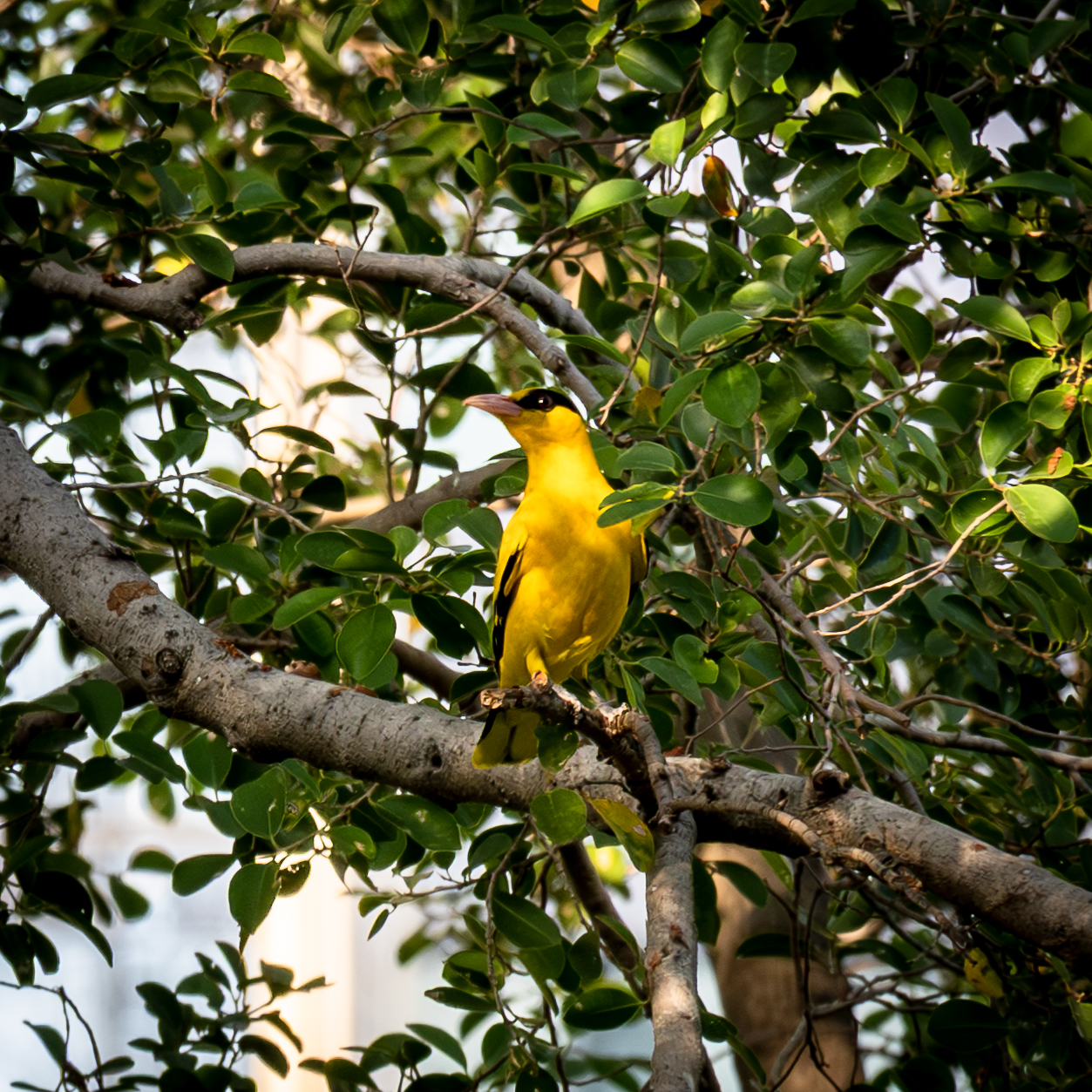
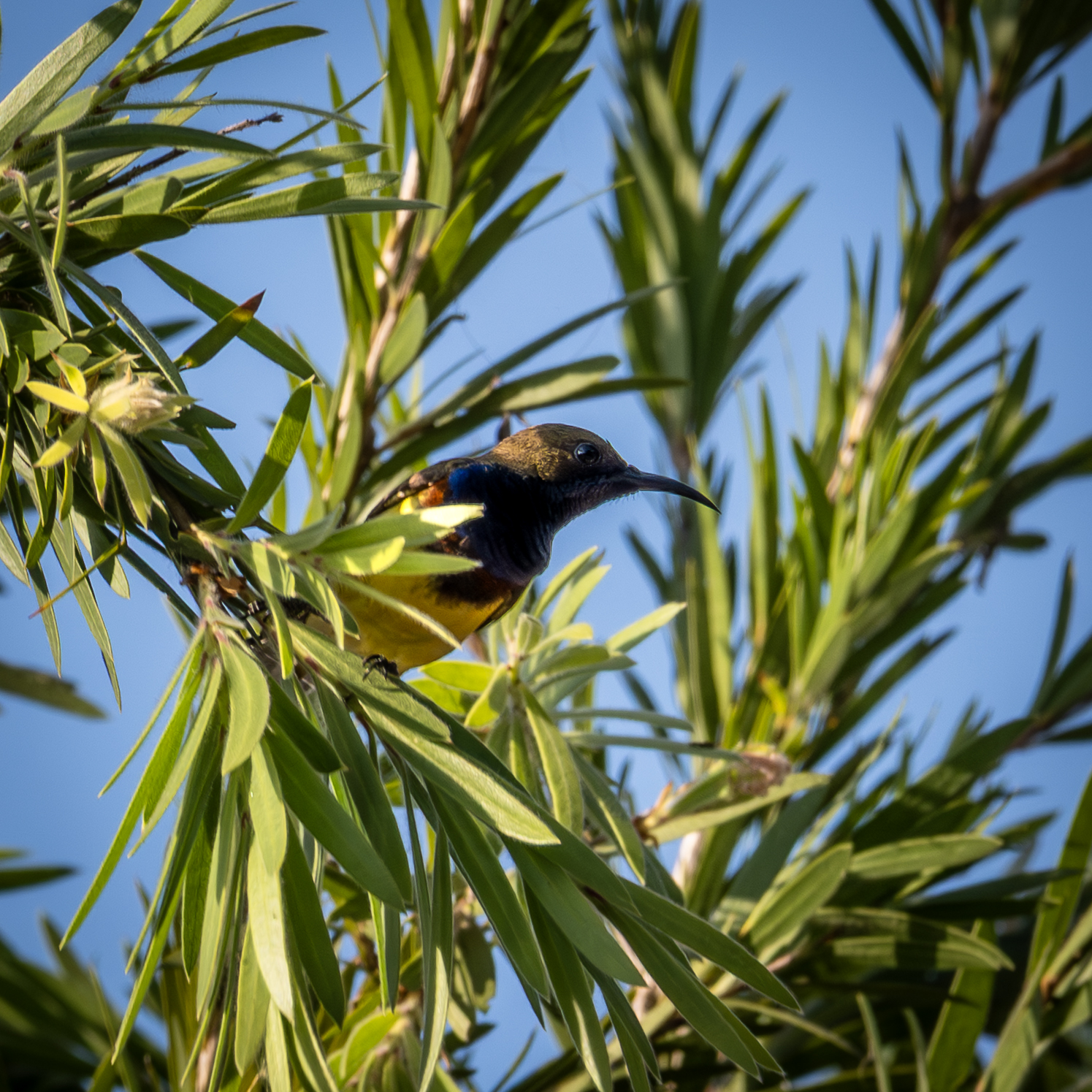
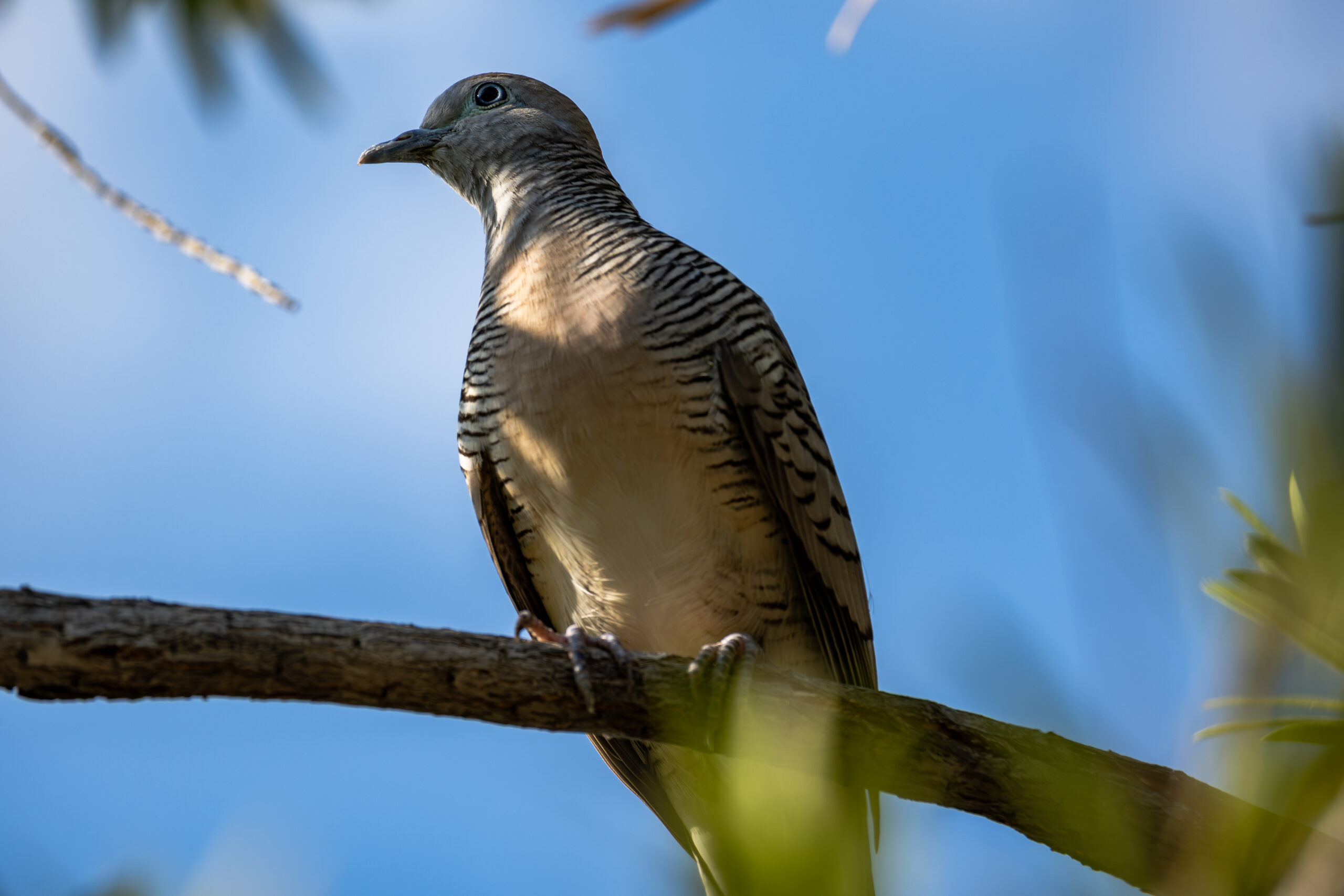
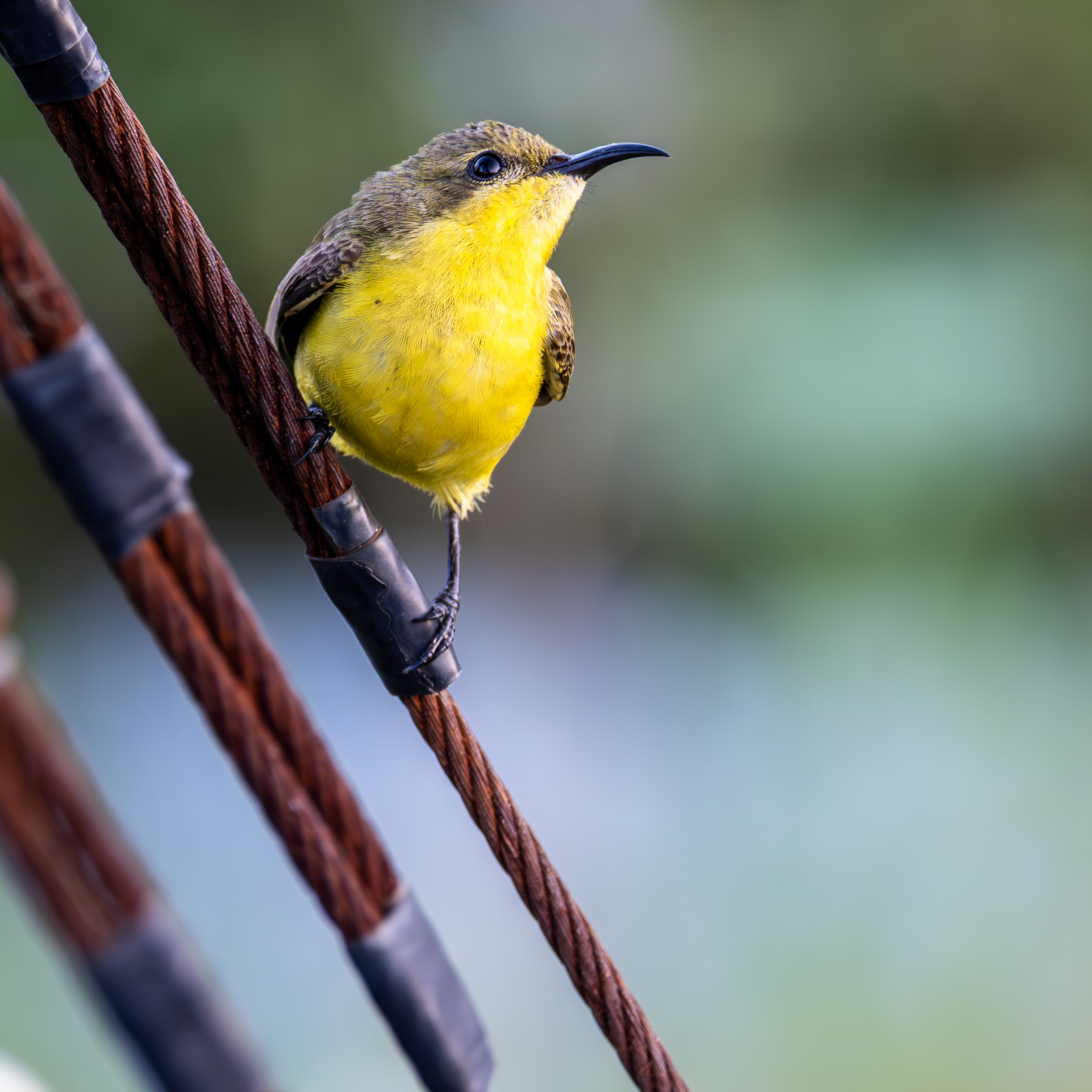
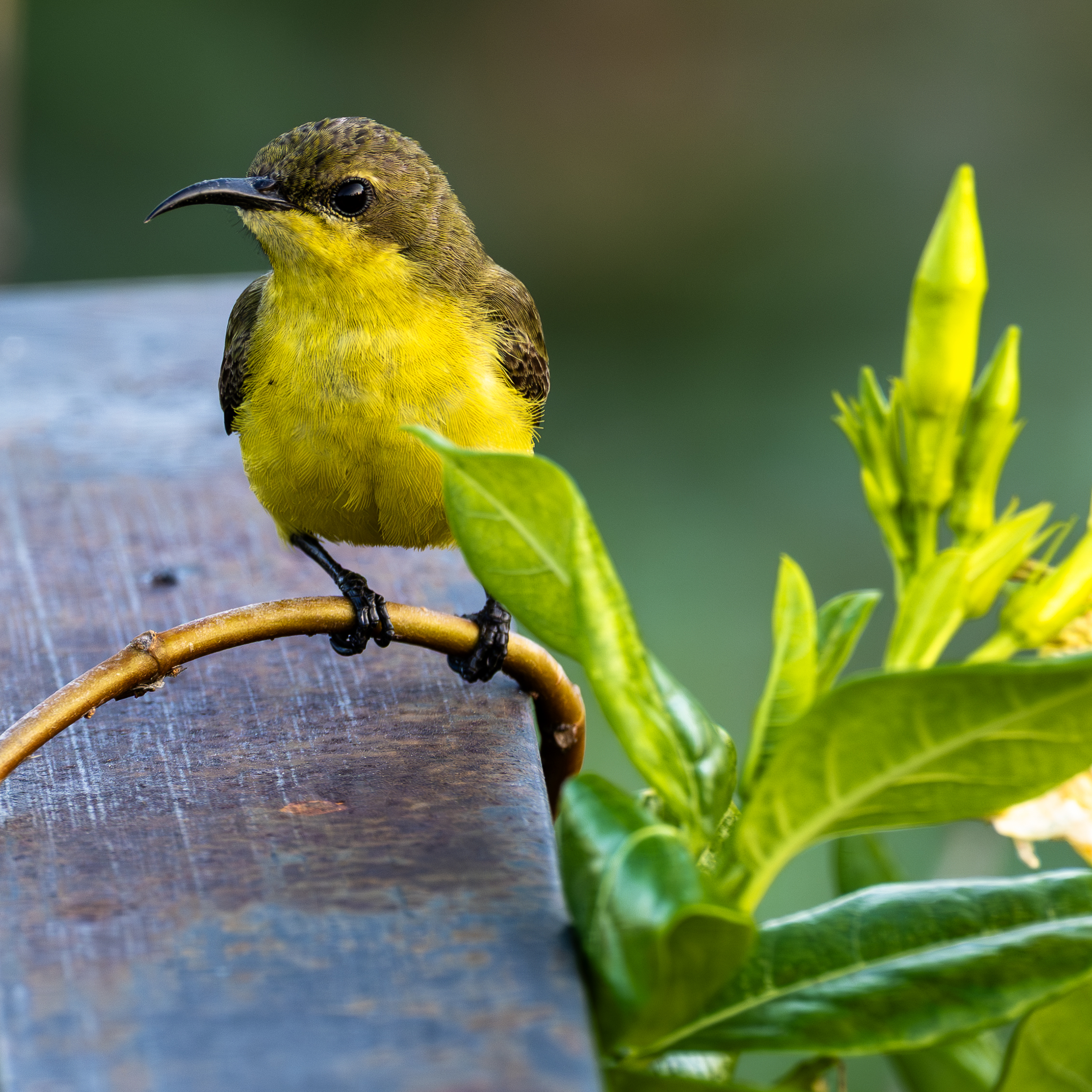
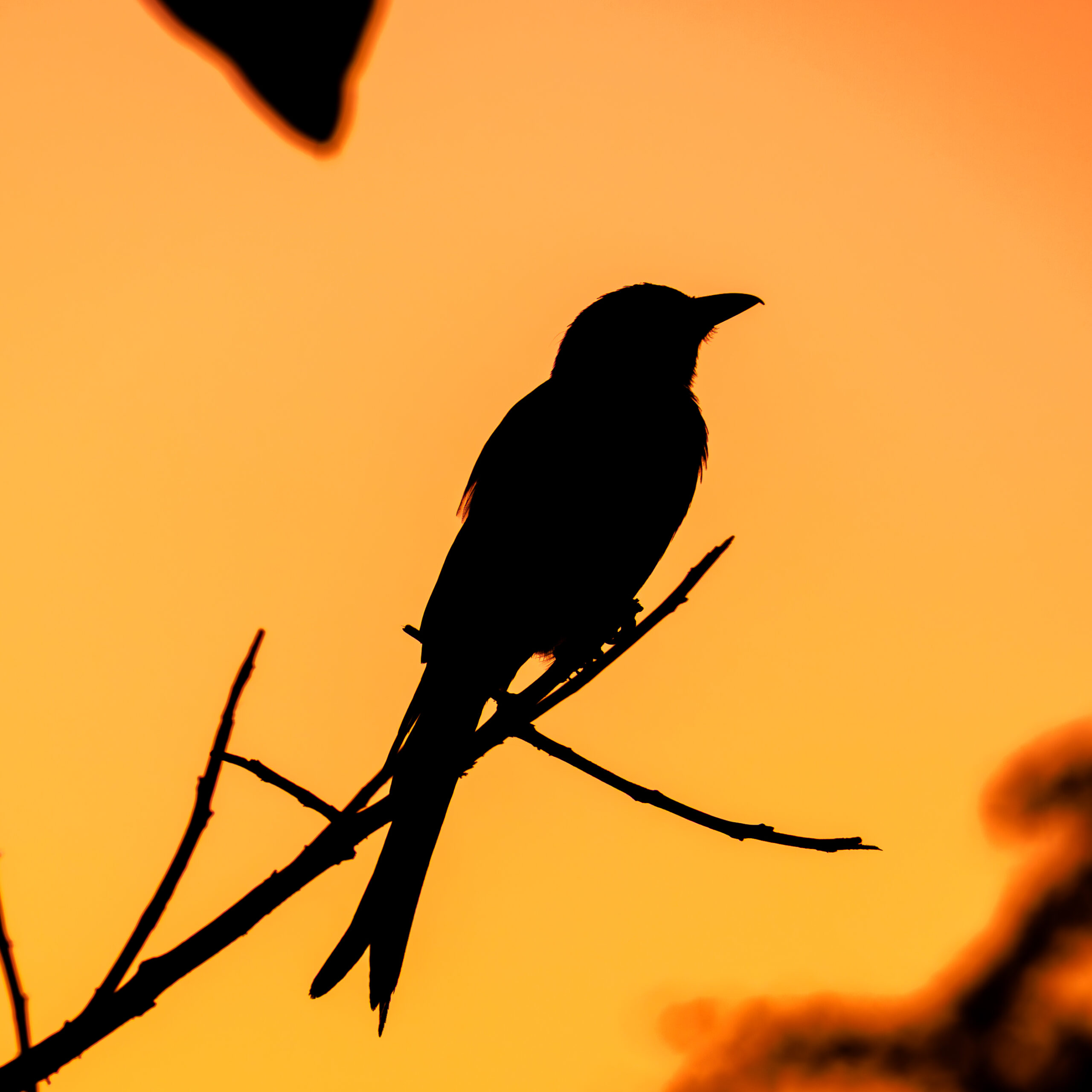
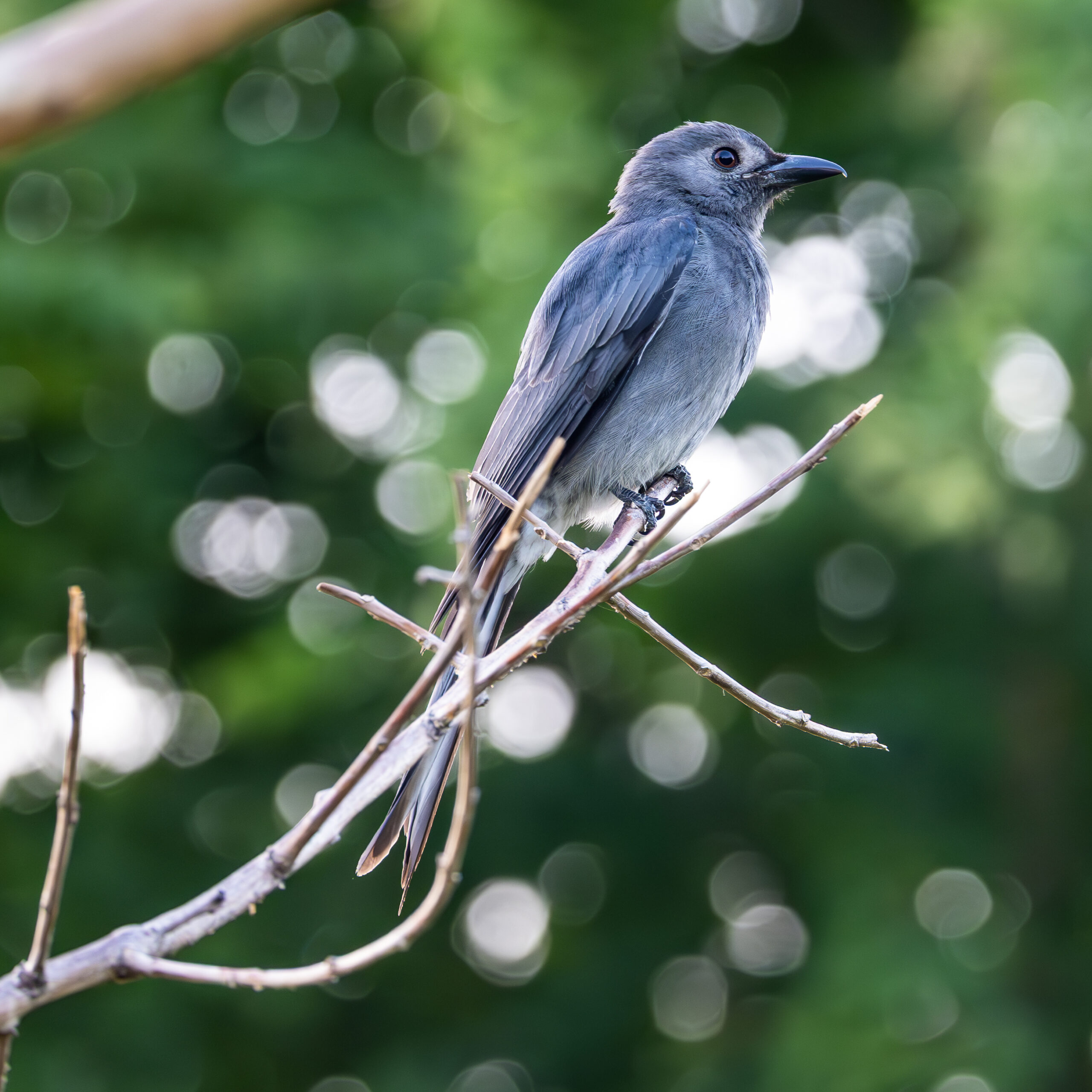
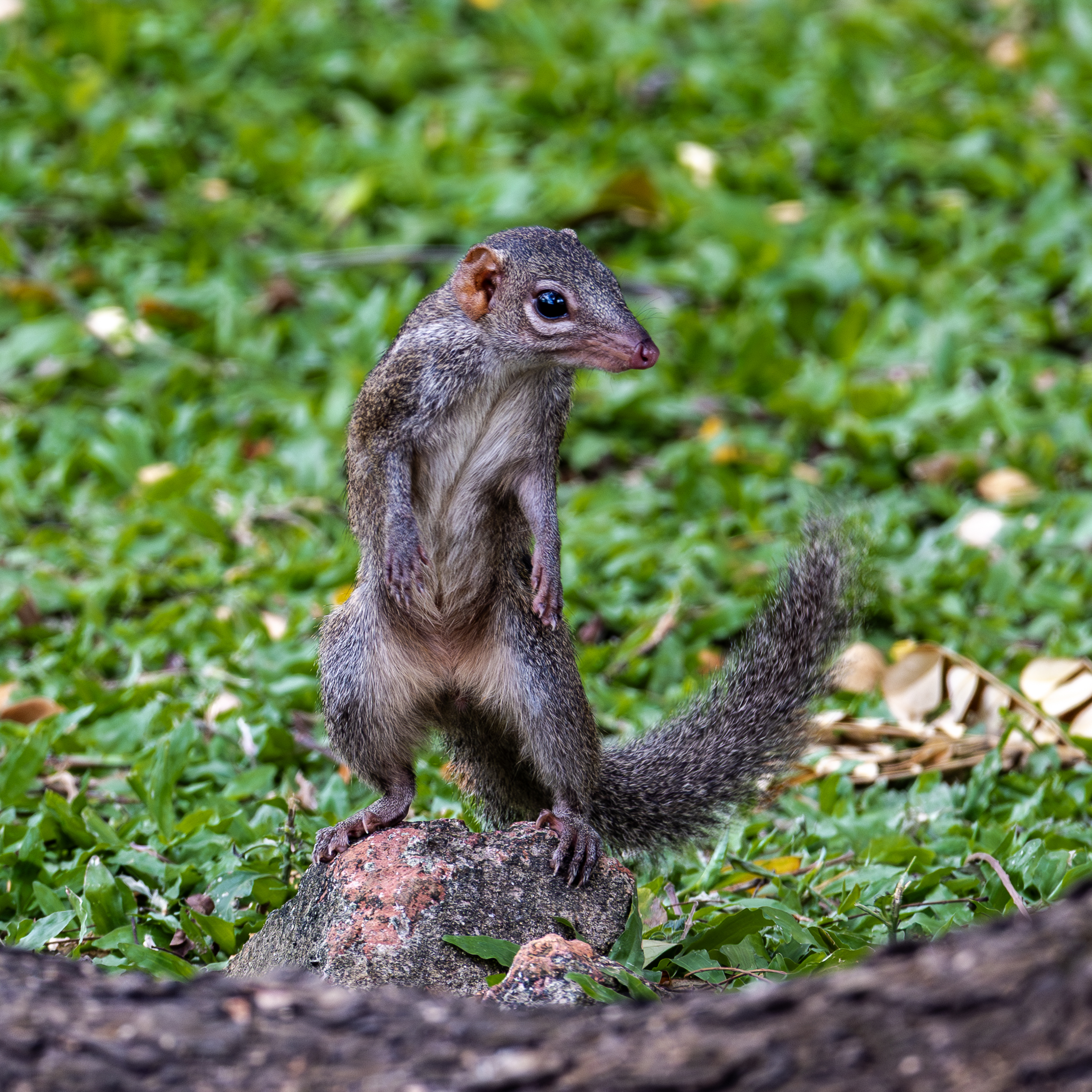
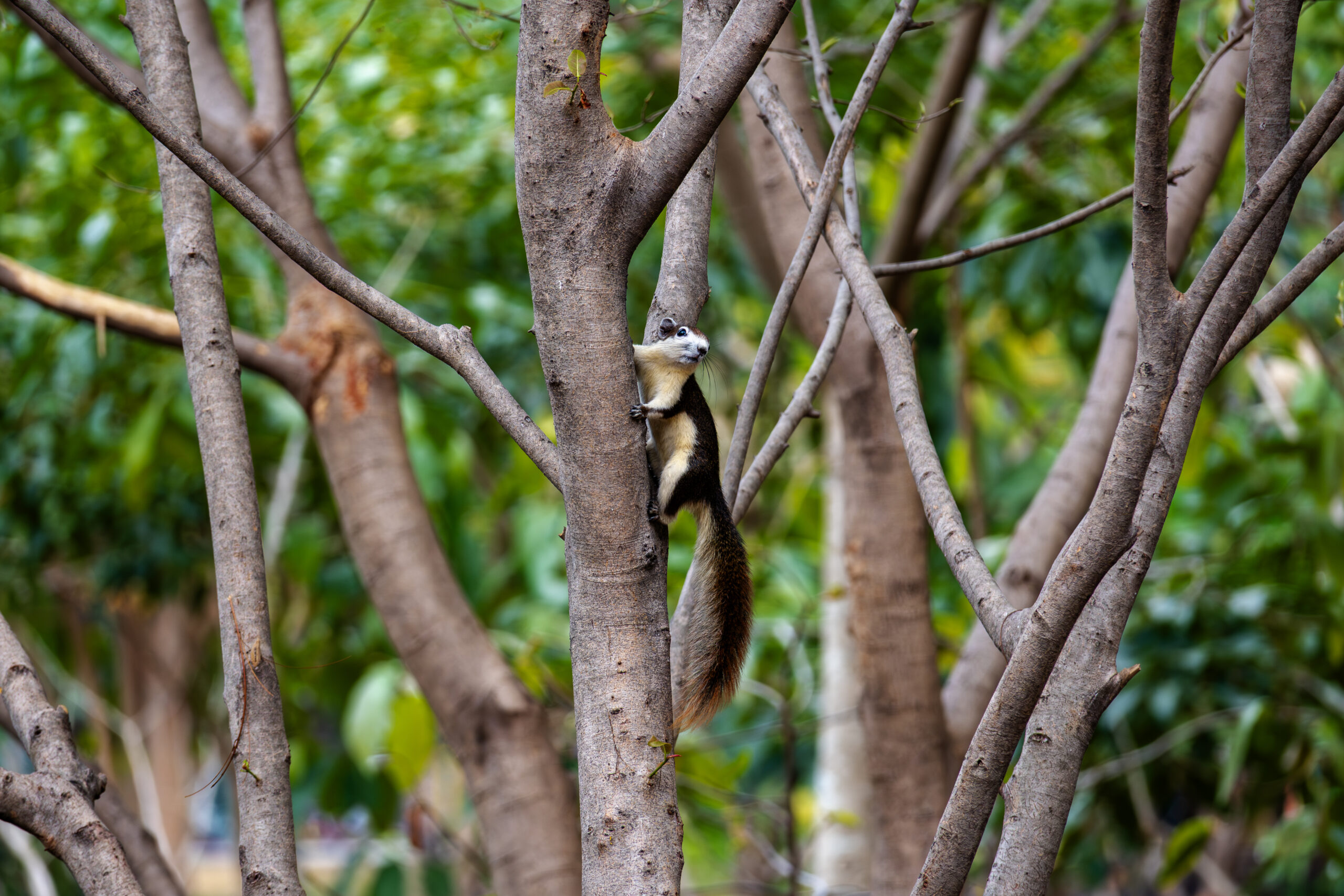
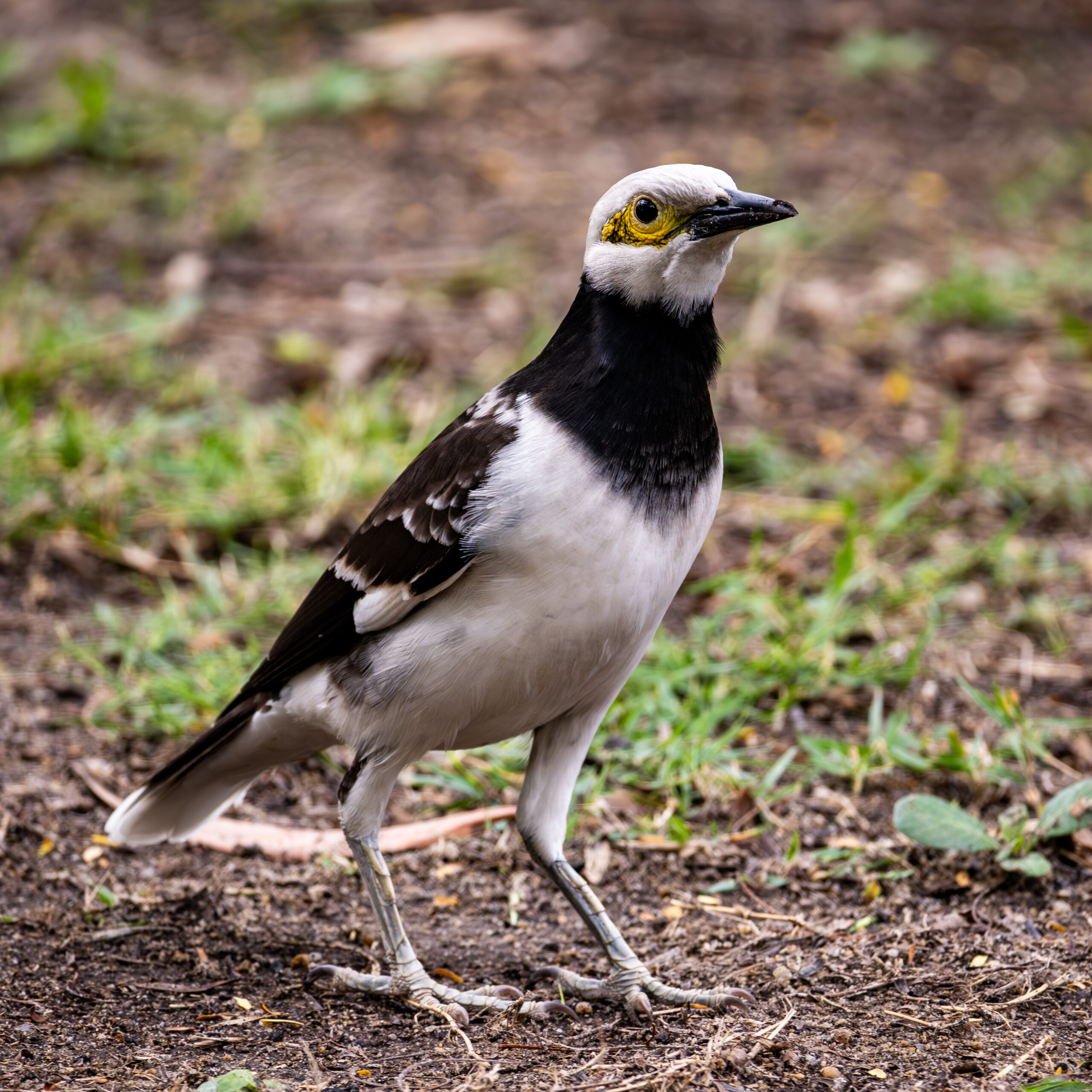
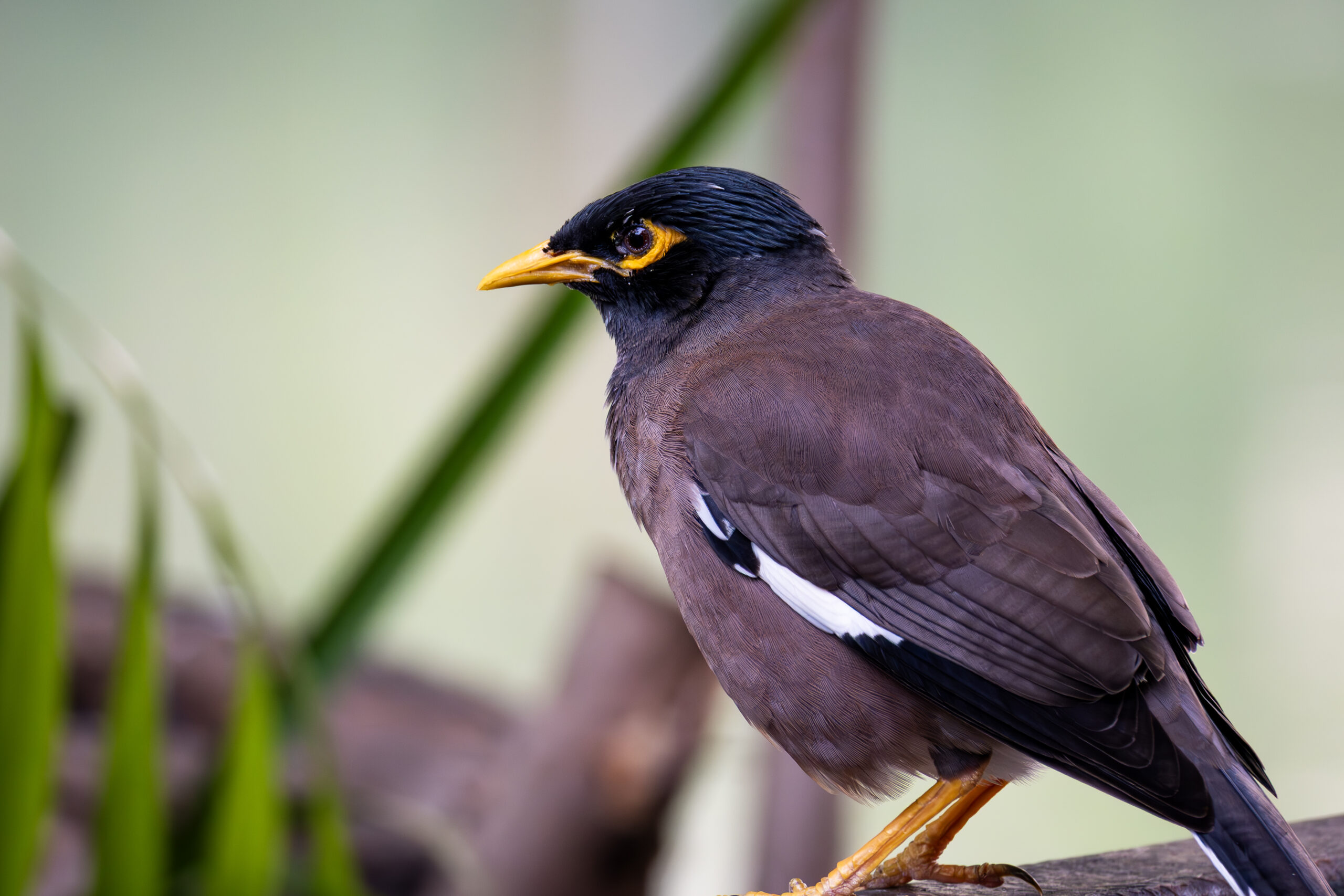
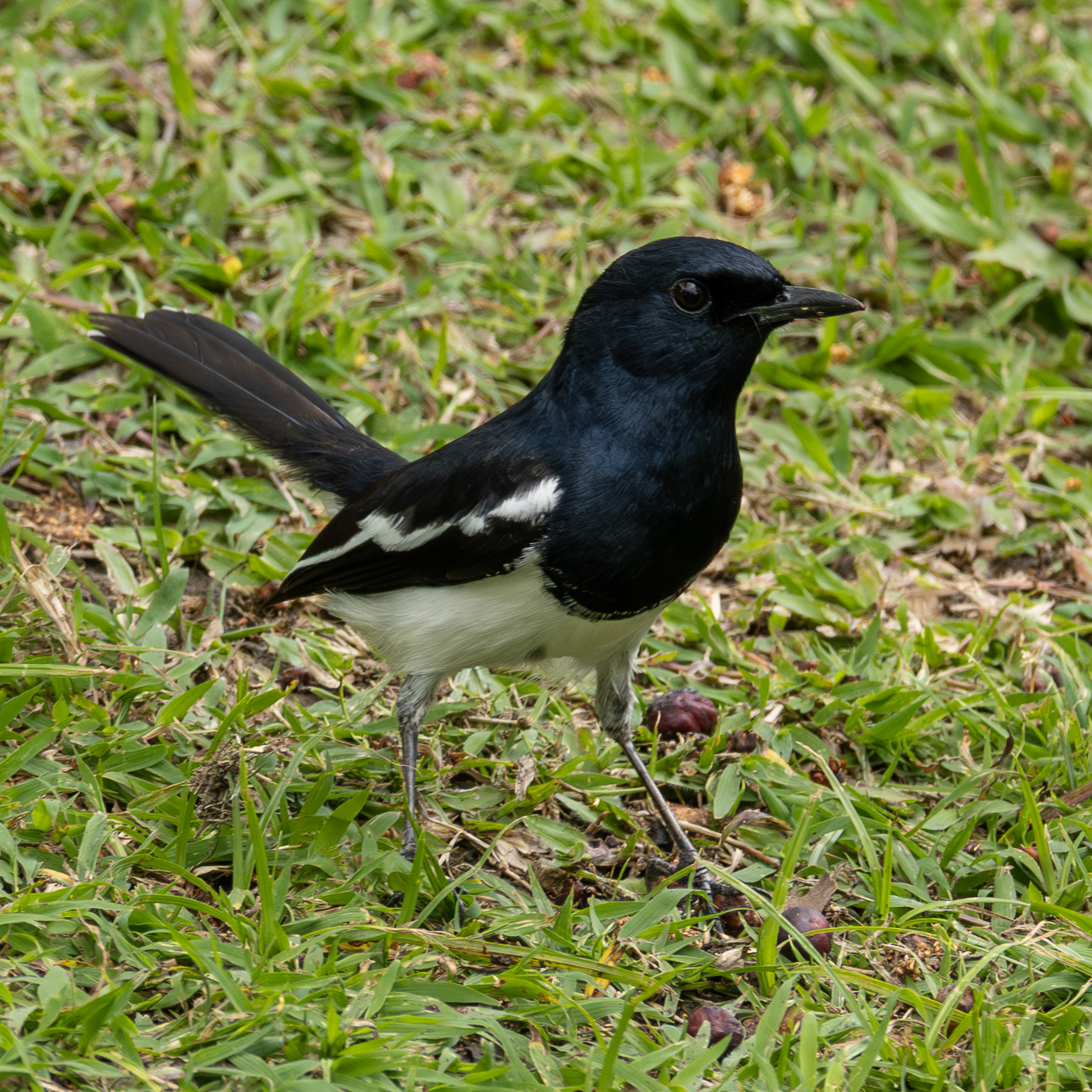
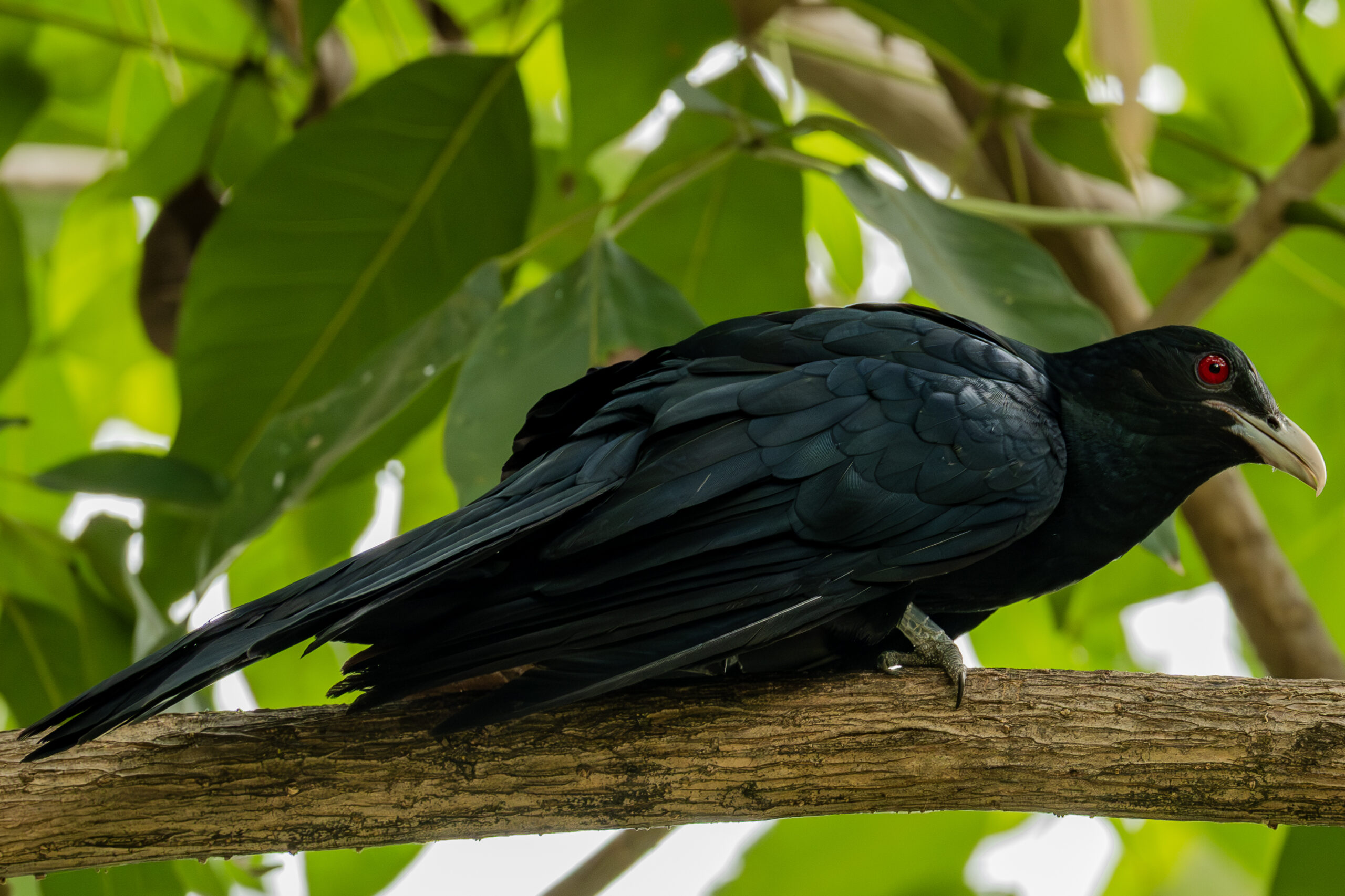
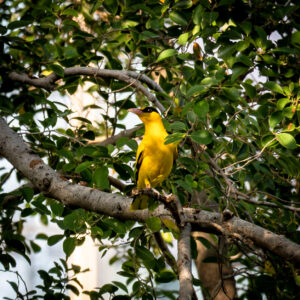
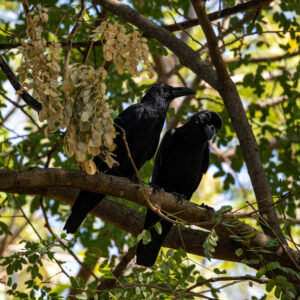
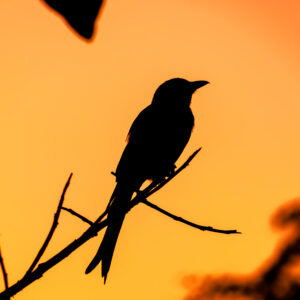
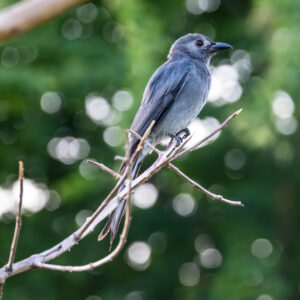
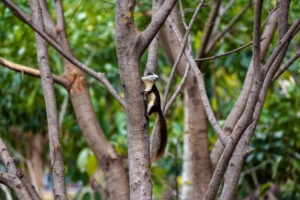
The condo building itself was fairly new and quite nice overall. Though, one of the first things you see upon entering the elevator for the building are numerous notices regarding the illegality of short term rentals in Bangkok. Warnings about the fines and promises of clemency if you present yourself to the police promptly. As far I know, this only applies to tenants occupying an apartment for less than a month, which put me on the right side of the law, but they were still a little spooky. - The condo was everything that I wanted. A relatively compact studio apartment with a tiny balcony with a washing machine and a couple drying racks. A nice walk-through closet and a giant shower. A galley kitchen with a two hob electric stovetop. A desk facing a windowed wall that looked out into the empty lot next door, overgrown into a mini-jungle with a massive tree that was home to all sorts of birds and squirrel-like tree shrews. It was heaven.
- Other a run to get groceries, my first few days in the apartment were spent in seclusion. Enjoying a bit of relaxation away from the world of travel and the world in general. It’s hard to recall exactly what my feeling was now after 3 months in Asia, but I do remember feeling a bit of culture shock. I guess it was the overstimulation of being surrounded by people and noise all of the time, and feeling like a visual minority for effectively the first time in my life. I know I felt some trepidation whenever I ventured away from the apartment. With time this became easier to overcome, and nowadays it’s a faint memory. From my current perspective, Bangkok is a modern and rapidly developing city, with some differences from the Western cities that I was used to, but not as many as I would see in the smaller towns and villages of Cambodia and Vietnam.
- The heat was another big factor making Thailand feel different. I didn’t see a single day under 30 degrees, though thankfully I didn’t see any over 35 either. Compounding the heat was, of course, the humidity. Every time I went outside I was guaranteed to come back soaked in sweat. Let alone when I had to make the twenty minute walk from the grocery store loaded with all my food for the week. That said, no complaints. Late December and January in 30 degree heat, that’s a dream for basically any Canadian.
More surprising was seeing the local Thai people wearing their winter clothes, not too different from what Canadians would be wearing at this time of year. Sweaters and parkas were the norm, while all of the tourists around them were decked out in shorts and tank tops. Temperature truly is relative. - Despite being in Bangkok for over a month, I ended up seeing a terribly minuscule amount of the city. And not just due to how large of a place it is. Having control over my space and my food led to me completely nesting during my stay. I would enjoy lazy mornings, playing games on my phone, listening to podcasts. Afternoons, I spent trying to catch up on blogs and processing photos. Though, I would inevitably end up procrastinating from that with one distraction or another.
My principle distraction during this time was working on my geography trivia. It started with me wanting to see how many countries I could locate on a world map. Initially, I was able to get roughly a hundred or so countries, of the 197 recognized by the UN. By the end of my stay, I knew the location of all 197 countries. But also, I could list all of the countries alphabetically. And I knew the capitals of about 75% of them. Today, I know the capitals of all of them. And all of the flags. And I extended past the 197 “official” countries to about 250 countries, overseas and disputed territories.
I would spend my evenings watching TV and movies. I started rewatching the first couple seasons of the Fargo television show that was shot in Calgary. I was already feeling a bit homesick during this period, and seeing locations I recognized throughout the background of the show either helped lessen that feeling or fed it, I’m not exactly sure which. - Bangkok is known as one of the street food capitals of the world, but not for me. The true revelation for me were the culinary options available from 7-Elevens. I had heard that Japanese 7-Elevens were on another level from those in North America, but I didn’t realize that this also applied to Thailand. The number of fantastic ready to eat meals that I had from 7-Eleven cannot be understated. My favorite were an Australian beef curry and a Thai wagyu basil beef that did not pull any punches on the spice level. I typically appreciate a high level of spice in my food and this stuff had my head buzzing and sweat prickling my forehead. Just tremendous.
- When I arrived at the apartment, there were some basic necessities that were missing. Dish towels, cloths and a drying rack. Not a huge deal, but a problem that I felt like needing solving. Rather than bothering my host with it, I used it as an opportunity to check out the Thai shopping scene. And holy cow. Bangkok does malls like no where I’ve seen. About a twenty minute walk down Sukhumvit is a complex of multi-story malls that line both sides of the street for hundreds of meters, complete with overstreet connections along the skytrain line.
These malls host all sorts of stores, generally lumped together by the types of products they sell. All of the luxury stores together, the general clothing together, the home goods together, so on. I found what I was looking for at an Ikea located on the fifth floor of one of these malls, though it took a good amount of wandering to find it. Along the way, I admired the integration of plant life and found a multi-story waterfall in an internal courtyard that had multiple cafes overlooking it.
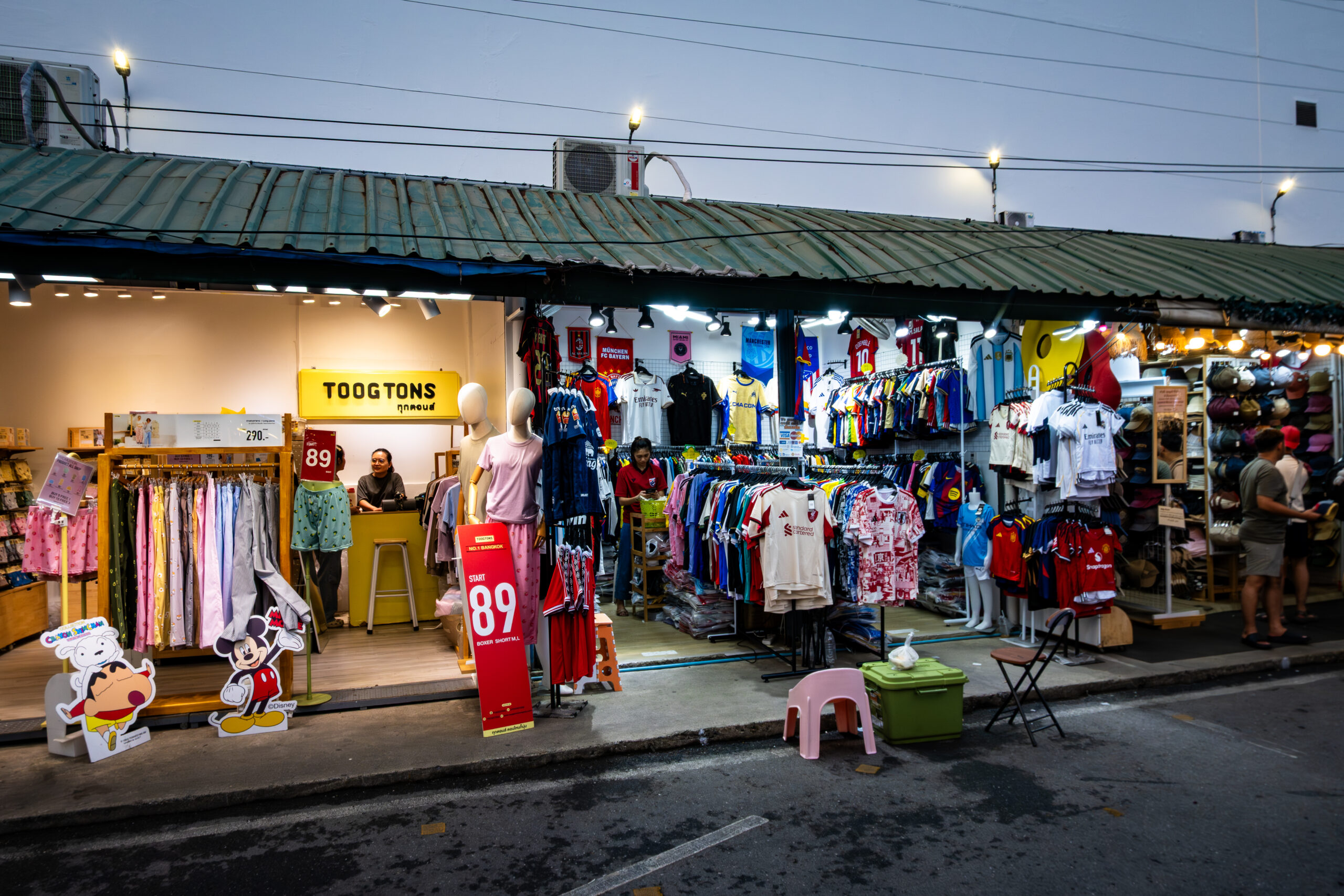
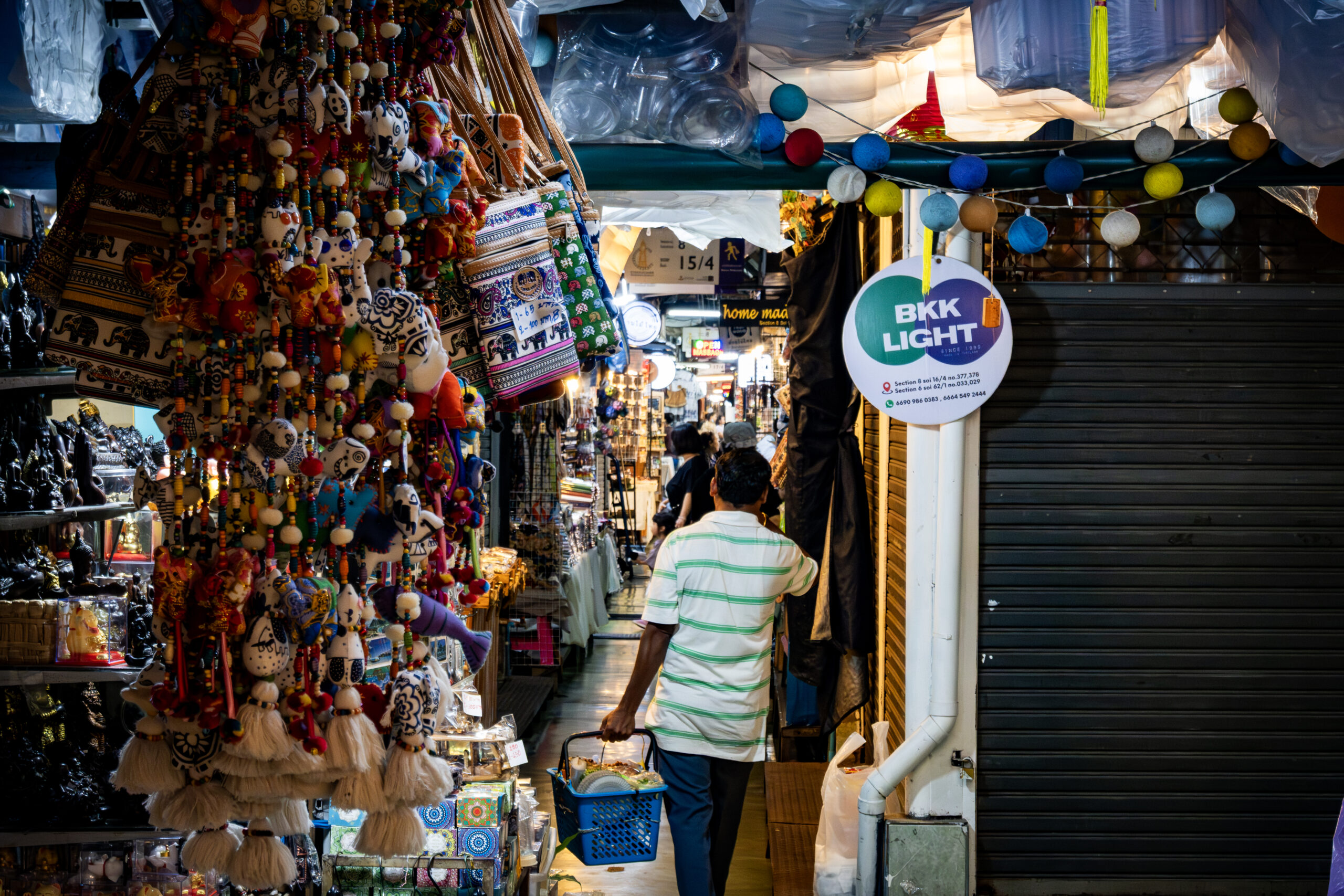
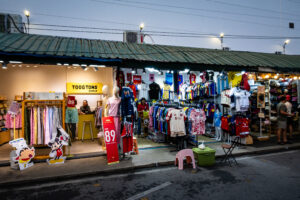
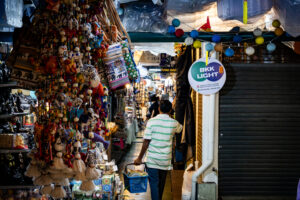
Another day would take me to two very different sorts of malls. At the MBK Center, I found a mall unlike any I’d ever been to. This was more of a market, with thousands of stalls, all shoulder to shoulder with one another. Here you could find all sorts of name brand clothing, shoes, bags, accessories for extremely low prices. I never managed to figure out if these are actually knock-offs or just clothes that fell off the truck on the way out of the factory. The quality of everything seemed about as good as I would expect from any legitimate vendor. On another floor, I found the electronics section, and just like with the clothing, there were hundreds of stalls selling phones, accessories, gaming equipment, cameras, basically anything you could imagine. Every stall had a barker trying to grab your attention, entice you in, asking what you were looking for. Along with the copious LED lights and screens, it was a sensory overload.
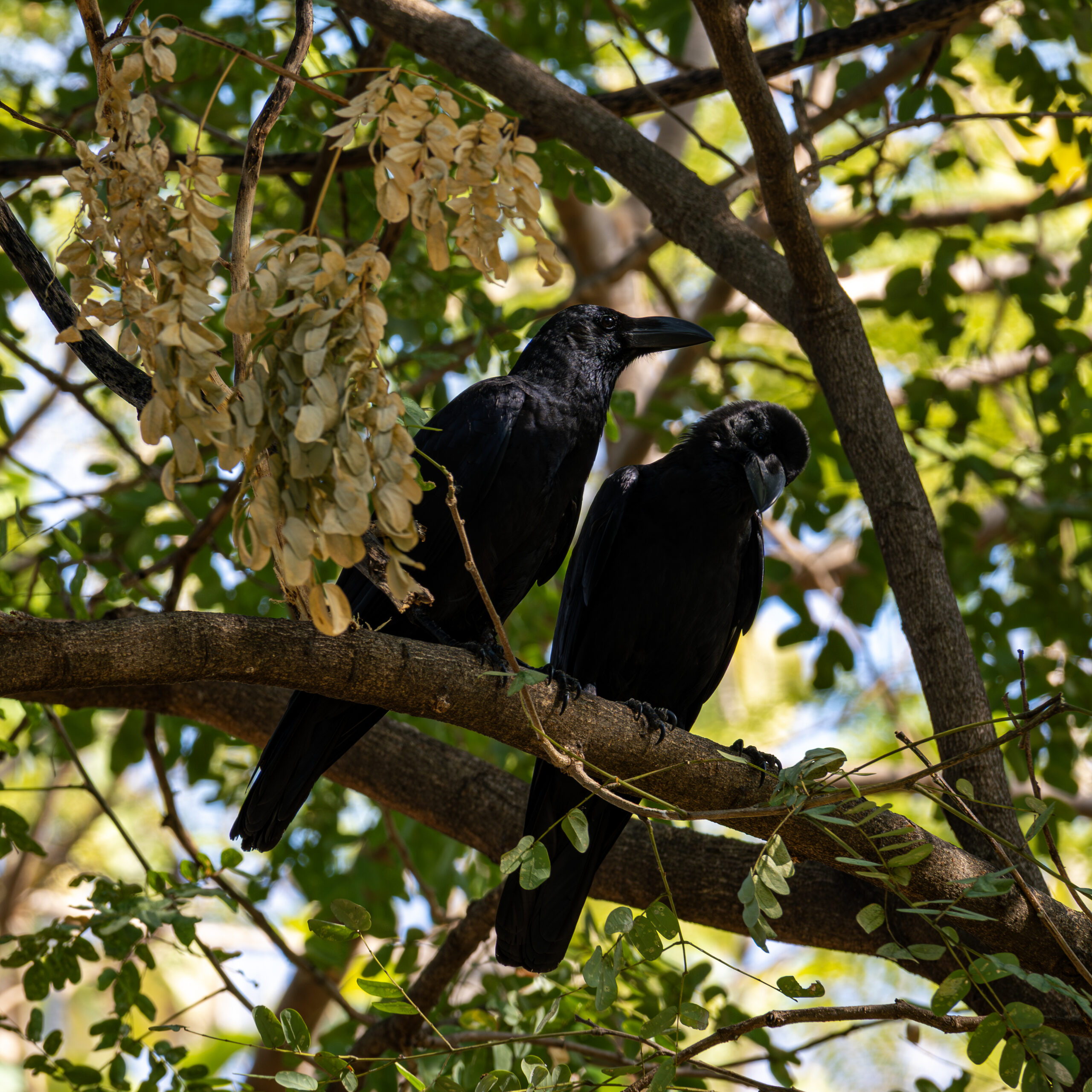
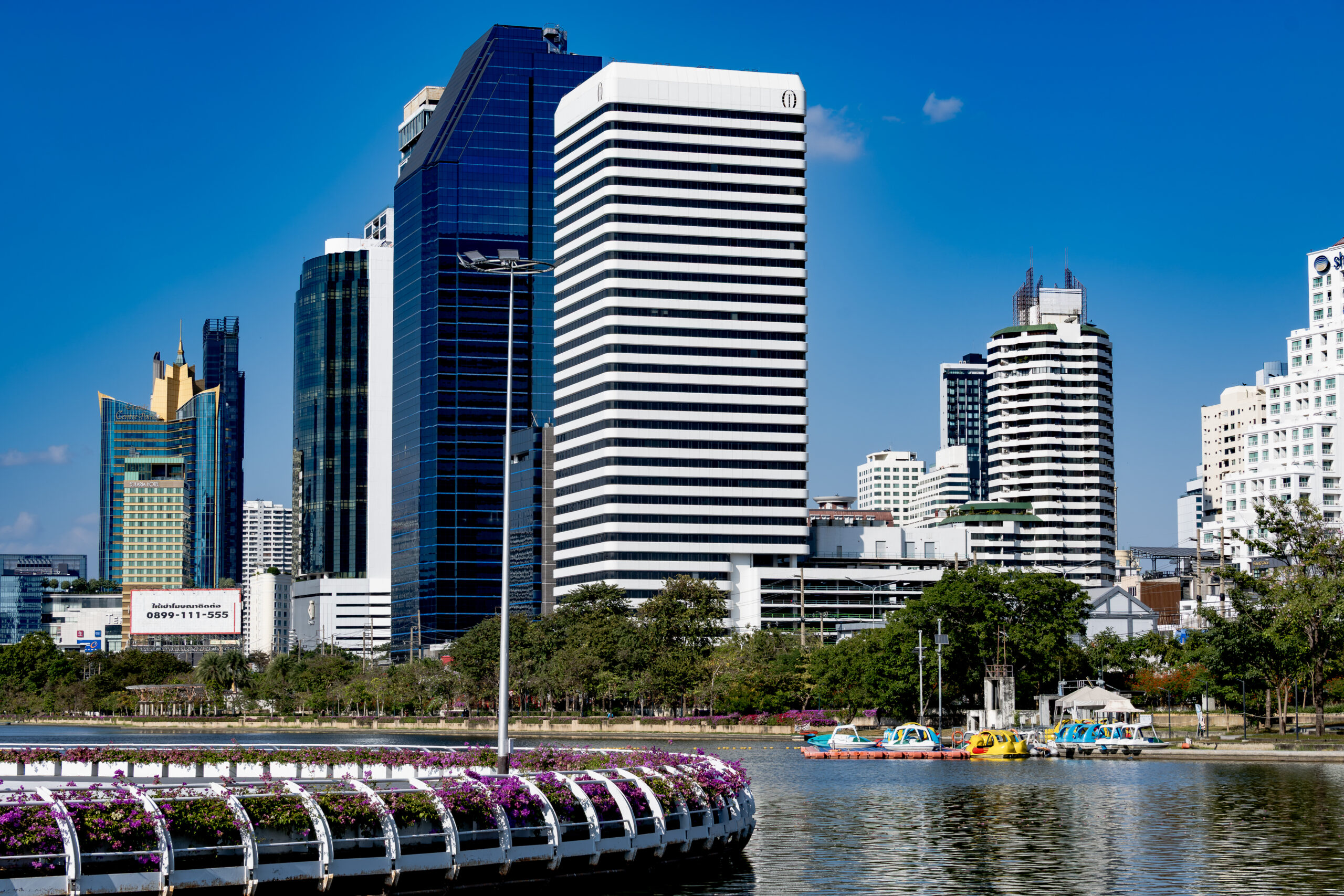
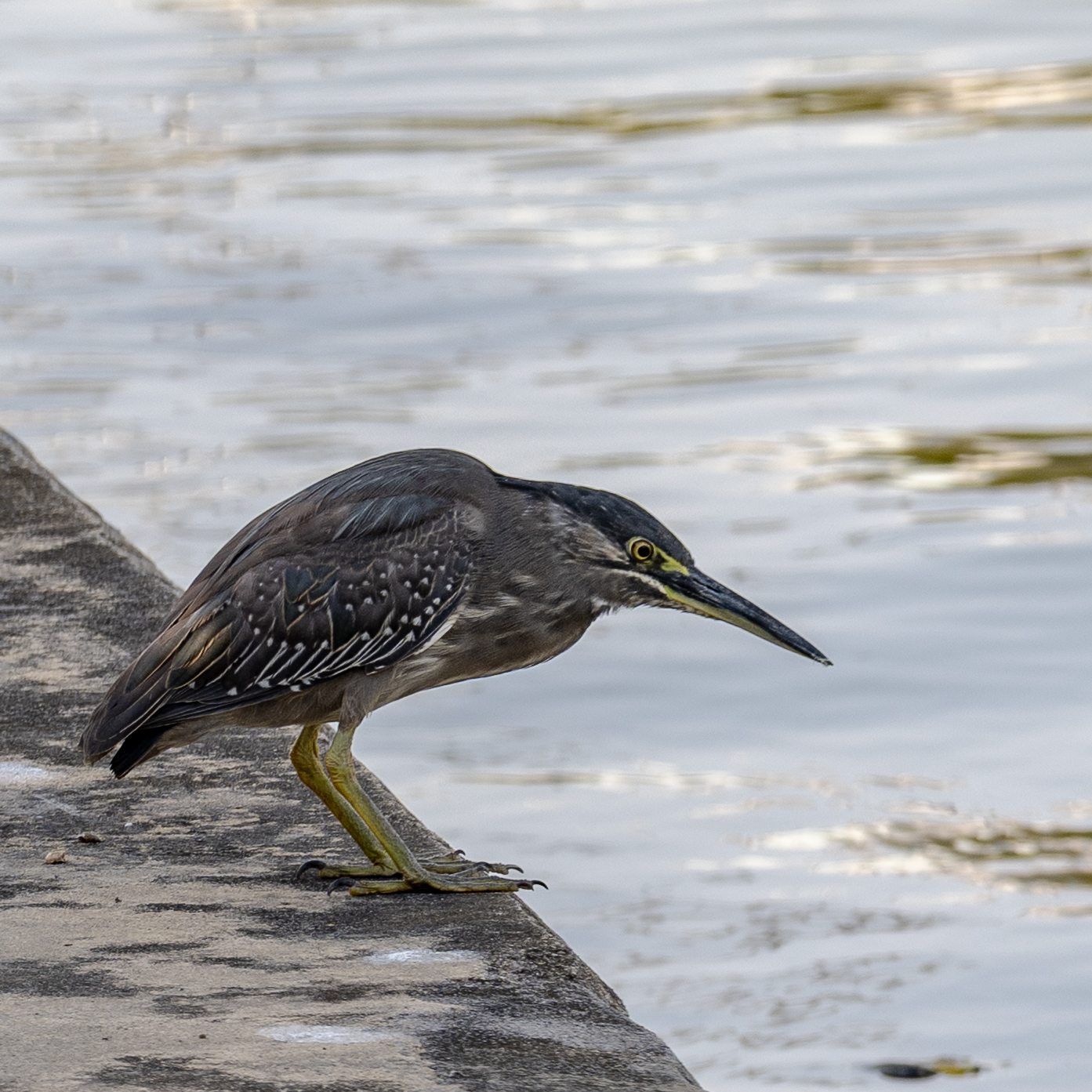
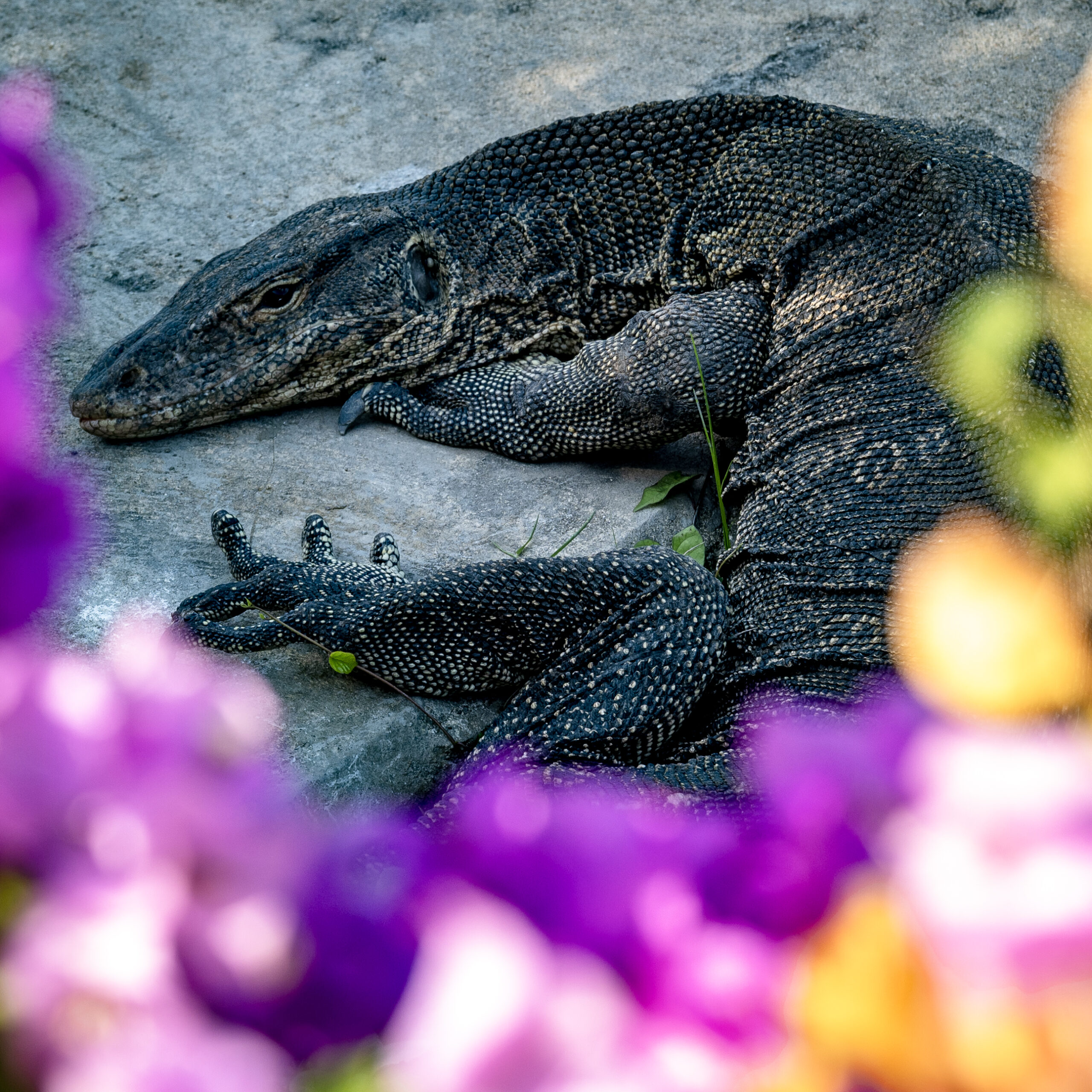
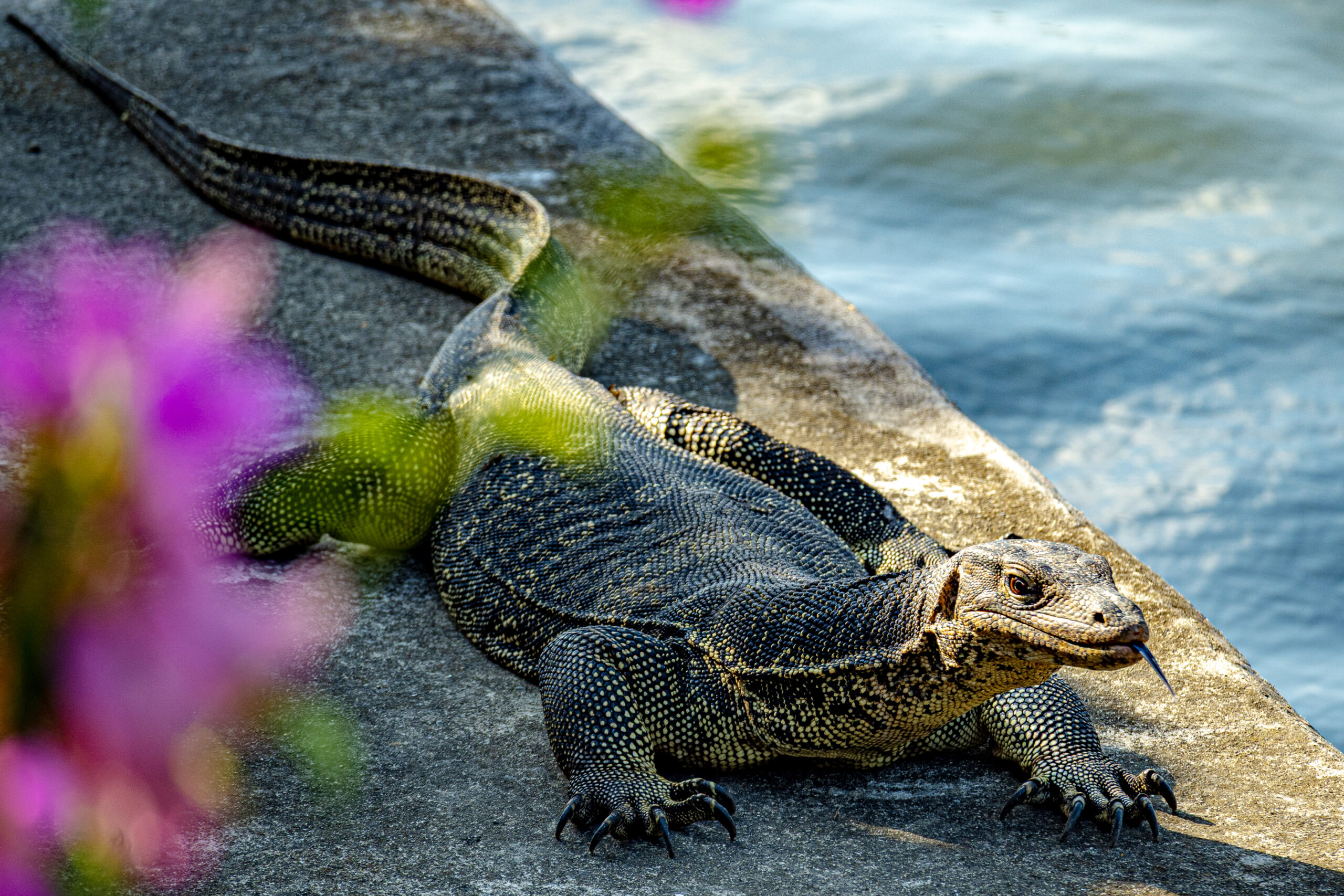
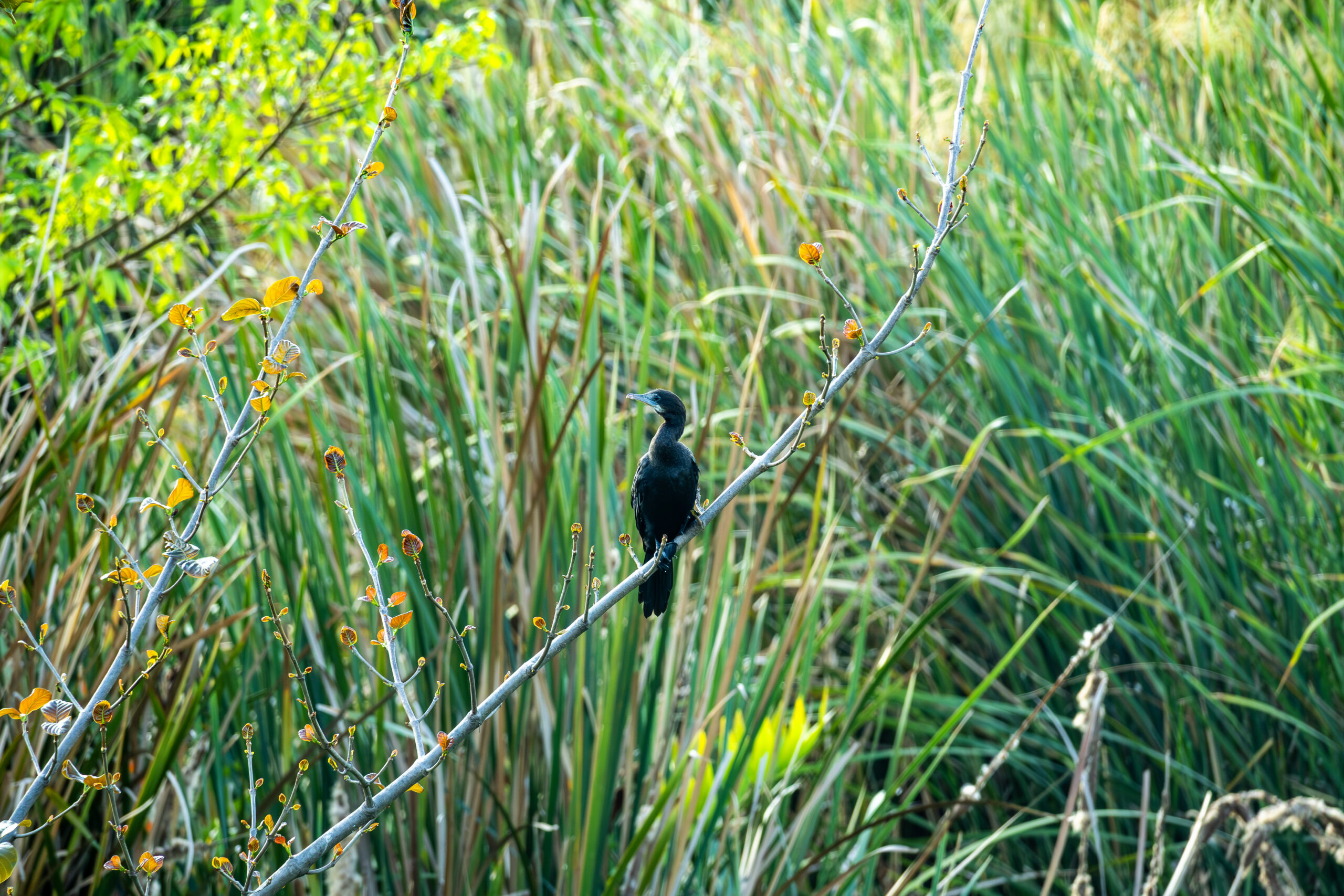
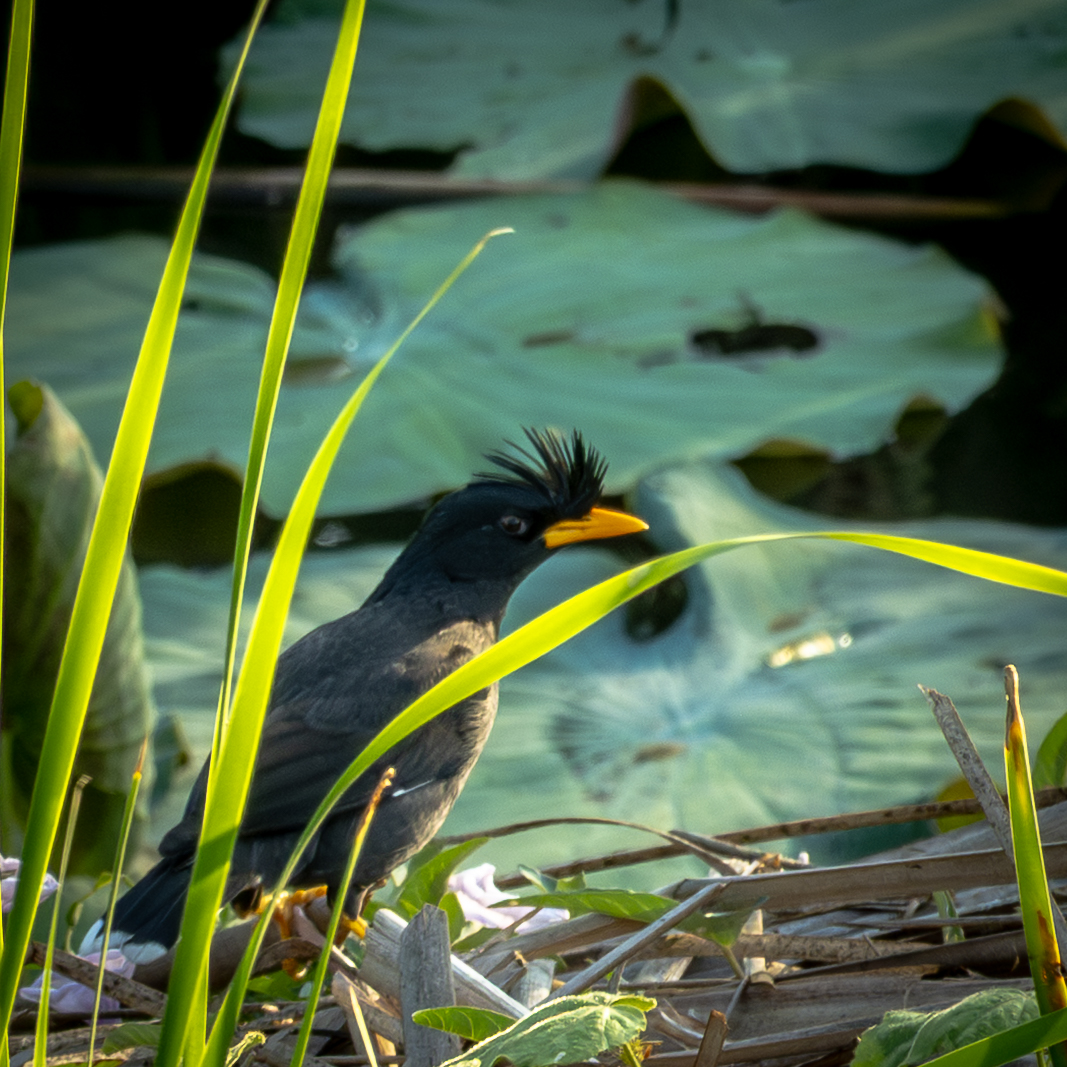
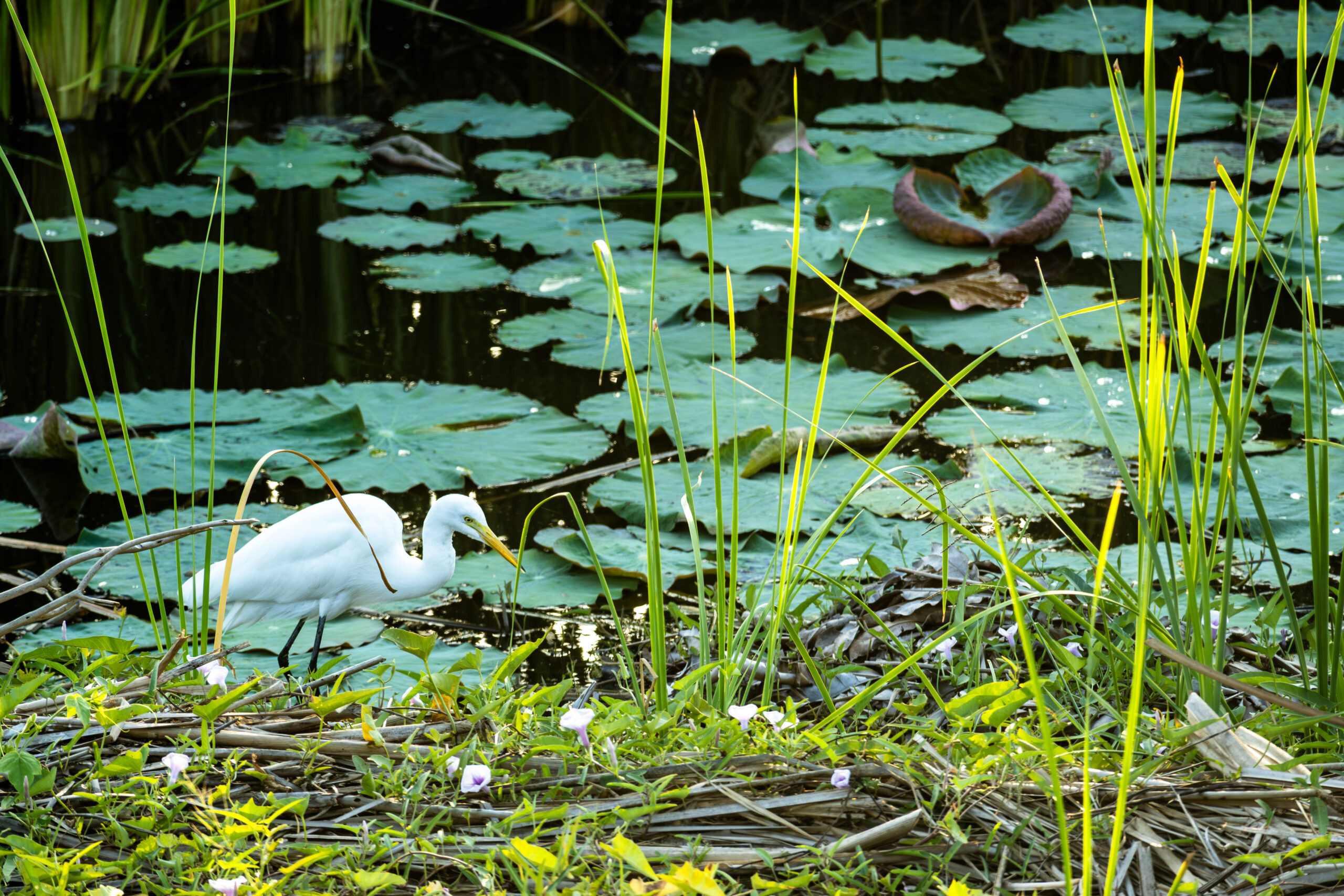
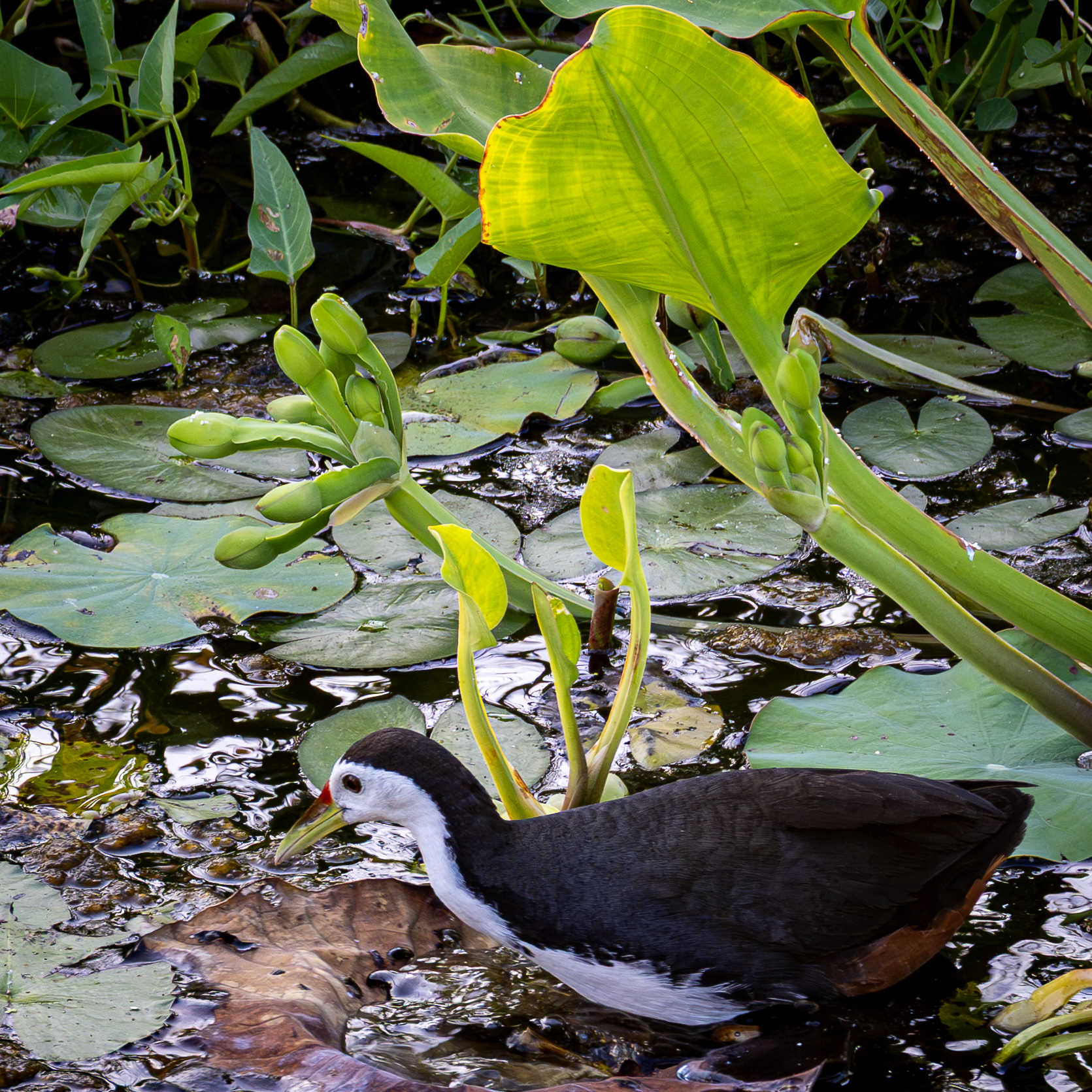
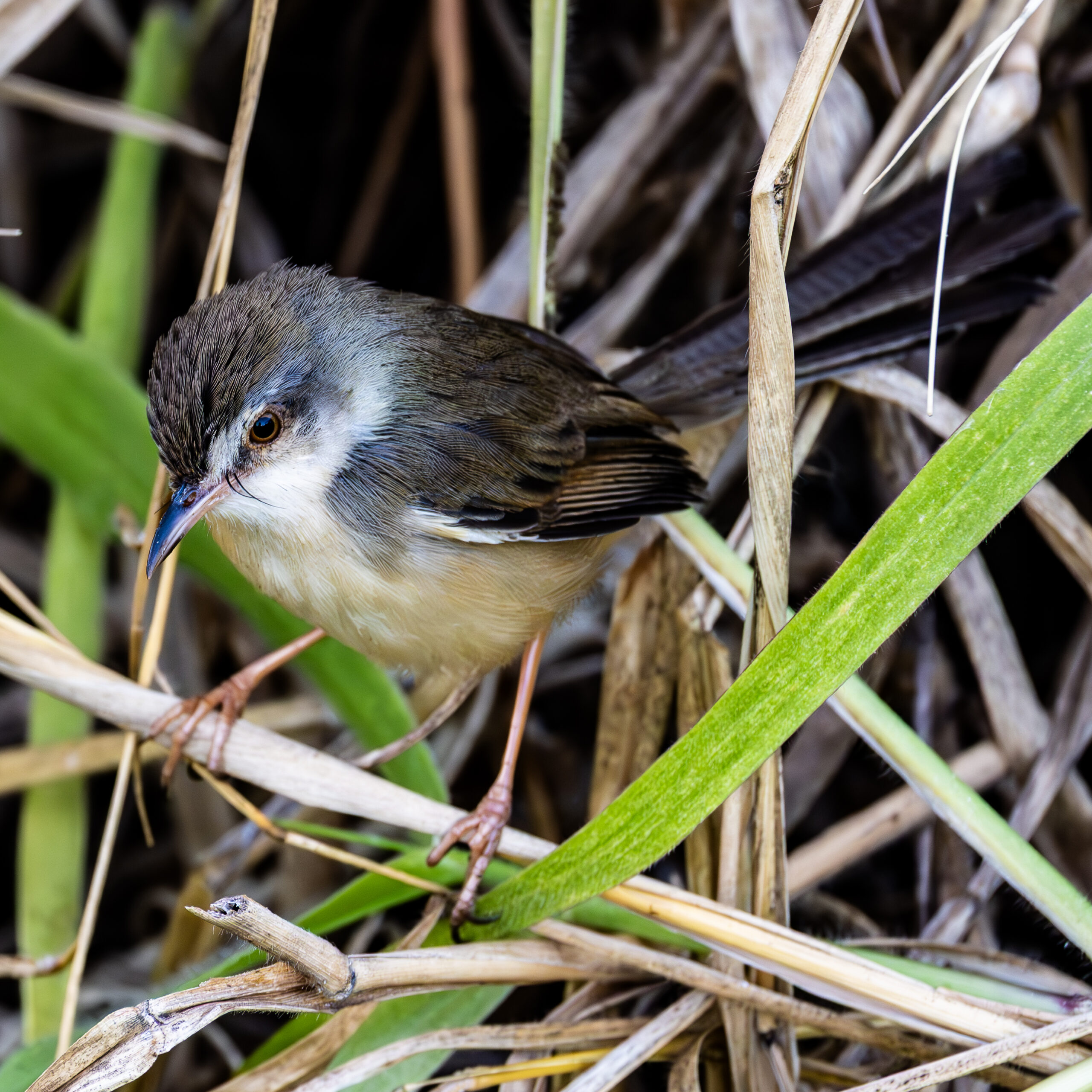
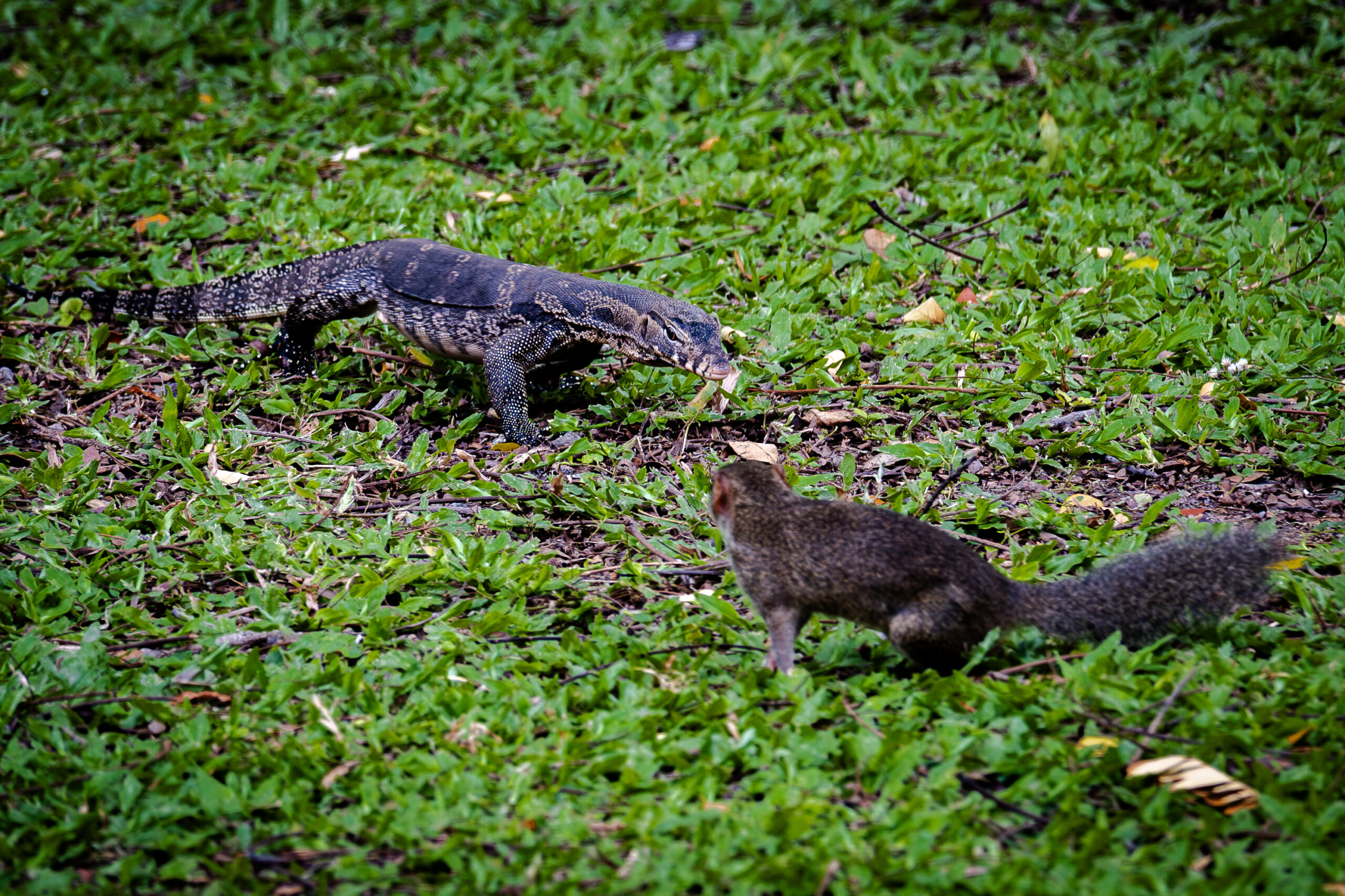
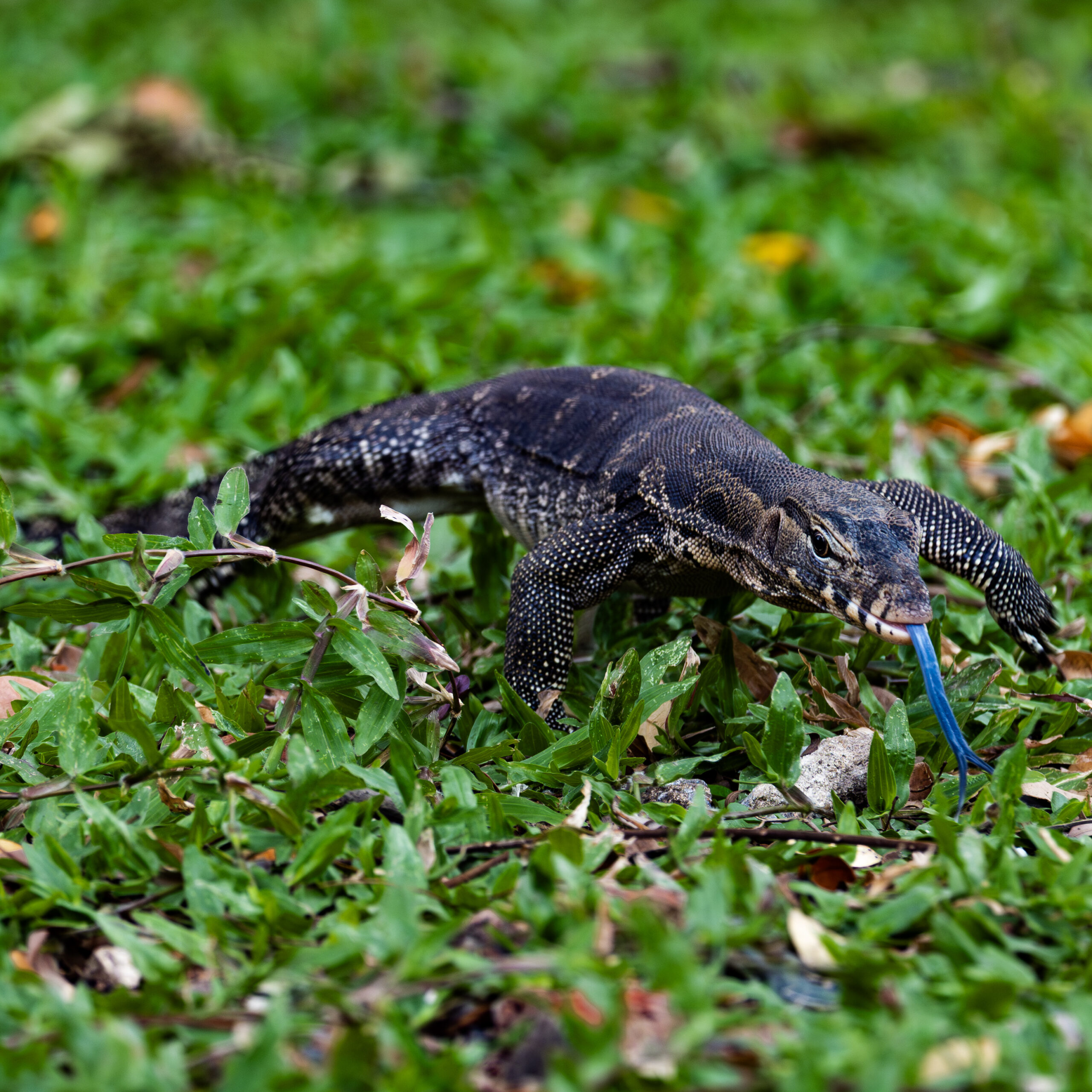
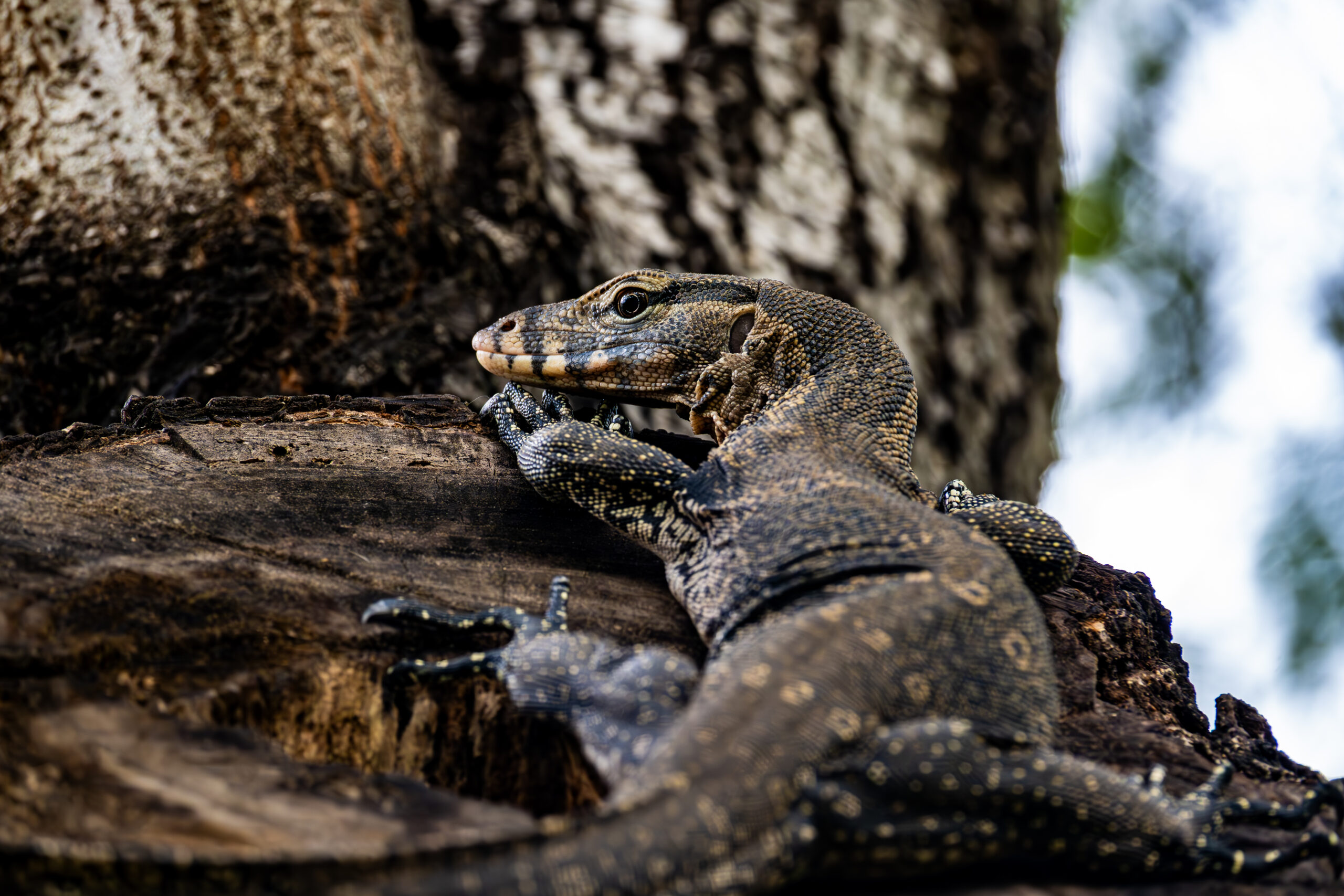
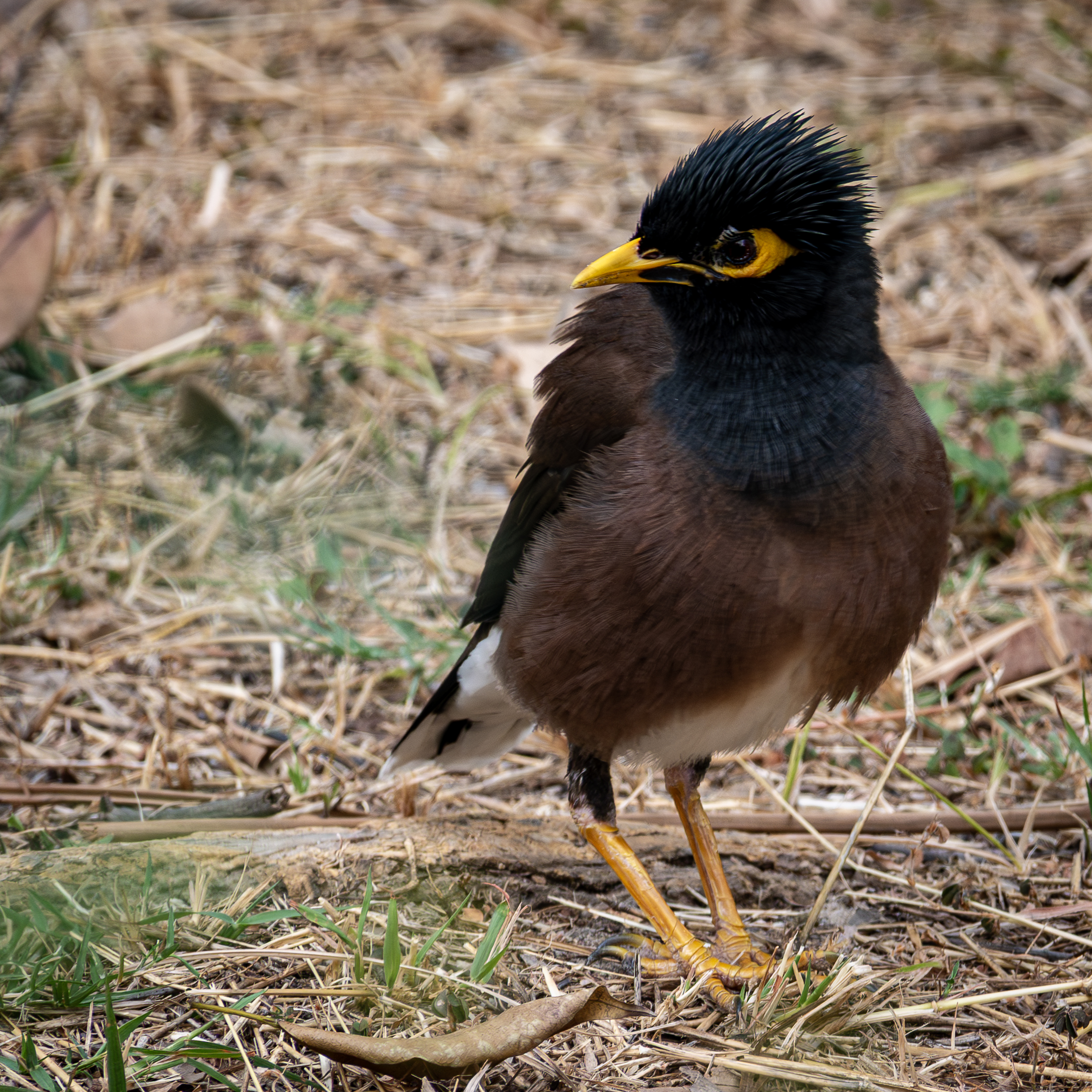
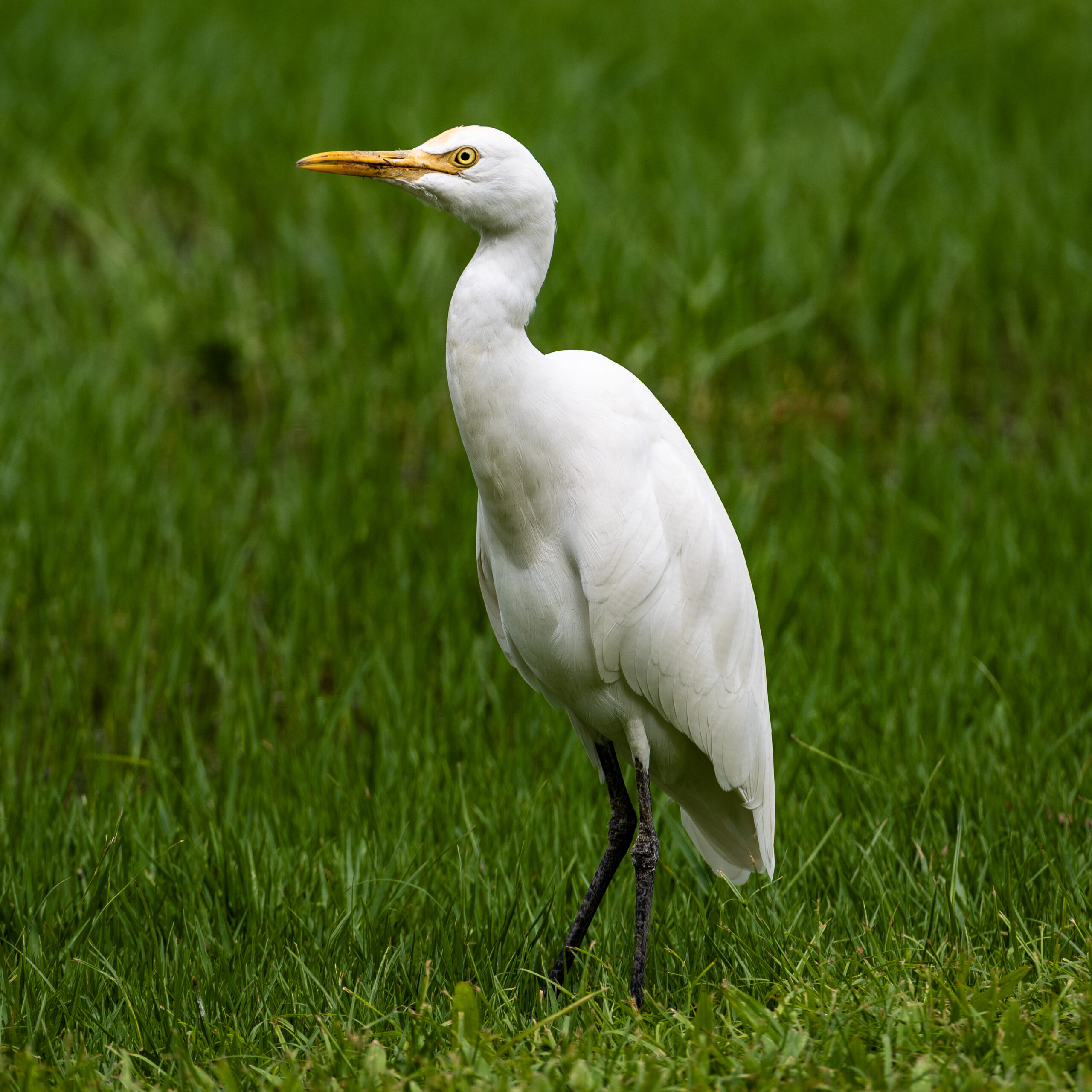
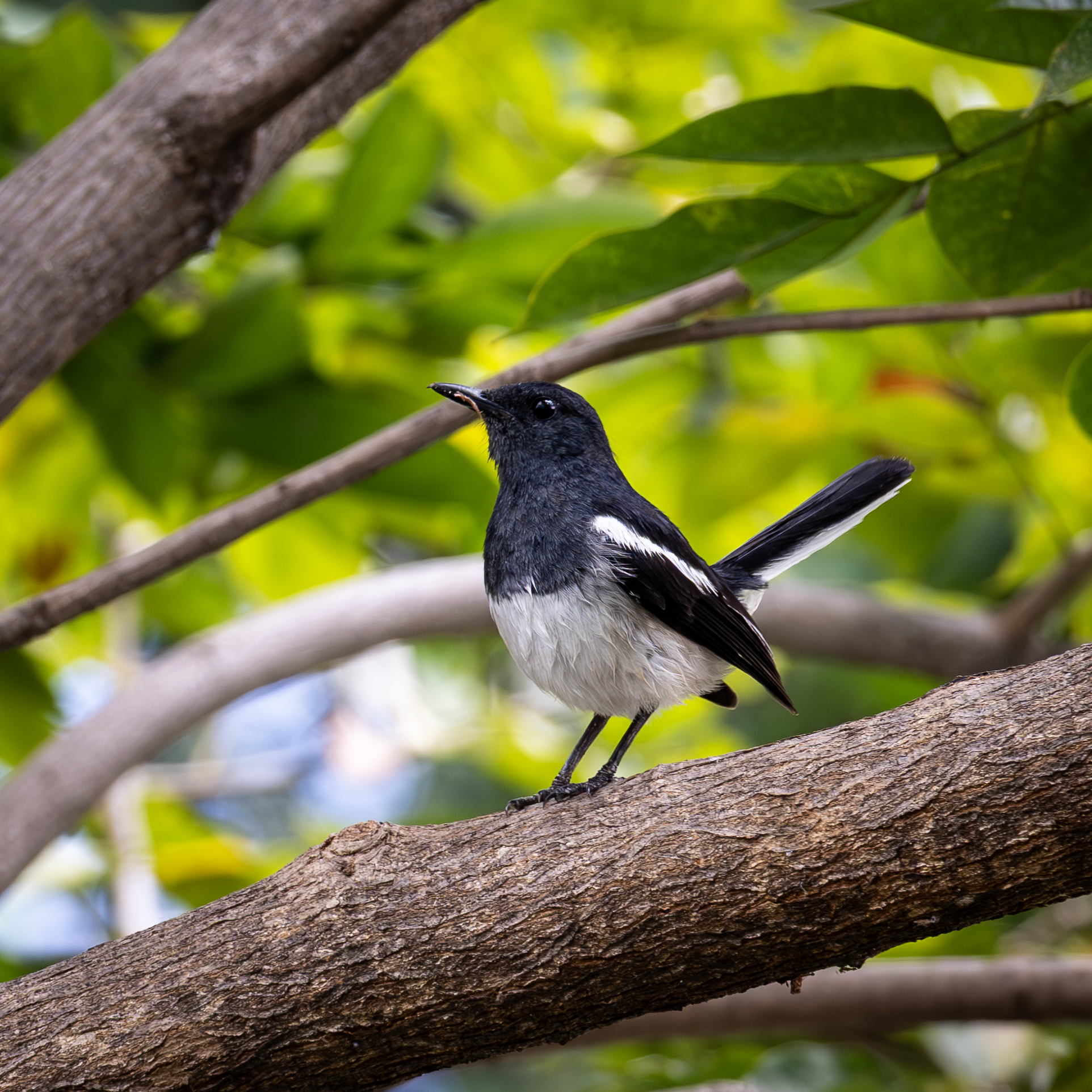
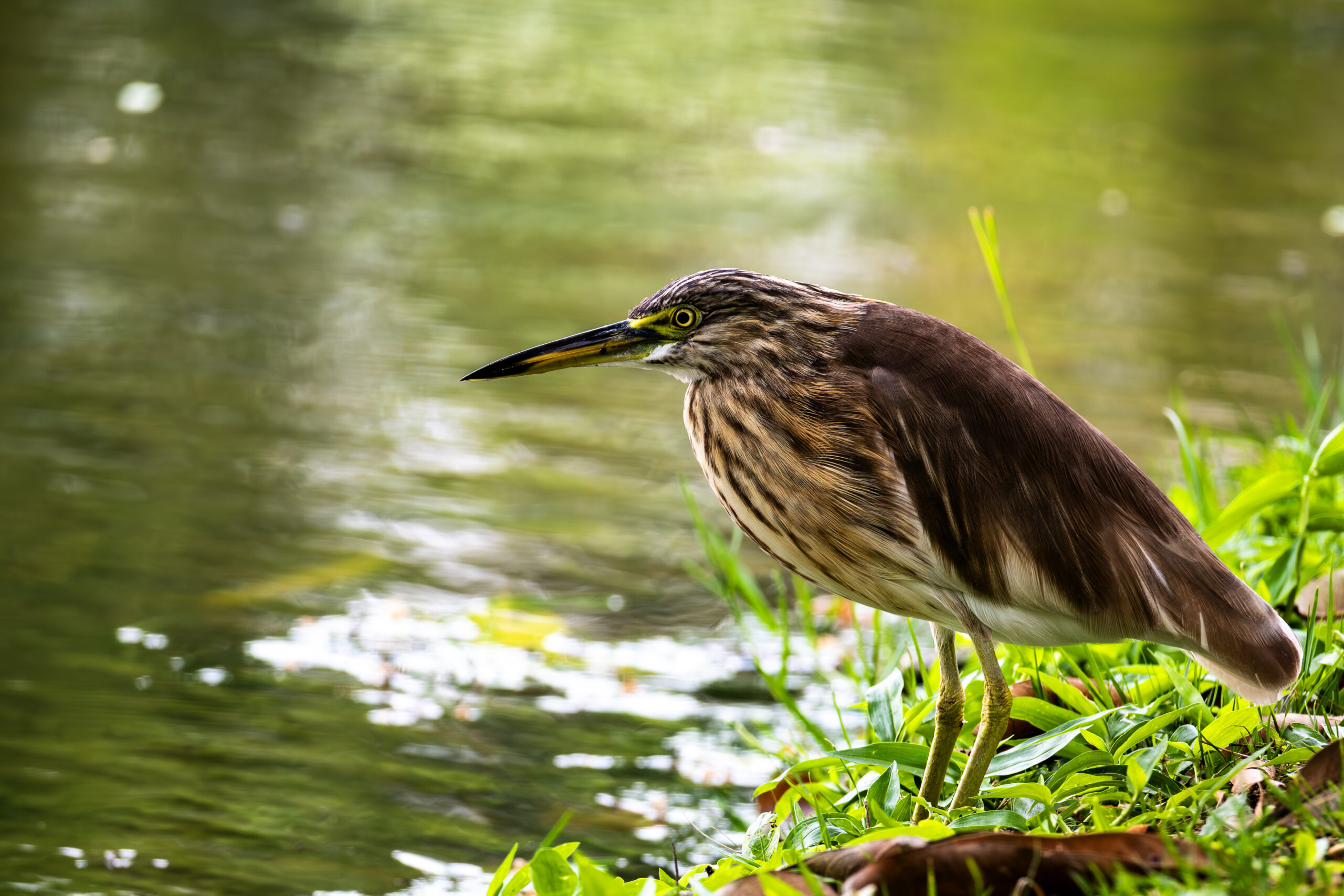
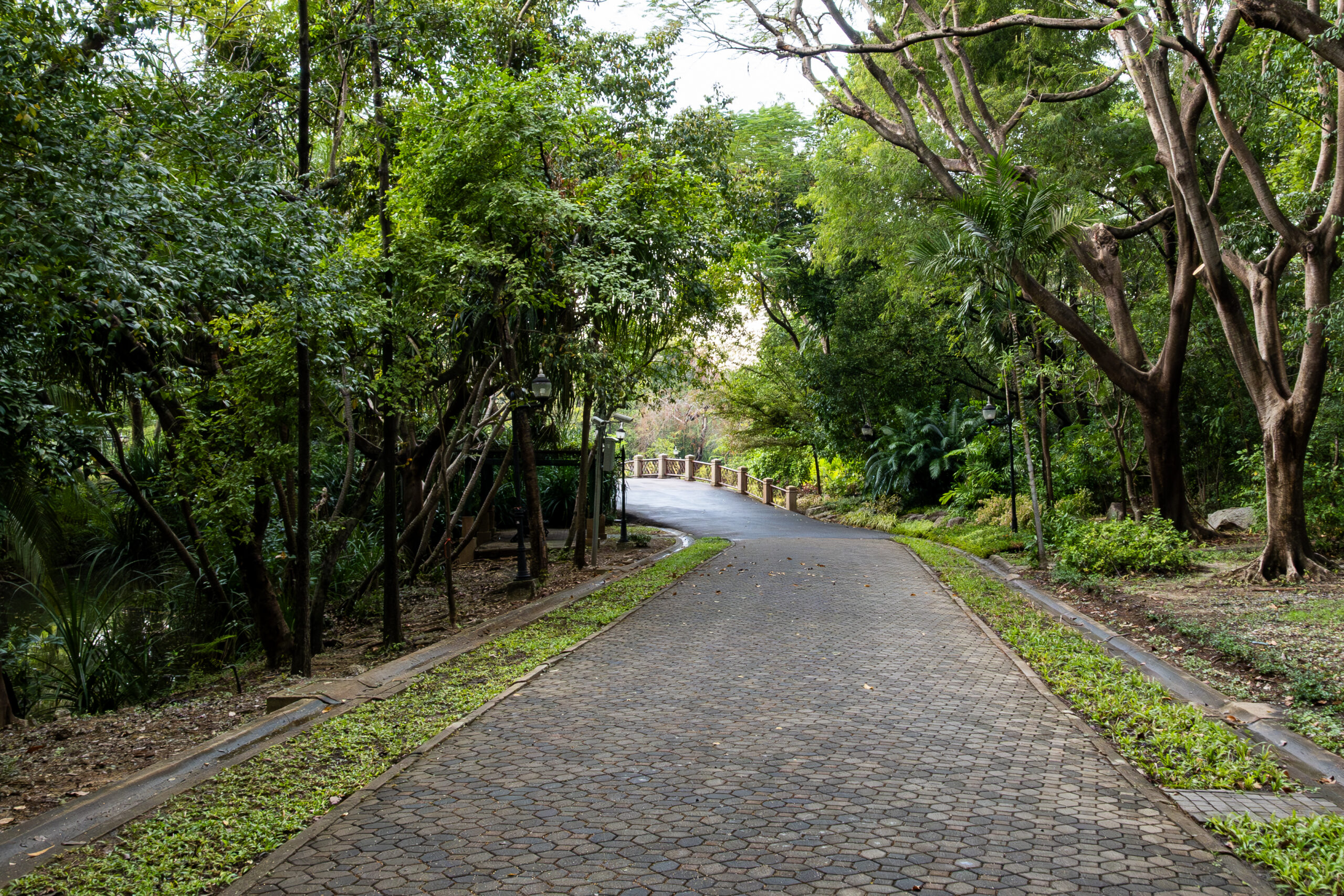
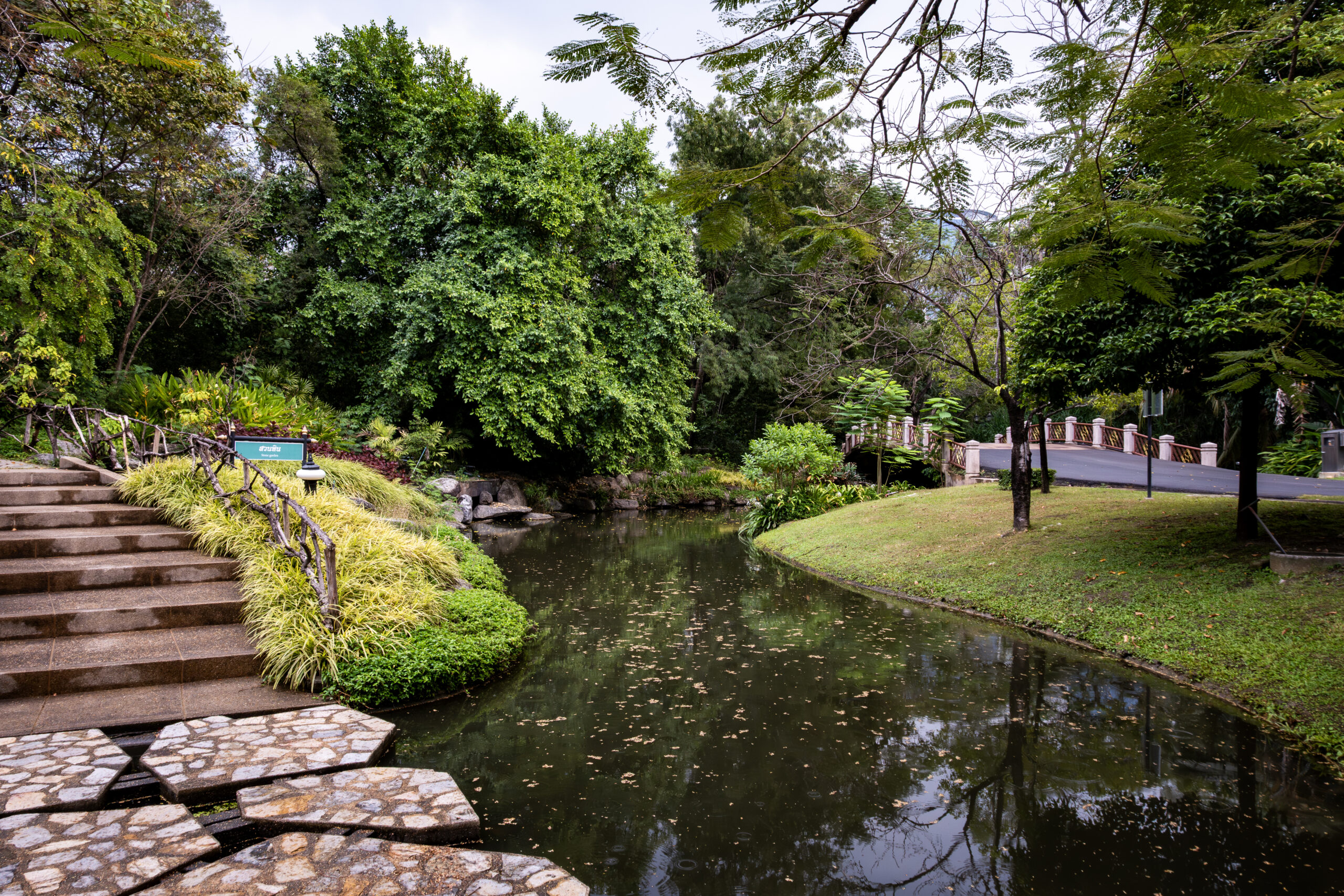
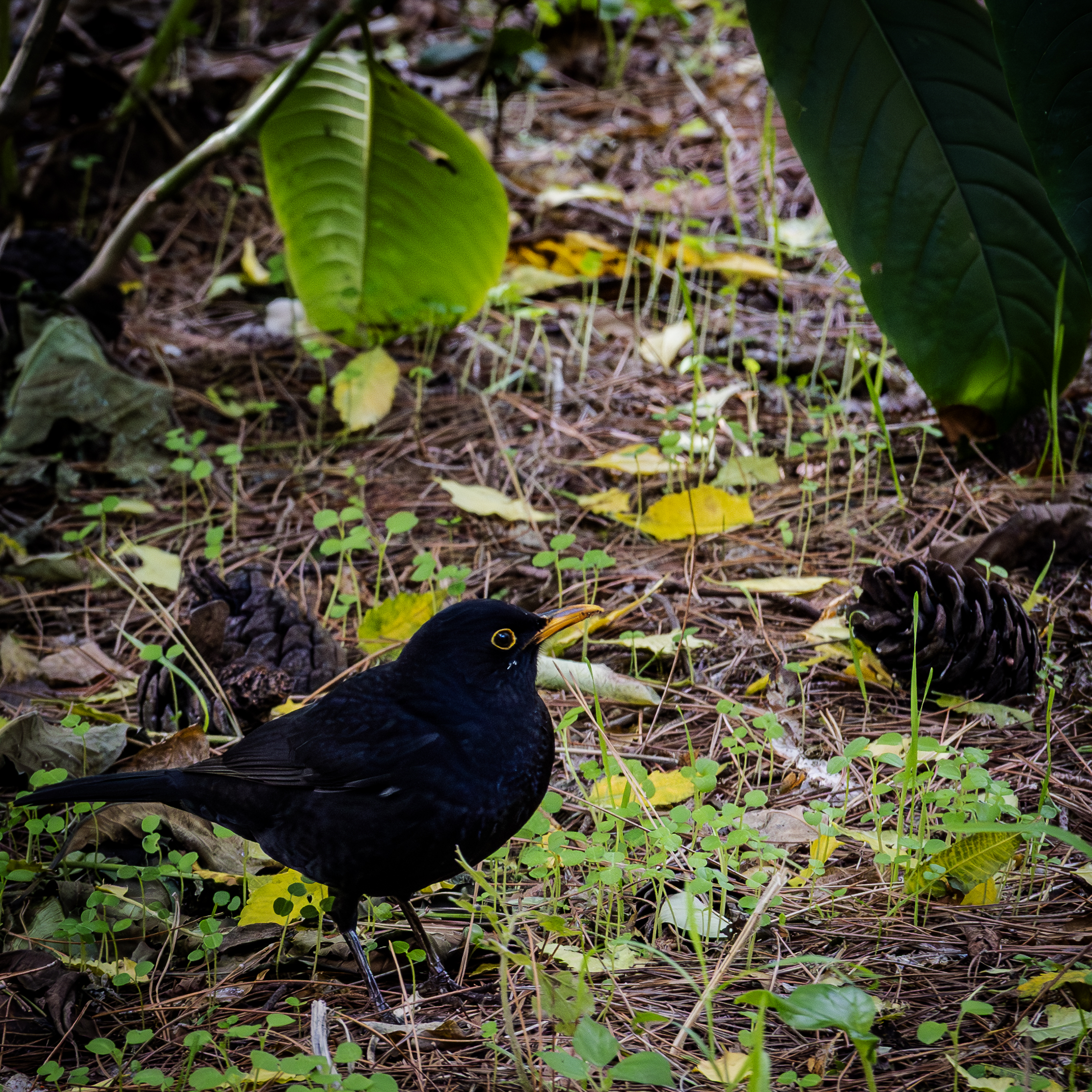
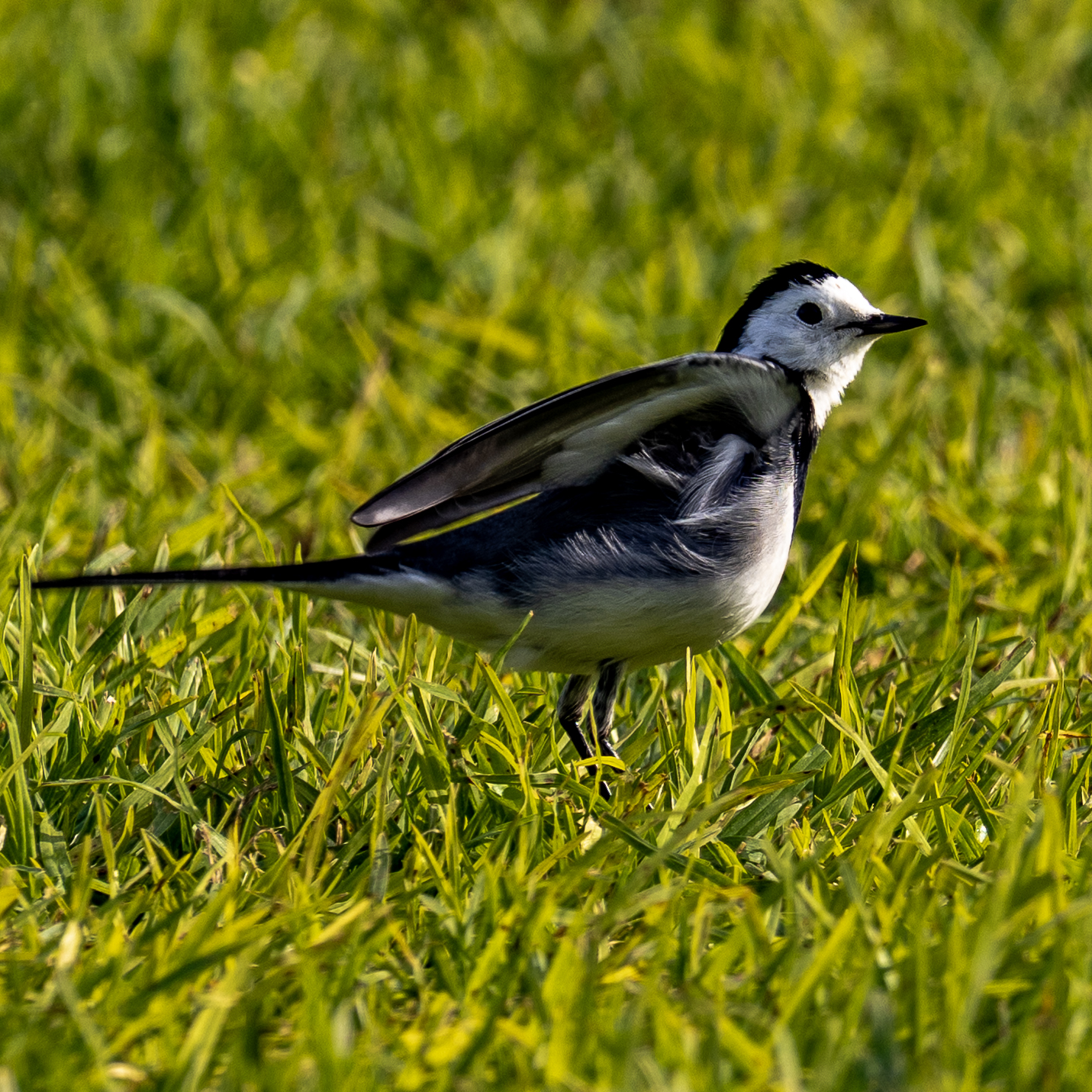
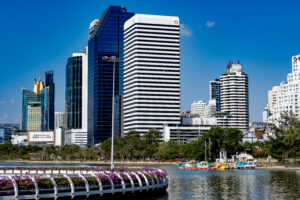
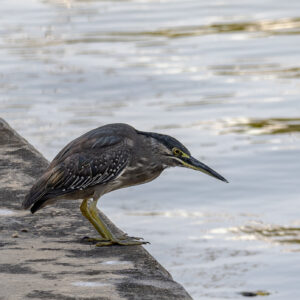
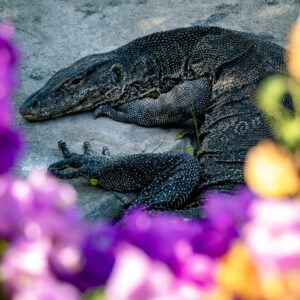
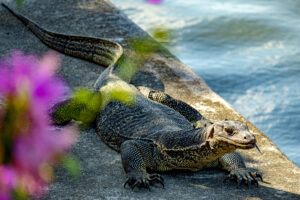
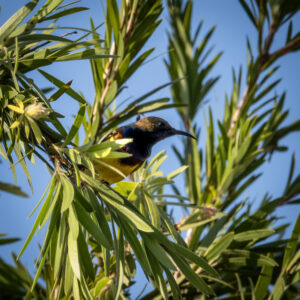
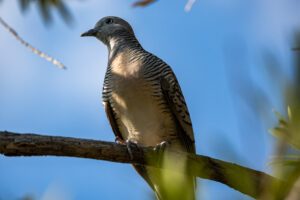
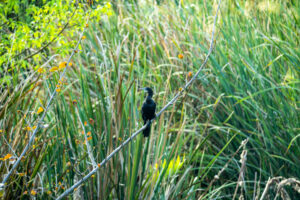
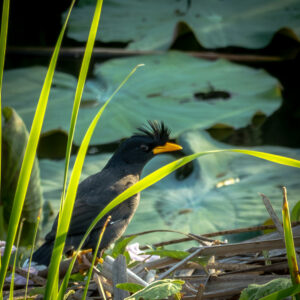
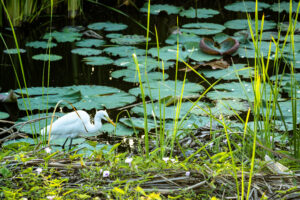
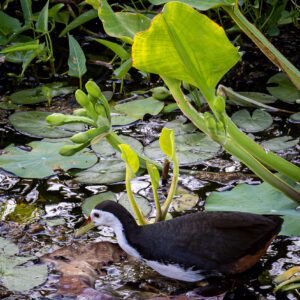
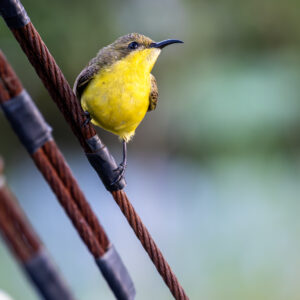
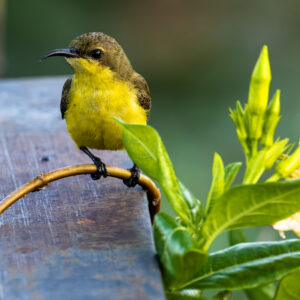
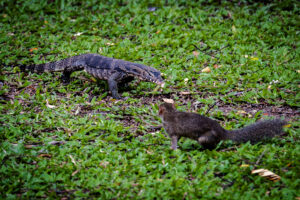
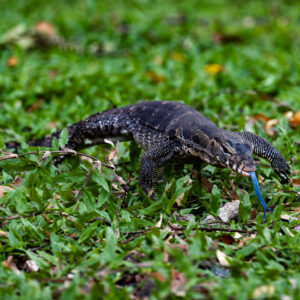
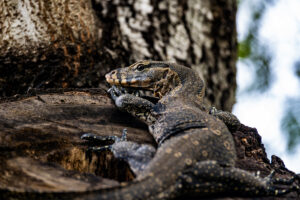
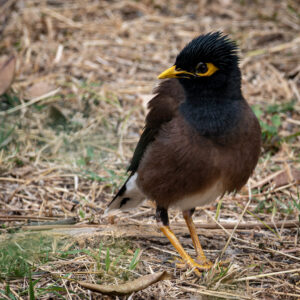
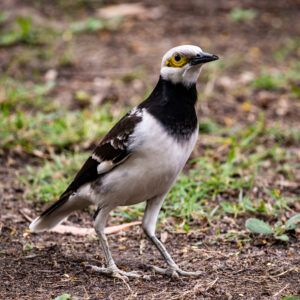
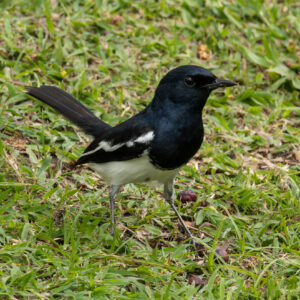
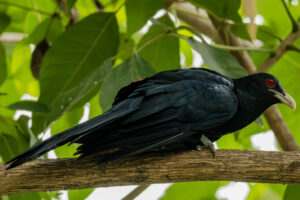
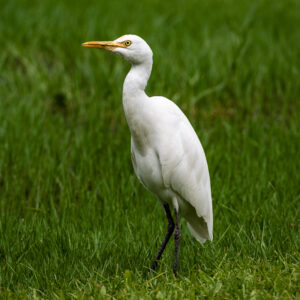
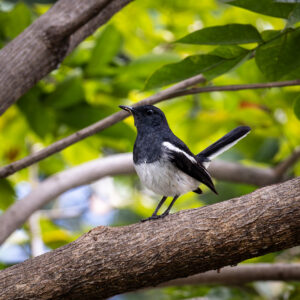
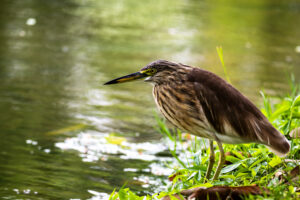
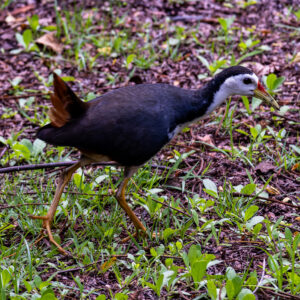
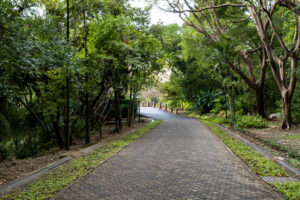
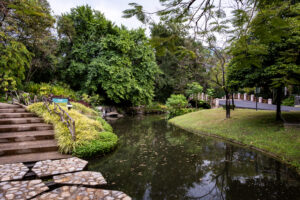
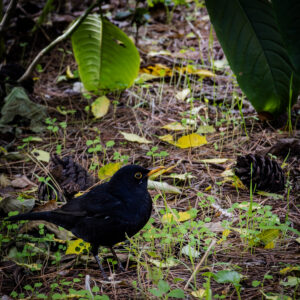
The same day, I made my way to ICONSIAM, a massive modern, luxury mall. This is most striking mall that I’ve ever been in. The entire bottom floor in an enormous food hall, offering every culinary option you could imagine, even featuring a floating market on an artificial river that runs through the hall. The upper floors are a more normal mall experience, with a ton of Western and Asian brands. But, the architecture of the building itself is incredible. The mall sits riverside, and the entire backside is a series of terraced balconies forming the shape of a lotus flowering, stretching out and blooming above the water. - For a city as large as it is, Bangkok has precious little parkland. Though, that which it has is put to pretty good use. I would visit Benchakitti and Queen Sirikit Parks during my stay. Benchakitti is a very large park featuring a man-made lake, gardens, and a wetland area with observation stands. The wetland area was of particular interest to me and I would spend a good couple of hours at different observation posts watching the variety of exotic birds that populated the park. Queen Sirikit is more of a forested area with a series of ponds and streams, along with a more manicured garden area. Here, I came across tree shrews, squirrels, tree and water monitors, and of course a ton more birds. Also at Queen Sirikit, I saw the only rain that I would experience while in Bangkok, and even that was only a light sprinkle that lasted all of fifteen minutes.
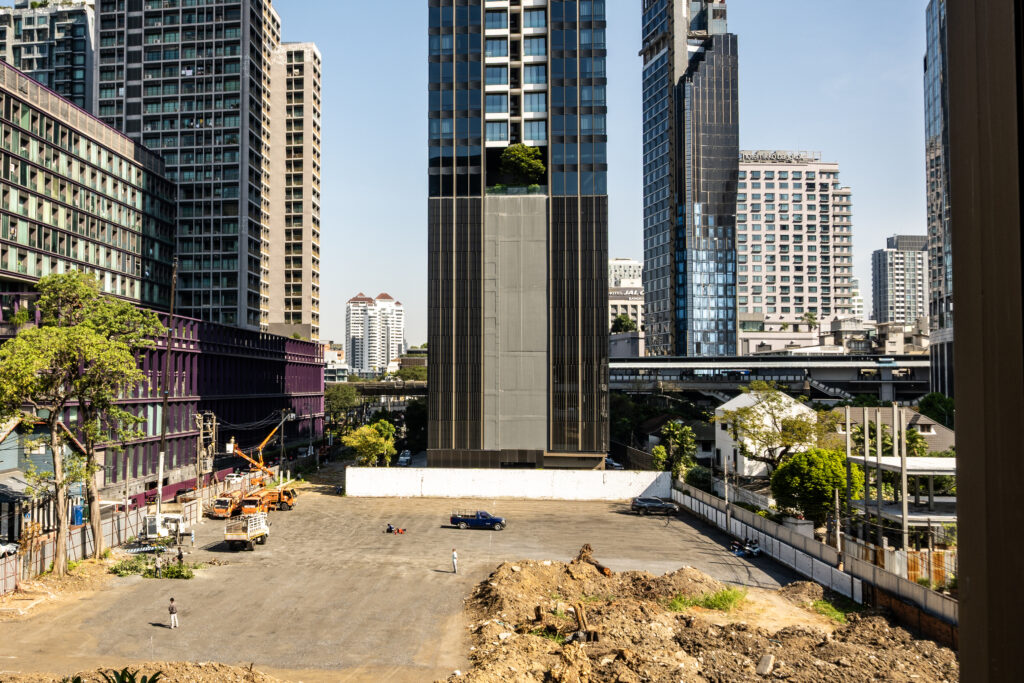
- I mentioned that when I arrived, I was happy to find that my apartment faced into an empty lot with a giant tree. As it turns out, I would only get to enjoy this for less than week. Timed almost perfectly with my arrival, the lot began to see development. It started with the removal of several smaller trees around the lot. For a little while, I thought my tree would be spared as it seemed like they were focusing mostly on the back of the lot, away from my window. But that only lasted so long, as one morning I watched as the tree cutters climbed into my tree to start removing the larger limbs. It would take them the better part of three or four days to take the tree down. For the remainder of my stay, I would watch the steady, if somewhat, slow process of turning that minor jungle into a gravel lot. Using just a couple of small diggers, the size that you can rent for working in your garden, a dump truck not much bigger than an F-350 and a like-sized steam roller, a small team of five or six people transformed my little paradise into something more appropriate for future development. The price of progress.
- All in all, my stay in Bangkok was the rest that I was looking for. A chance to settle in and have some consistency, while also have the convenience of having an entire new city to explore at my doorstep, when I felt up to it. The city itself was overwhelming in a lot of ways. It was loud and chaotic, polluted and smelly, hot and humid. But it was also beautiful and alive, home to very kind and gracious people. I regret seeing as little of it as I did, that wasn’t initially the plan. But, I suppose I took the rest that I needed in that moment, and I don’t regret that. It was a good prelude to the adventure that was to come as I joined the biking tour that would take me from Bangkok to Ho Chi Min City in Vietnam.





-
Athens.
Dec. 15 – 22, 2025
Myths and Mountains
I left Thessaloniki for Athens early in the morning by train. The ride would be five hours long and would carry me the length of Greece. I was looking forward to watching the rocky, mountainous landscape unfurl before me. Greece was and is a place of particular fascination for me. I was obsessed with Greek mythology as a child, swept away by the stories of heroes and monsters, gods and chimeric creatures. A world neatly divided and controlled by beings of great power, each with their own domains and responsibilities. As I grew older, I learned of Greece, and Athens in particular, as the birthplace of Western Civilization. The home of the great philosophers, Socrates, Plato, Aristotle, Democritus, and my personal favorite, Diogenes, the cynic who lived in a barrel. The backdrop of the great dramas of Euripides, Sophocles and Homer.
Early along the route to Athens, the train would run parallel to the mighty Olympus, home of the gods of the Greek Pantheon. I had opted not to make a day trip to the massive mountain during my stay in Thessaloniki, settling for a view from the train window. However, I didn’t take into account that the early morning departure would leave the first hour of the journey in darkness. And as luck would have it, it was a foggy morning which would have obscured the view even if there was light to see. So, for now, the throne of Zeus continues to live in my imagination high in clouds where mortals cannot see. As my consolation prize, the ancient city of Athens awaited me.Adventuring in Athens
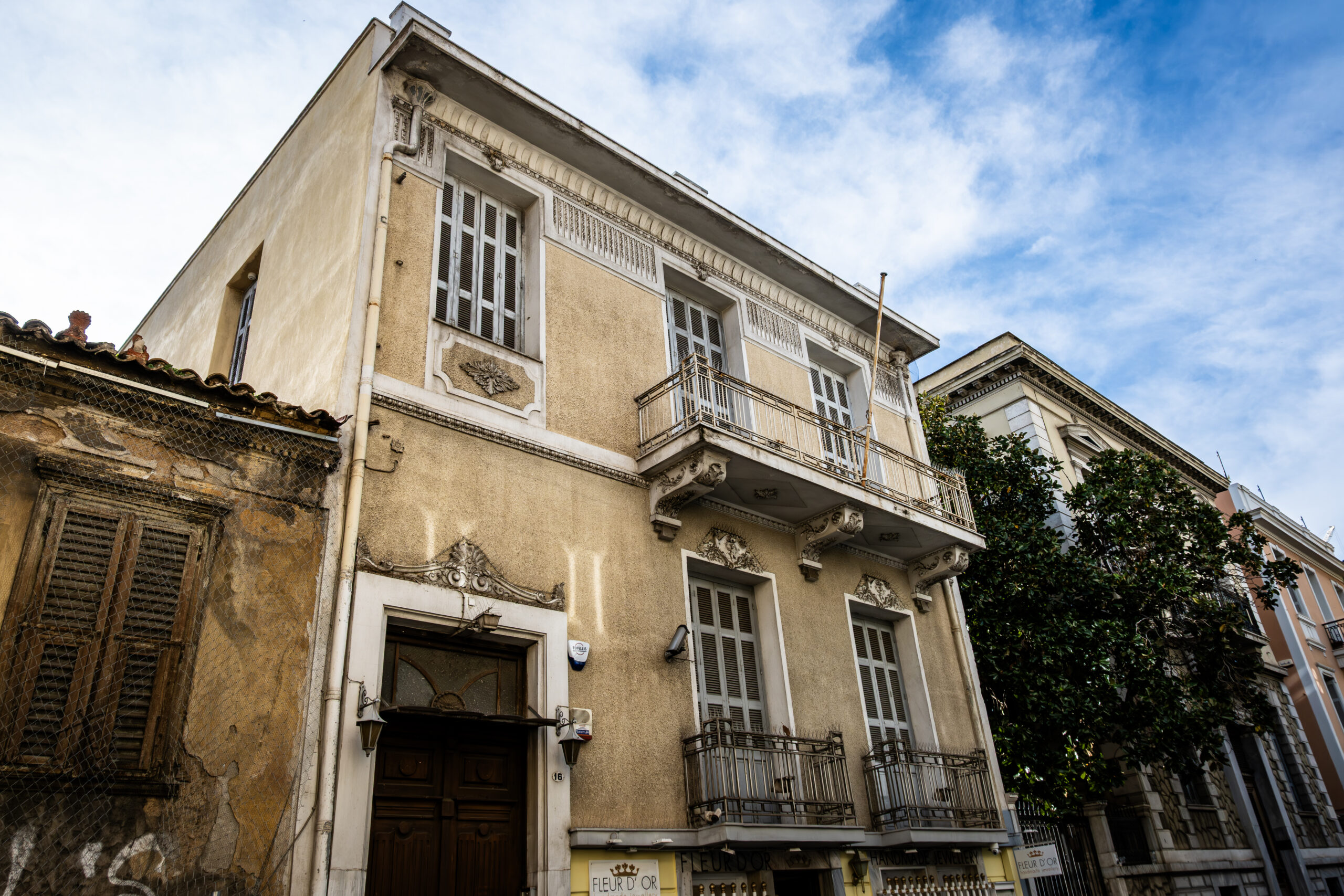
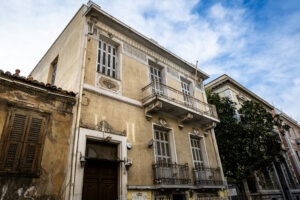
- I made my arrival in Athens at the city’s main station, which is a fairly diminutive affair compared to some of the grand stations that I’d witnessed in more northern parts of Europe. For reasons that are a mystery to me now, I chose to hoof my way to my hostel a kilometer and a half away, rather than taking the metro that would have carried me there in mere minutes. It was an enlightening experience, foreshadowing much of what I would see throughout Athens. The streets are chaotic, Greek drivers are aggressive and pedestrians have no rights in their eyes. And when faced with a multi-ton vehicle bearing down on me at rapid speeds, I could only agree. But, a walker must not be meek either, not when the only way to cross a street is with confidence and cunning awareness. The streets themselves are tight-webbed grid, densely packed with mid-rise apartment buildings, each balcony sporting an angled sun-shade, protecting from the midday sun even in mid-December. The temperatures here rose another 10 degrees from Thessaloniki, sitting at a balmy 20 degrees in the height of the afternoon. I worked up a solid sweat by the time I arrived at the Hawks Urban Hostel.
- As a special treat to myself, helped by the fact that prices dropped precipitously as the holidays approached, I booked a private room at the hostel. I literally jumped with joy when I entered the room and saw the amenities offered. Despite being relatively spare, I was overjoyed with the prospect of having my own mini-fridge, a desk, a window with a view and, of course, the privacy of a room to myself, even if I did have to share a bathroom with one other room. After six weeks of shared hostel accommodations, I was now living in real luxury. In fact, though I didn’t realize it at the time, I wouldn’t be sharing a room with anyone else until mid-February.
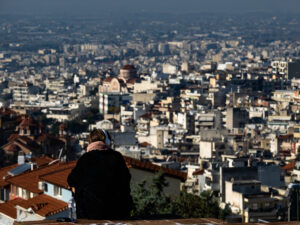
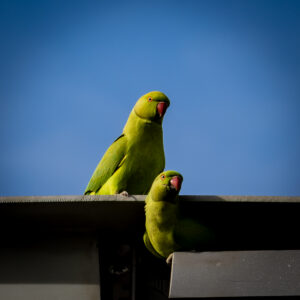
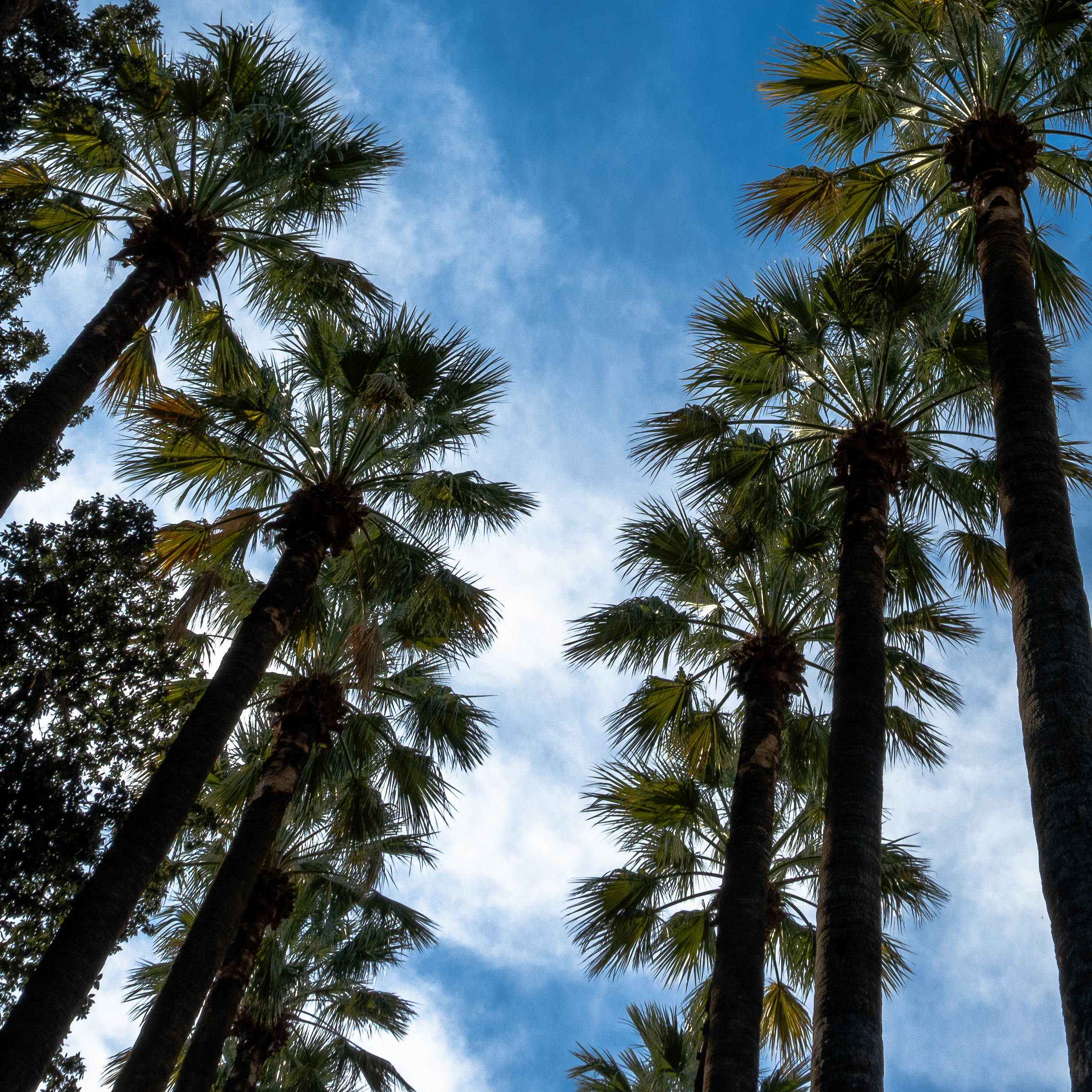
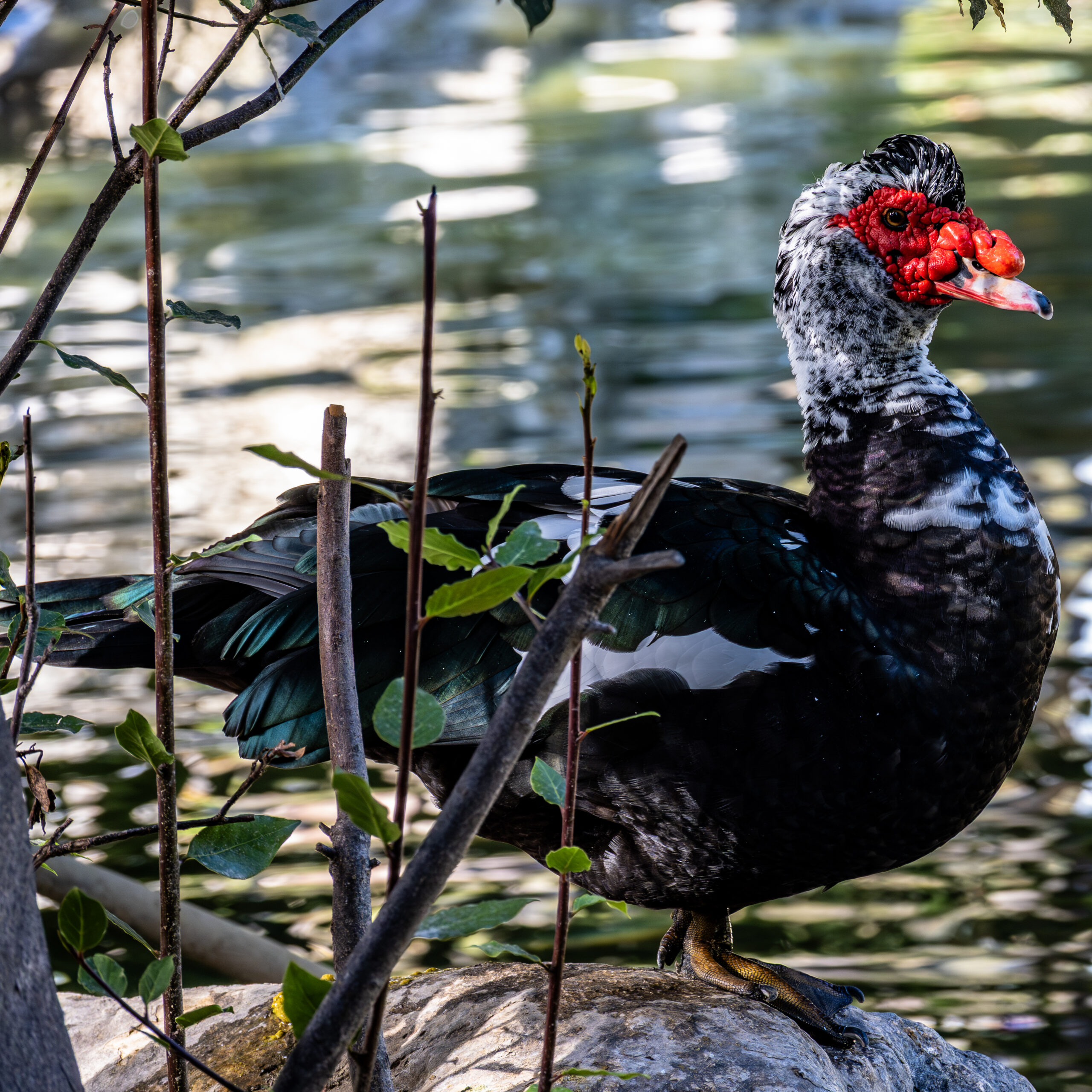
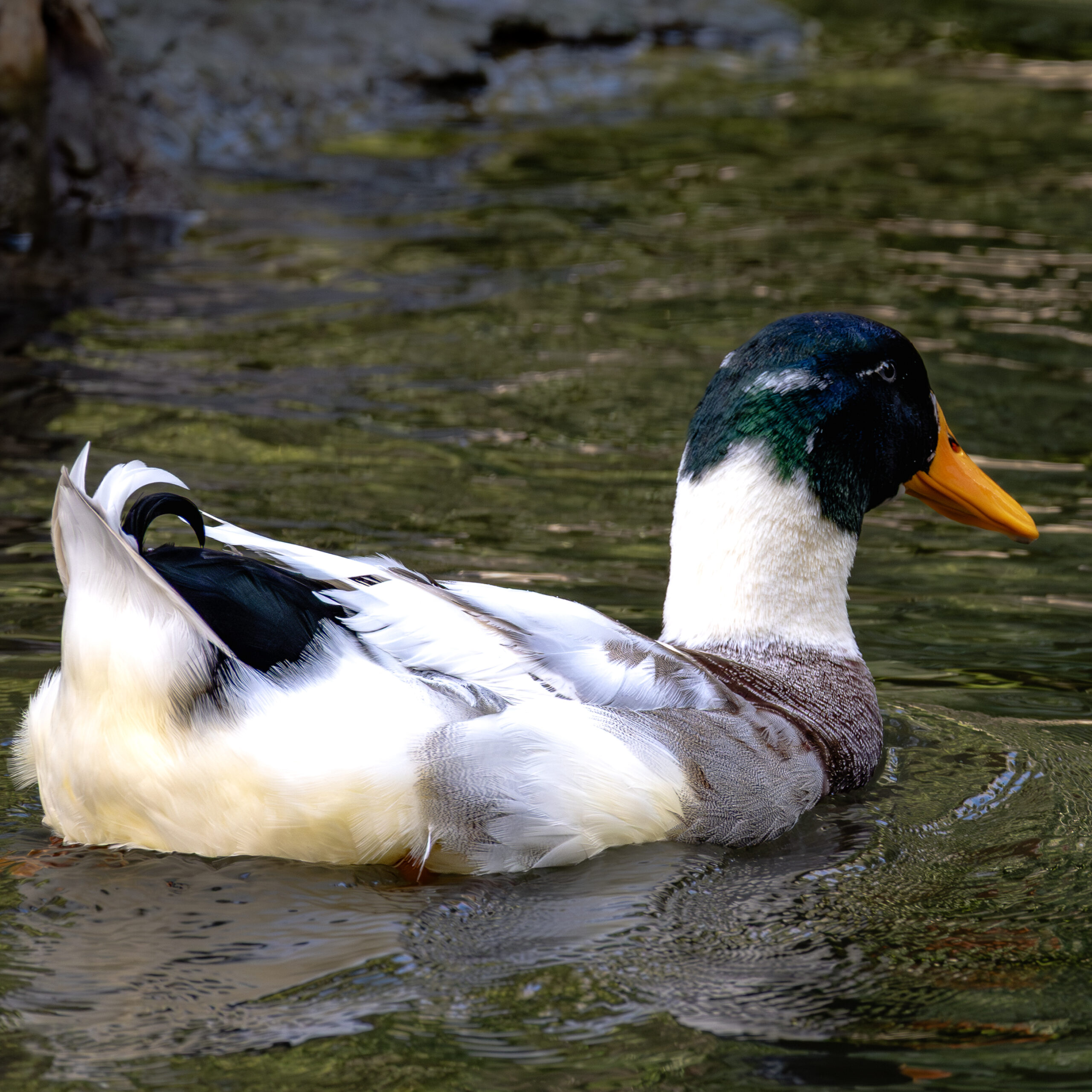
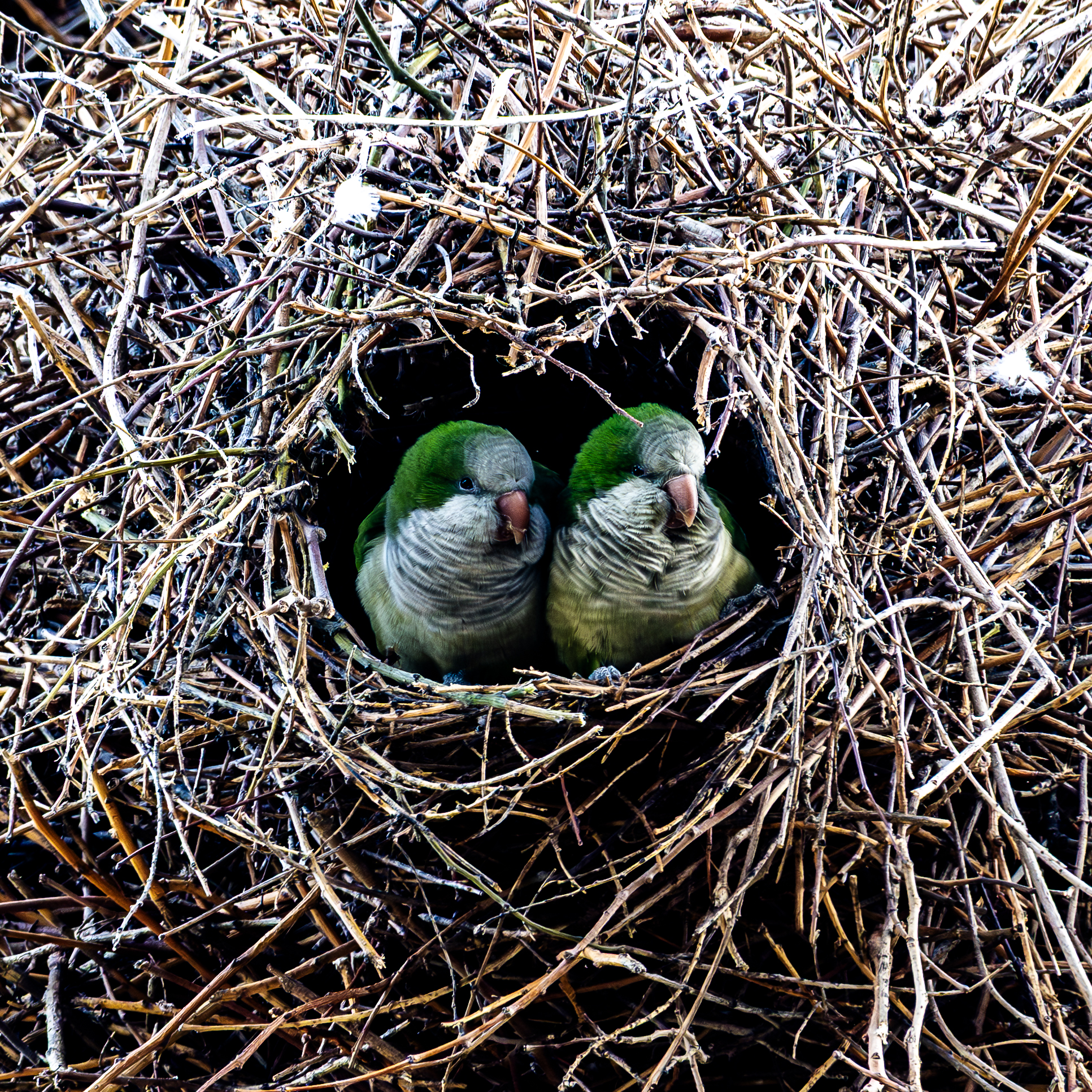
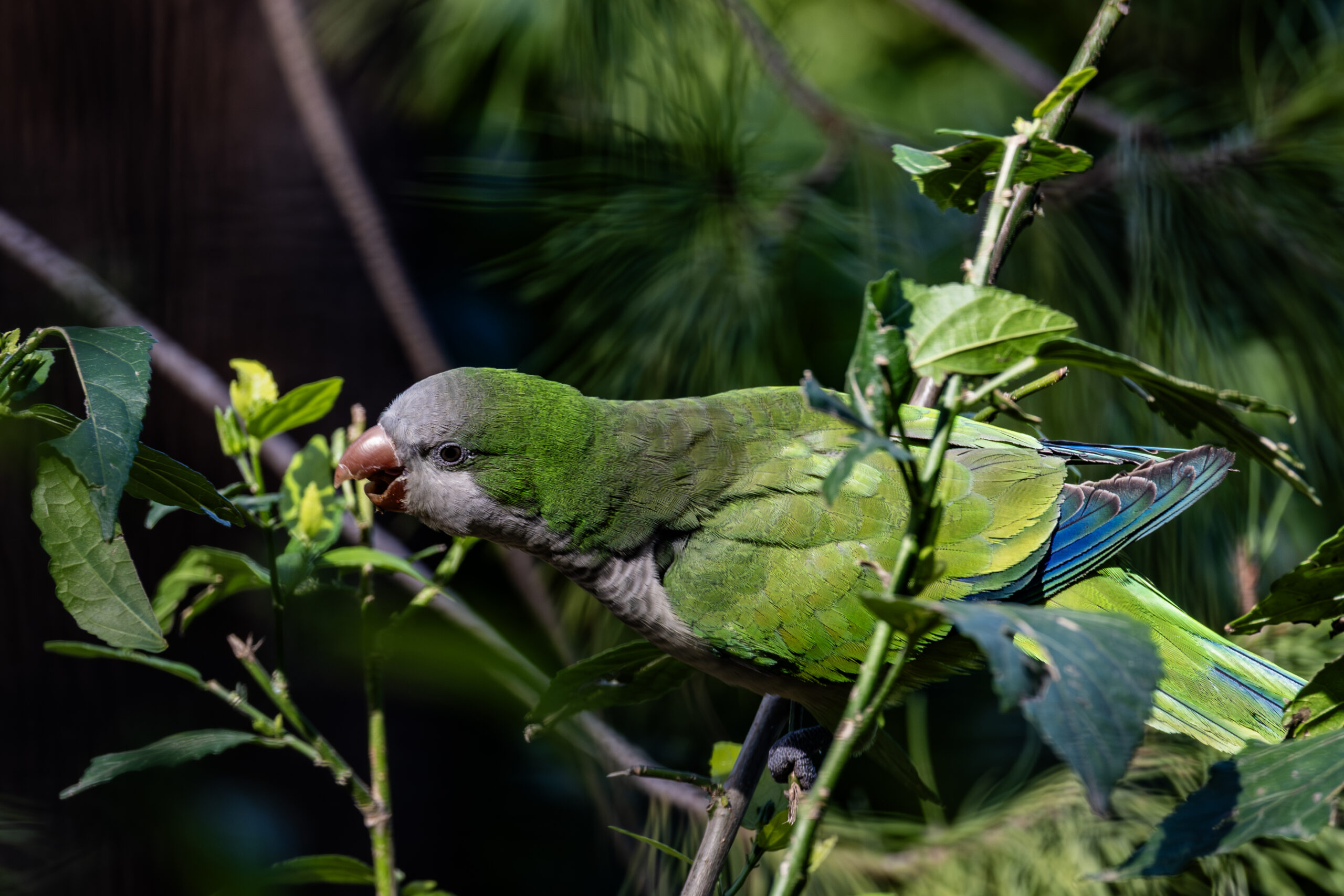
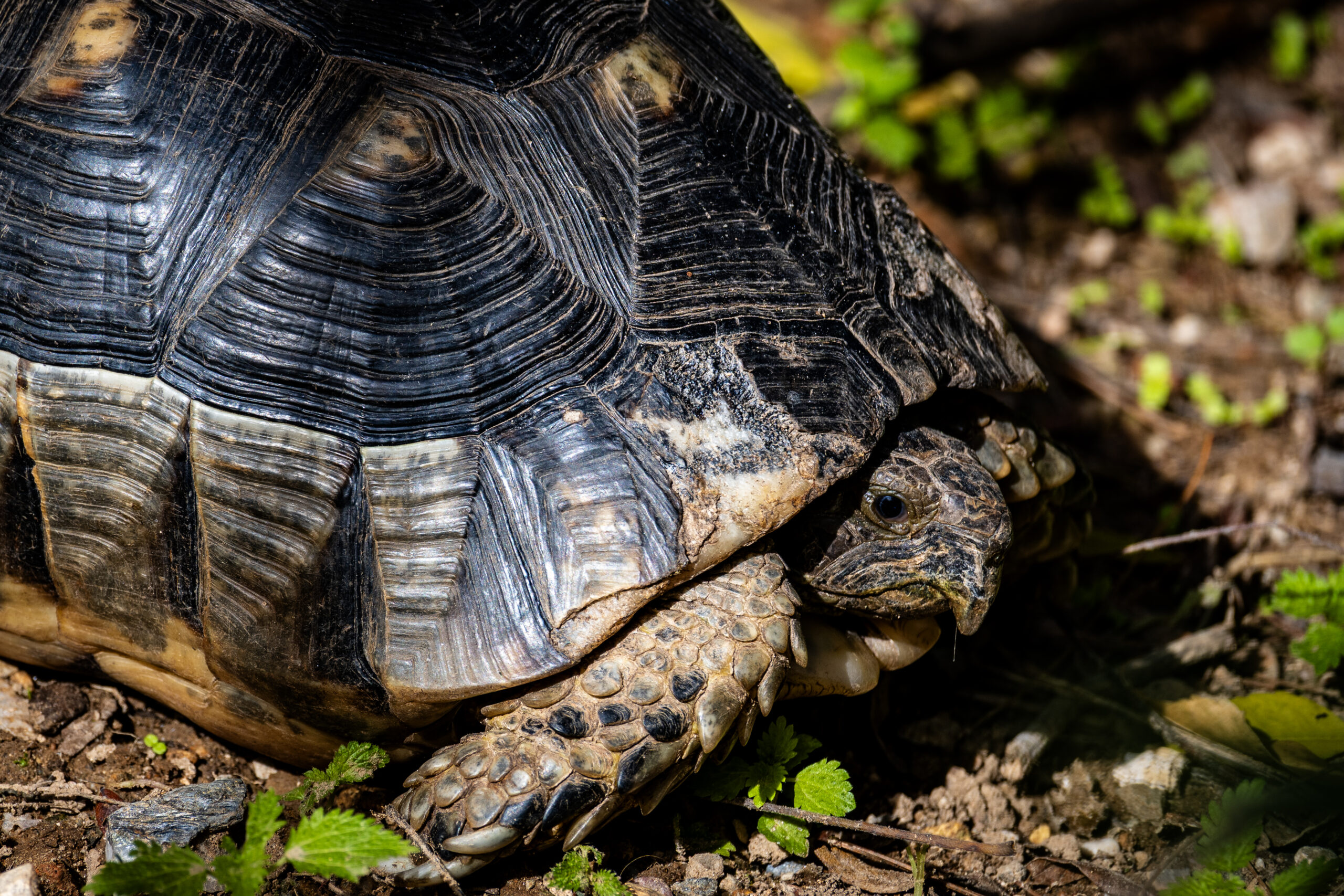
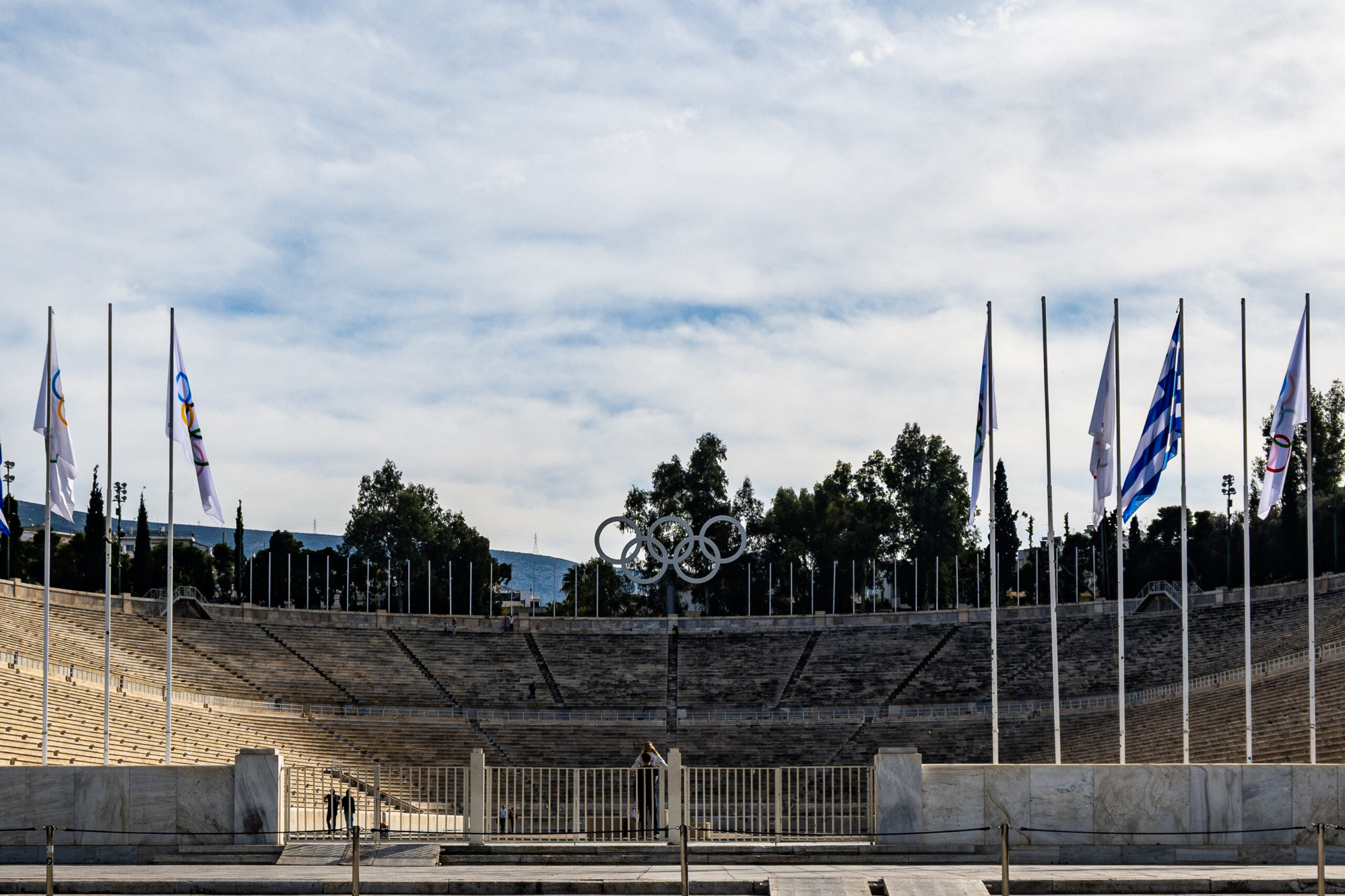
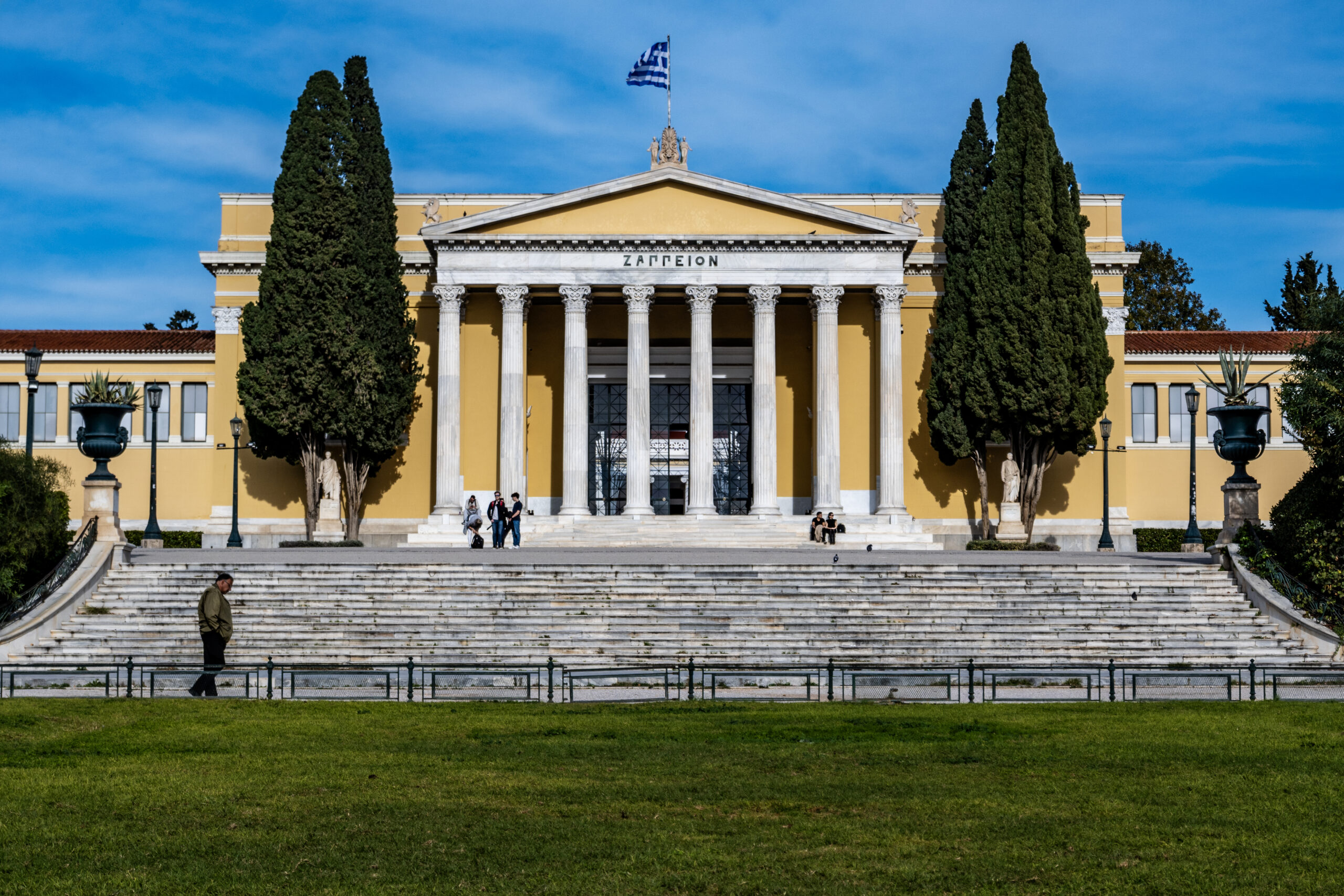
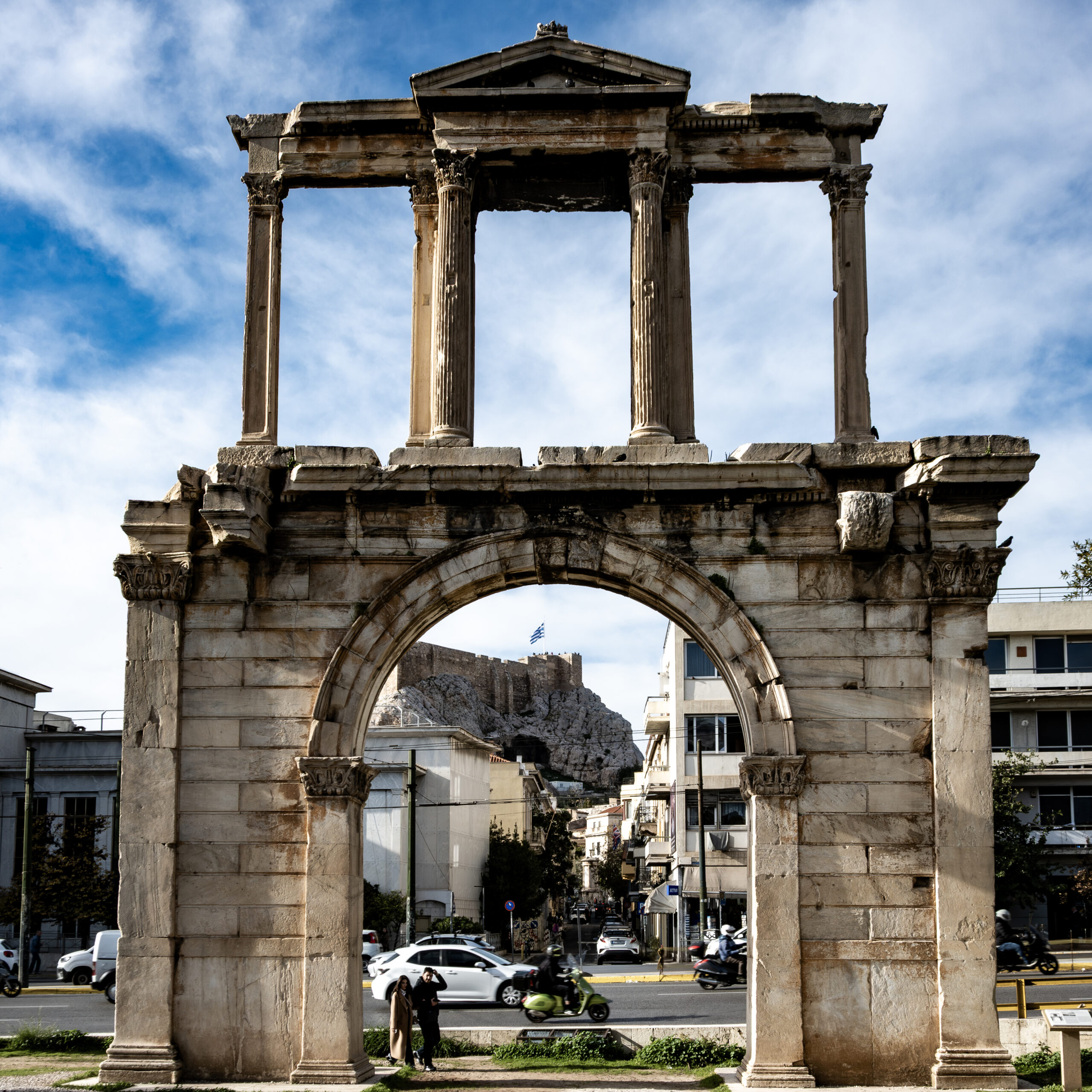
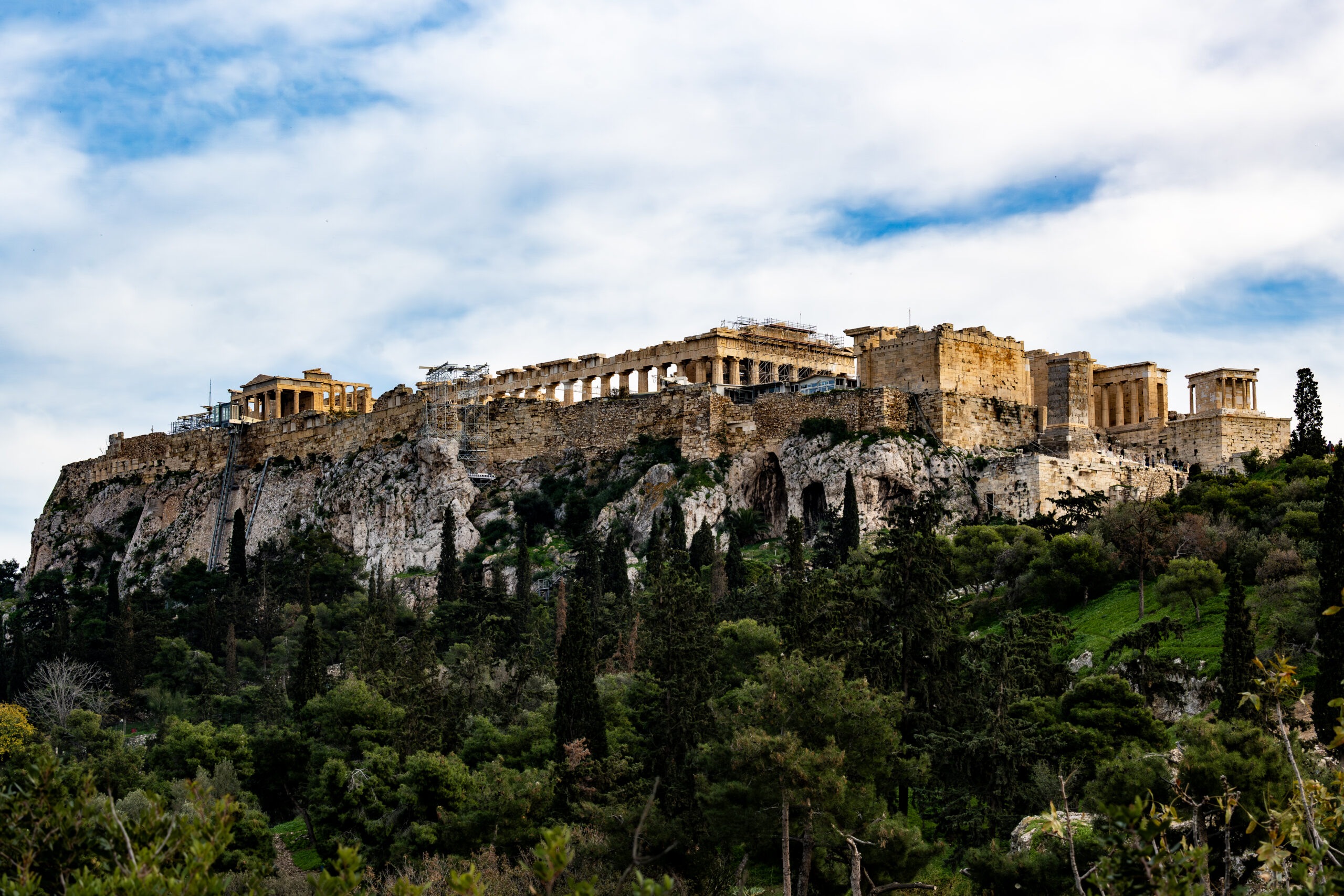
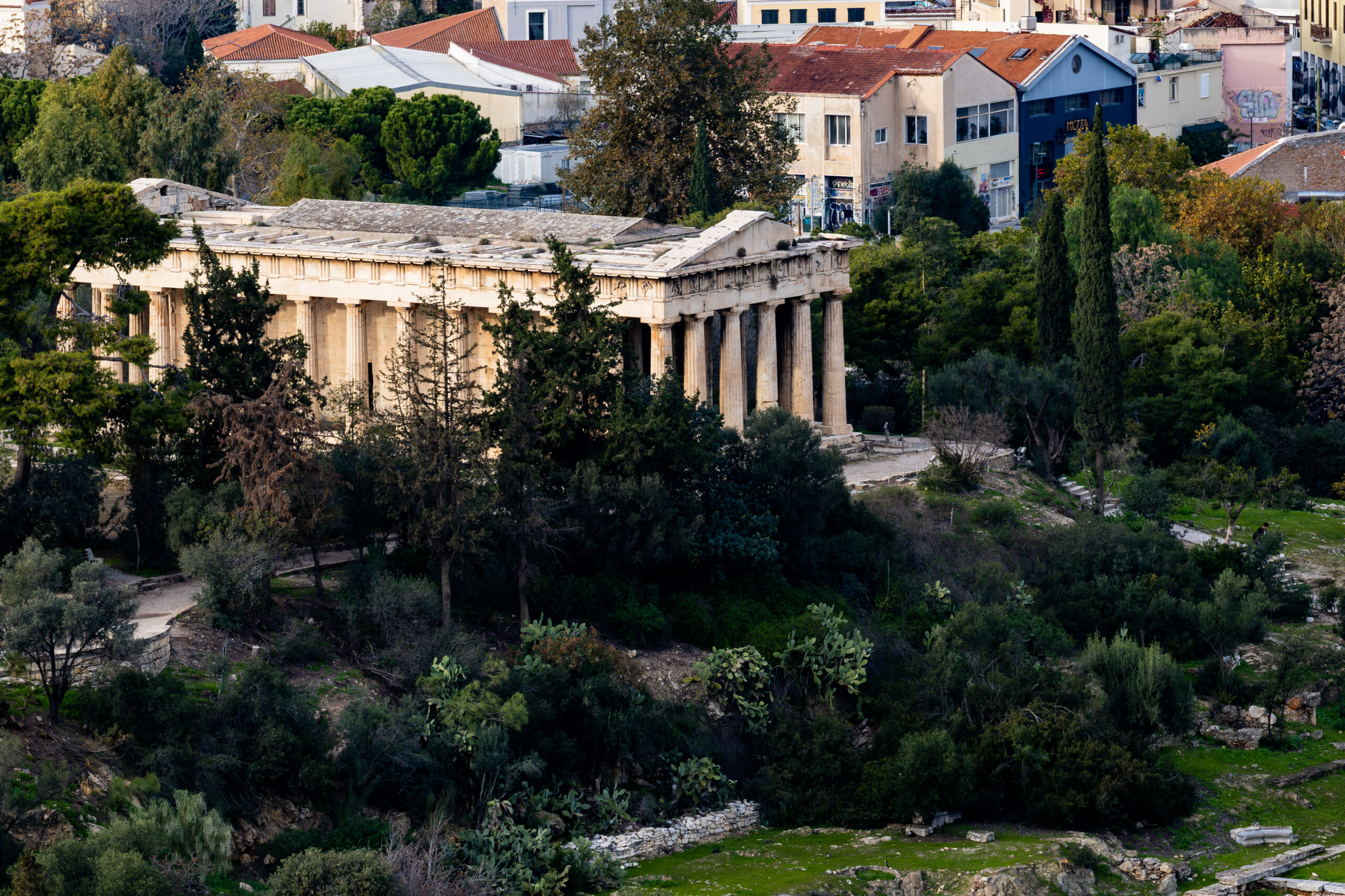
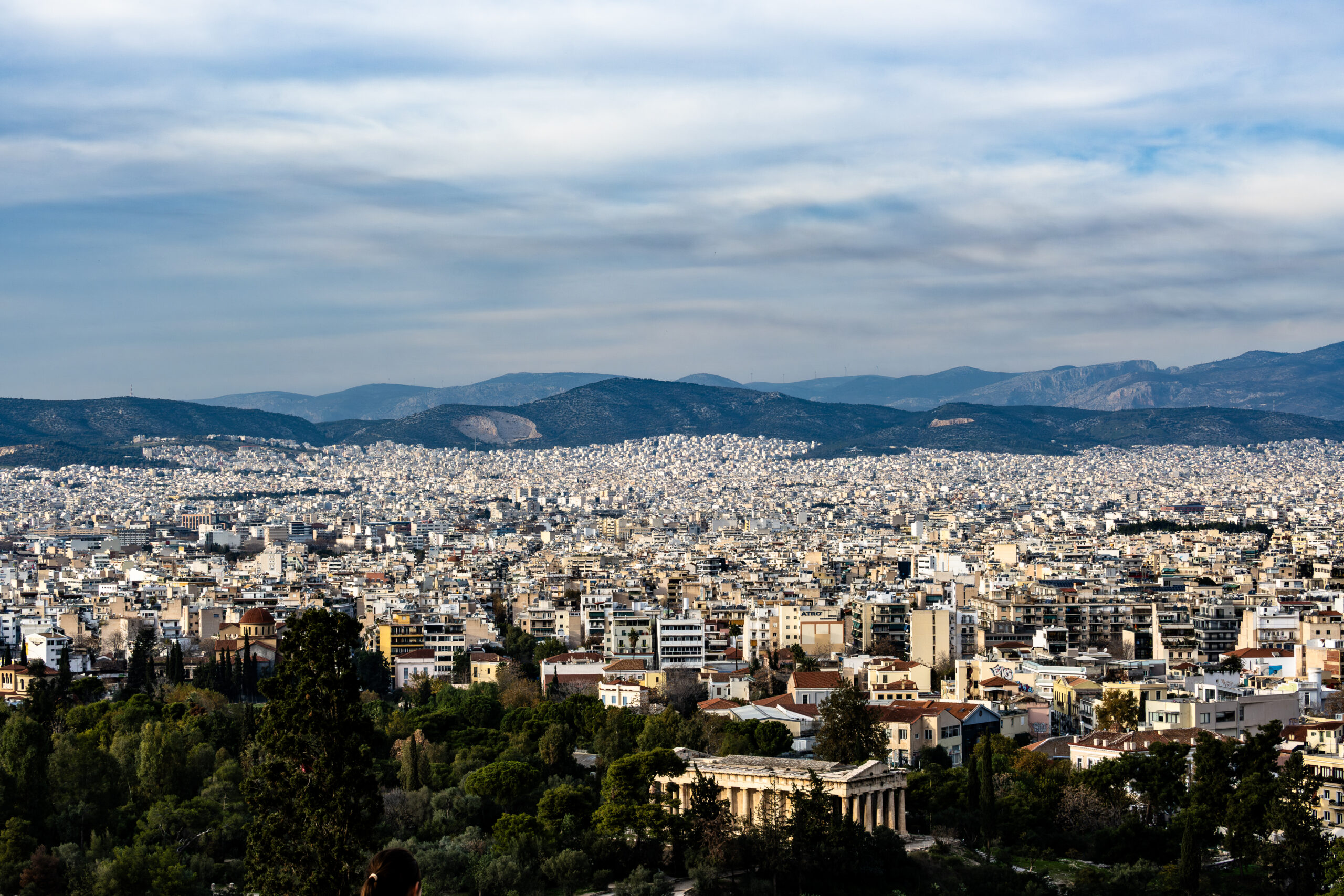
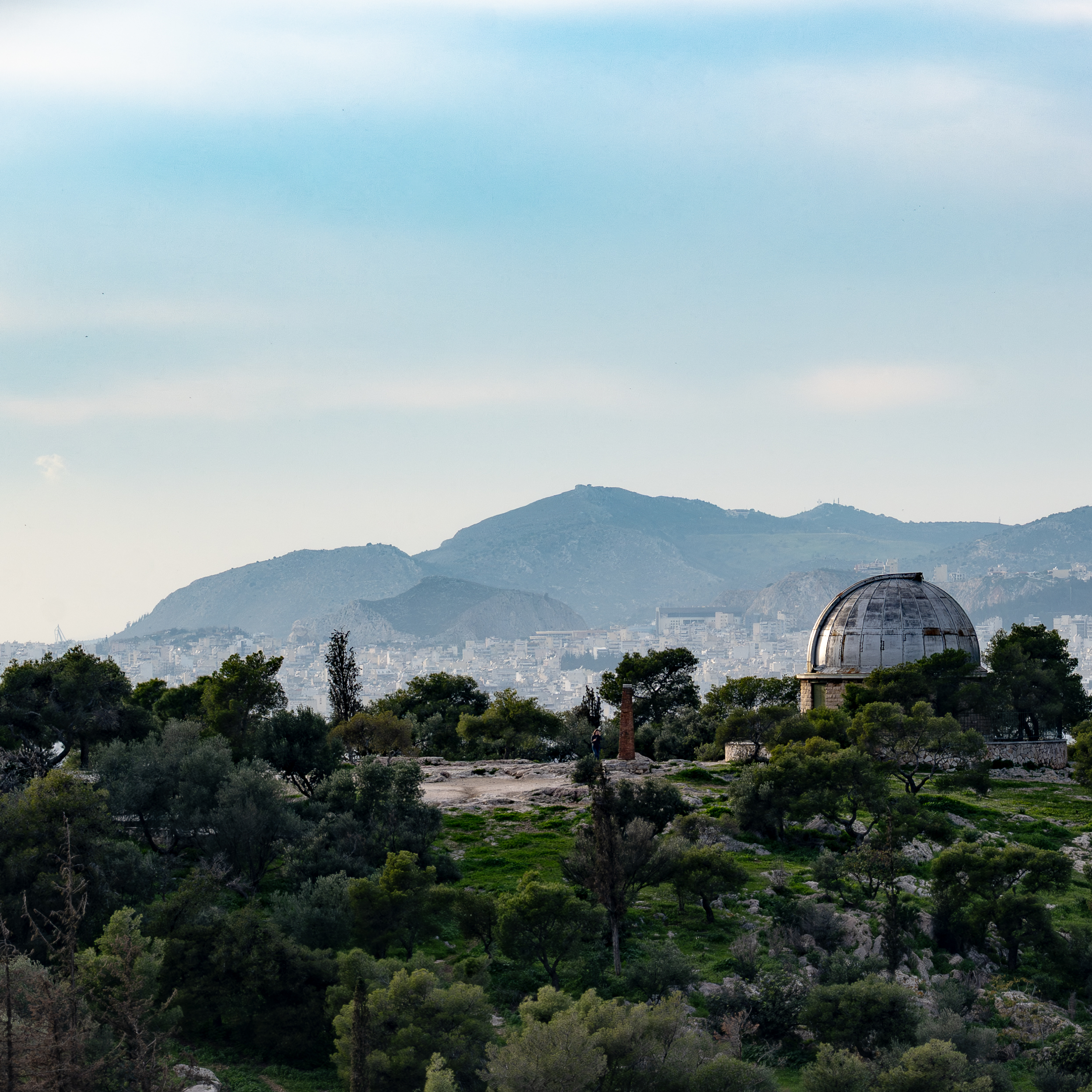
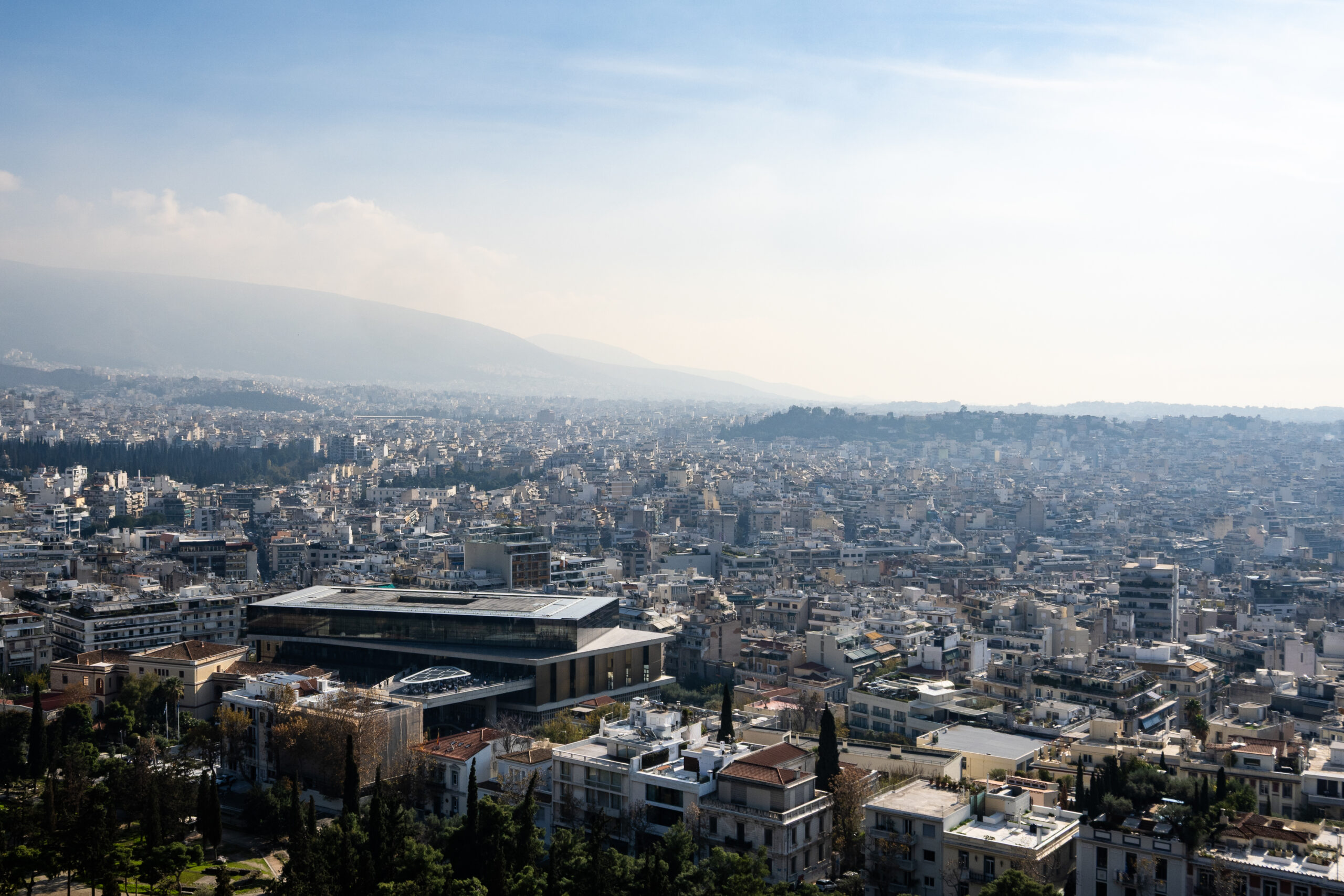
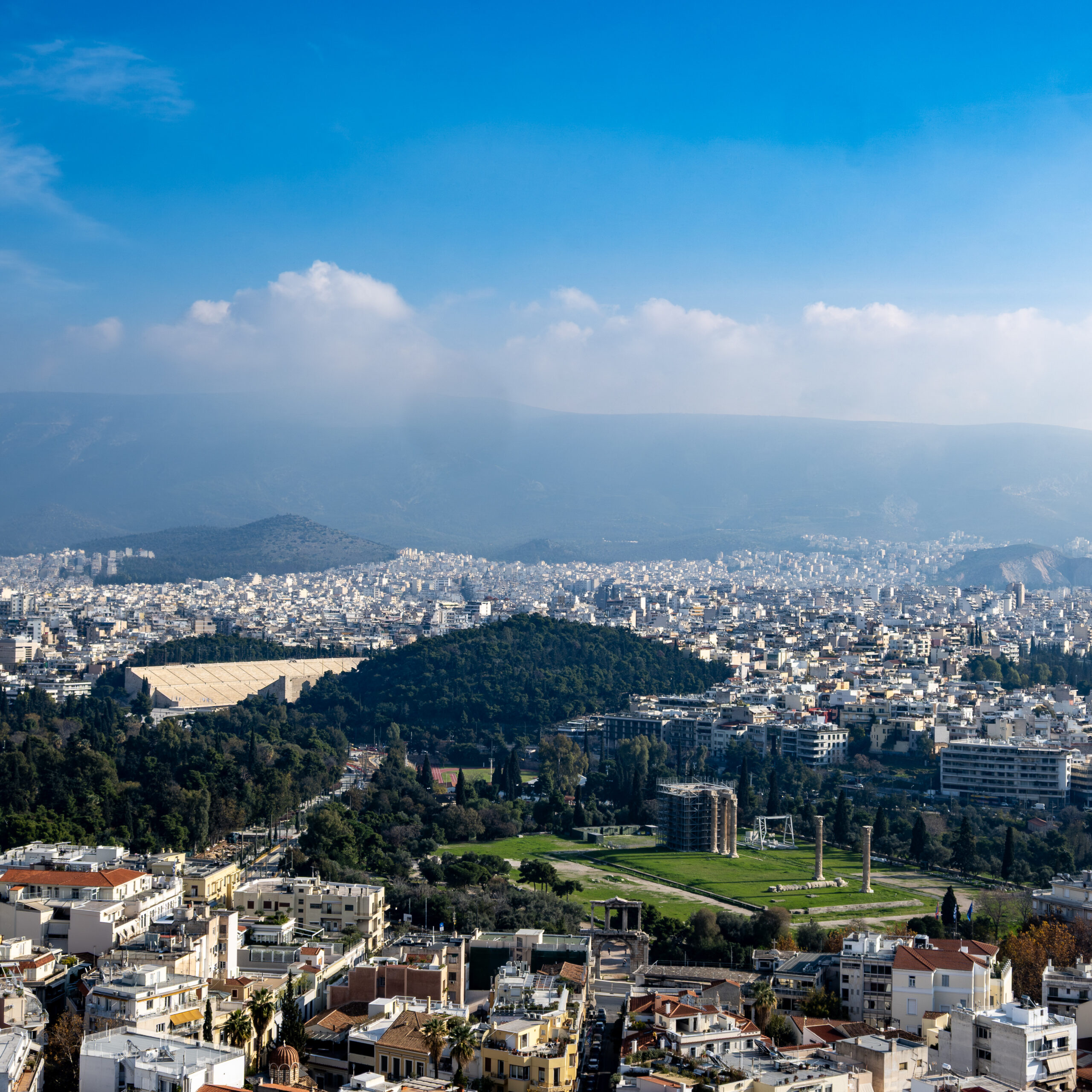
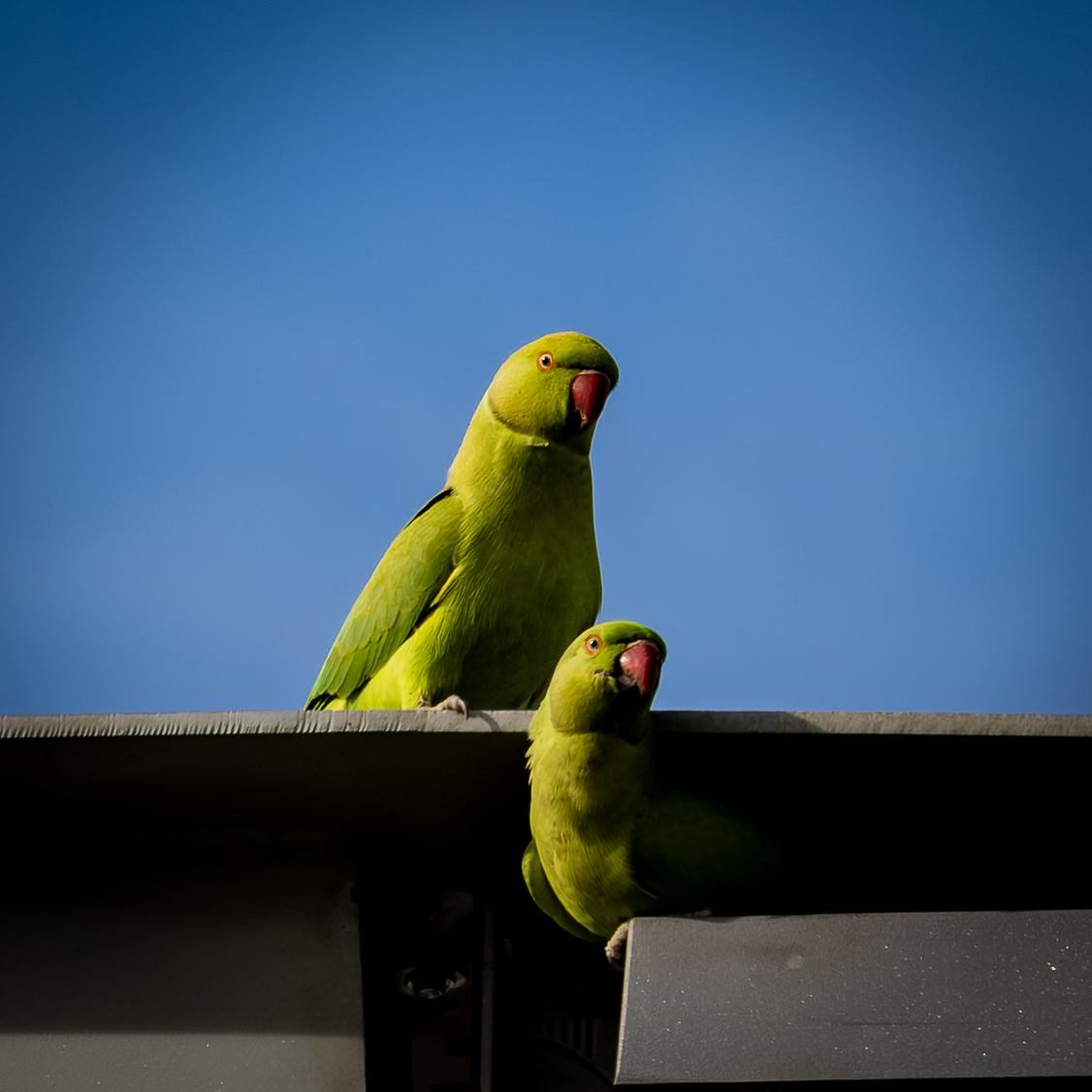
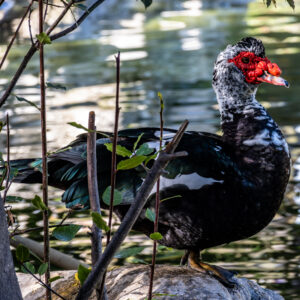
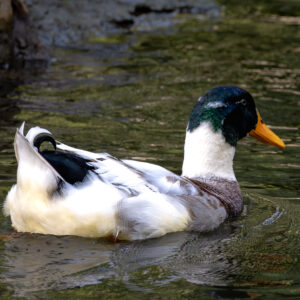
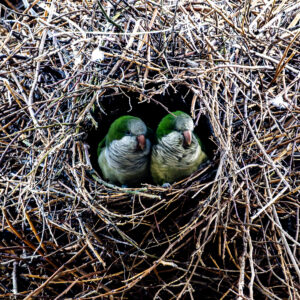
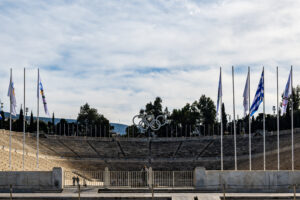
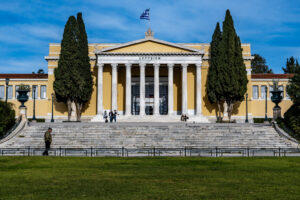
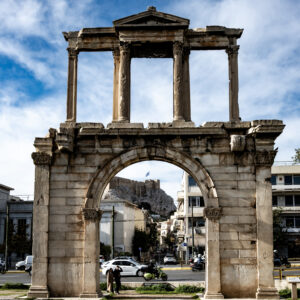
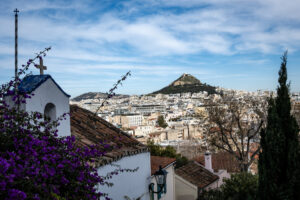
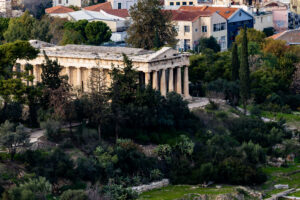
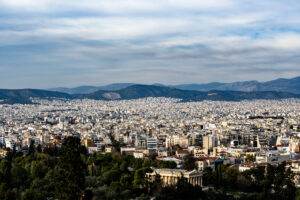
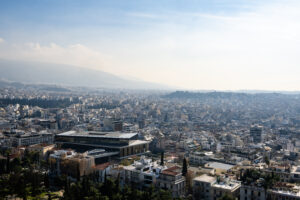
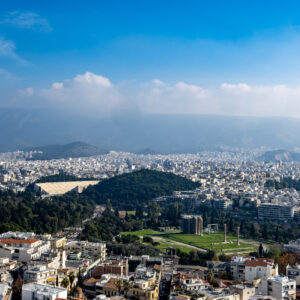
- My first day in Athens, as was now my habit, was a undirected wander. I started at the National Gardens, next to the Presidential Palace, near the heart of the city. Along with the exotic trees and flowers of the garden, I found parrots nesting the canopies, ducks swimming in ponds, and cats and tortoises creeping through the underbrush. A good start to any day. The gardens led me to the Panathenaic Stadium, the site of the first modern Olympics in 1896, which in turn offered me my first sight of the Acropolis and the Parthenon surmounting it. The Parthenon was my most anticipated site for my visit, so it was an exciting preview of what was to come. From the Stadium, I worked my way into the heart of the ancient city, and a flurry of sites and ruins hurried by, the Temple of Olympian Zeus, the Hadrian Arch, the Roman Forum, the Ancient Agora overlooked by the Temple of Hephaestus. By the end of the afternoon, I was climbing my way up to the Acropolis, closer and closer to the Parthenon, though I wouldn’t be visiting that site quite yet. I finished on the Aeropagus, a rocky outcropping of a hill with a tremendous view of Athens stretching in all directions (except those blocked by the summit of the Acropolis). I was even able to see out to the Aegean sea, just barely glinted over the top of Nymph’s Hill. Facing toward the city, a white sea of buildings and roofs spread through the valleys between hills, covering every surface capable of supporting a foundation.
- My visit to the Parthenon would be spread over two separate days. I chose first to visit the Acropolis museum, not intending to spend an entire day exploring the history and artifacts held within, but content to do so. The museum is overflowing with the remains of civilization that the Acropolis has witnessed over thousands of years. It excellently details the history of the Acropolis through various eras, iterative cycles of construction, worship, sackings and destruction. Ascending each floor of the museum brings you closer and closer to the present. The top floor details the Parthenon and particularly the marvelous statues of the pediments of the temple. These statues are famously no longer in Athens, the Elgin marbles were removed in the mid-1800s and carried away to London, where I’d seen them in the British museum some fifteen years earlier. The Acropolis museum presents replicas of these statues,as well as the frieze and metopes that run around the length of the Parthenon, laid out in the same dimensions and position as they would have stood in the temple, but brought down to eye-level instead of soaring 40 feet overhead.
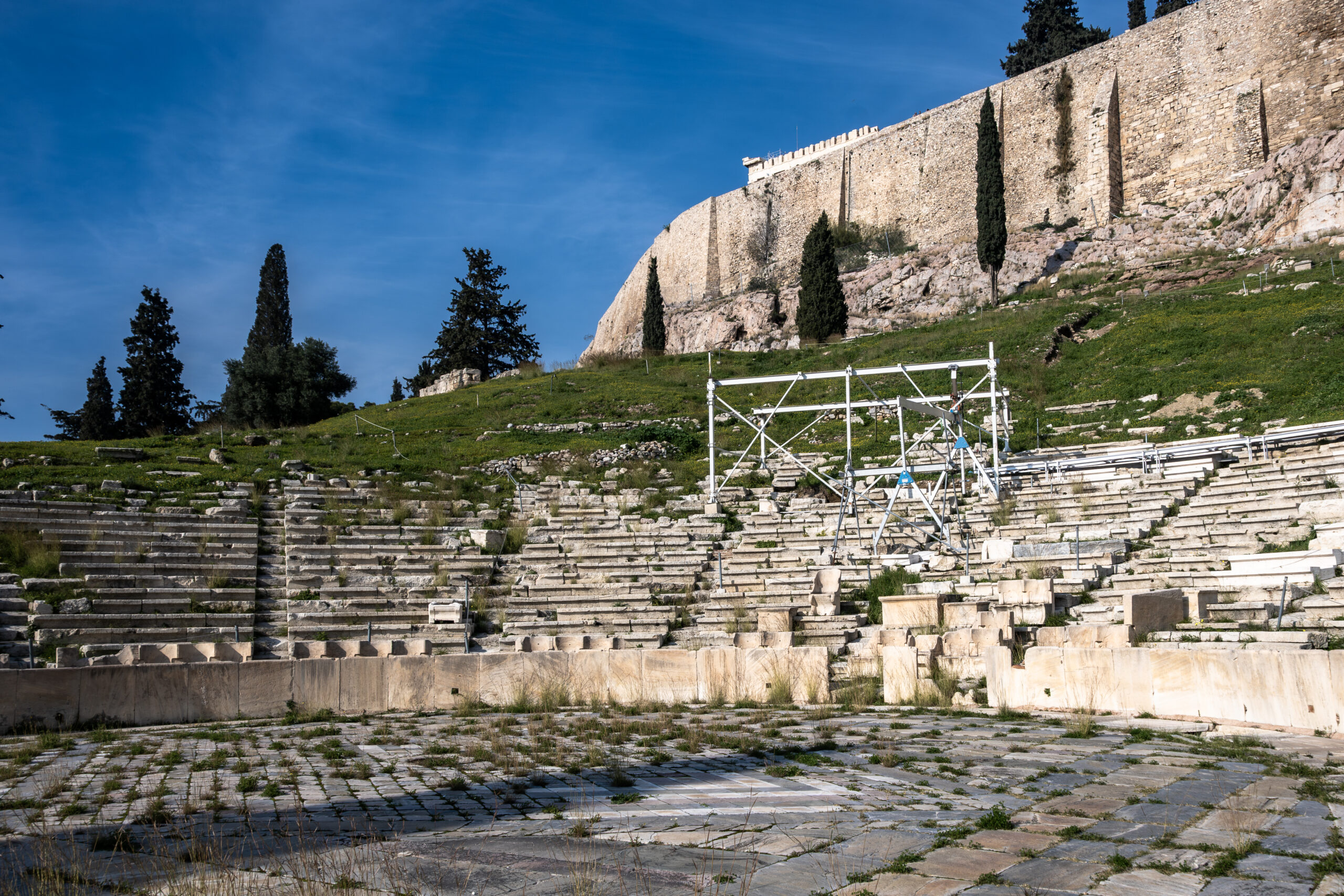
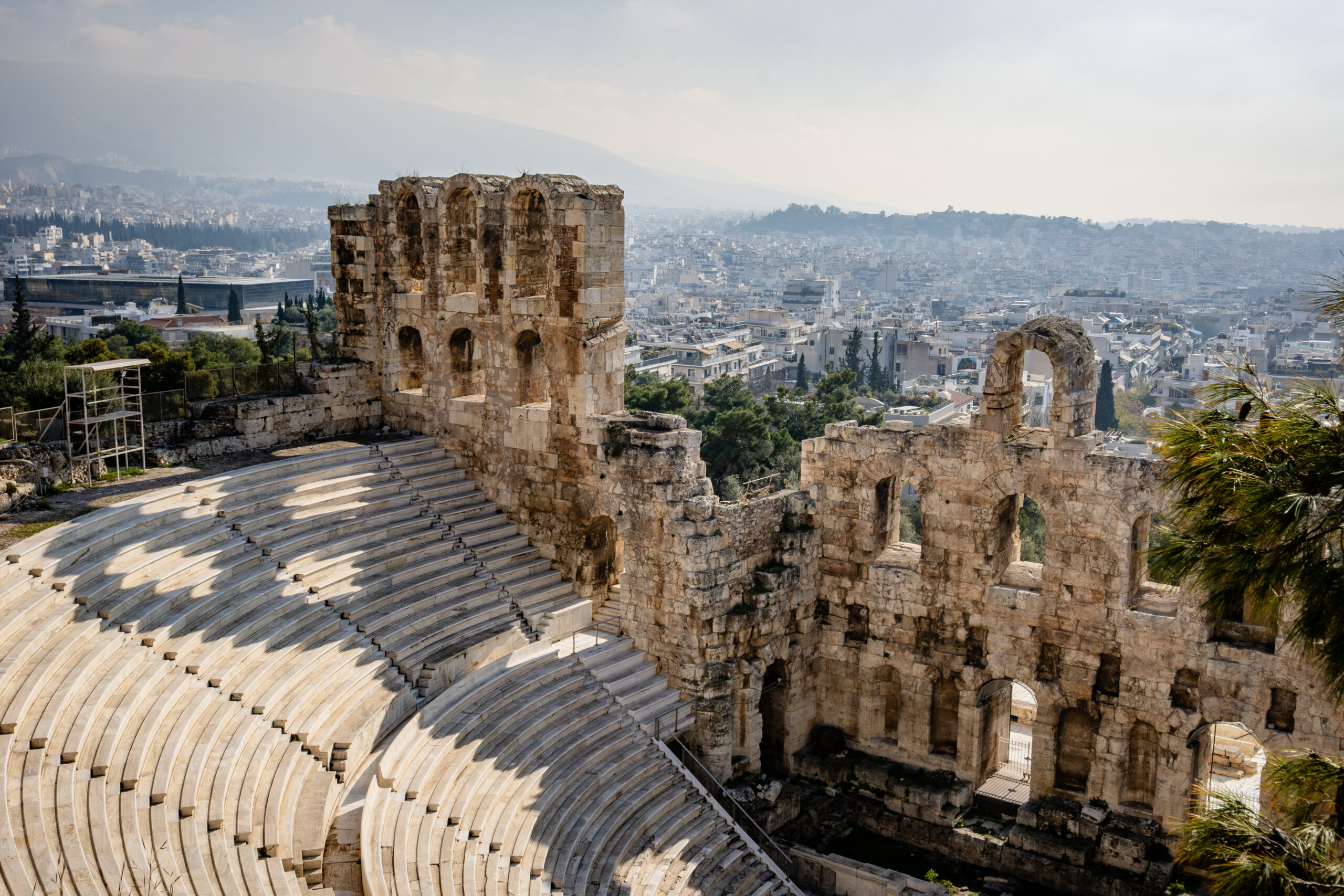
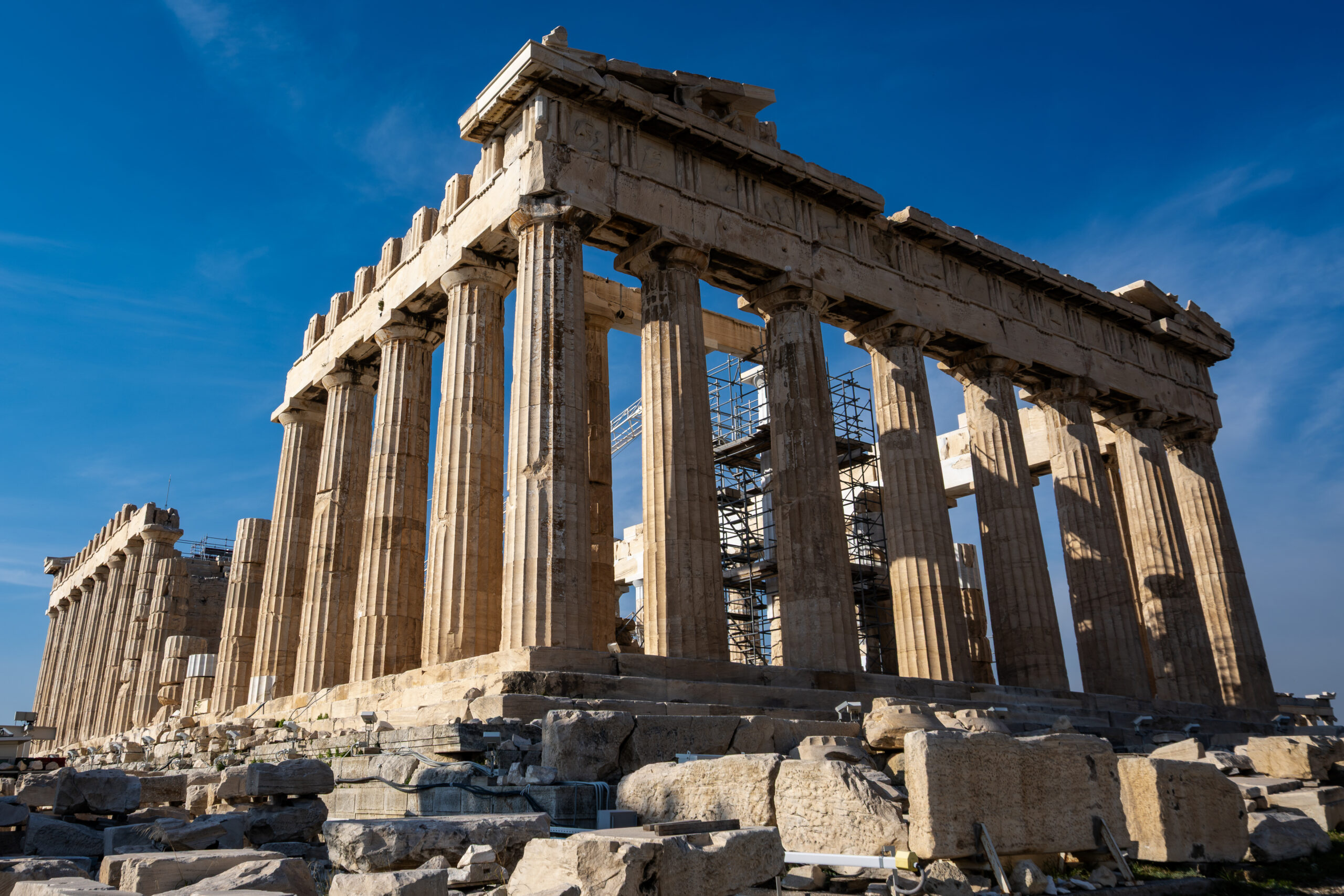
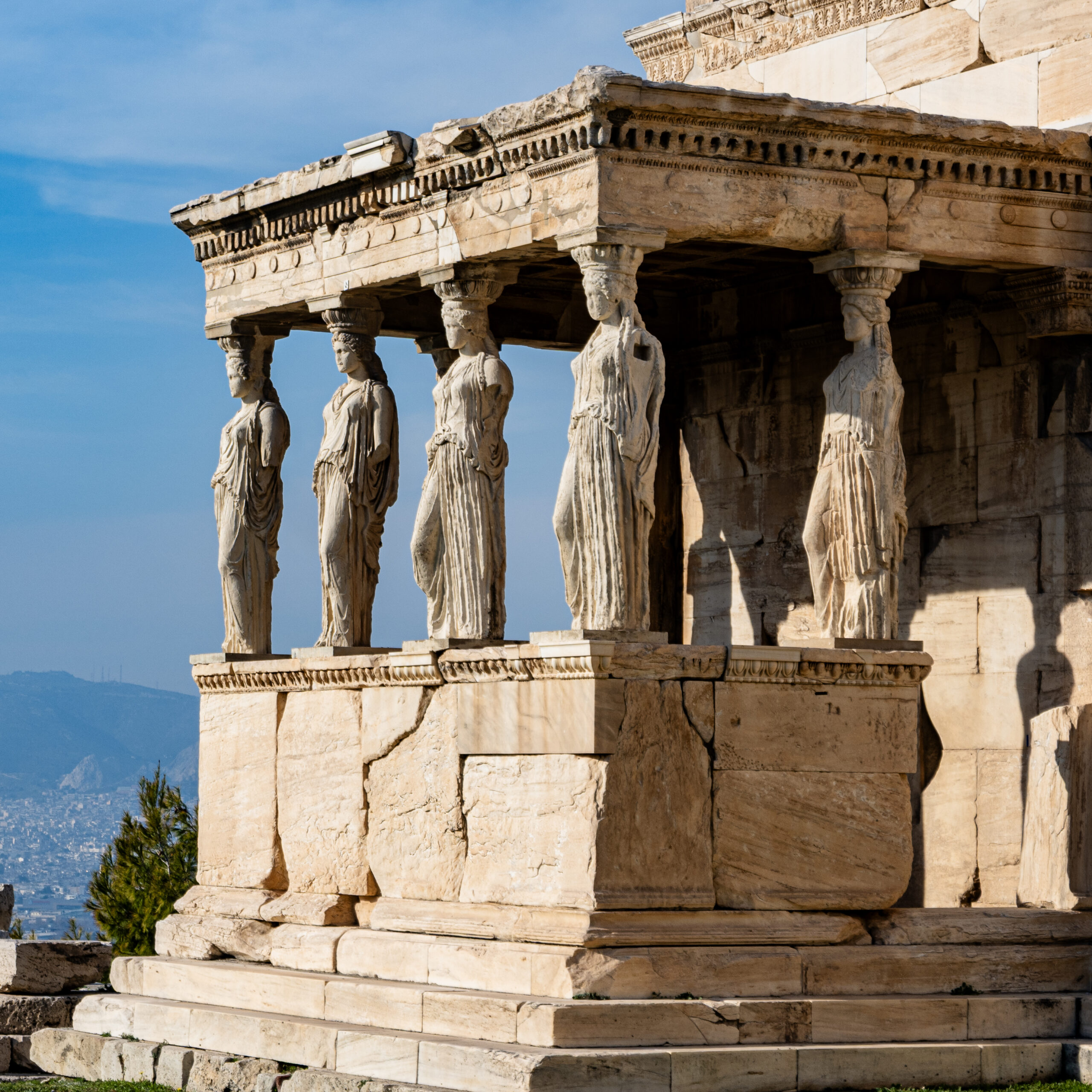
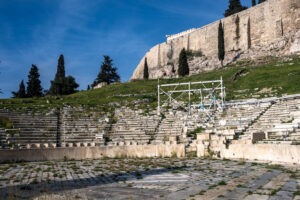
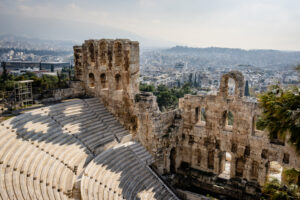
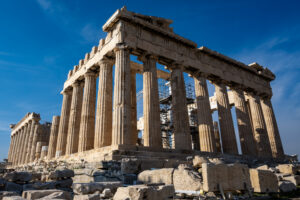
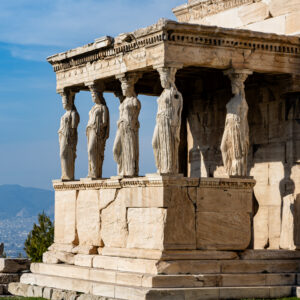
The museum was a wonderful primer for my actual visit to the Acropolis slopes and the temples atop the following day. The slopes of the Acropolis hosts the ancient amphitheatre of Dionysus Elethereus, said to be the first theatre and the birth place of the Greek tragedy, where Sophocles and Euripides were crowned with wreathes of ivy. Further along, beyond a series of small shrines and temples, is the even more impressive Odeon of Herodes Atticus, another ancient theatre with a three story building backing the stage. Now the stage building is just a wall, with an excellent view of the city beyond. Finally, the top of the Acropolis holds three main temples, the largest of which being the Parthenon, dedicated to Athena, the patron goddess of Athens.
Despite being in the doldrums of December, the top of the Parthenon was crawling with hundreds of tourists, though I’m sure it was nothing compared to the thousands of visitors omnipresent during the high season. The temples, of course, are largely ruins now, though significant preservation efforts are ongoing to slow or even reverse the degradation. Between, the other tourists and the scaffolding, it was hard to truly imagine the Parthenon at the height of its splendor. Though, the scale of it definitely made a significant impression on me. Towering columns of marble holding up a gargantuan roof, large enough to be the home of a goddess. - During my downtime in Athens, I started replaying a favorite computer game from my childhood, Zeus: Master of Olympus. It’s a city-building game where you design and manage a Greek city during the age of myth, ensuring your citizens have enough food, oil and wine to thrive, while also fighting off attacks from mythical monsters aided by gods and heroes, whose help is contingent on building them temples and providing the correct offerings. I spent hours and hours playing this game through my adolescent and teenage years, and it felt like returning to an old friend. I remember when I first got the game, along with SimCity 4, for Christmas when I was about 10. Our computer at the time wasn’t powerful enough to run either game, so I waited a couple of years before we upgraded our PC and as soon as we did, I was playing Zeus. These days, it ran pretty easily on my laptop and I was able to kill a few hours, relaxing while I sent Herakles to deal with my Hydra infestation.
- Outside of the main sites that I wanted to see, Athens was not a particularly nice city to be in. The city has dealt with decades of struggle, seeing massive growth as the rural population gravitated to the city while enduring severe government mismanagement and corruption. Away from the tourist areas, buildings crumbled, garbage piled up in empty lots, things looked rough. I encountered at least one protest near the presidential palace, but on a couple of separate days, I came across police decked out in riot gear.
But, I don’t want to paint a completely bleak picture of Athens either, the troubled areas I encountered were not the entirety of the city either. The area around my hostel was surrounded by families that would fill the streets in the evenings, walking to get groceries or dropping kids off at the martial arts studio across the street. Despite some unfortunate circumstances, people were still out, living their lives, making the best of what they can, appreciating what they have. - By this point in my travels, I was exhausted. Worn out. I was ready to take a break and I knew that I had one coming when I made it to my next destination, Bangkok. The slowness of the season seemed to mirror my internal feelings. The hostel was largely empty, a few people would venture through the common area now and again, but we all mostly kept to ourselves. On top of the fact that I wasn’t really gelling with Athens, I ended up retreating to my room, savoring the solitude that I’d been craving for the past couple of months.
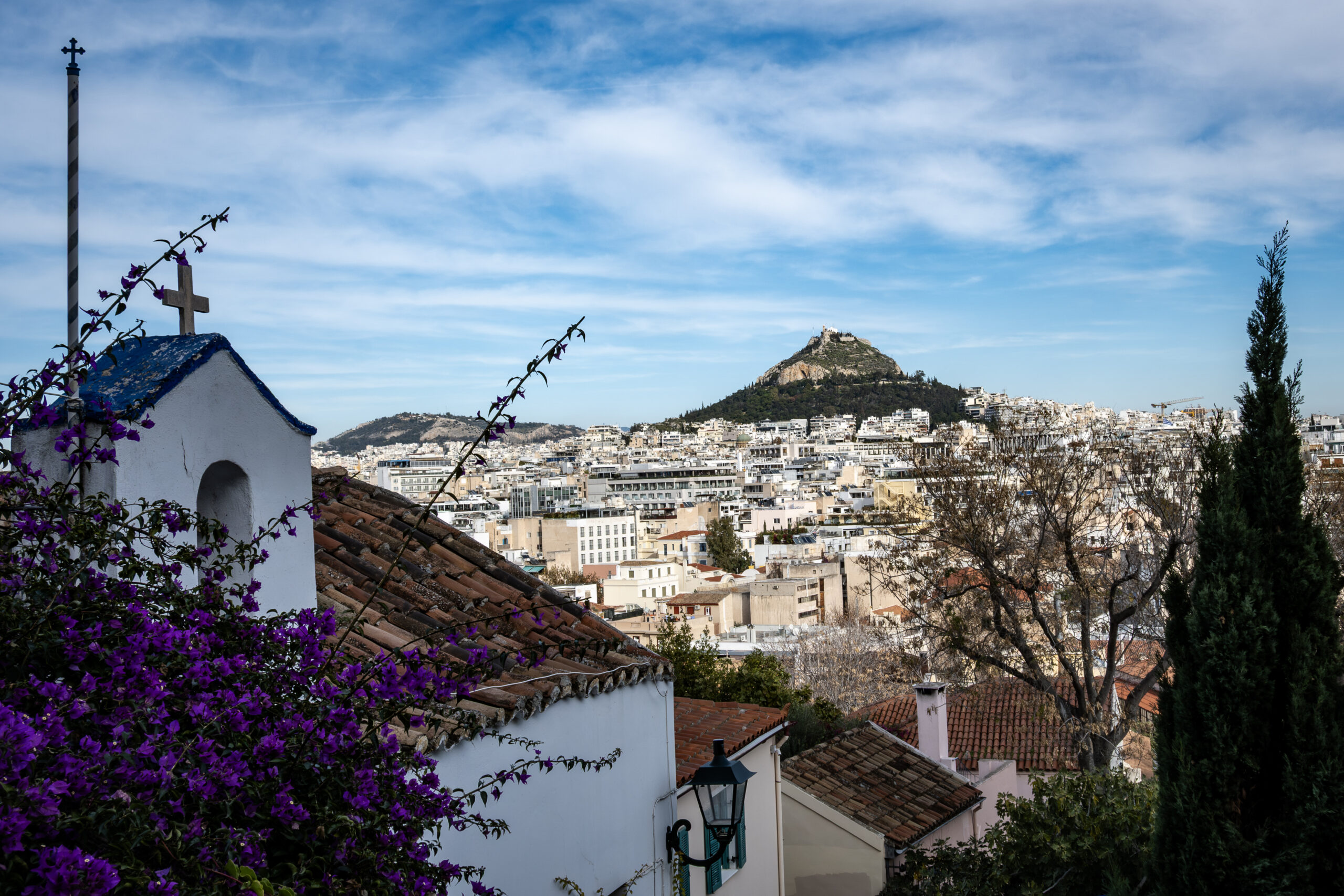
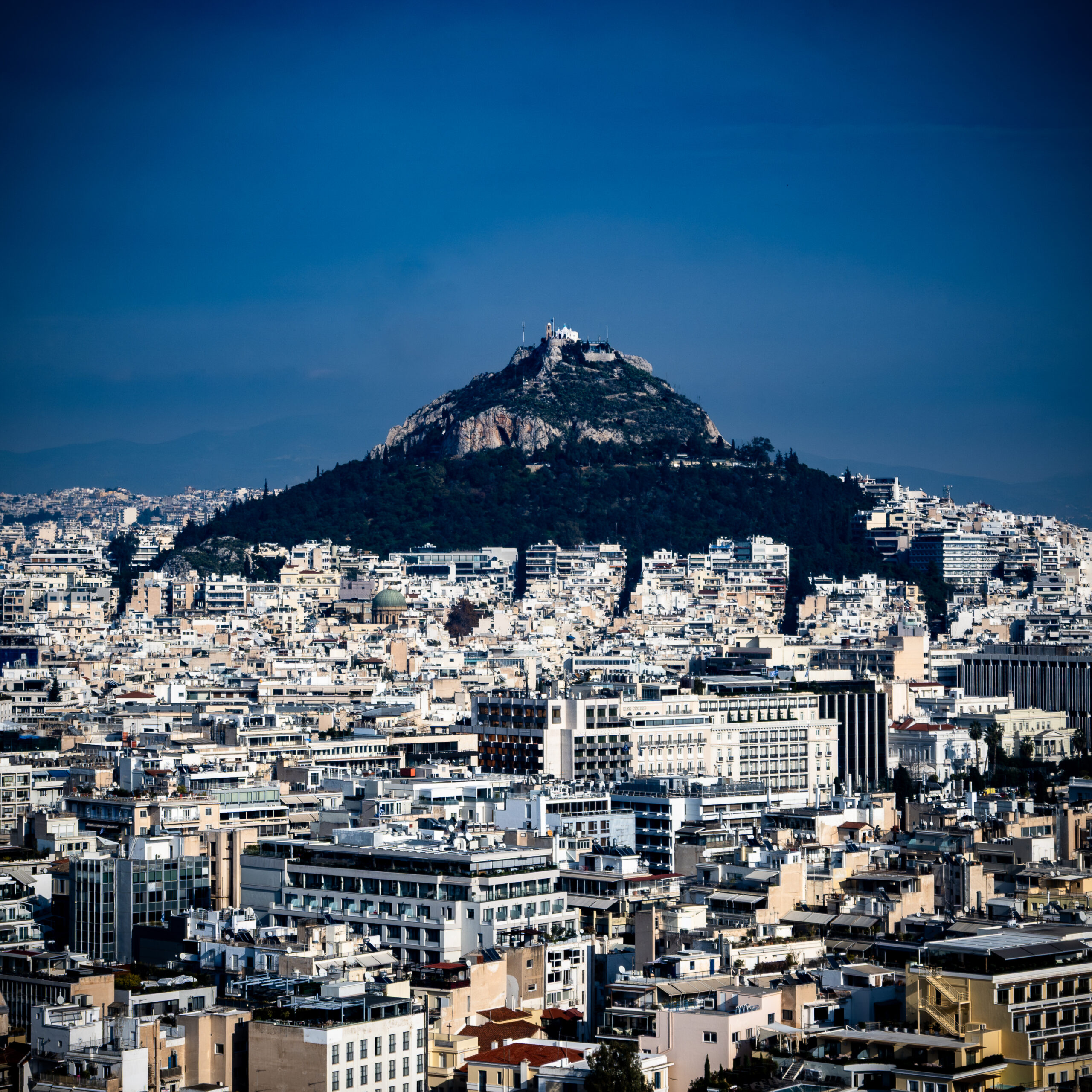
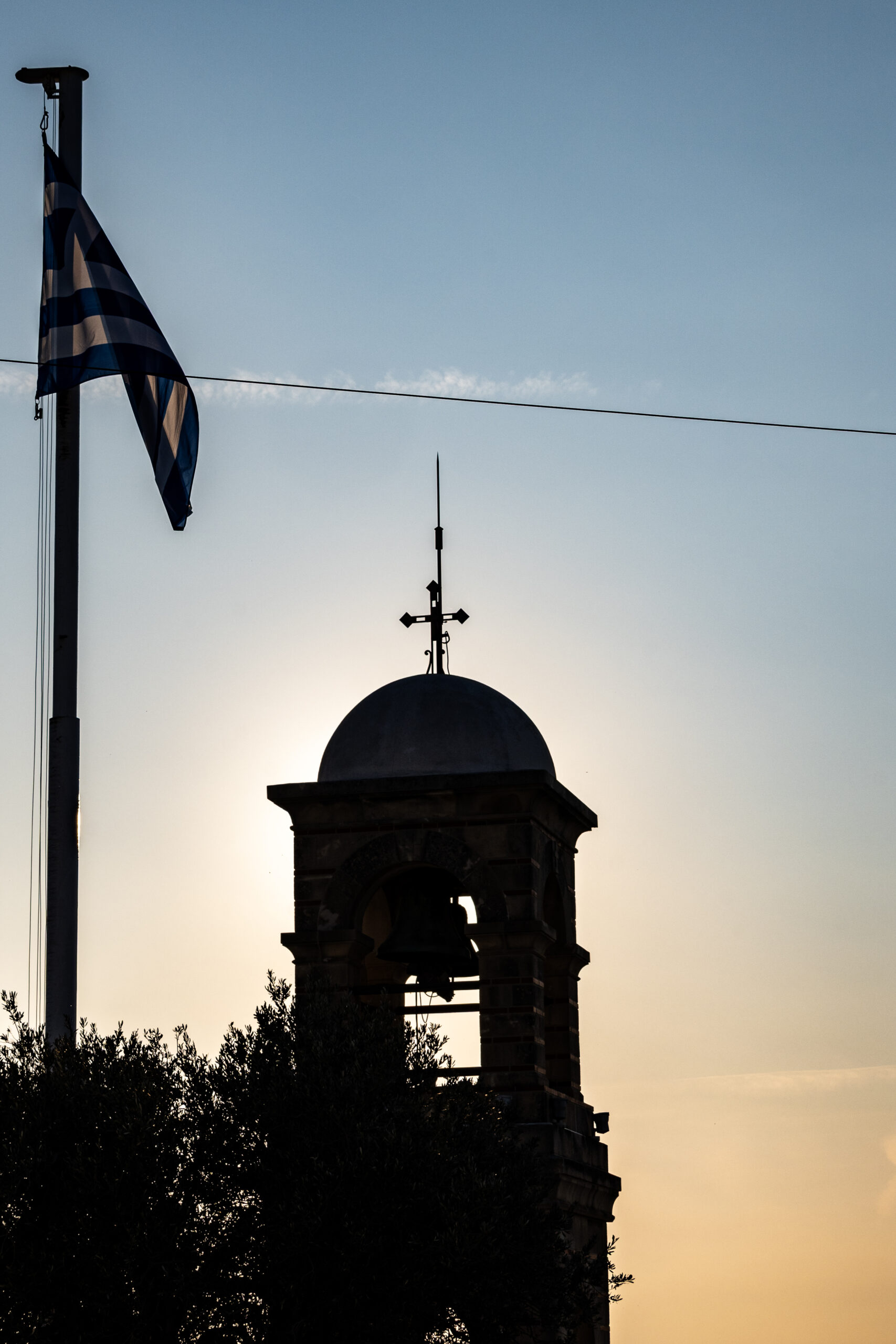
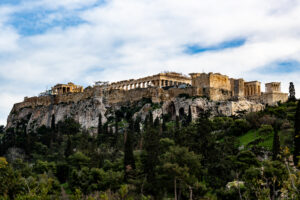
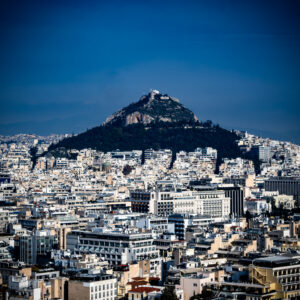
- The remainder of my time in Athens was largely uneventful. I made a couple more outings, one to walk along the sea and one to climb Lycabettus Hill. The sea walk ended up being a bit of a misfire, as the area I chose turned out not to be particularly scenic or enjoyable to walk. The hike up Lycabettus however was quite rewarding, as it offered an excellent view of the Acropolis hill with the sun setting behind it.
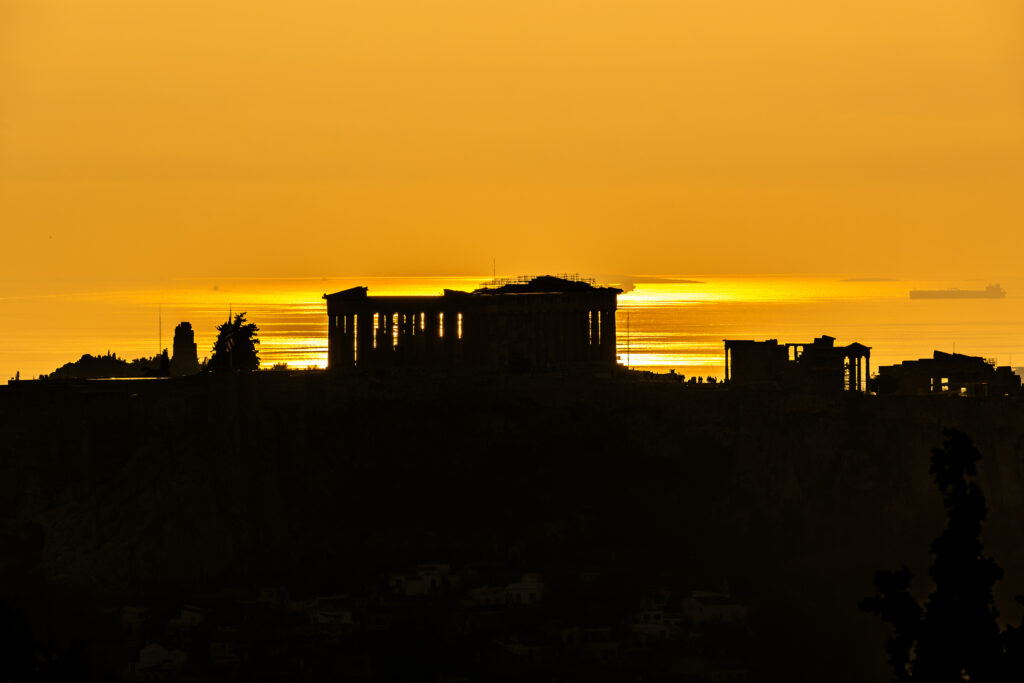
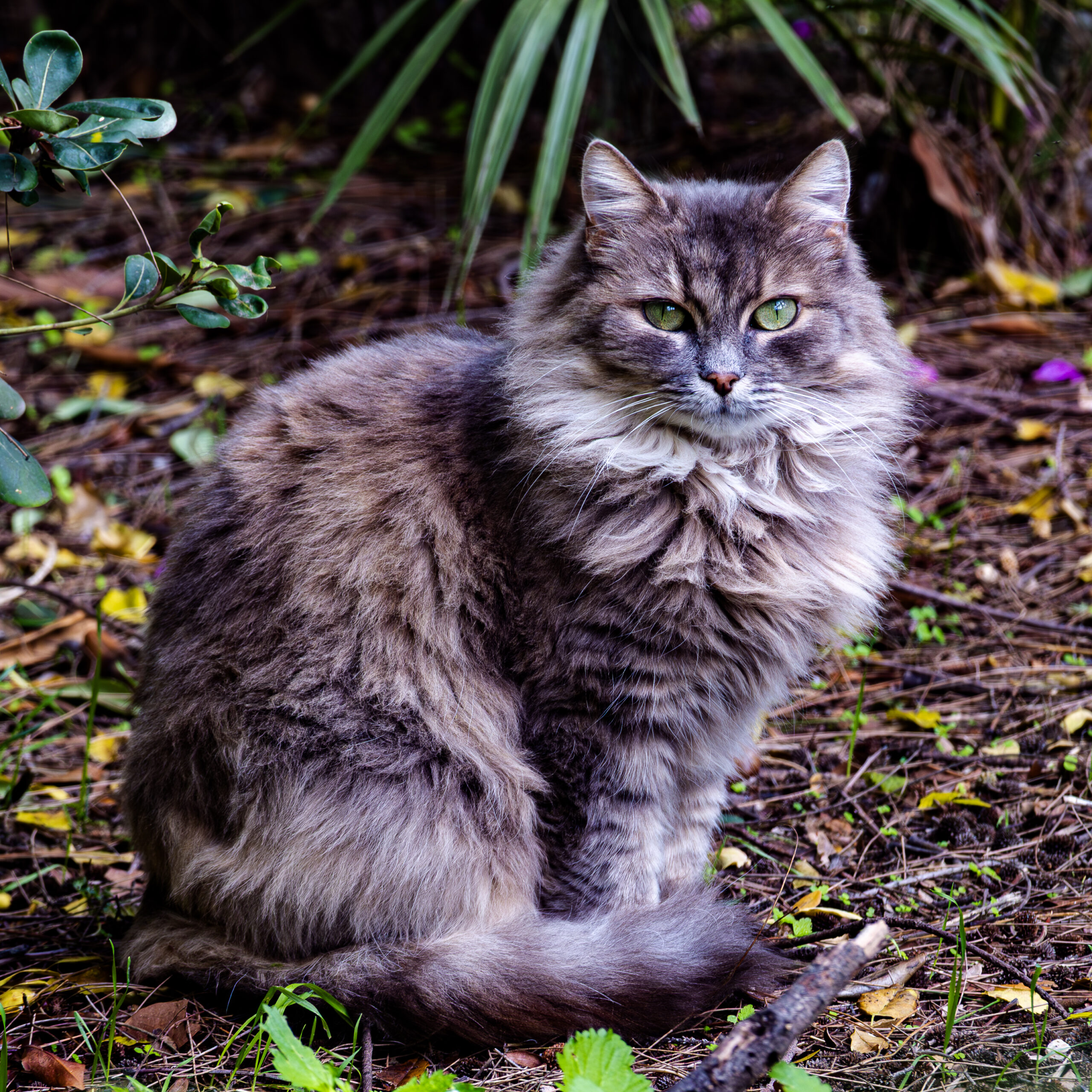
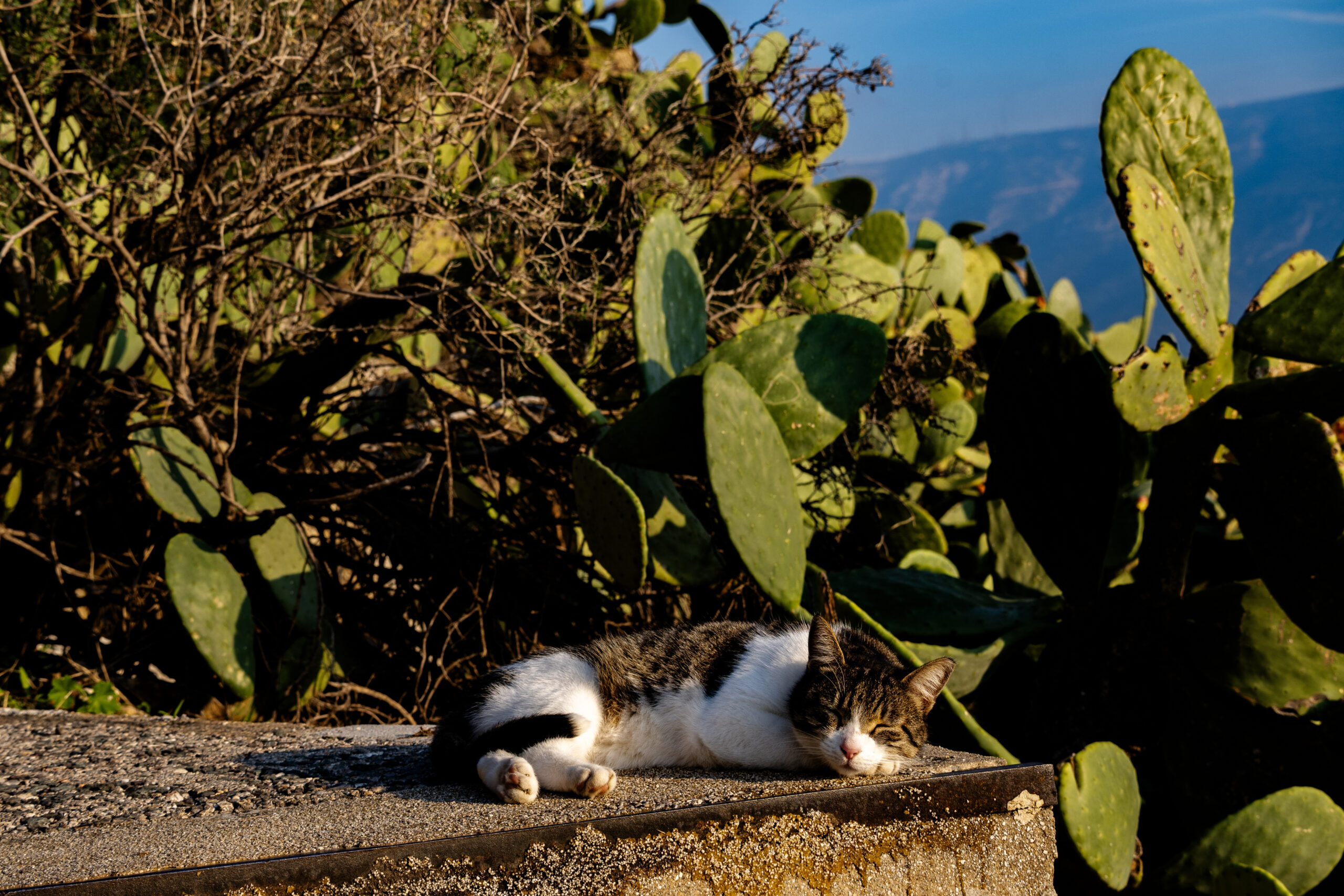
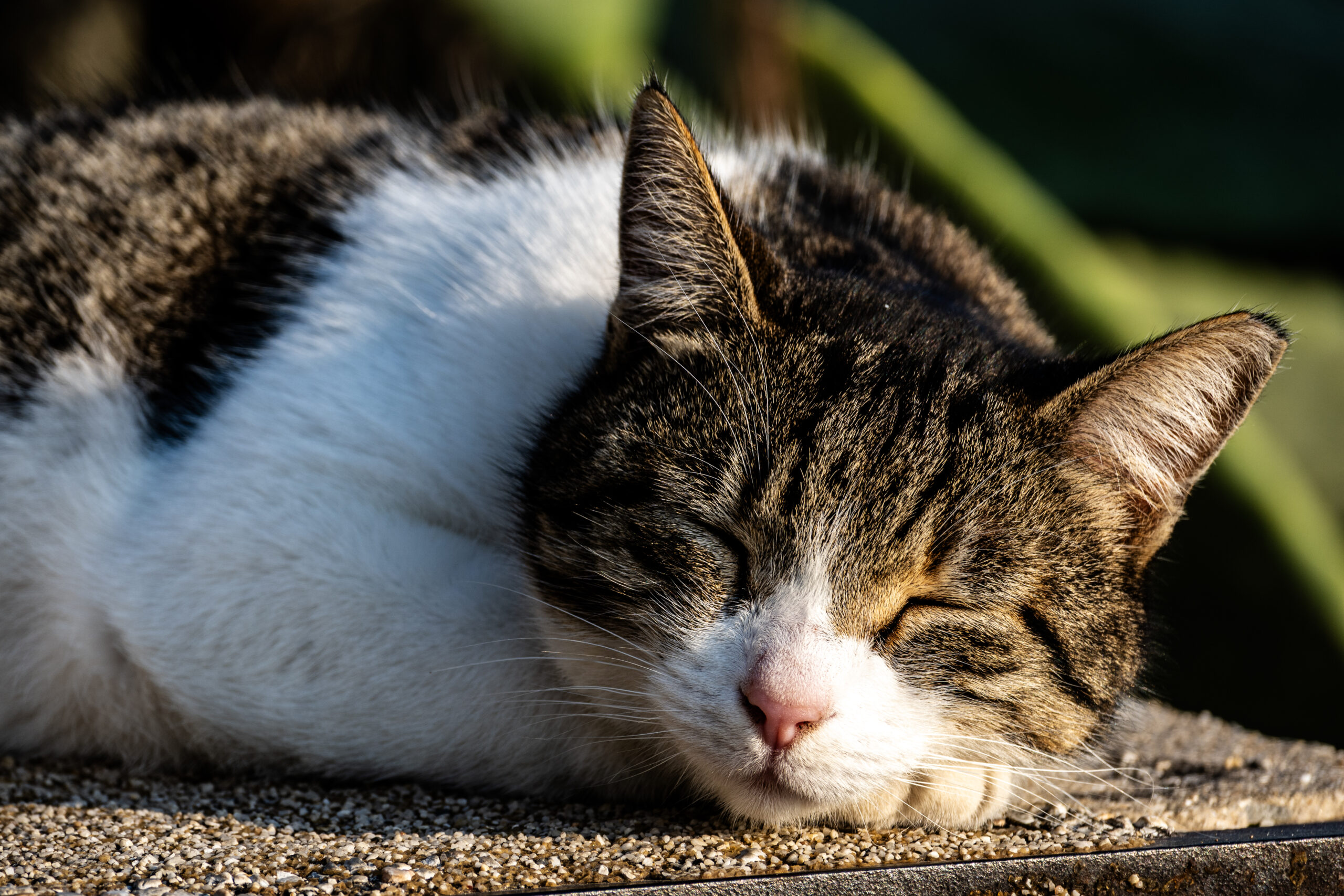
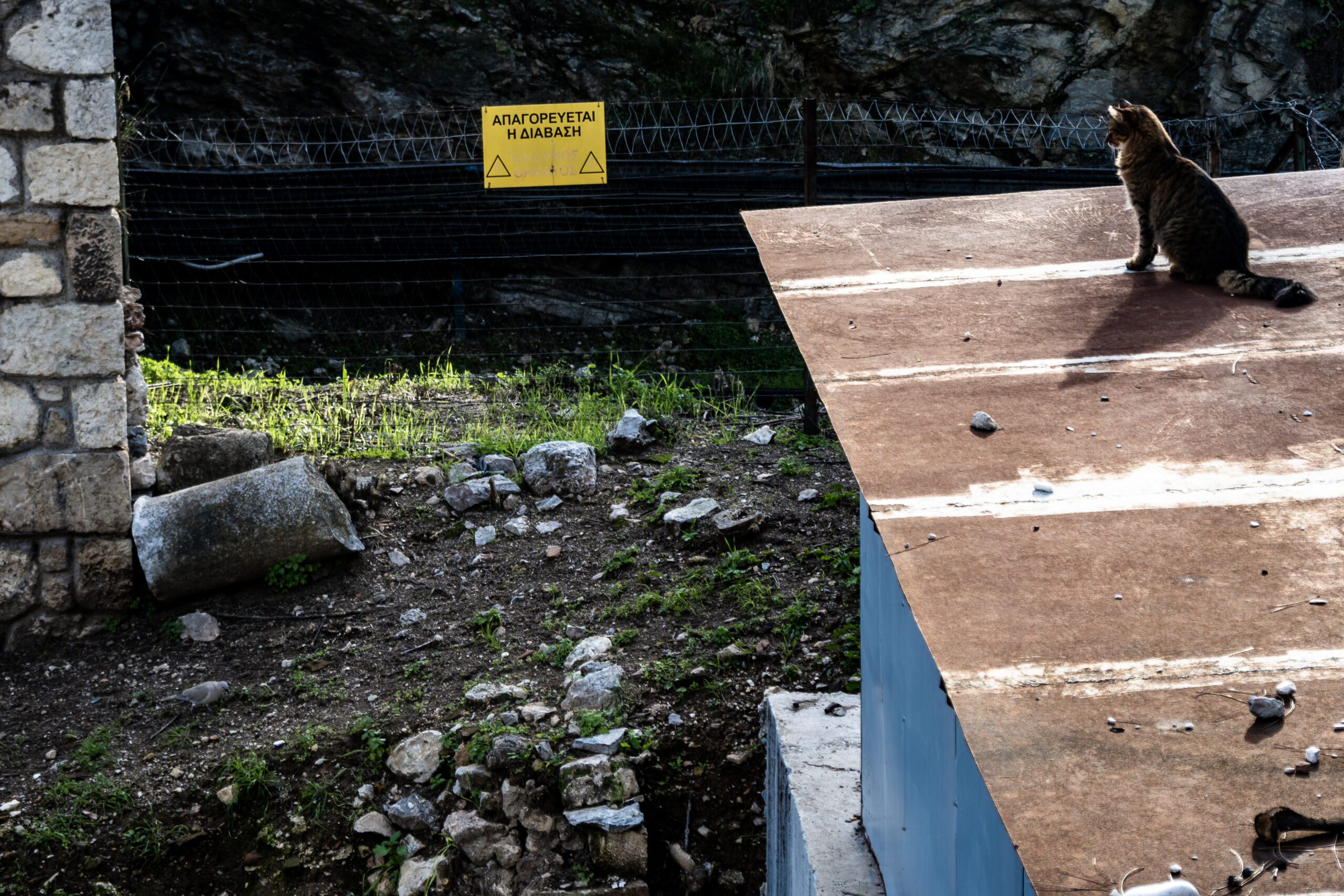
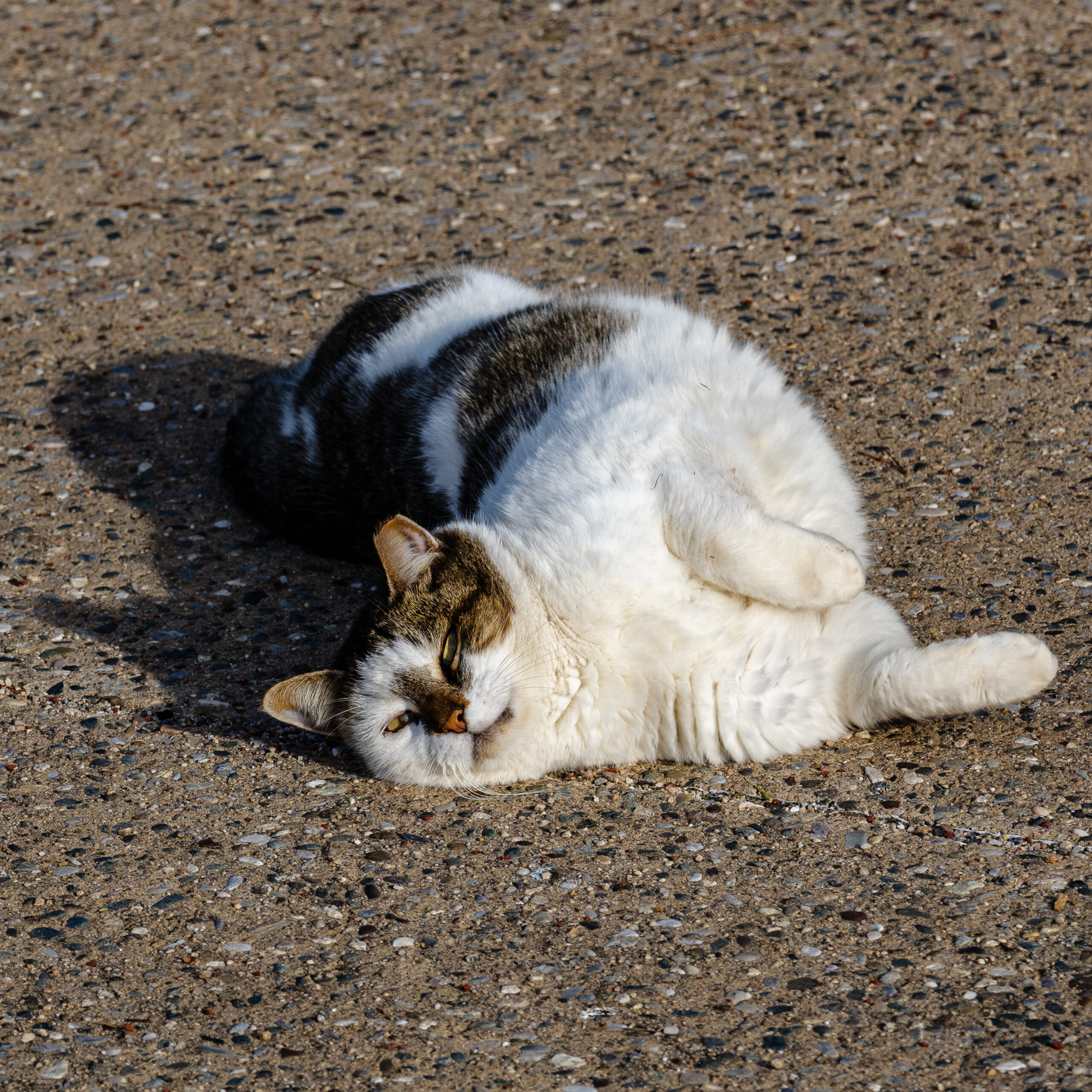
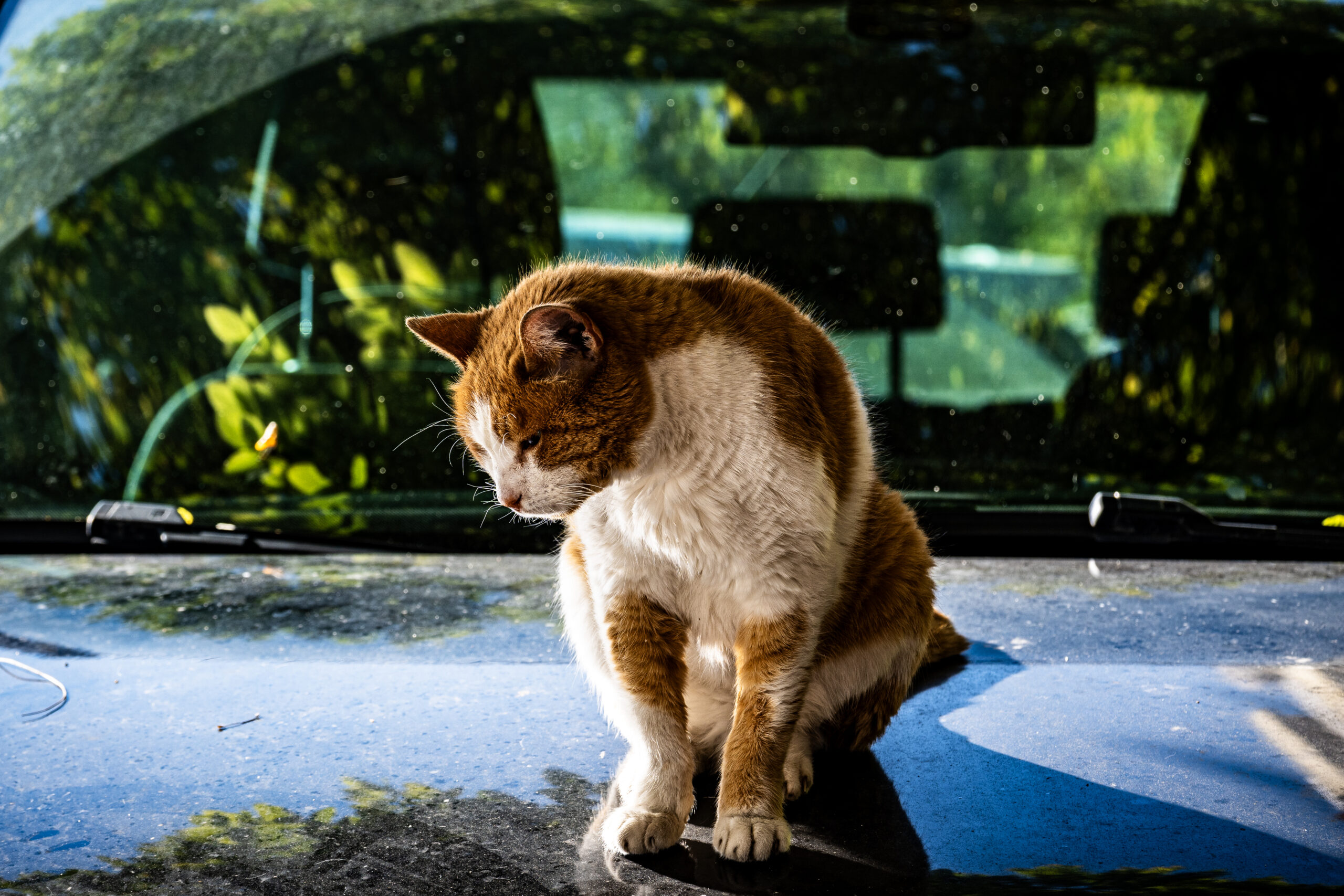
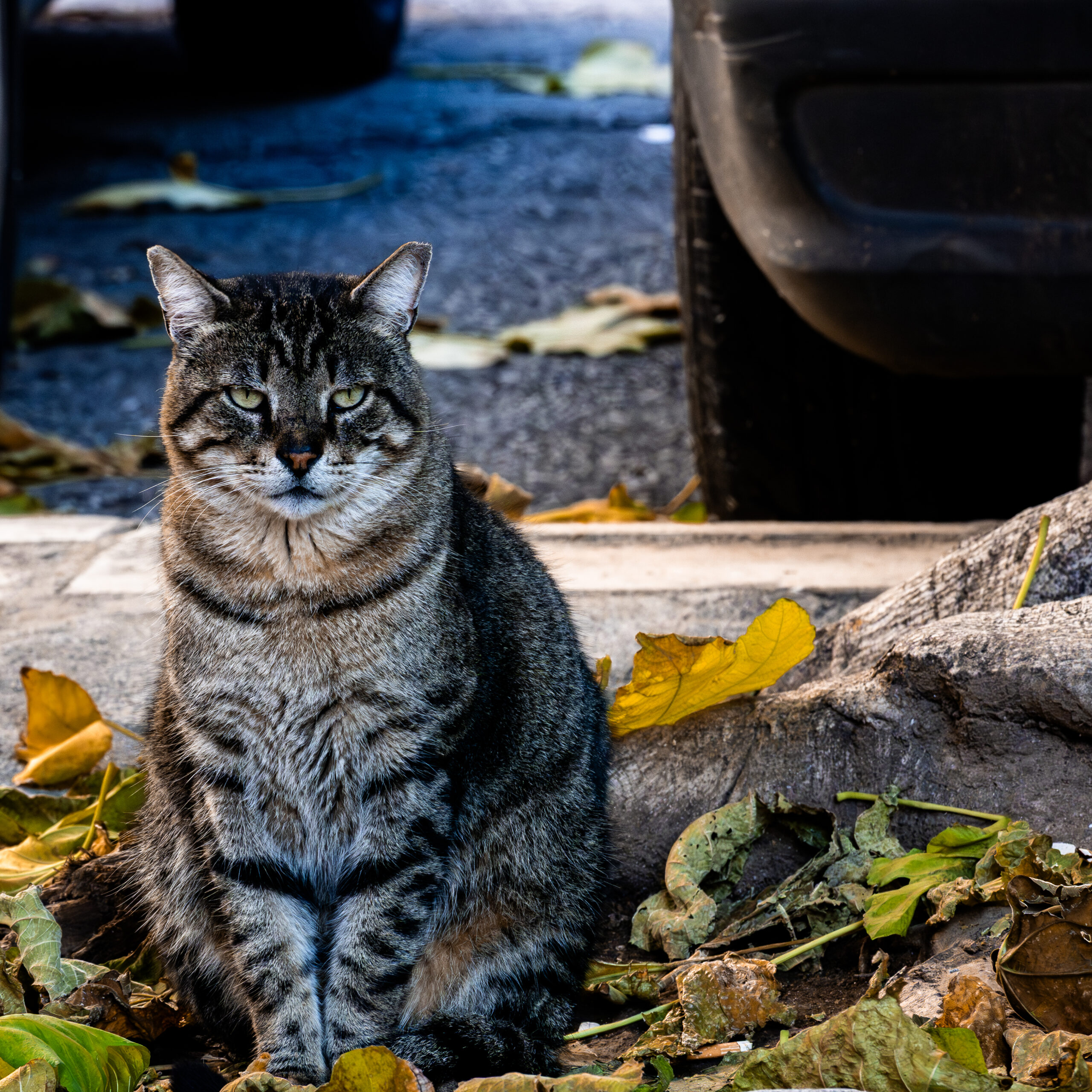
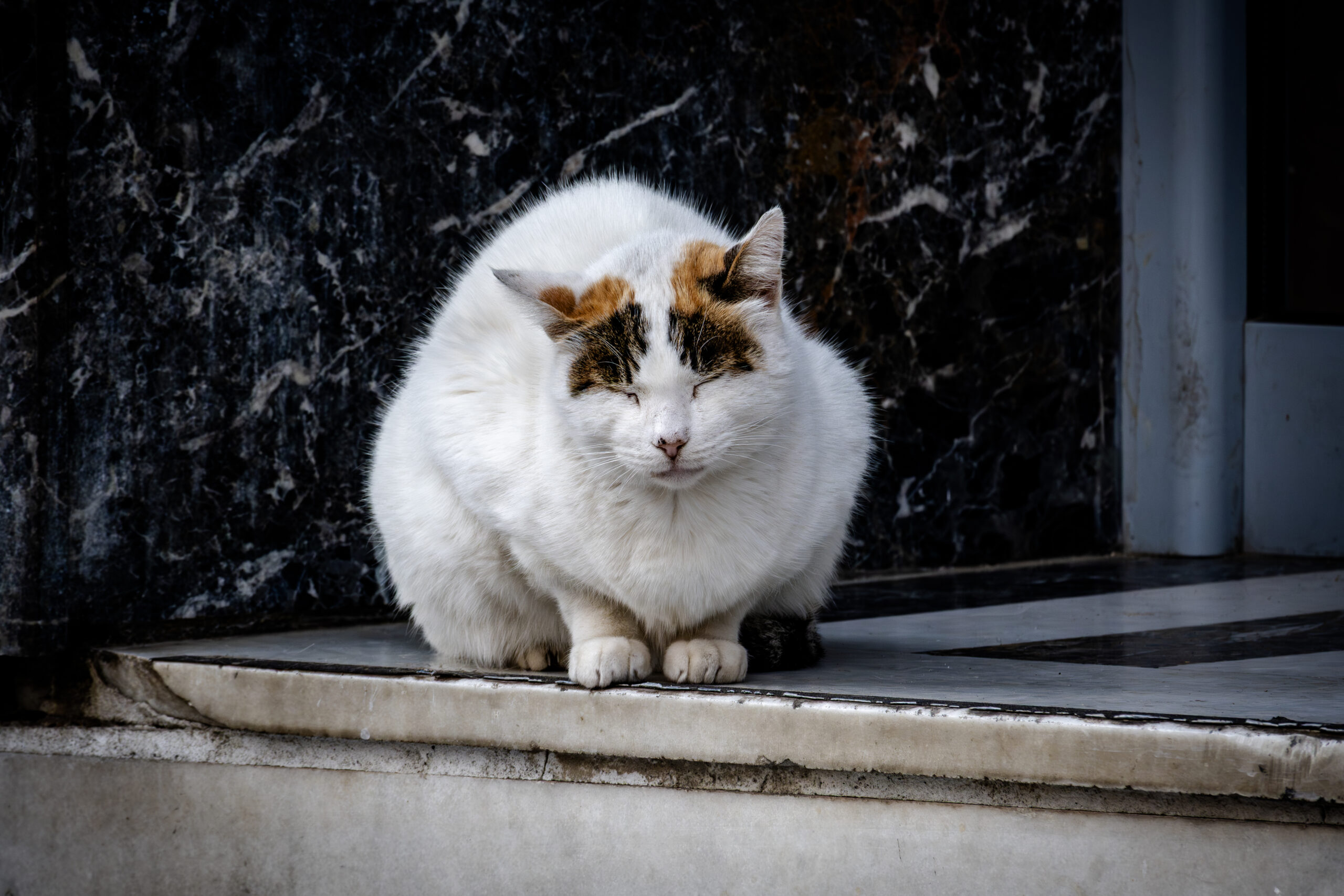
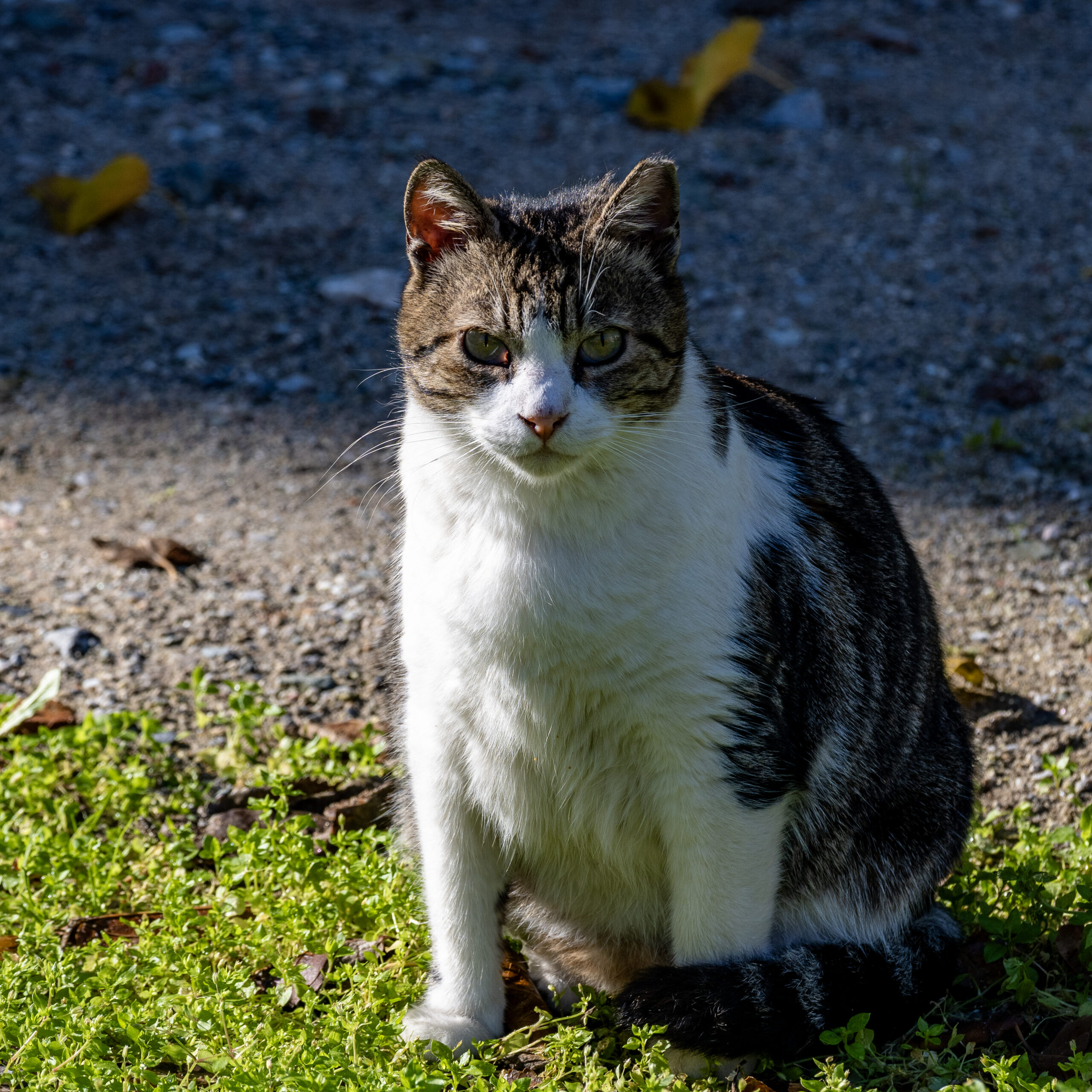
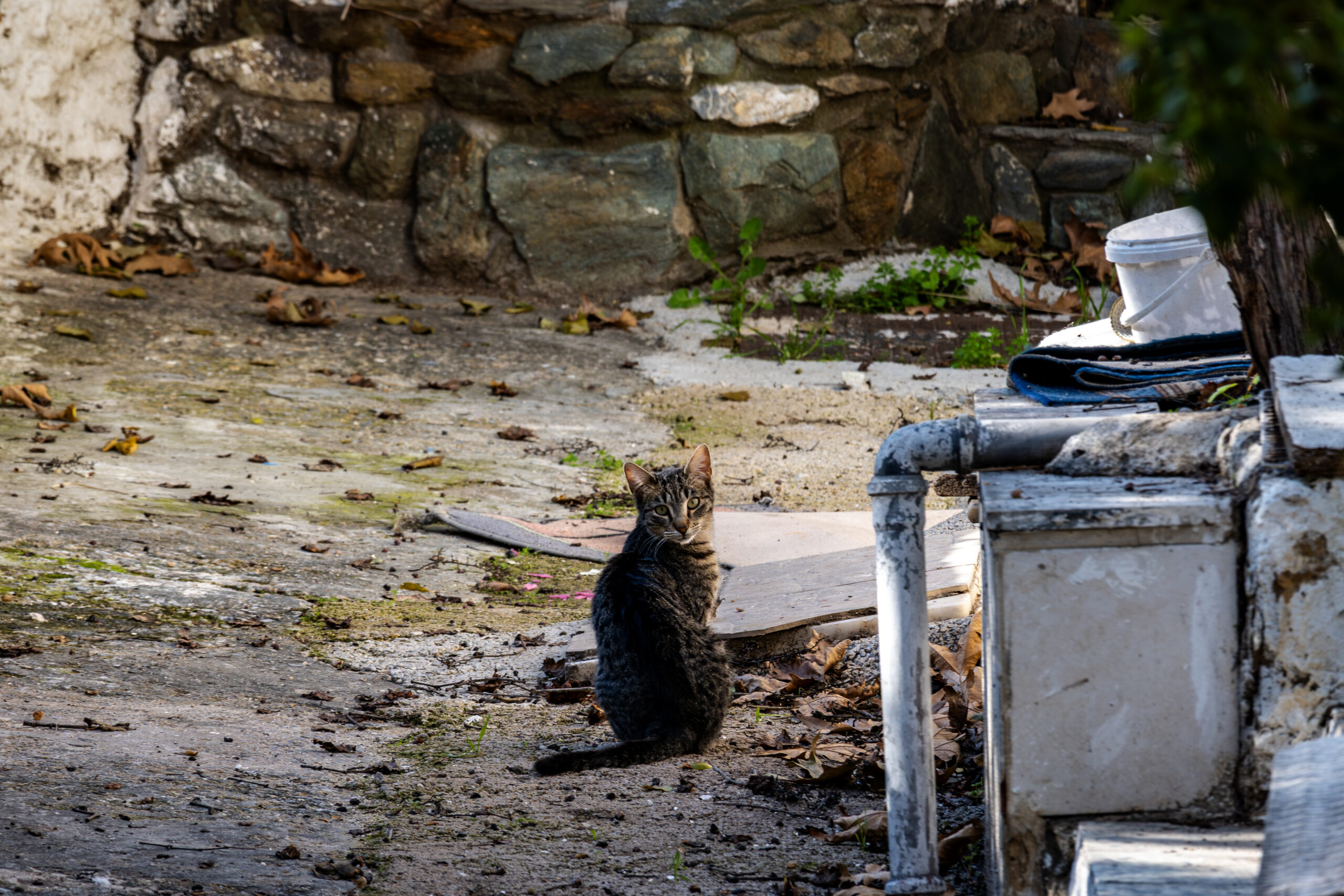
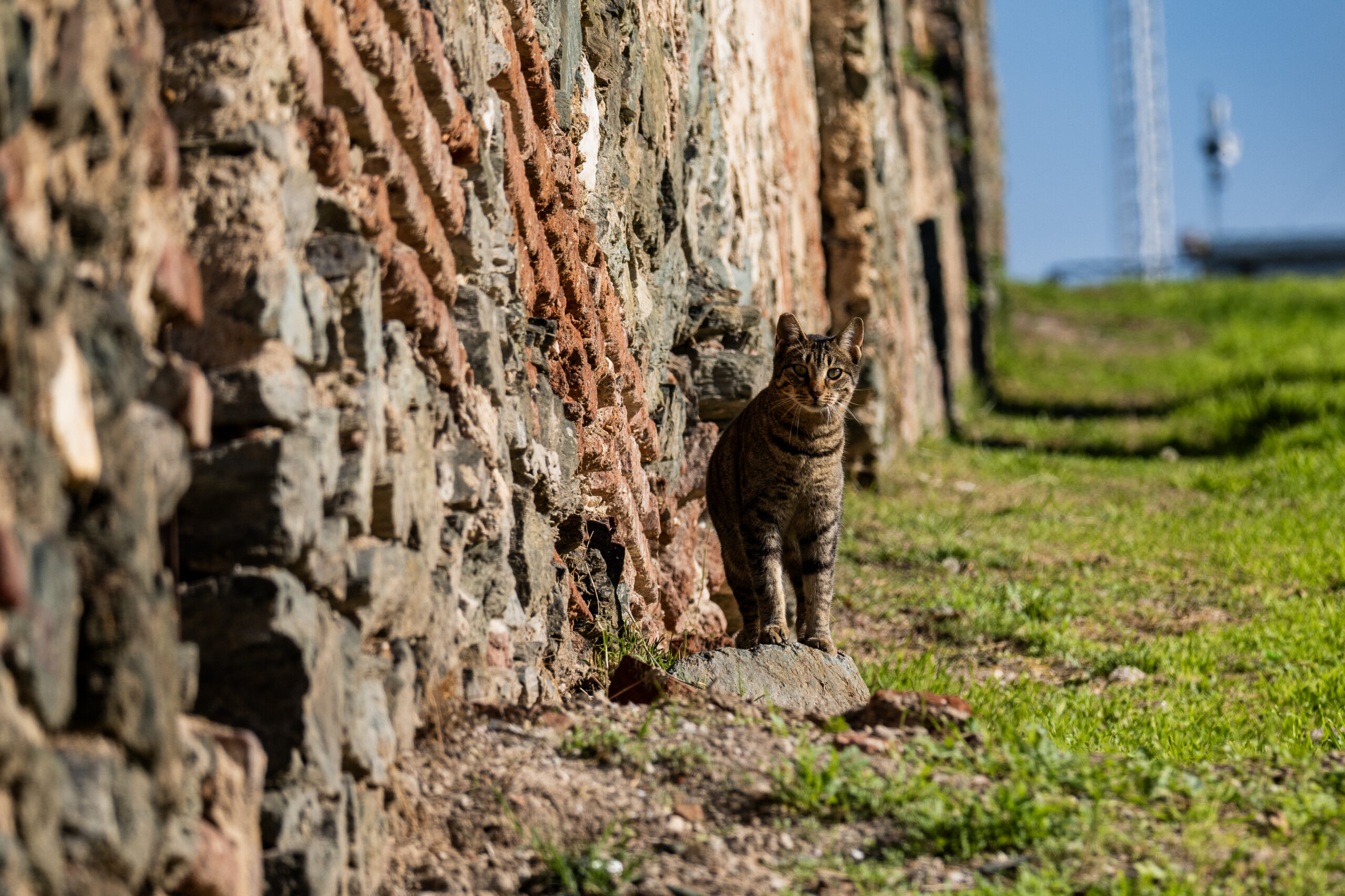
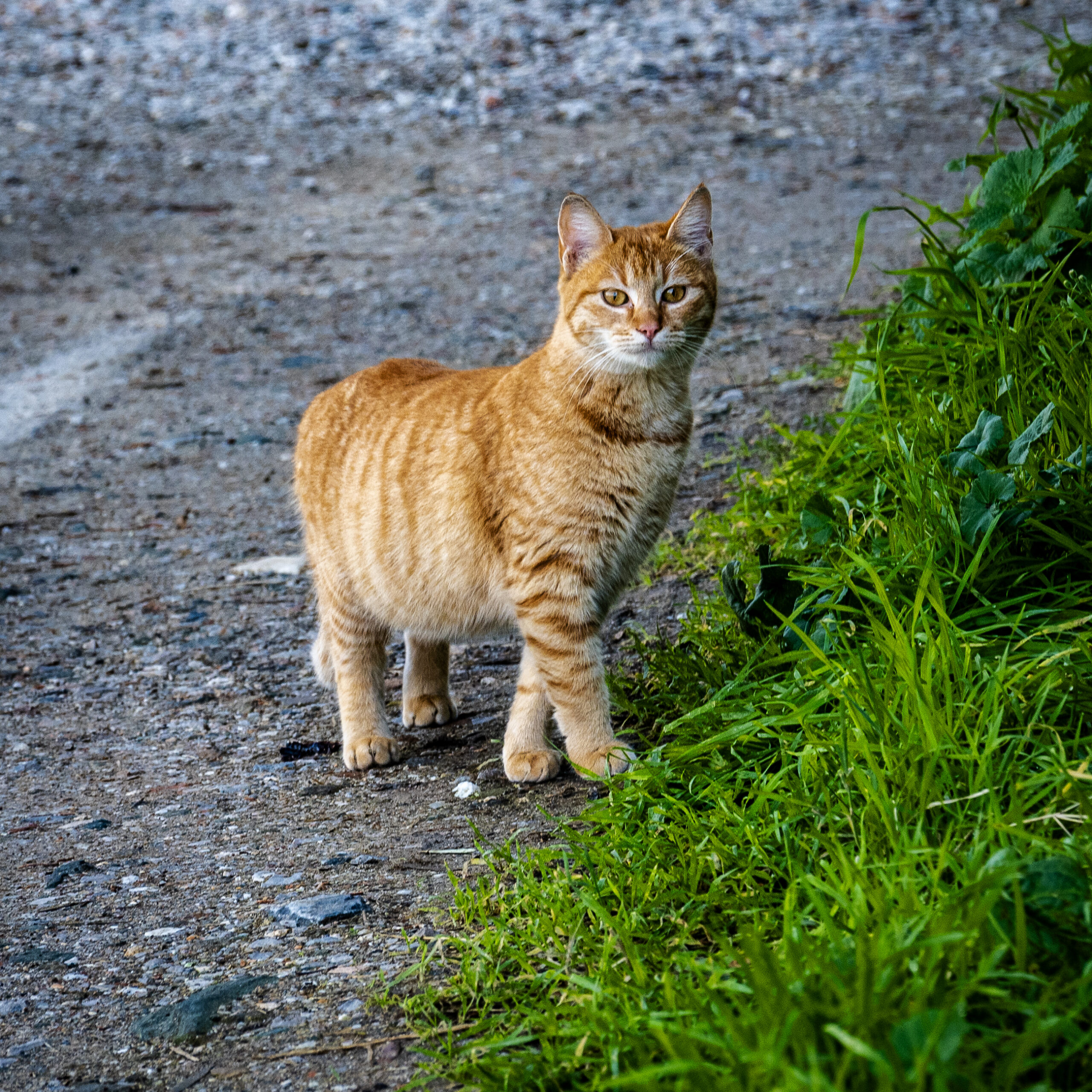
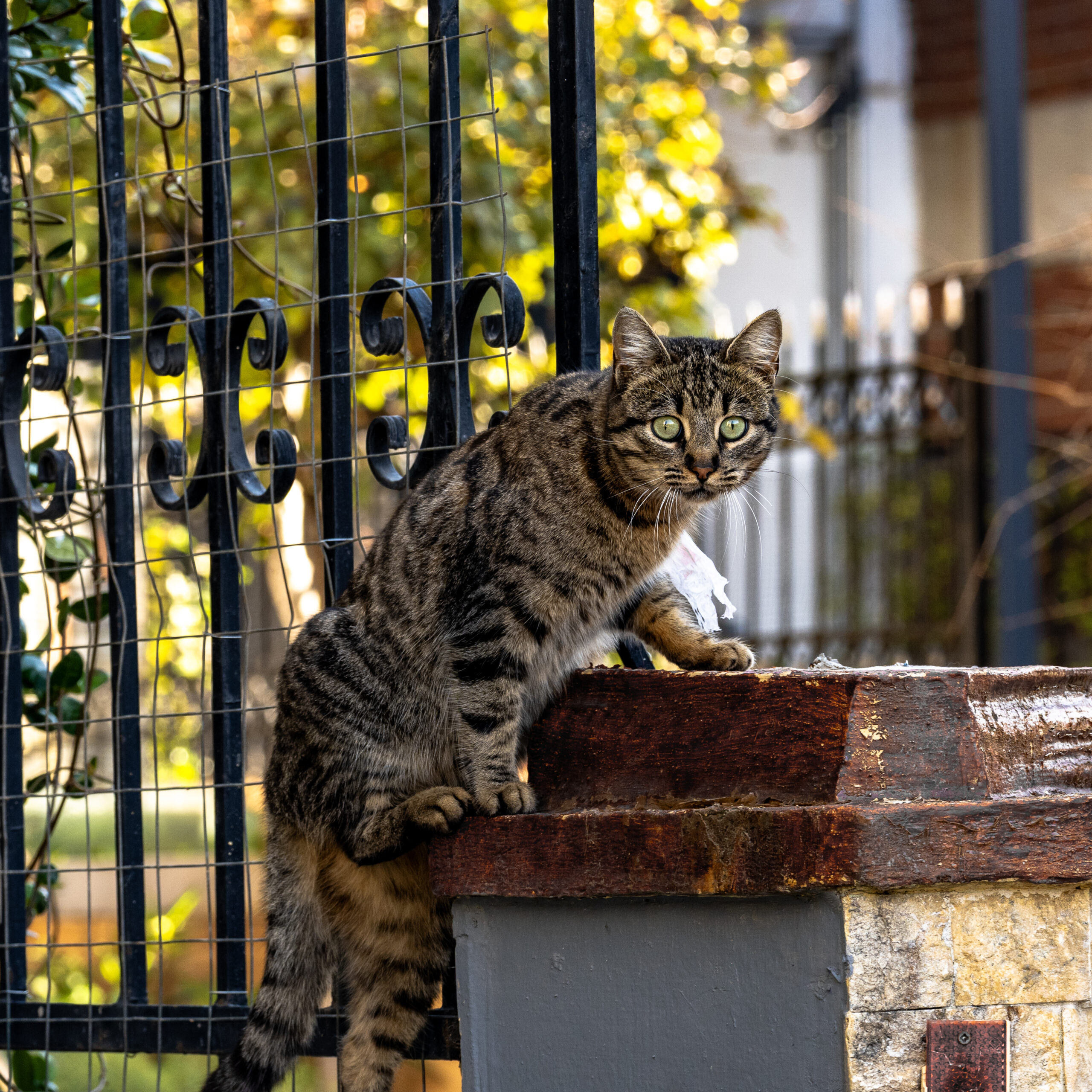
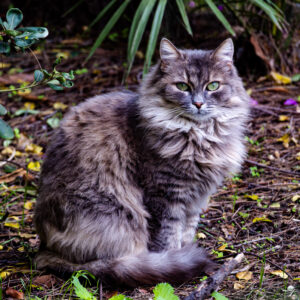
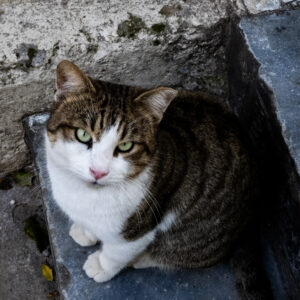
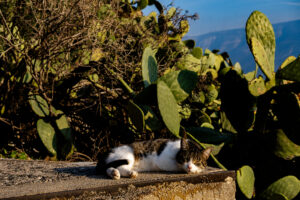
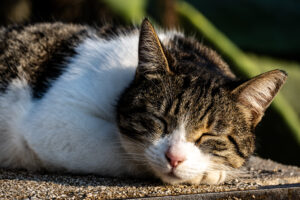
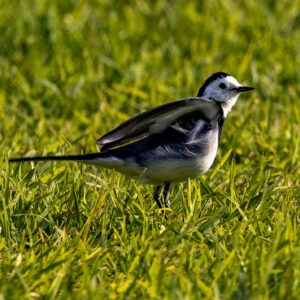
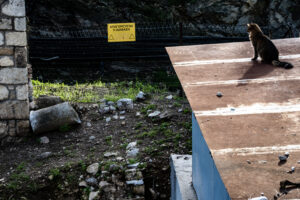
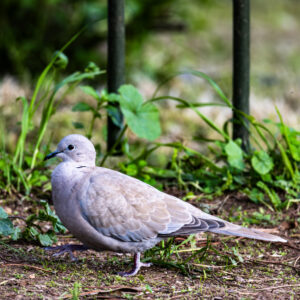
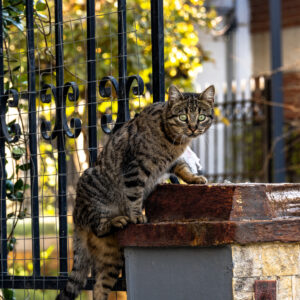
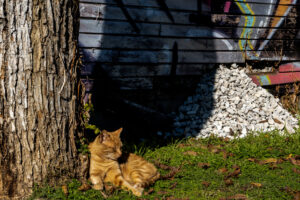
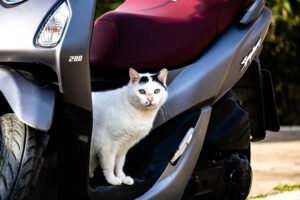
- As with Thessaloniki, Athens is populated by plenty of feline friends. However, I wasn’t quite as ardent about capturing their portraits as I was in Thessaloniki. Nonetheless, I got some.


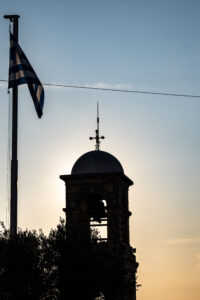
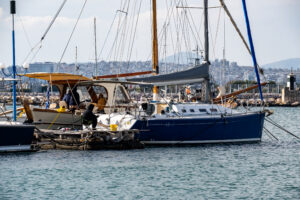
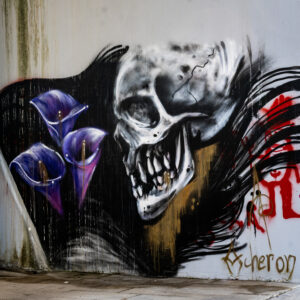
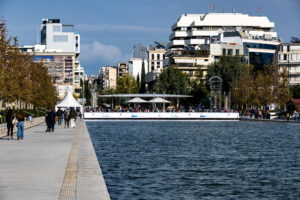
-
Thessaloniki.
Dec. 9 – 15, 2025
Time Traveling in Thessaloniki
- Thessaloniki was my escape from the dark, wet and cold of central Europe. Seated high on the neck of the Greek peninsula, looking out on the Aegean sea, Thessaloniki was exactly what I was looking for. The temperature bumped up ten degrees from Austria and Czechia, though you wouldn’t necessarily know it based on the clothing of the locals. I often found myself in a t-shirt while the Greeks around me were decked out in sweaters and puffer jackets. I guess winter is more relative to your experience than I’d realized.
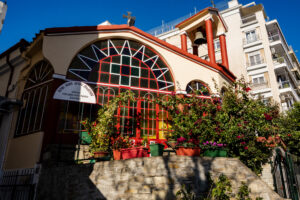
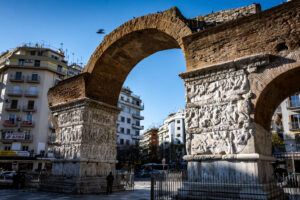
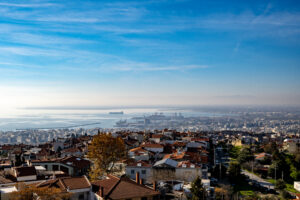
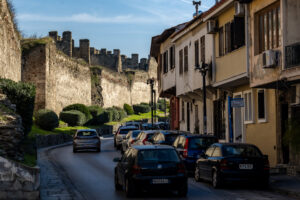
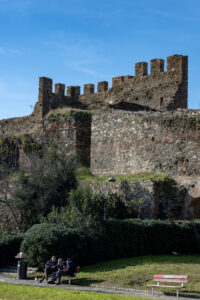
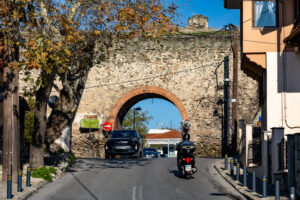
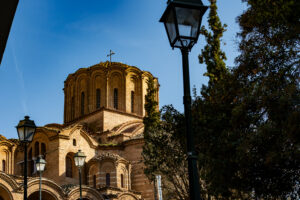
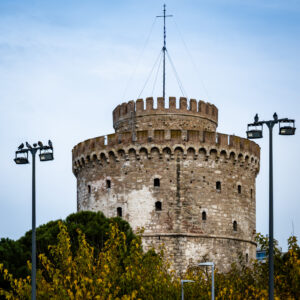
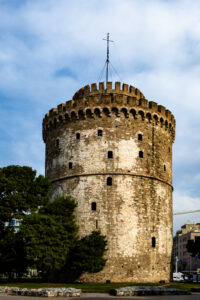
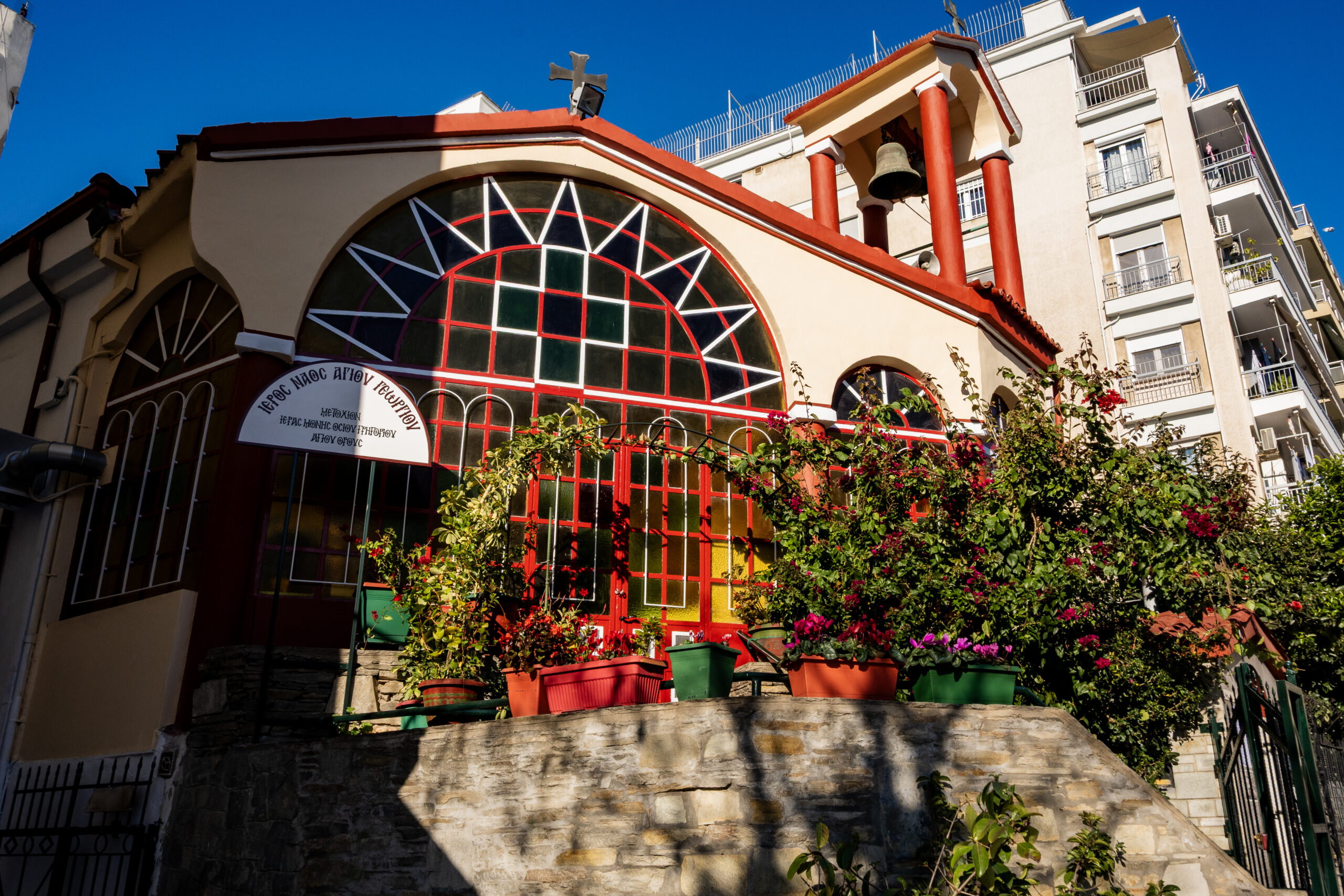
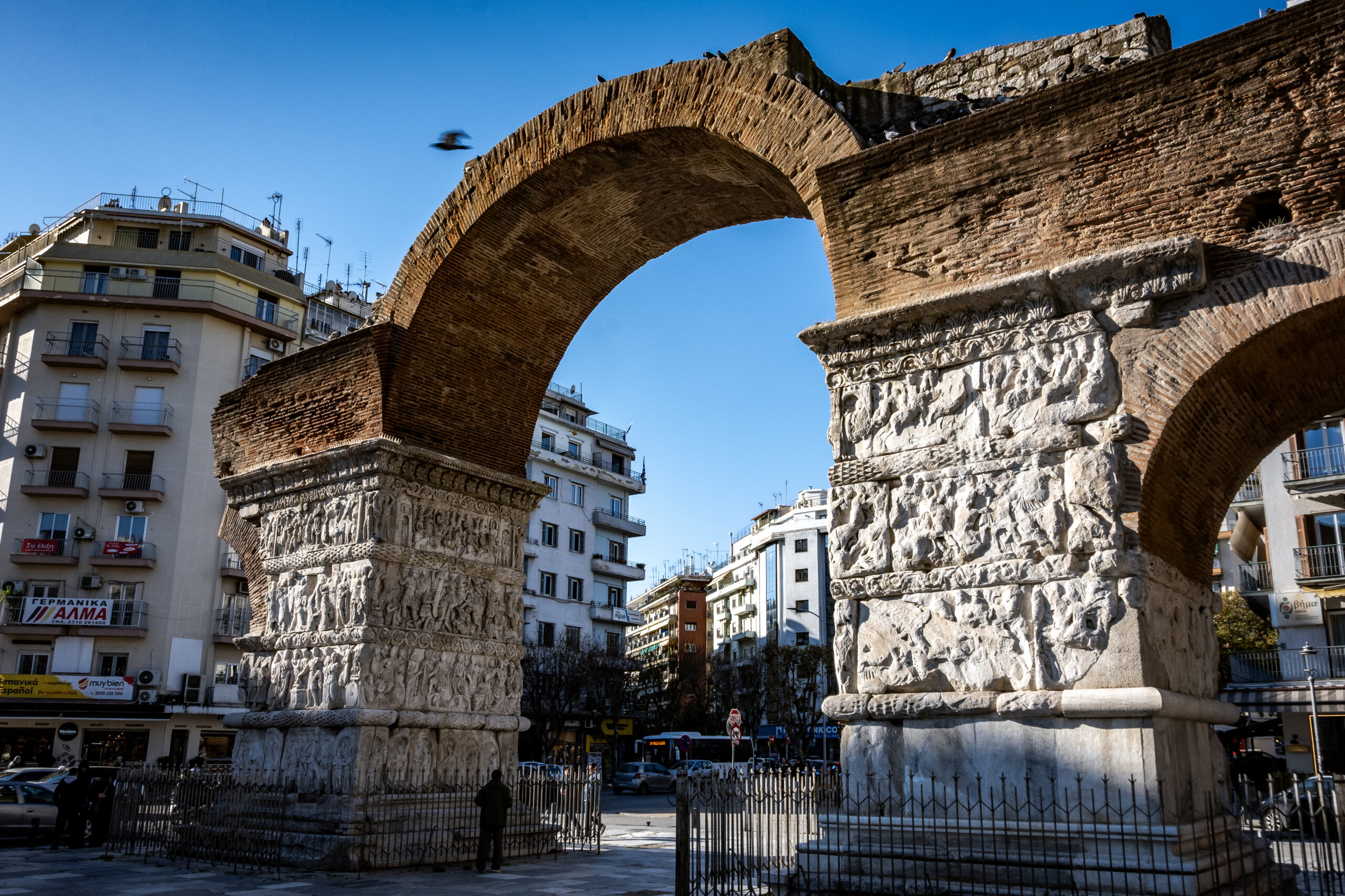
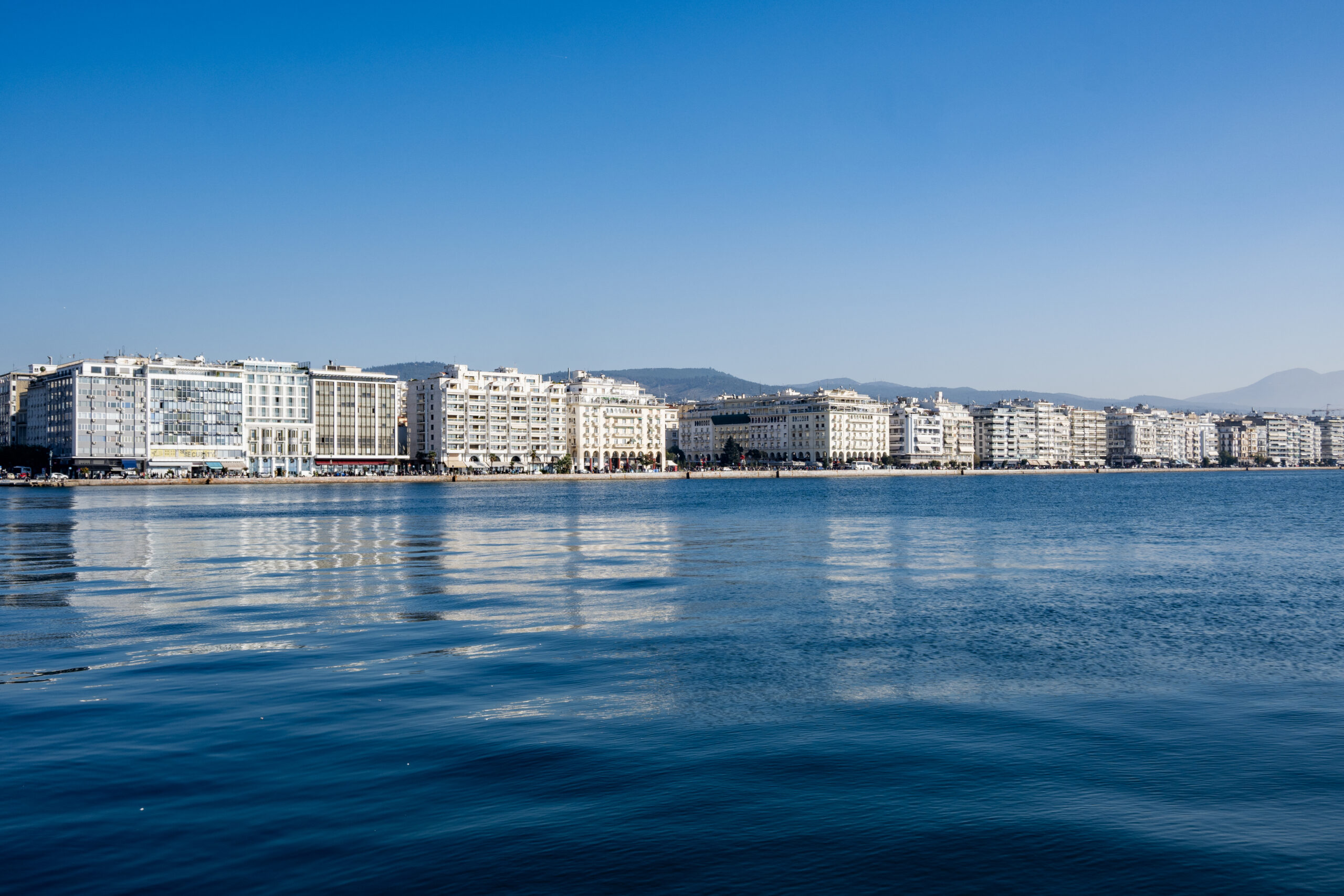
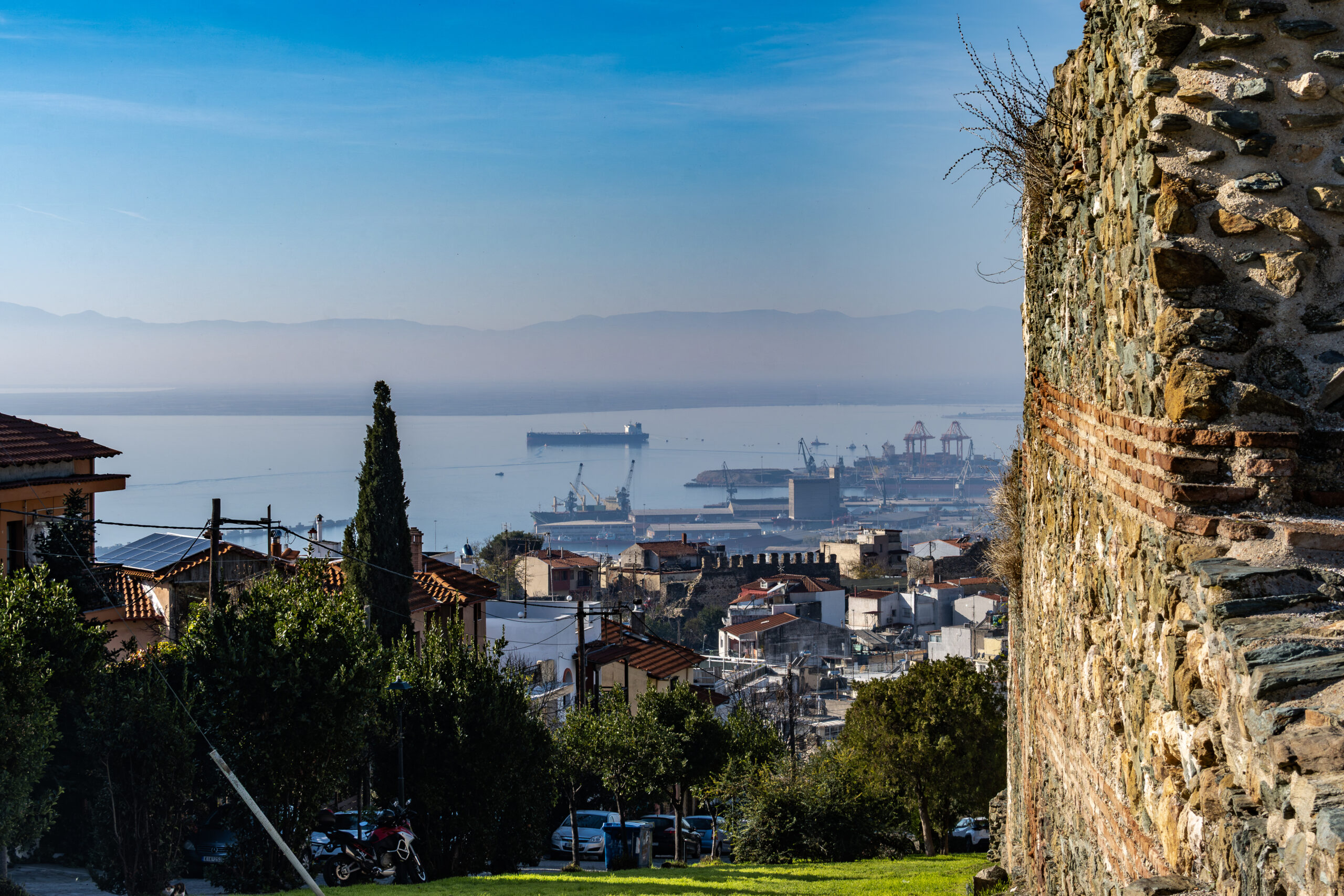
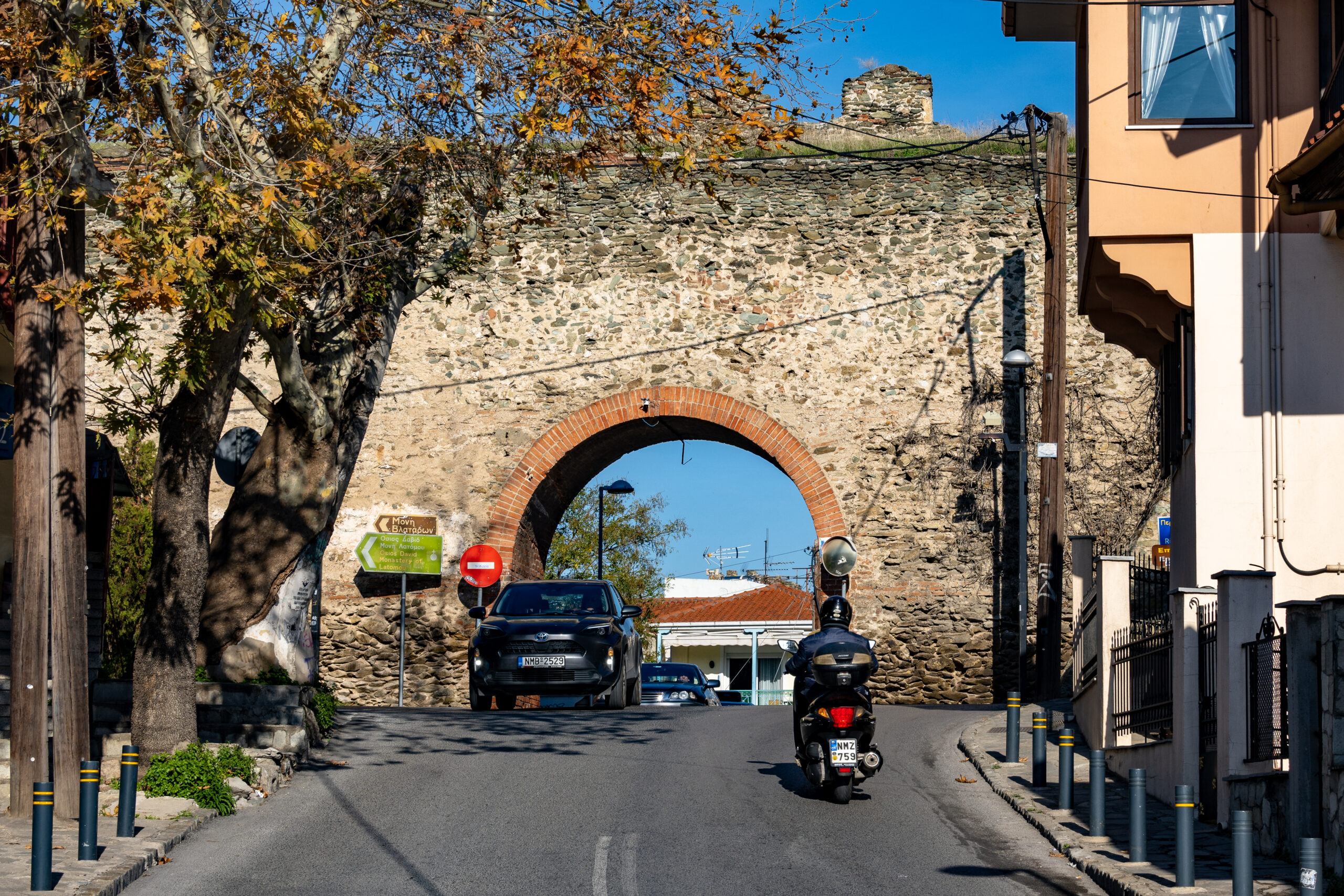
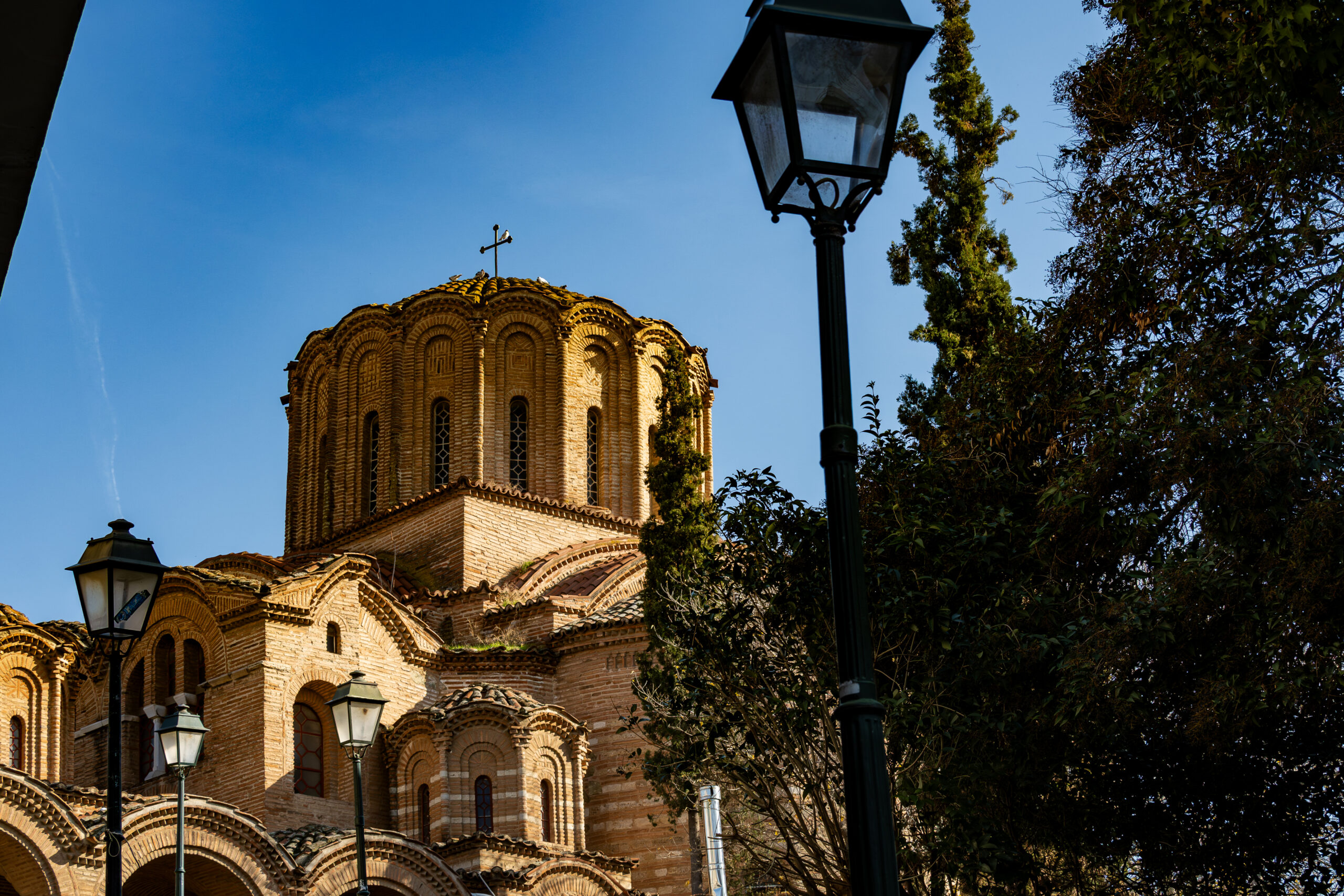
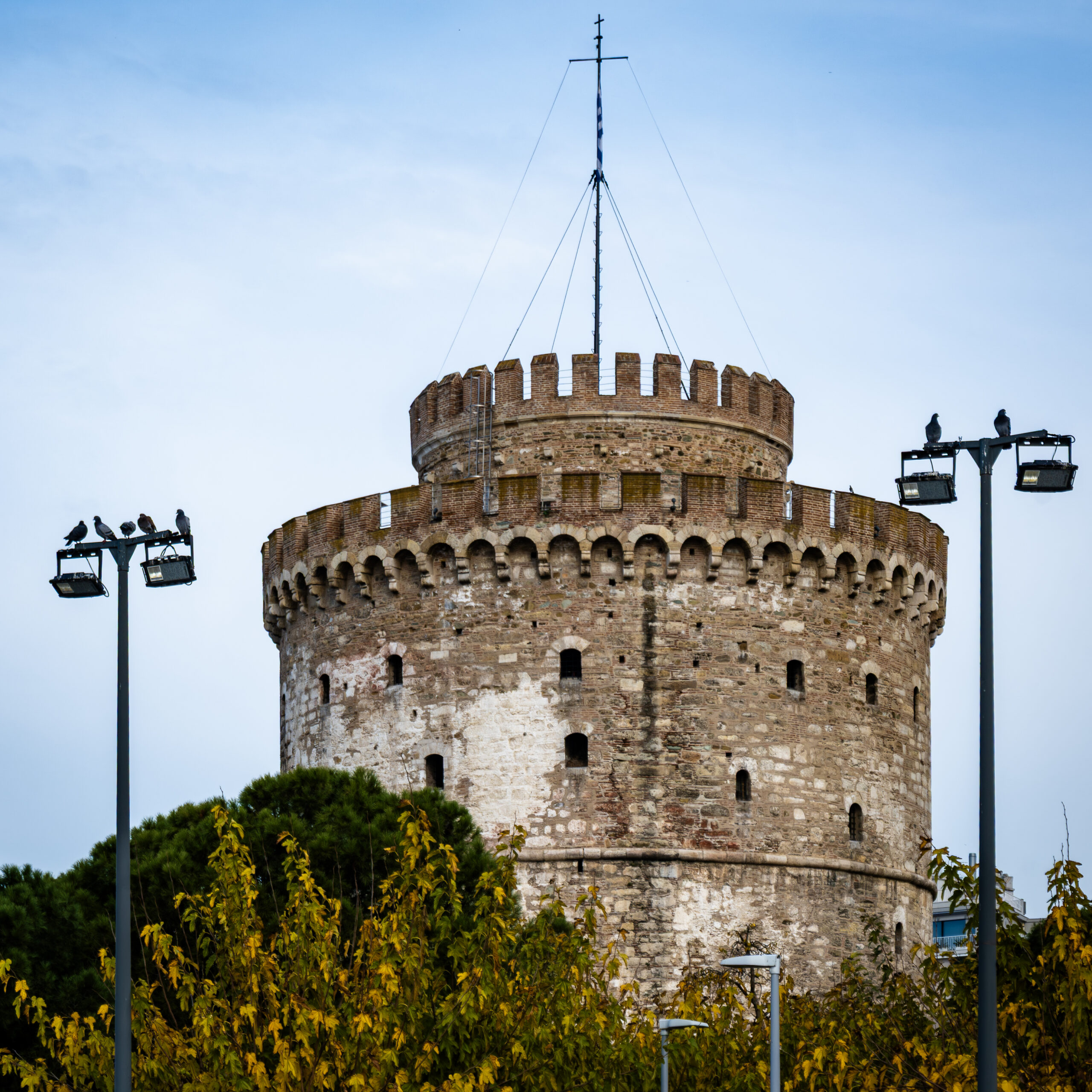
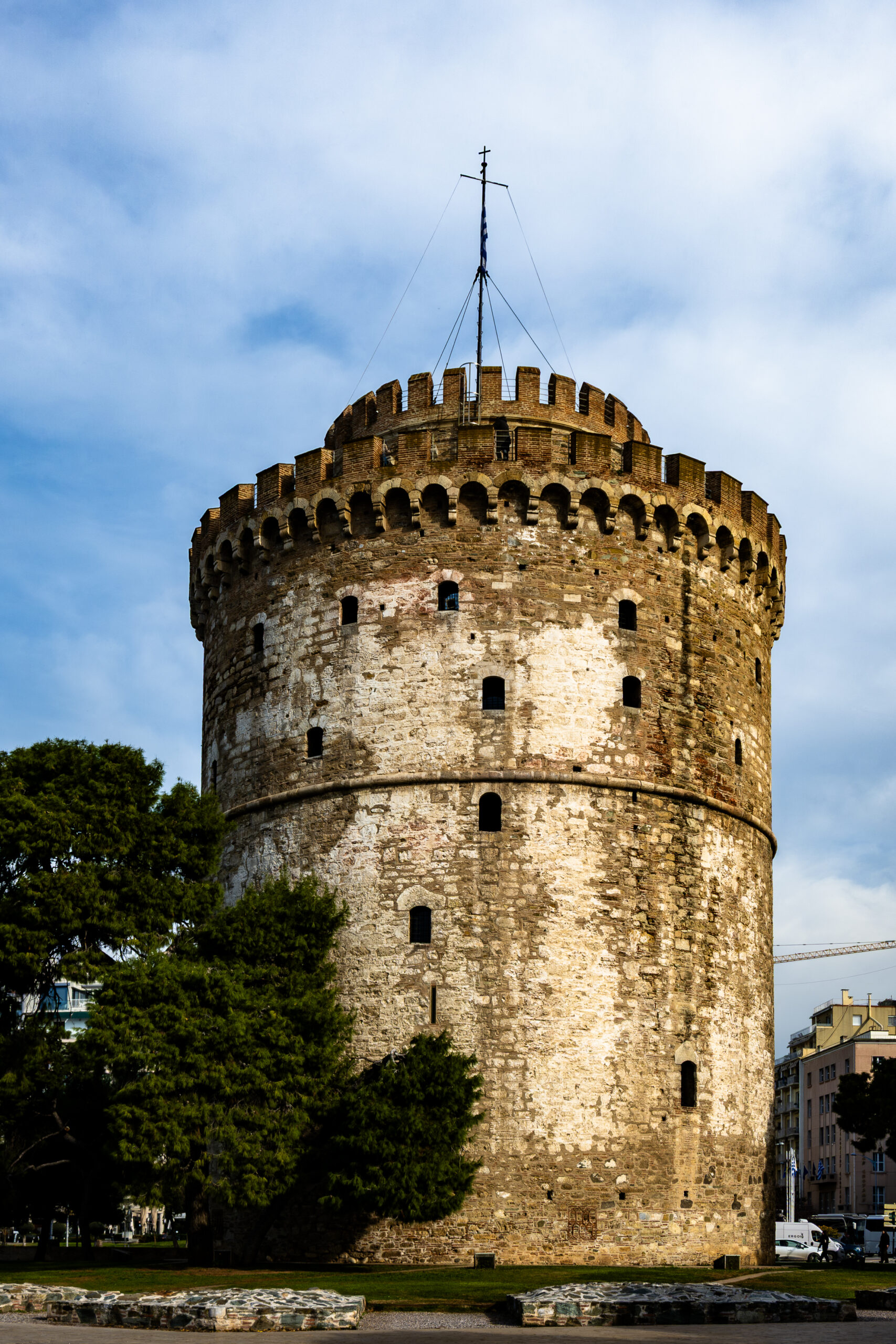
- The city centre of Thessaloniki stretches along a narrow stretch of land where the hills dip down to meet the coastline. It’s a relatively compact city, rich with a history belonging to a number of different empires. Founded during the reign of Alexander the Great, conquered by Rome a hundred and fifty years later, ascending to a key economic hub during the post-Roman Byzantine Empire, conquered again by the Ottomans in the 1400s. These remains of these various empires are found littered throughout the city. Excavations for the newly installed subway system uncovered a variety of previously unknown ruins, to accompany the more obvious Roman palaces and arches, Byzantine walls and Ottoman fortresses.
- I really enjoyed my hostel in Thessaloniki. The cutely named Zeus is Loose is situated overlooking a large public square, which was filled with a Christmas market during my stay. This square is sandwiched between the busy main road through the city and the ruins of the Roman Forum. From the common room of the hostel on the fifth floor, there was a tremendous view over these sights. The common room itself is was generously appointed with a number of seating options, a big screen, a huge, well stocked kitchen, and wall to wall windows. The perfect place for enjoying a coffee in the morning sunlight. A rooftop bar and restaurant added even more appeal to the hostel. I was incredibly grateful for these comfortable public spaces, because my room had some more of the less appealing aspects of communal living that I’d become accustomed to.
Upon first entering the room, I was smacked in the face with some serious foot stink. By now, I was inured to the social embarrassment of needing to ask someone to wash their feet, and brought it up nearly immediately with the young man responsible. He took the note well and immediately washed his feet and even went so far as to try to deodorize his shoes, though his method was a little questionable. If you’re wondering whether spraying half a can of Axe body-spray into your shoes will remove pesky foot odor, no, no it will not. In fact, at that point, now you will have two problems on your hands. But, we found a somewhat amenable solution by storing his shoes in the water closet of the room, which thankfully had a door and a fan.
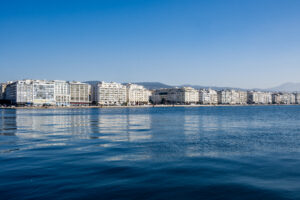
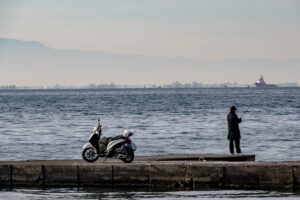
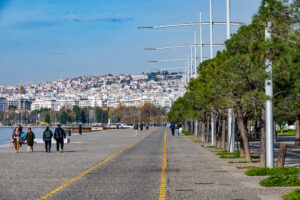
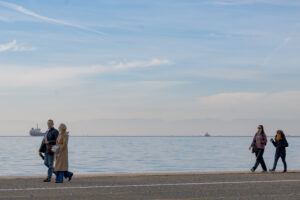
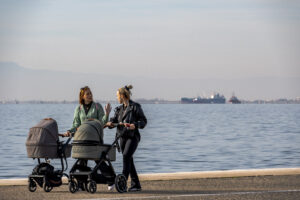
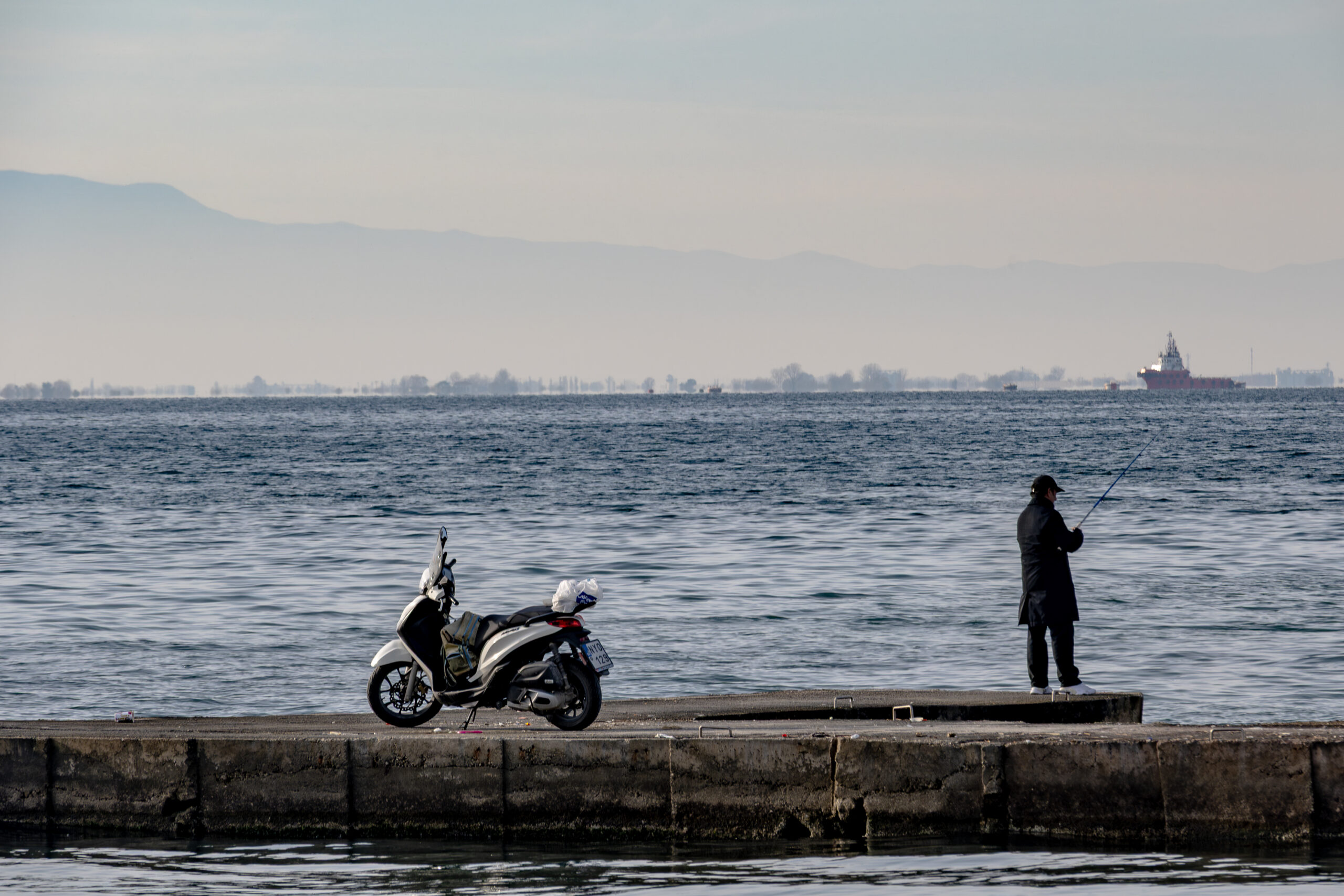
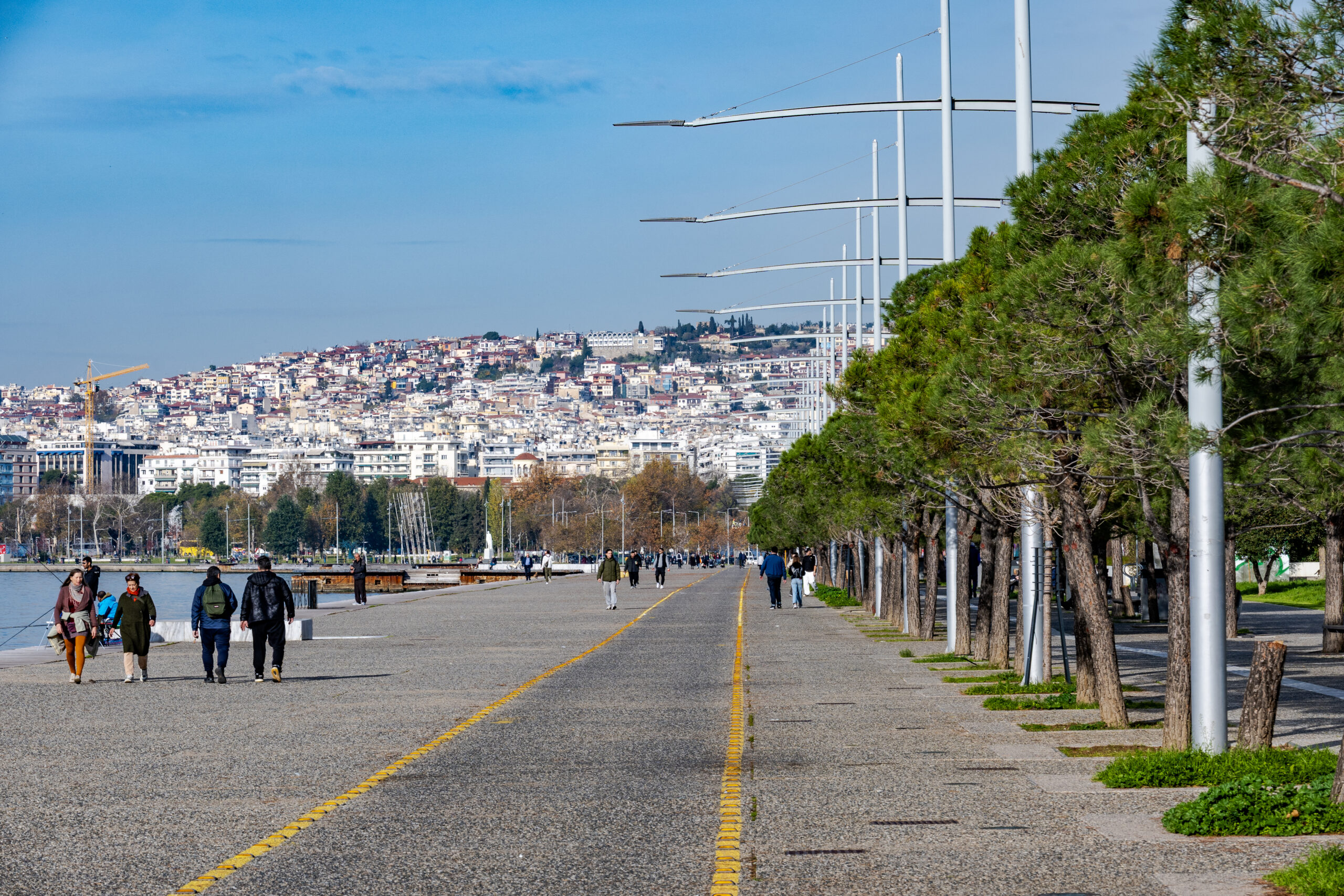
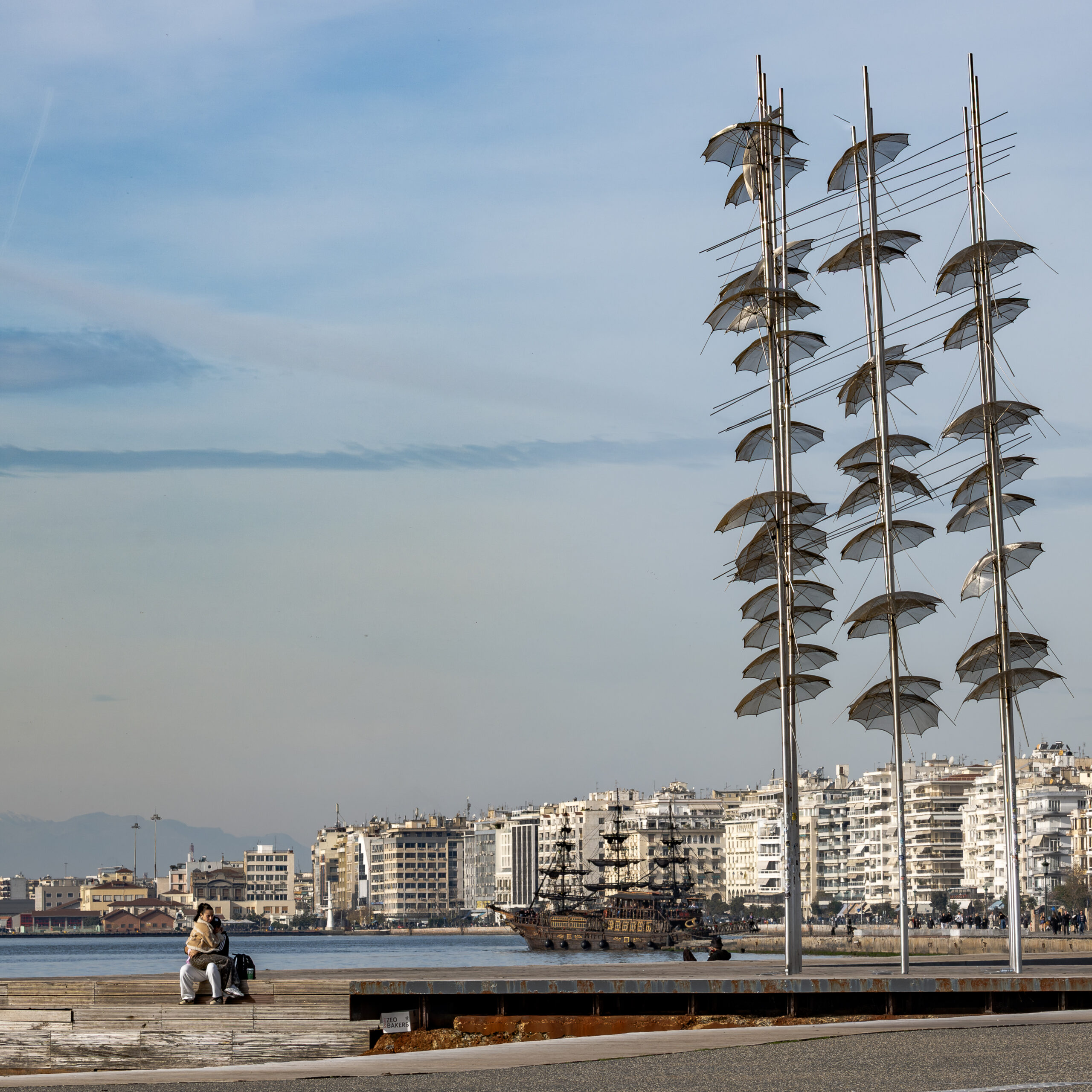
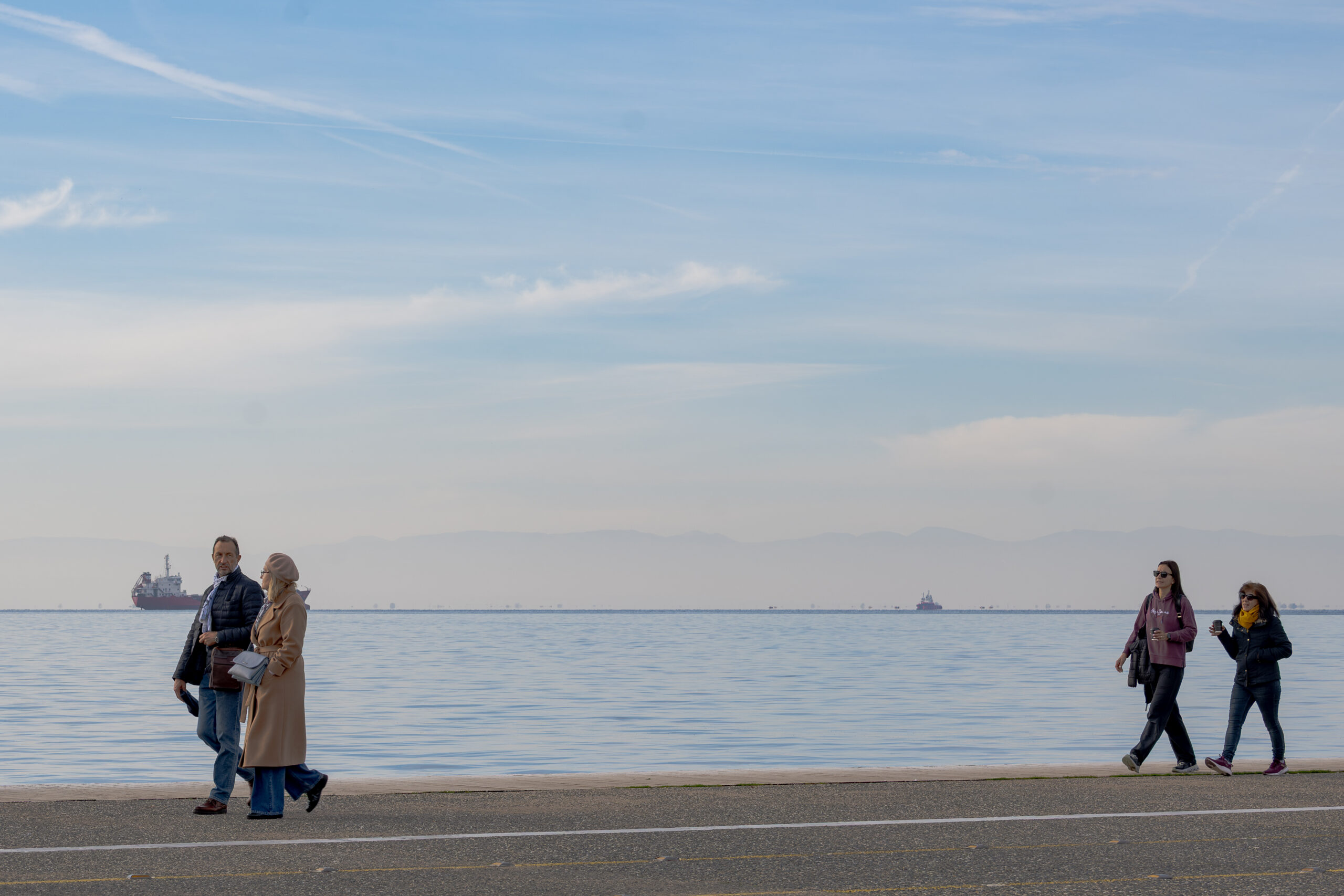
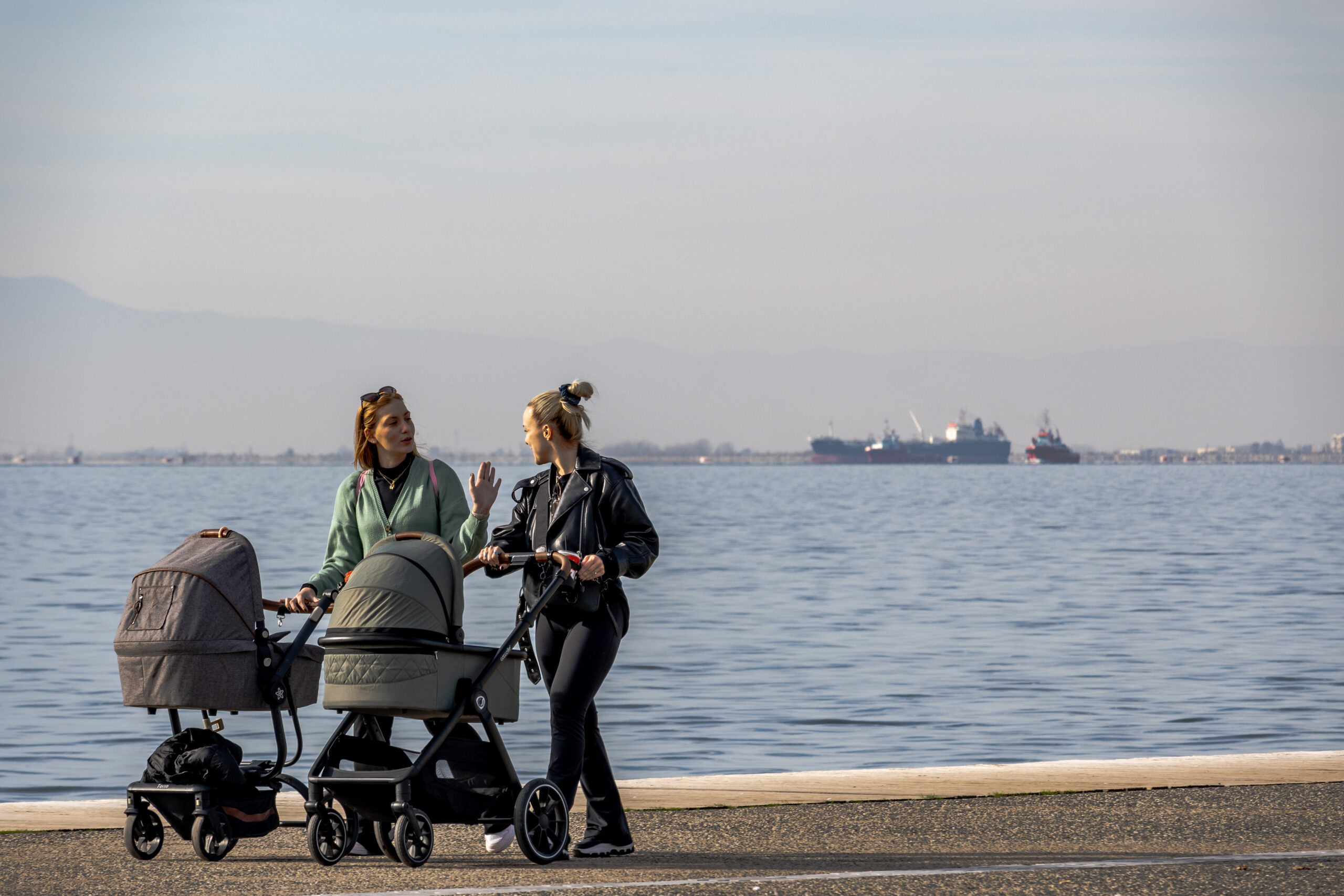
This same roommate, nice enough in nature, would prove to be a continued annoyance due to his willingness to live in squalor and a propensity for drinking in excess. Each night he would leave in the early evening, only to reappear an hour or so later with a bag laden with beer cans. He would then slowly work his way through his stash for the rest of the night. A new can hissing open once every forty-five minutes or so. And then at some point in the early morning, he would make his way to the toilet to pray to the porcelein gods. Though, whether that was due to the beer or the concentrated foot-Axe odor, who’s to say? - My first outing into Thessaloniki was a restorative walk along the seawall that runs the length of the city. The day was clear and full of sunlight. The air was warm, with a bit of autumn crisp to it. I spent plenty of time sitting on a bench, soaking up sun, people watching and taking photos of anything that caught my interest. After a month under the clouds, I felt like I was in a brand new world. It was gorgeous, a lovely day. I didn’t get too hung up on sight-seeing anything specific, just walked along the water and enjoyed the time.
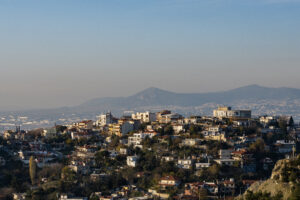
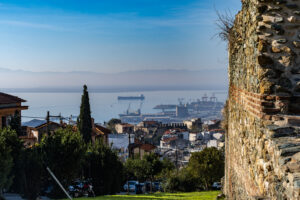
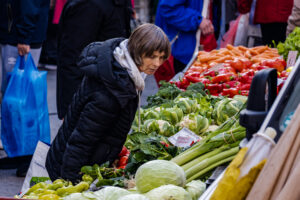
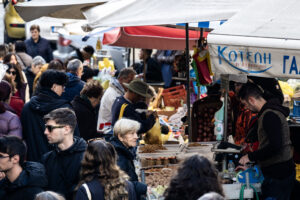
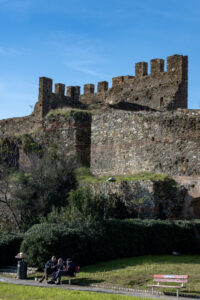
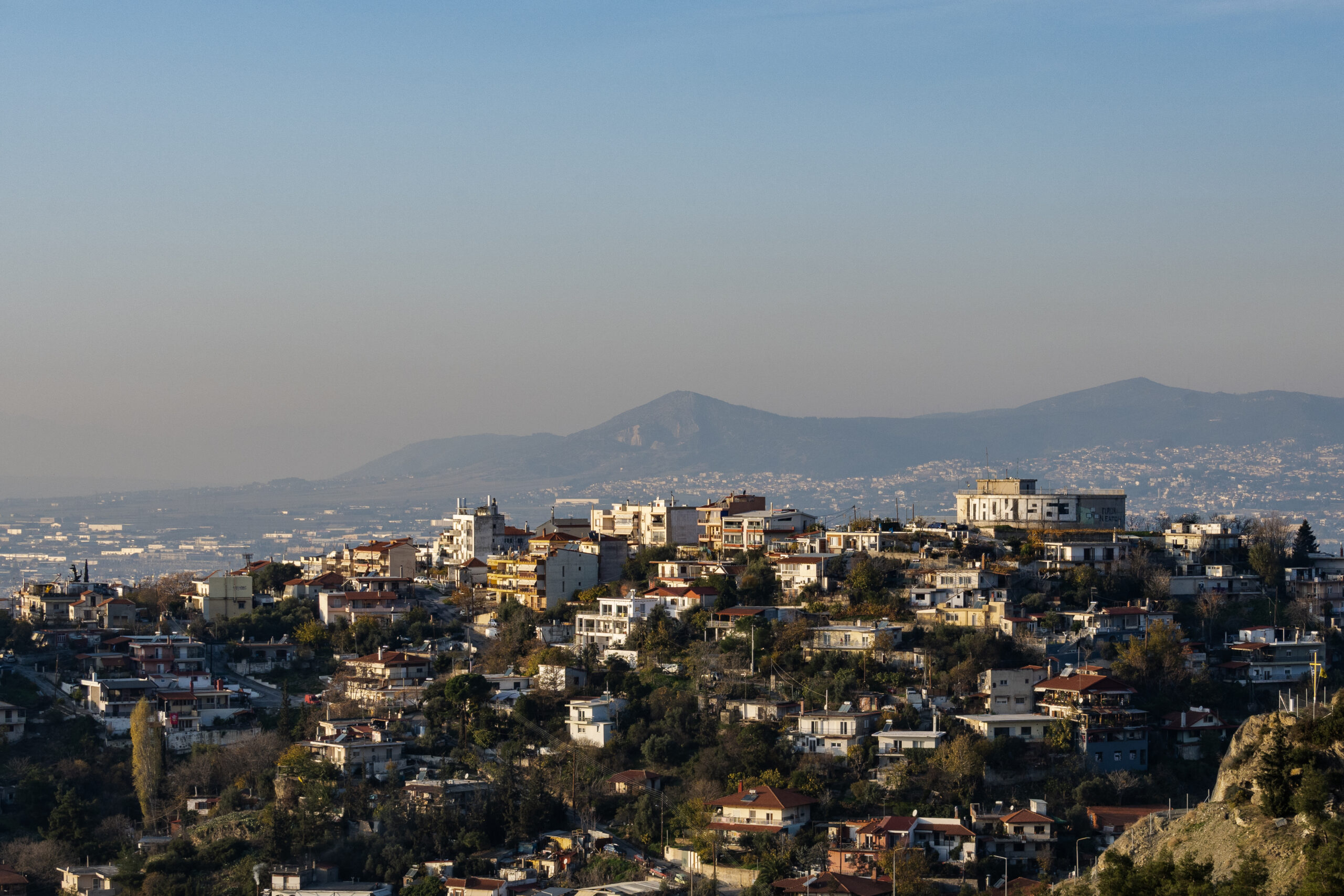
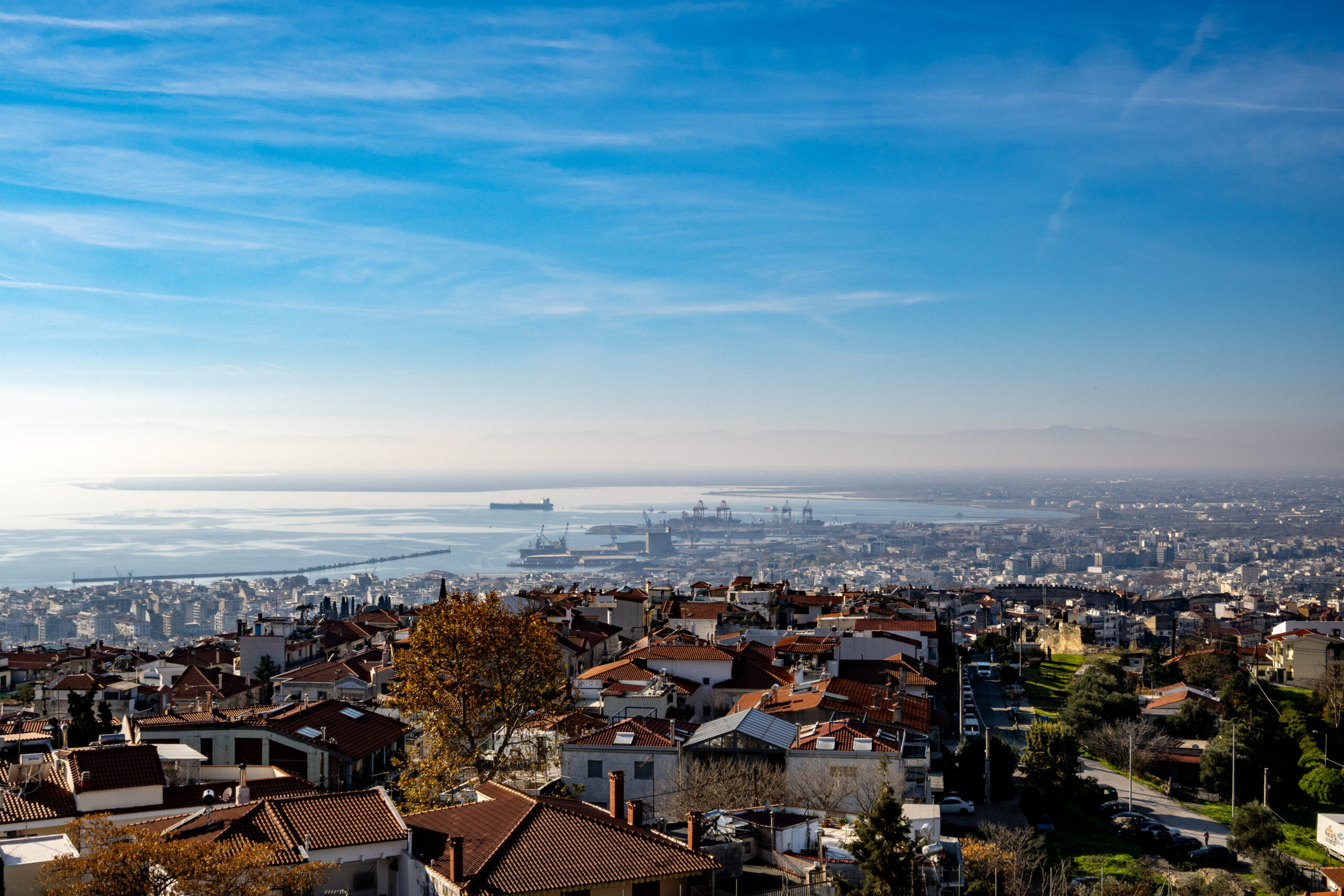
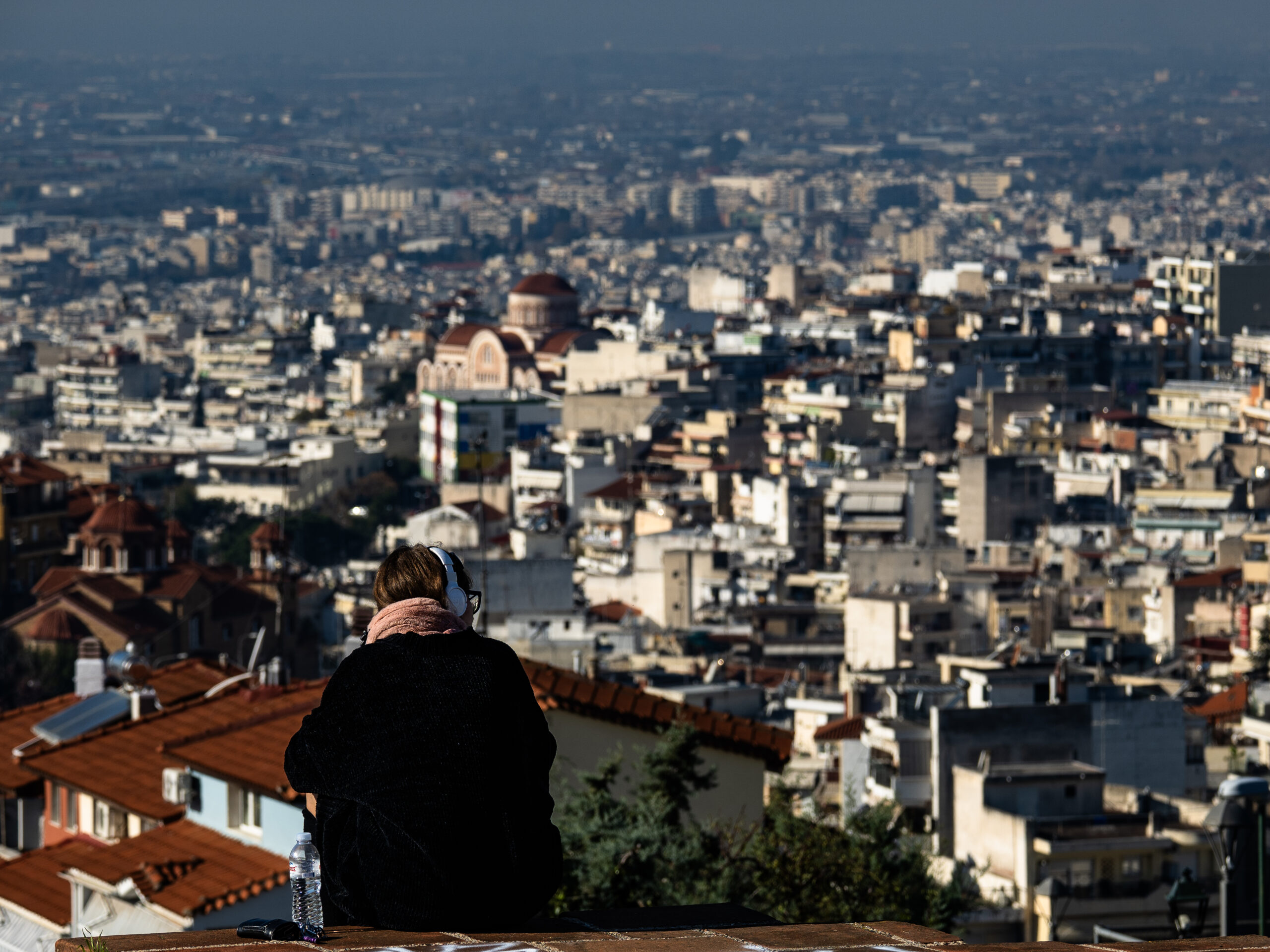
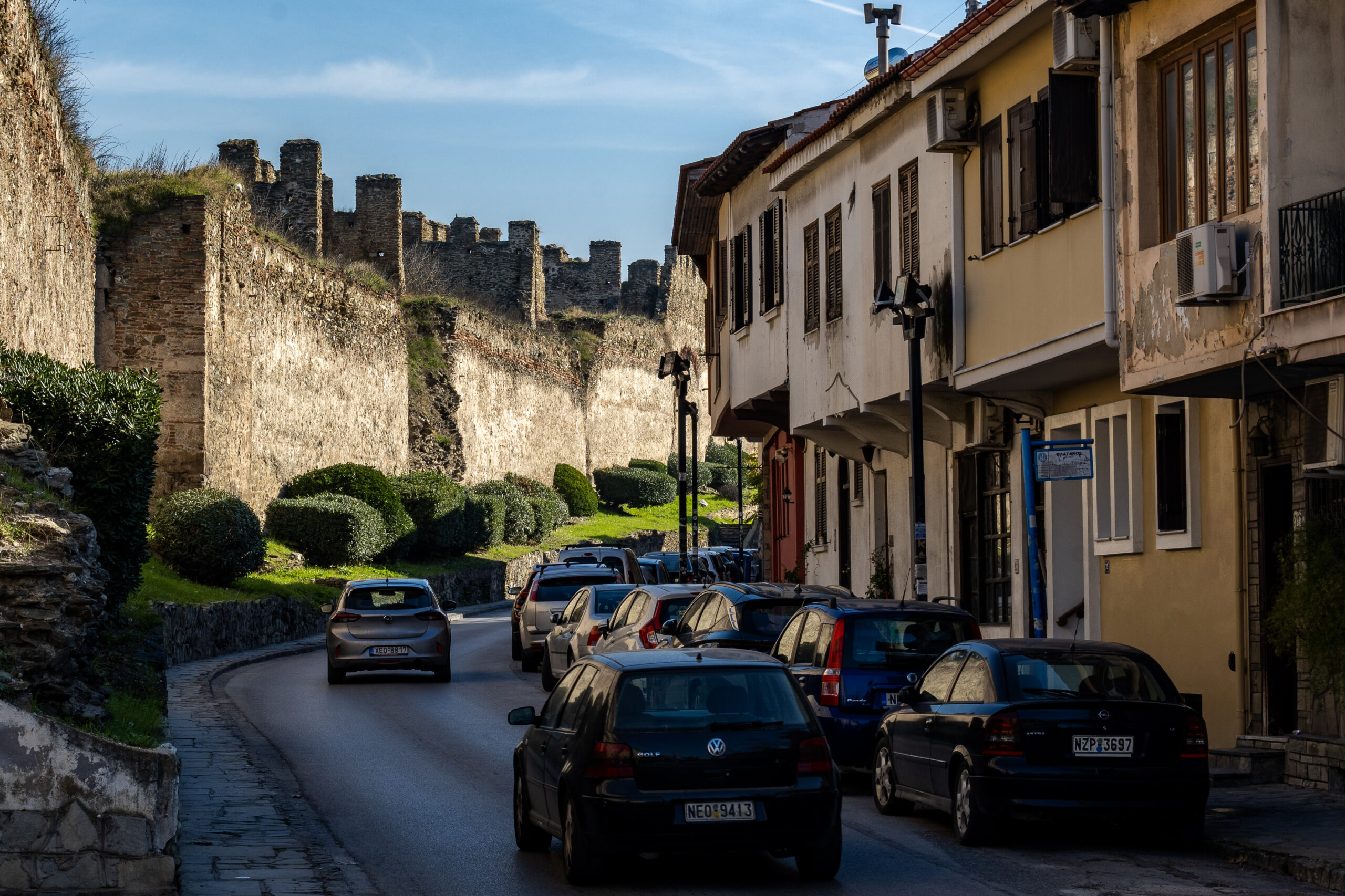
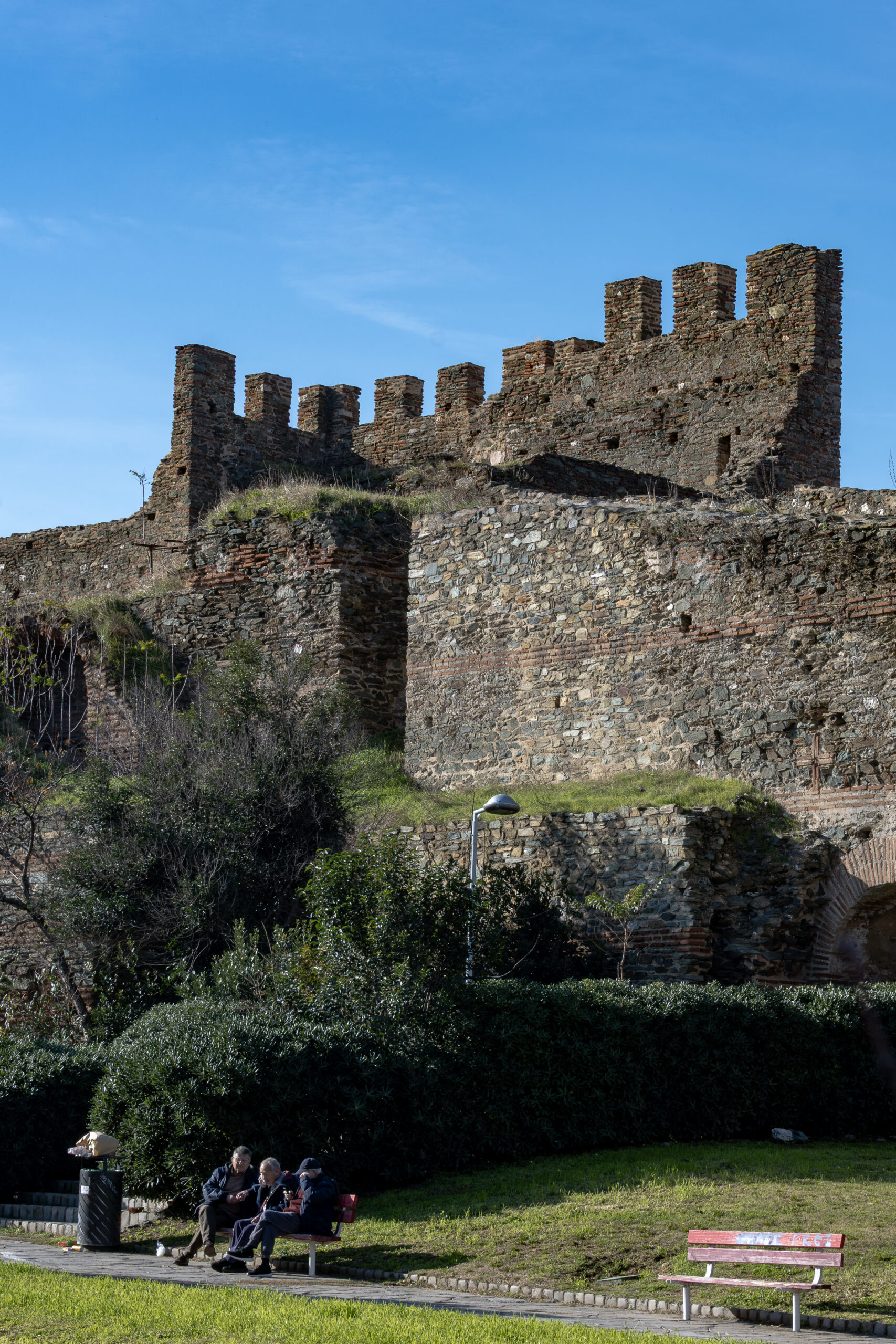
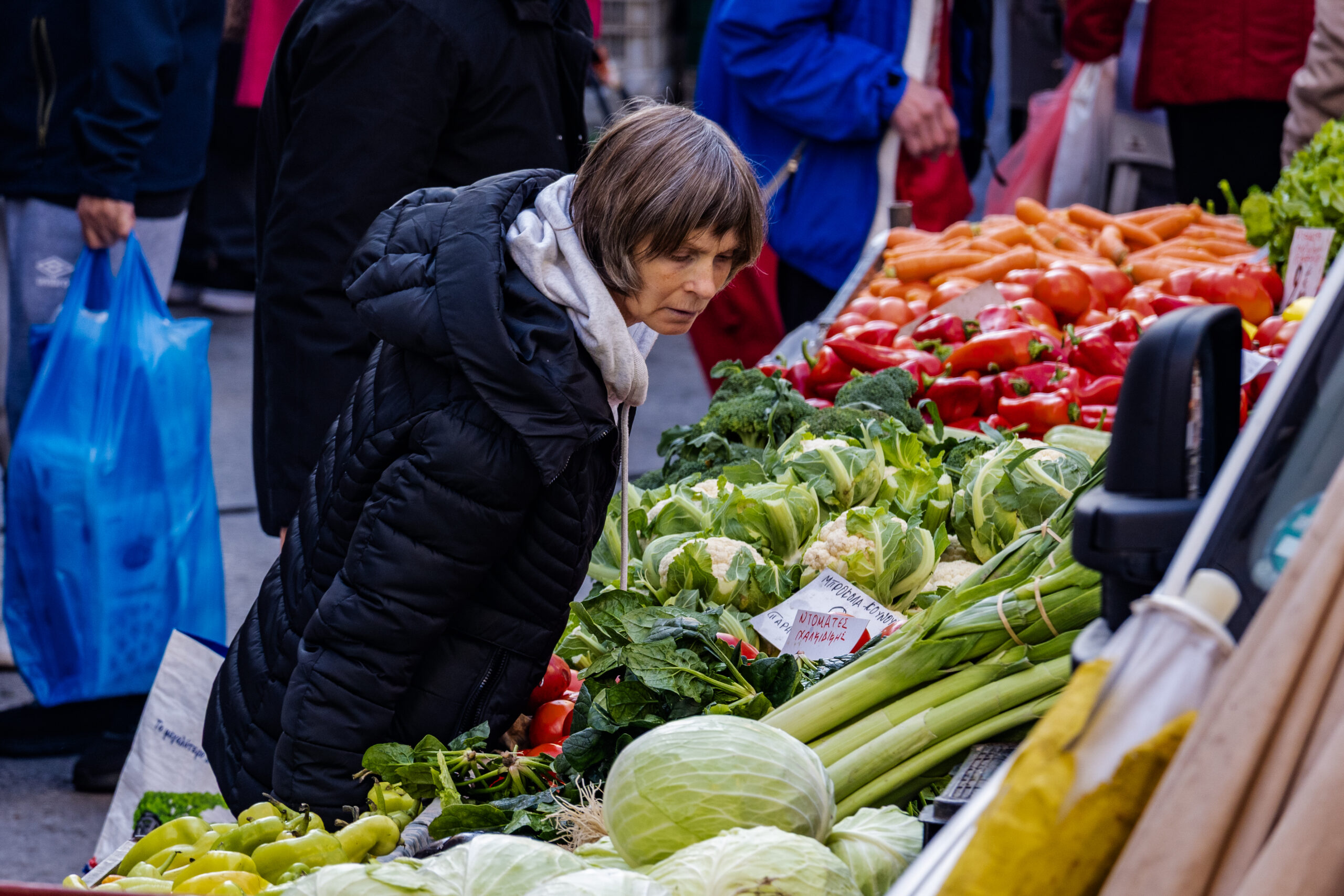
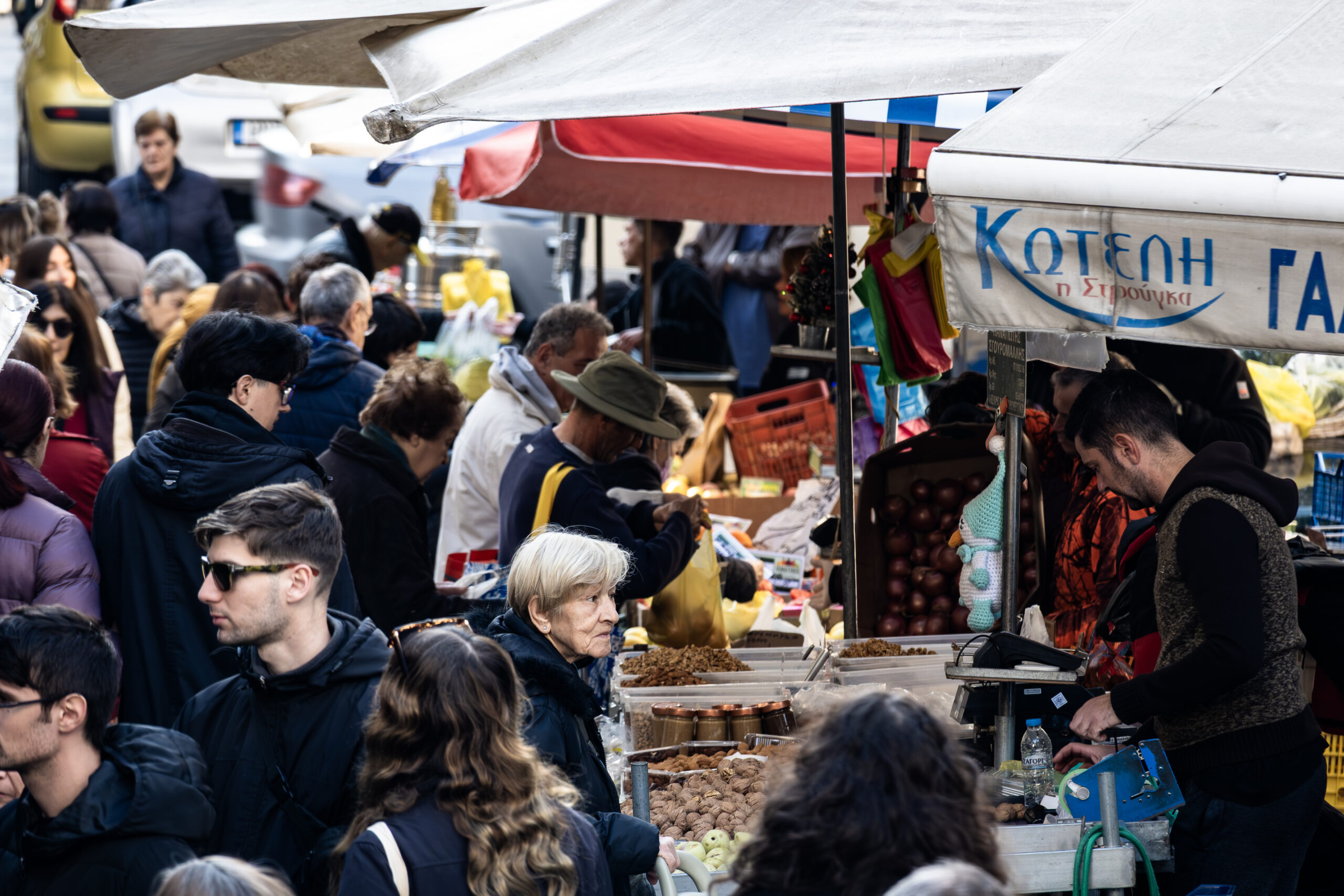
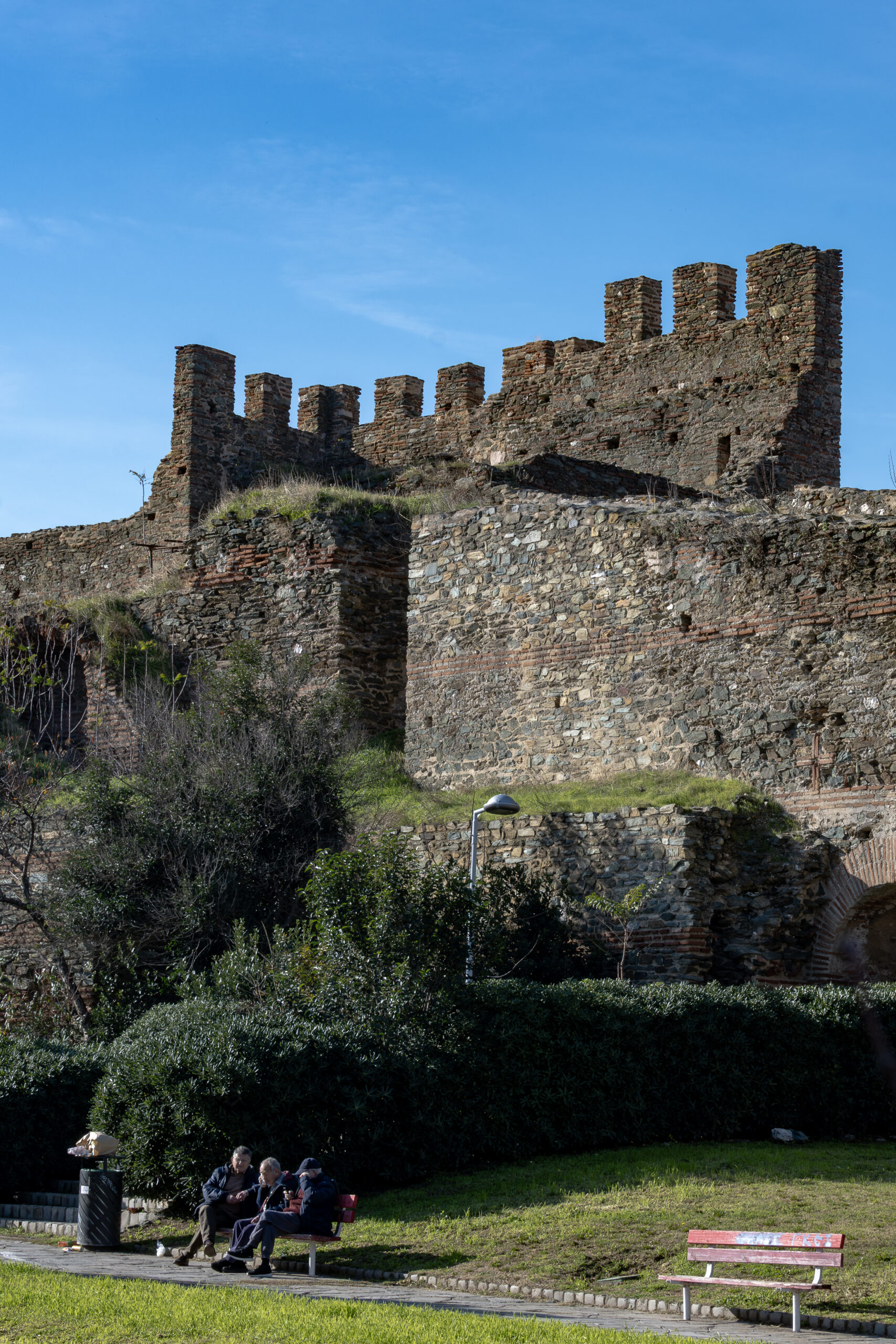
- My second outing, I turned my sights away from the sea and up to the hills. The city is built on a terraced hillside, rising steeply up the slopes. My goal was the Byzantine fortress overlooking the city, the Heptapyrgion. A ten towered citadel that had served as a fortress and a prison during Byzantine and Ottoman Empires. Setting out from the hostel, I almost immediately came across a very busy street market. Set in a narrow roadway, vegetable sellers set out their produce to be inspected by the discerning eyes of their customers. Making my way further up the hill, through tight and steeps alleys, I eventually came to the Byzantine walls that ringed the old city. And even further up the hill, with a majestic view of the entire coastline and the city spread along it, the Heptapyrgion waited for me. Apparently, mid-December is not exactly the high season for tourist traffic to the fortress as I had the place basically to myself. I walked through the courtyard that holds the remains fo the prison that was the last function for the old fort, explored the solitary confinement wing where the cells received no light and the thick walls allowed no sound, before climbing and walking the walls of the fortress touring the towers dotted along their length. It was fairly bare-bones as tourist attractions go, a few placards here and there explaining the construction, function and archaeology of the place, but not much more than that.
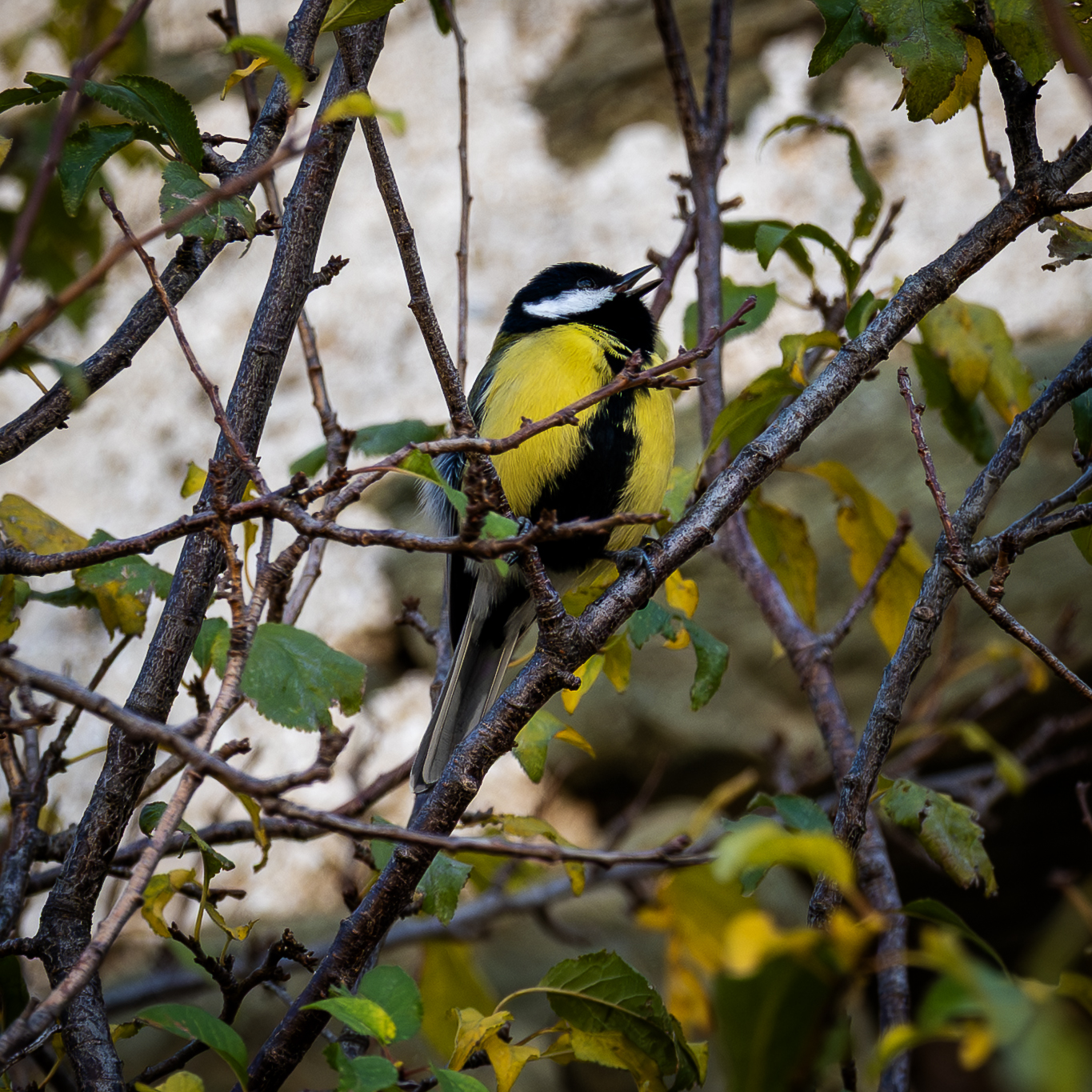
By now, it was only about midday and I still had some energy to spare. So, I set out to climb even further up the hills to the very top of the hill that backed Thessaloniki, to a spot marked Observatory on Google Maps. The streets of the city gave way to parkland as the hill continued to rise. I hiked along for another hour or so before I finally surmounted the hilltop, where it eased into a flat plateau, lightly forested between patches of grassland. I didn’t see a single person for my entire time in the park. After a leisurely lunch, I made my way to the observatory, which turned out to be a wooden observation tower alongside a weather station. This offered a great view of the opposite side of the city where it wrapped along the hill and up to a large marble quarry where a mountain across the valley was slowly being harvested.
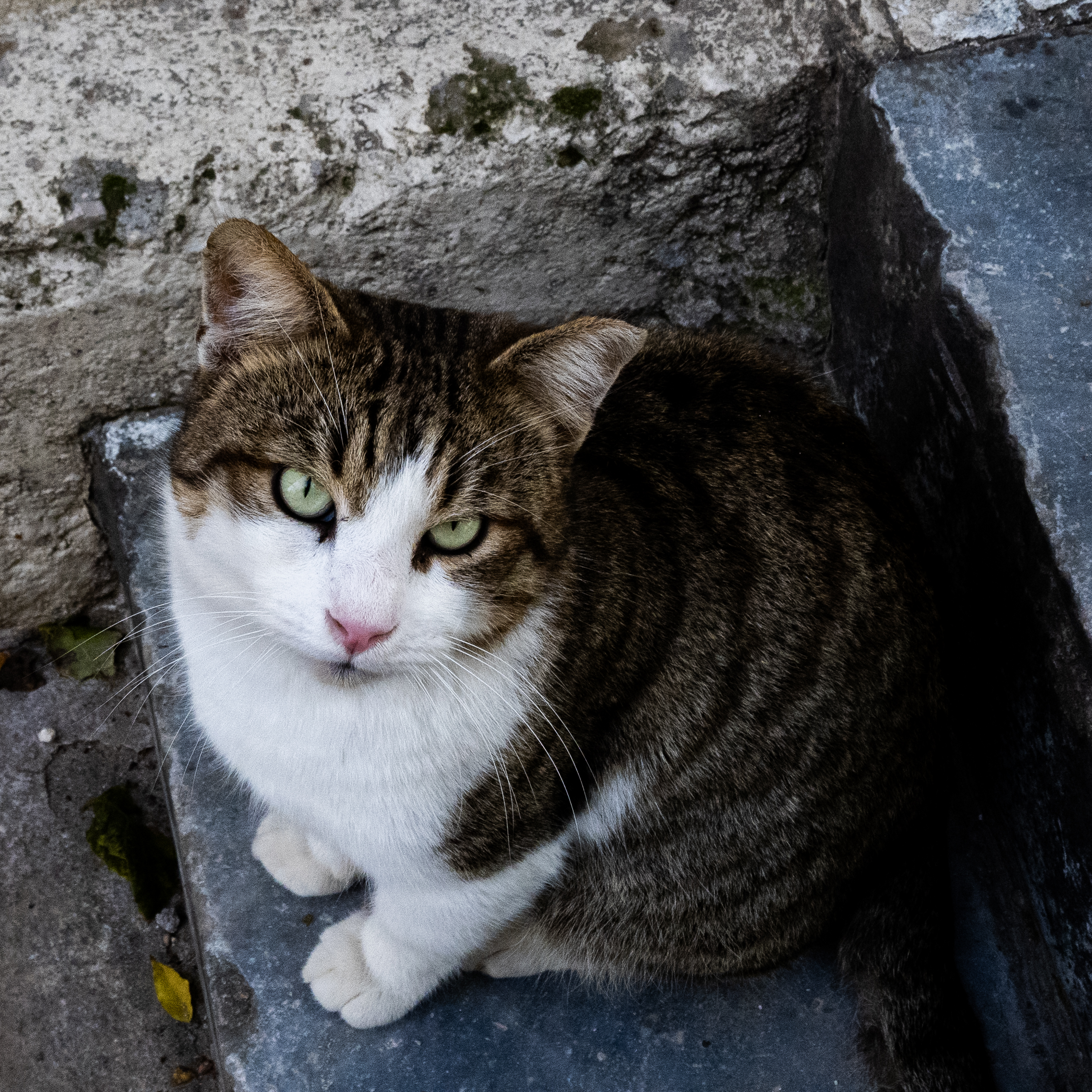
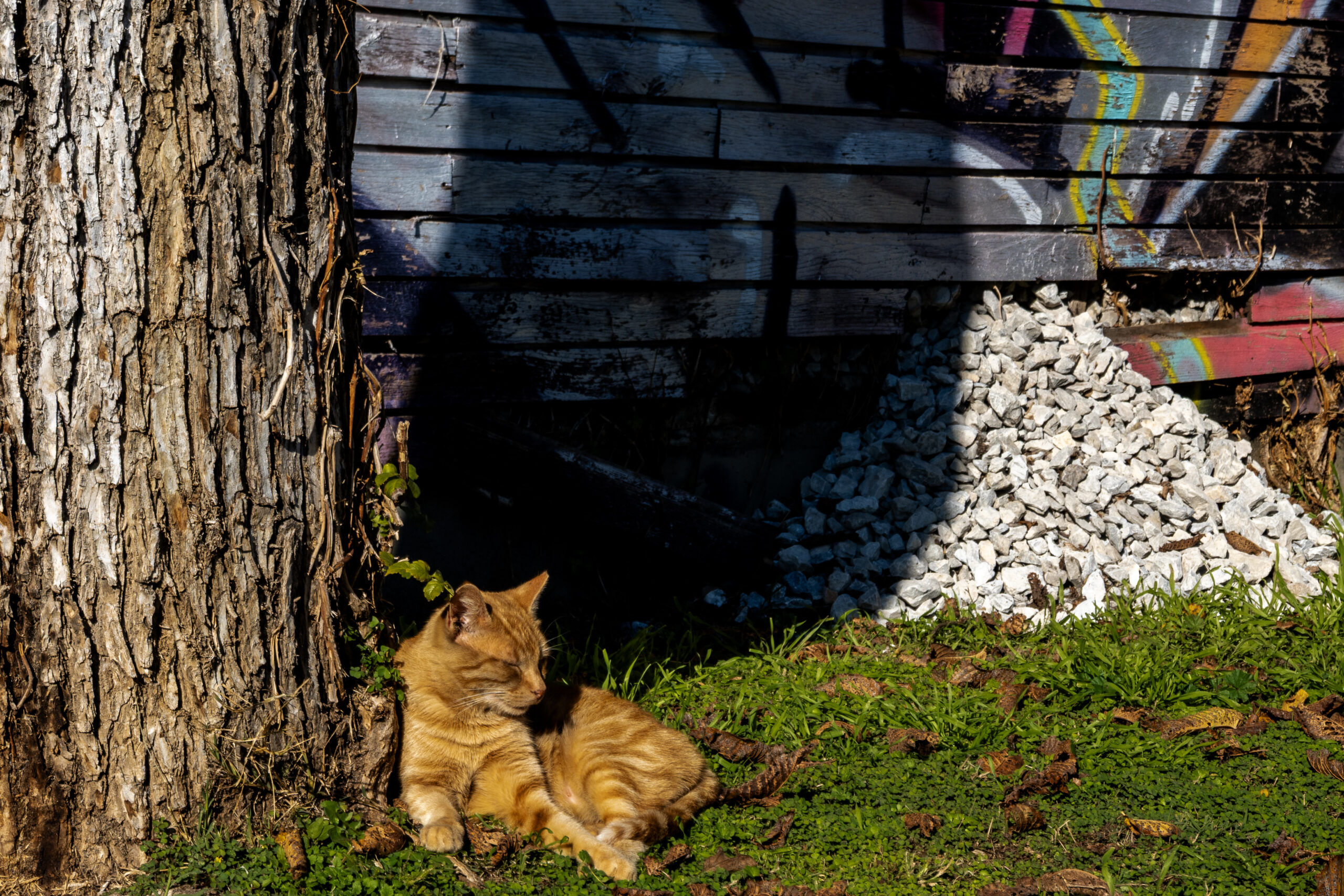
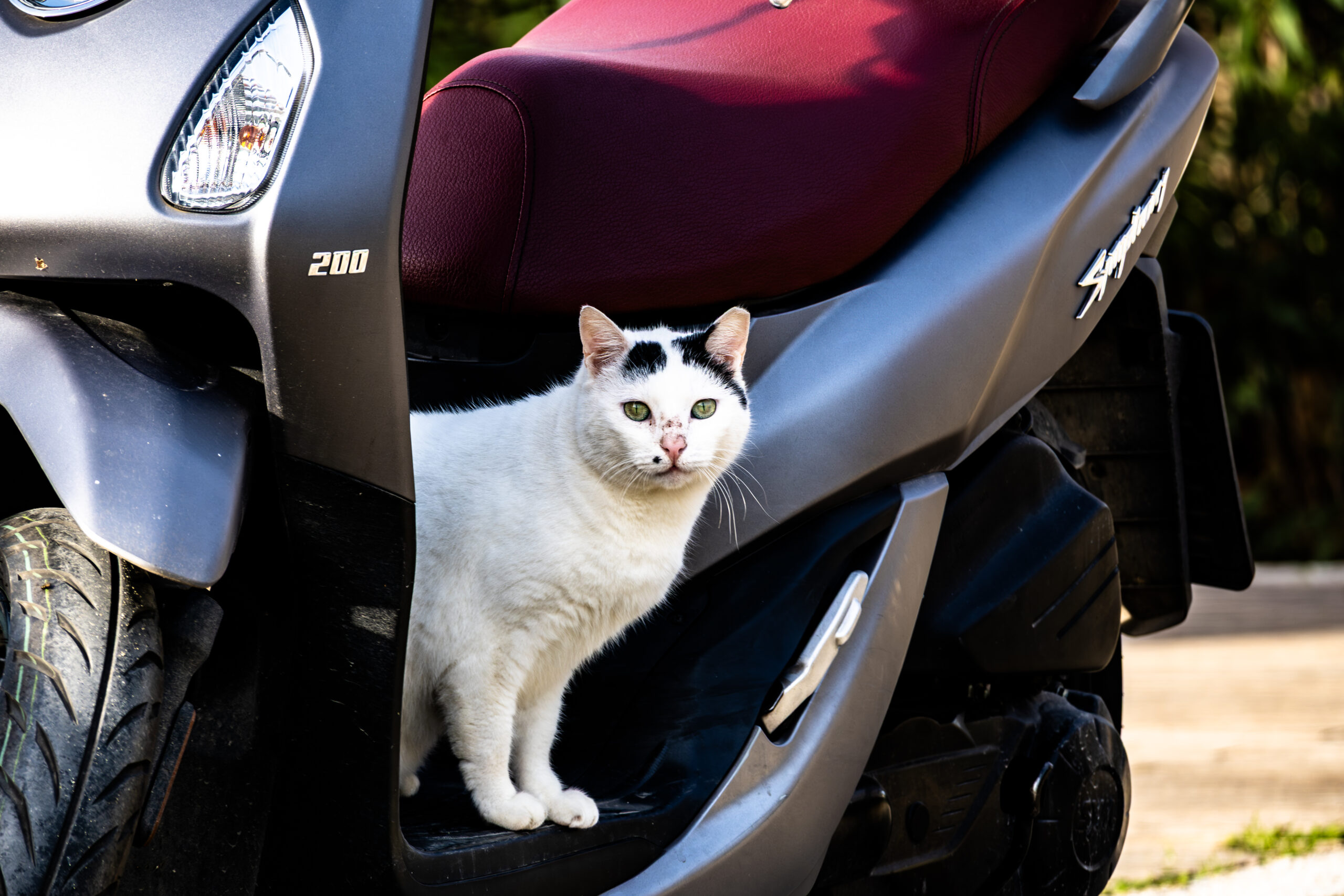
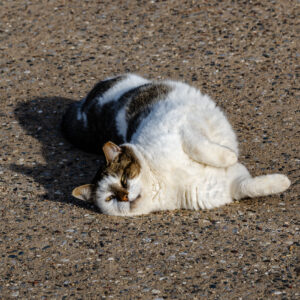
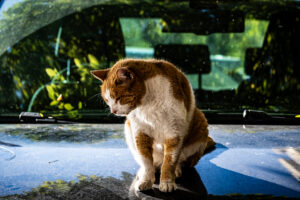
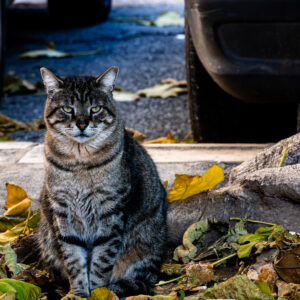
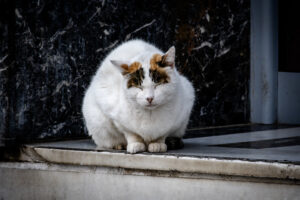
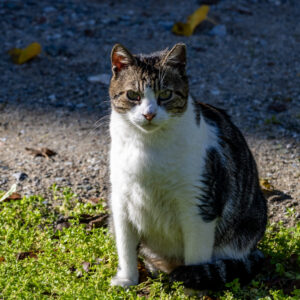
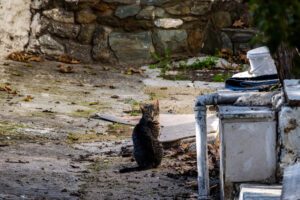
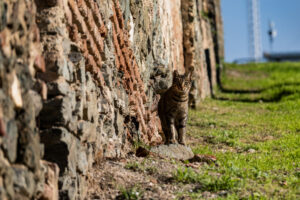
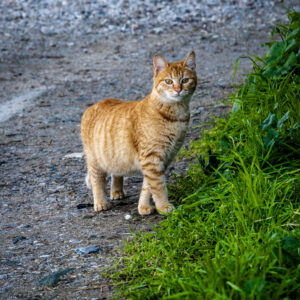
Finding my way off the hill turned out to be more trouble than I’d realized it would be. I wanted to descend the backside of the slope, but this must not have been a very popular route because it took a couple of missteps and backtracking before I found a path that led to the city below without being blocked by fences, barbed wire or sheer drops. And even once I found my way down to the roadside, I ran into another problem of old Greek cities. Sidewalks are very optional. So for a couple of kilometers, I walked along a very busy, rush-hour, road with not much more than a shoulder keeping me out of traffic. I was pretty confident with navigating busy European streets by this point, but this was an extra level of nerve-wracking. Even so, I eventually made it back to the safety of sidewalked streets and quickly turned into quieter side streets for reprieve. All in all, it was a pretty memorable day. - There are street cats everywhere in Thessaloniki. It was more rare to turn down a street and not see a cat, than the opposite. At first, I had a goal to photograph as many as I could, but, I quickly realized that would be an all-consuming task. Nonetheless, I got plenty of kitty photos.
- I ended up staying in Thessaloniki a couple of days longer than I planned, though not quite by choice. My original plan was to travel to Athens by train after five nights. However, I didn’t realize that this wasn’t like north-western Europe, where I could get a train every hour that would take me where I wanted to go. So, by the time I went to book tickets, seats were already sold out and the next available train wasn’t for two days. It was a minor oversight, and thankfully, I was enjoying Thessaloniki so it wasn’t any chore to have to stay a couple of days longer.
- One peculiarity of Greek hospitality took me by surprise the first couple of times that I ordered coffee. Alongside my double espresso, the barista handed me a bottle of water. At first I thought that maybe he thought that I would want to make my own Americano, like I could handle the espresso directly. But, it turns out that’s just the way they do things here. Coffee comes with water, whether as a counter to supposed diuretic effect of the coffee (pedant alert: coffee is a minor diuretic but contains more water than would be lost from drinking it) or just as a way to rinse the strong taste, I’m not sure, but it was nice either way.